1 Bold Prediction Backfires: Ex-Pakistan Star Brutally Trolled After Saying India Won’t Reach T20 World Cup Semifinals
An ex-Pakistan cricketer faces brutal trolling after predicting India wouldn’t reach the semifinals of the T20 World Cup, as fans flood social media with viral reactions
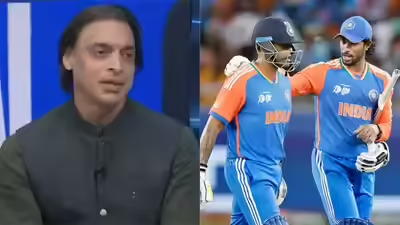
Cricket rivalries are rarely short on drama, but when bold predictions collide with on-field reality, the internet rarely shows mercy. That’s exactly what unfolded after a former Pakistan cricketer, who confidently claimed that India would fail to reach the semifinals of the T20 World Cup, found himself at the center of a social media storm.
As India powered its way into the knockout stage, fans were quick to revisit the ex-star’s earlier remarks. Within minutes of India sealing qualification, screenshots, memes, and sarcastic commentary began flooding platforms, turning a pre-tournament opinion into a viral talking point.
What started as a cricket analysis quickly transformed into a digital spectacle.
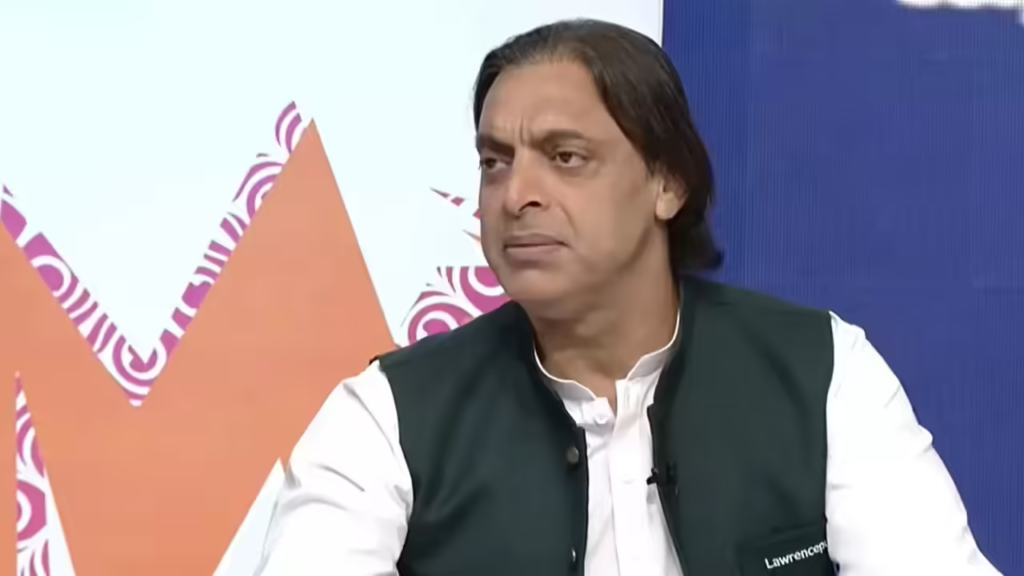
Before the tournament began, the former Pakistan player made headlines during a televised discussion by asserting that India lacked the balance and consistency needed to secure a semifinal berth. He reportedly pointed to concerns over team selection, bowling depth, and middle-order stability.
At the time, the prediction generated debate but did not seem outrageous. Cricket experts frequently make bold calls ahead of major tournaments. However, the certainty and tone of the statement caught attention — especially given the intense rivalry between India and Pakistan.
The comment was widely shared, debated, and archived by fans. And when India began dominating matches, those receipts didn’t disappear.
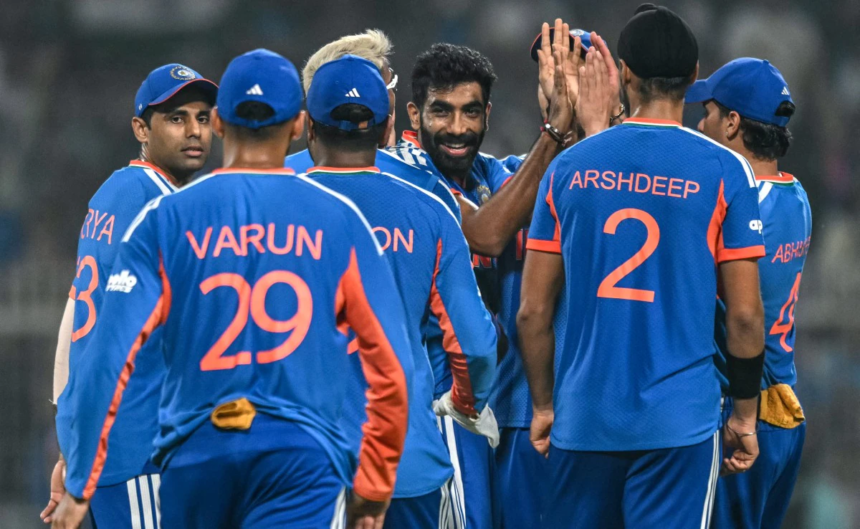
Contrary to the prediction, India delivered commanding performances throughout the group stage. The batting lineup displayed aggression and composure, while the bowlers executed plans with precision under pressure.
Crucial victories against strong opponents solidified India’s semifinal qualification well before the final group matches. The team’s all-round consistency silenced critics and boosted confidence among supporters.
As India’s qualification became official, fans wasted no time connecting the dots between the earlier claim and the team’s achievement.
The trolling began almost instantly. Twitter (X), Instagram, and YouTube comment sections exploded with memes and sarcastic reactions. Many fans reposted the original clip of the ex-Pakistan star’s statement alongside India’s qualification graphic.
Popular meme formats were repurposed to mock the failed prediction. Some users jokingly suggested inviting the former cricketer to make predictions before every major tournament, claiming his “reverse jinx” worked perfectly.
Hashtags related to the controversy trended in both India and Pakistan, reflecting the cross-border nature of the rivalry.
Cricket between India and Pakistan is never just about sport — it carries emotional, historical, and cultural weight. Statements made by players from either side often attract heightened scrutiny.
In this context, the ex-Pakistan star’s prediction was not viewed as mere analysis but as a challenge to India’s cricketing stature. Once India proved the prediction wrong, fan reactions were amplified by national pride.
The rivalry fuels engagement, and moments like these often dominate headlines far beyond the boundaries of the cricket field.
While fans relished the trolling moment, cricket analysts took a more measured view. Predictions, they noted, are inherently uncertain. T20 cricket, in particular, is unpredictable, where one over can change the outcome of a match.
Many experts pointed out that the former cricketer’s concerns about India’s squad were not entirely unfounded at the time. Pre-tournament form and injury questions had sparked legitimate debate.
However, once results contradicted the analysis, public perception shifted sharply. In the age of social media, accountability comes quickly and often harshly.
This episode highlights how cricket discourse has evolved. In earlier eras, predictions lived in newspapers and television archives. Today, digital platforms ensure that every statement can resurface within seconds.
Fans now act as archivists, curators, and commentators. A bold quote can become a meme template, a viral reel, or a trending hashtag in hours.
For former players transitioning into punditry, the digital spotlight is unforgiving. Every opinion carries the risk of instant backlash if outcomes differ.
Ex-cricketers often walk a fine line between offering strong analysis and avoiding controversy. Bold predictions drive engagement, but they also invite scrutiny.
In high-stakes tournaments like the T20 World Cup, every word spoken by a former international player carries weight. Fans expect expertise, and when reality diverges from predictions, criticism can escalate rapidly.
Some observers argue that such trolling discourages honest analysis. Others counter that accountability is part of modern sports media.
Beyond the controversy, India’s performance remains the central story. The team demonstrated resilience, depth, and adaptability under pressure.
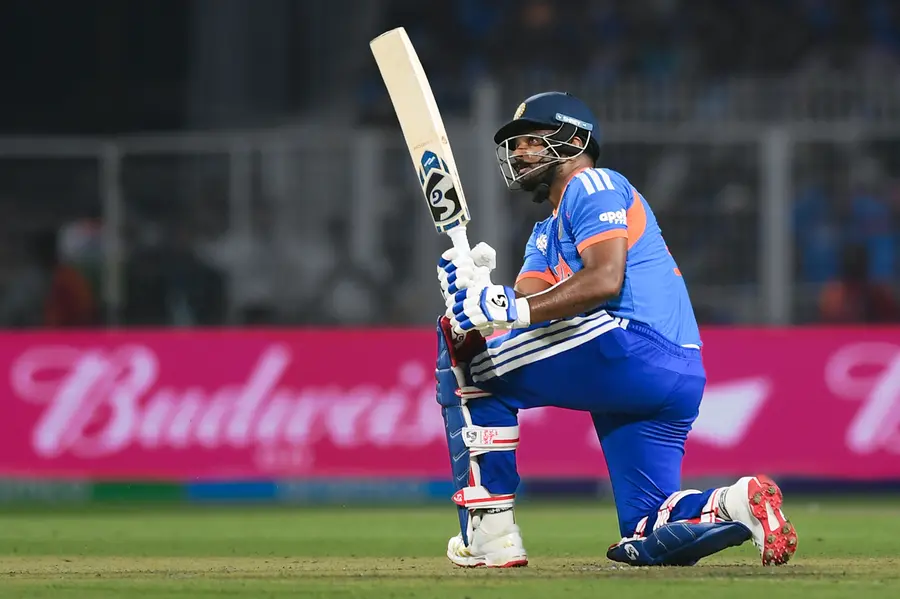
Young players stepped up alongside seasoned campaigners, creating a balanced lineup capable of challenging any opponent. The bowling attack executed disciplined strategies, while fielding standards remained sharp.
Reaching the semifinals reaffirmed India’s status as a powerhouse in T20 cricket — a reputation built over years of consistent performances in global tournaments.
As trolling intensified, many fans speculated whether the ex-Pakistan star would respond publicly. Some former players choose to address such moments with humor, while others prefer silence.
A light-hearted acknowledgment could potentially defuse tension, but doubling down on the original prediction might reignite debate.
Regardless of response, the viral nature of the episode ensures it will remain part of tournament folklore.
The saga offers broader lessons about sports commentary in the digital age:
- Bold predictions attract attention — but also risk.
- Fan engagement shapes narratives as much as performances do.
- Rivalries amplify reactions.
- Social media never forgets.
Ultimately, cricket thrives on debate. Predictions, disagreements, and rivalries fuel passion. While trolling can sometimes cross lines, moments like these also reflect the emotional investment fans have in the sport.
While online reactions dominate headlines, the tournament itself continues. India’s focus remains on converting semifinal qualification into a championship triumph.
For the former Pakistan star, the episode may serve as a reminder of how quickly narratives shift in modern cricket culture. One prediction can define weeks of discourse — especially when it backfires spectacularly.
In the end, sport is unpredictable. That unpredictability is what makes tournaments like the T20 World Cup compelling.
And in this case, it also delivered one of the internet’s most viral “prediction gone wrong” moments of the year.
Read Also : Iran War Erupts: Hezbollah Fires at Israel & U.S. Drops IRGC HQ Strike Video — 10 Key Points You Must Know