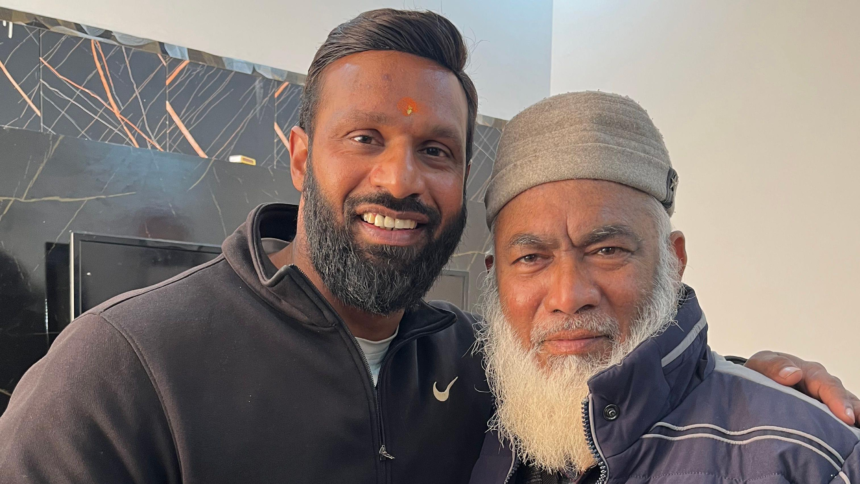
1 Brave Hindu, 1 Powerful Stand: 7 Inspiring Reasons He Became a Hero for Defending a Muslim
Discover the powerful story of 1 courageous Hindu man who stood up for a Muslim in a moment of crisis, proving that humanity rises above religion and inspiring millions with his fearless act of unity
In times when headlines are often dominated by stories of division, one extraordinary act of courage reminded the nation of a timeless truth: humanity stands above hatred. This is the powerful story of one Hindu man who, in a moment of tension and fear, chose to protect a Muslim fellow citizen—an act that transformed him from an ordinary bystander into an inspiring symbol of unity.
What began as a routine day quickly escalated into a tense situation fueled by rumors, anger, and communal suspicion. In the chaos, while many watched silently, one individual stepped forward. He did not ask about religion. He did not calculate risk. He acted—guided by conscience rather than identity.
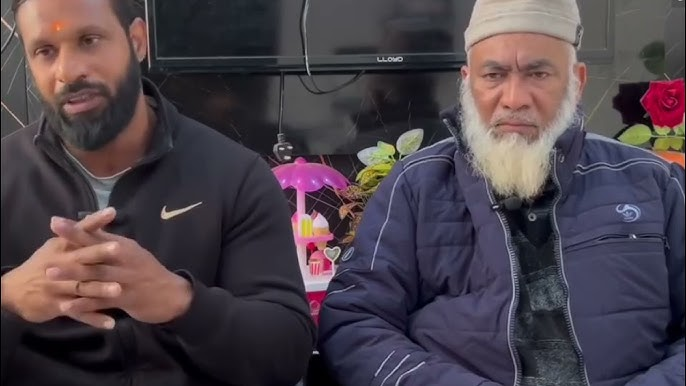
His decision, captured by onlookers and later shared widely, became a viral testament to courage in the face of hostility. But beyond the headlines and applause lies a deeper narrative about empathy, responsibility, and the power of moral clarity.
Witnesses describe the incident as tense and emotionally charged. A misunderstanding had spiraled into confrontation, and a Muslim man found himself surrounded by a hostile crowd. The atmosphere was thick with anger, and fear was evident on faces nearby.
It was at this critical juncture that the Hindu man stepped in. Positioning himself between the crowd and the targeted individual, he urged calm and appealed to reason. He insisted that no one should be harmed without proof or justice. His voice, steady despite the volatility around him, disrupted the momentum of aggression.
The act lasted only minutes—but those minutes mattered.
Courage is often imagined as dramatic heroism in grand circumstances. Yet in reality, it is a decision made in fleeting moments. The man who intervened did not have a script or guarantee of safety. He simply chose to stand firm when silence would have been easier.
His bravery was not rooted in ideology but in basic human decency. By stepping forward, he demonstrated that moral courage is accessible to anyone willing to act.
India’s social fabric is woven from diverse cultures and faiths. While tensions occasionally flare, everyday life is sustained by countless examples of cooperation and coexistence.
This story reinforces that shared humanity outweighs differences. Religion did not dictate the man’s response; empathy did. He saw a fellow human in distress and responded instinctively.
In a polarized climate, such reminders carry immense weight.
Crowd psychology can be intimidating. Often, individuals hesitate to act because they believe their voice will not matter. Yet this incident proves otherwise.
One person’s intervention disrupted collective aggression. His presence shifted the narrative from hostility to restraint. The crowd, confronted with unexpected resistance grounded in compassion, gradually stepped back.
It takes only one person to break the chain of escalation.
Communal harmony is not the sole responsibility of leaders or institutions. It rests equally on citizens. The man’s action underscores that safeguarding peace is a collective duty.
In moments of tension, neutrality can inadvertently enable harm. By choosing engagement over indifference, he upheld the principle that silence in the face of injustice carries consequences.
Footage of the incident spread rapidly online. While digital platforms often amplify divisive content, this time they amplified hope.
Messages of support poured in from across communities. Many praised the man’s bravery, calling him a “true hero” and a “guardian of unity.” The story became a beacon in a sea of negativity.
However, the episode also highlights the responsibility that comes with sharing content. Misinformation can inflame situations; accurate reporting can calm them.
The man who intervened holds no official position. He is not an elected representative or law enforcement officer. Yet in that moment, he embodied leadership.
True leadership emerges when individuals act with integrity under pressure. It does not require authority—only conviction.
His composure under stress inspired others nearby to reconsider their actions. Leadership, in its purest form, is influence grounded in values.
Perhaps the most powerful outcome of this story is the hope it generates. At a time when divisive rhetoric often dominates discourse, such acts remind citizens of shared values.
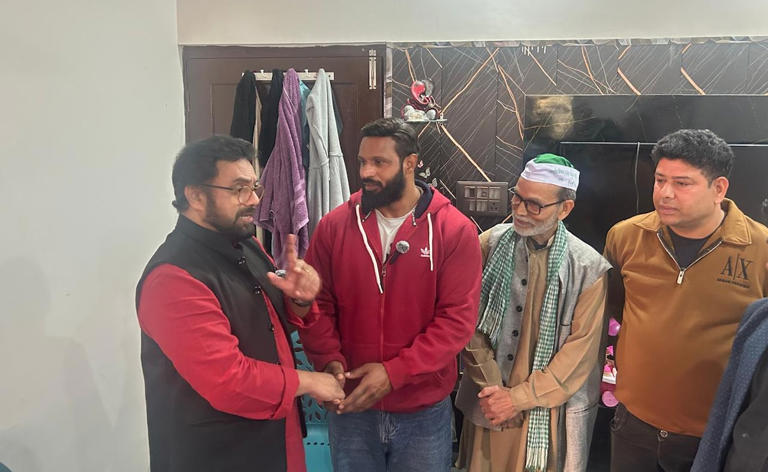
Communal harmony is fragile, but it is also resilient when nurtured by everyday courage. This incident did not erase societal tensions, but it provided a counter-narrative—a living example of unity.
India’s history contains both moments of conflict and powerful stories of solidarity. Across villages and cities, people of different faiths have protected one another during crises, shared festivals, and collaborated in building communities.
This latest story joins a long tradition of individuals choosing humanity over hatred. It serves as a reminder that while structural challenges require policy solutions, social cohesion ultimately depends on interpersonal choices.
In the days following the incident, local residents organized a small gathering to honor the man’s courage. Community leaders from different faiths emphasized dialogue and mutual respect.
Schools discussed the episode as part of civic education sessions. Parents used it to teach children about empathy and responsibility. The ripple effect extended beyond the immediate location, influencing conversations nationwide.
Acts of goodness, when witnessed, inspire replication.
While the story has been widely celebrated, some observers caution against romanticizing isolated incidents. They argue that systemic efforts are necessary to prevent communal tensions in the first place.
This perspective is valid. Individual courage, while inspiring, should complement institutional accountability and proactive governance.
Nevertheless, individual acts remain essential catalysts for broader change.
Interestingly, the hero himself has downplayed the attention. In interviews, he stated that he simply did what anyone should do. He expressed hope that the story would encourage others to act similarly.
Humility often accompanies genuine courage. His refusal to seek recognition reinforces the authenticity of his action.
Positive narratives shape collective consciousness. They counterbalance fear-based discourse and remind citizens of shared humanity.
In a world saturated with sensationalism, stories of compassion can feel rare. Yet they occur daily—often unnoticed. When highlighted, they restore faith in society’s moral compass.
This story is not just about one Hindu man defending one Muslim individual. It is about the possibility of coexistence, the strength of ethical conviction, and the enduring relevance of compassion.