10 Deadly Developments: Israel Kills Dozens in Lebanon After Failed Mission to Recover Pilot’s Remains
Dozens were killed in Lebanon after Israel launched strikes following a failed mission to recover a pilot’s remains
Tensions in the Middle East escalated dramatically after Israel carried out deadly strikes in Lebanon, leaving dozens of people dead. The escalation reportedly followed a failed Israeli operation aimed at recovering the remains of a missing pilot believed to be located inside Lebanese territory.
The situation has intensified concerns about a wider regional conflict, with international observers closely monitoring the developments. The deadly strikes have also sparked global debate about military operations conducted across borders and the potential consequences of retaliatory actions in already volatile regions.
Below are seven key developments that explain how the situation unfolded and why the latest escalation is raising alarm worldwide.
According to reports from regional security sources, the crisis began when Israel launched a covert operation to locate and recover the remains of a pilot believed to have been killed years earlier during conflict near the Lebanese border.
The operation was reportedly based on intelligence suggesting that the pilot’s remains might be located within territory controlled by armed groups in Lebanon.
Recovering the remains of soldiers is considered a highly sensitive mission in Israel, where the military places strong emphasis on bringing back fallen personnel. However, the mission reportedly encountered unexpected resistance.
Sources indicate that the recovery mission did not go as planned. Israeli forces reportedly faced resistance from local militant groups operating in southern Lebanon.
As the operation escalated, gunfire and explosions were reported in several areas close to the border. Military analysts suggest that the presence of heavily armed groups in the region made the operation extremely risky.
Eventually, the mission was called off without successfully retrieving the pilot’s remains. The failure of the operation appears to have triggered a rapid escalation in military activity.
Soon after the failed mission, Israel reportedly launched a series of airstrikes targeting locations inside Lebanon.
The strikes were described by officials as a response to attacks on Israeli forces during the recovery operation. Military sources claimed that the targets included positions believed to be used by armed groups involved in the confrontation.
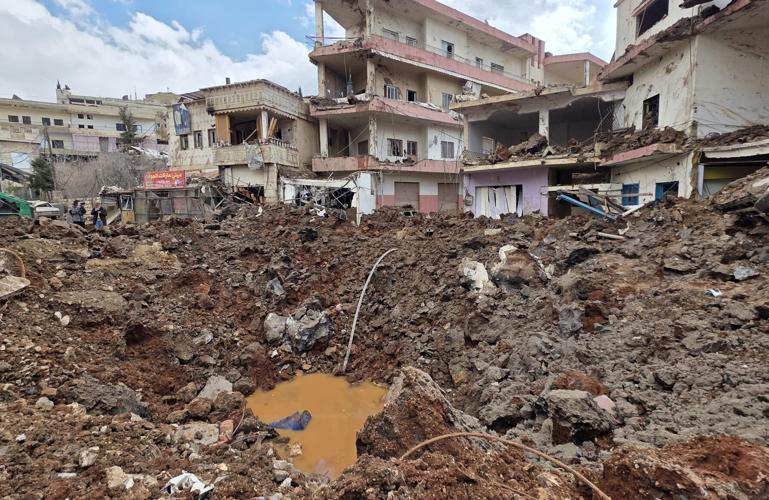
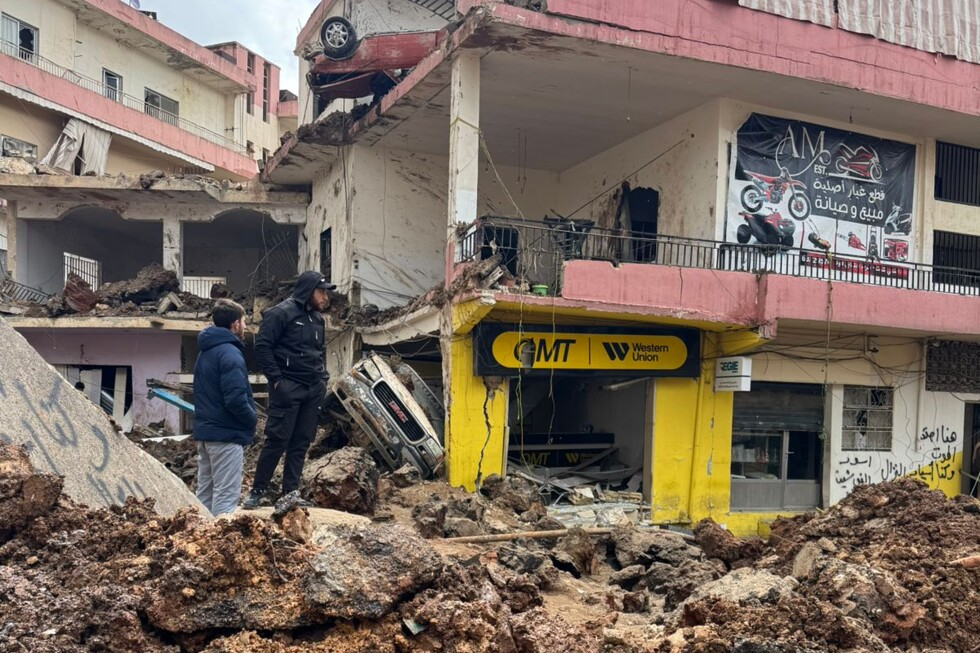
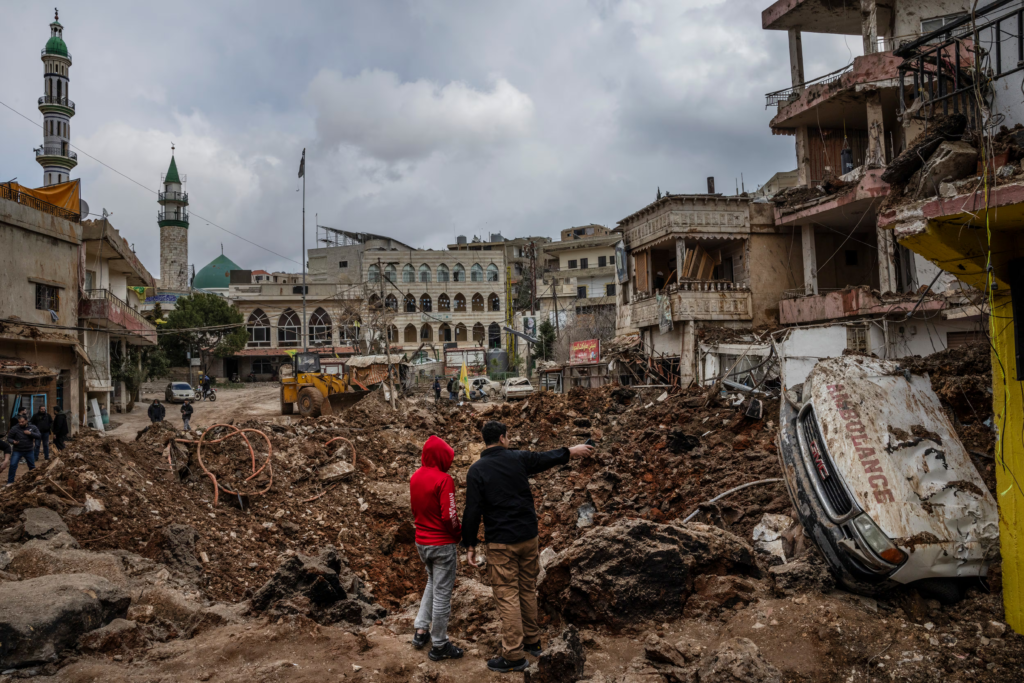
However, reports from local authorities indicated that the strikes caused heavy casualties, with dozens of people reportedly killed and several others injured.
Local officials and humanitarian groups expressed concern that some of the strikes may have hit areas near civilian settlements.
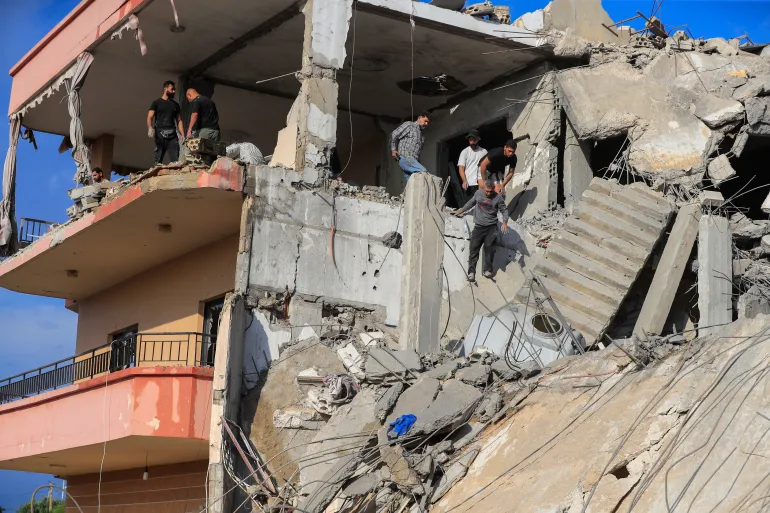
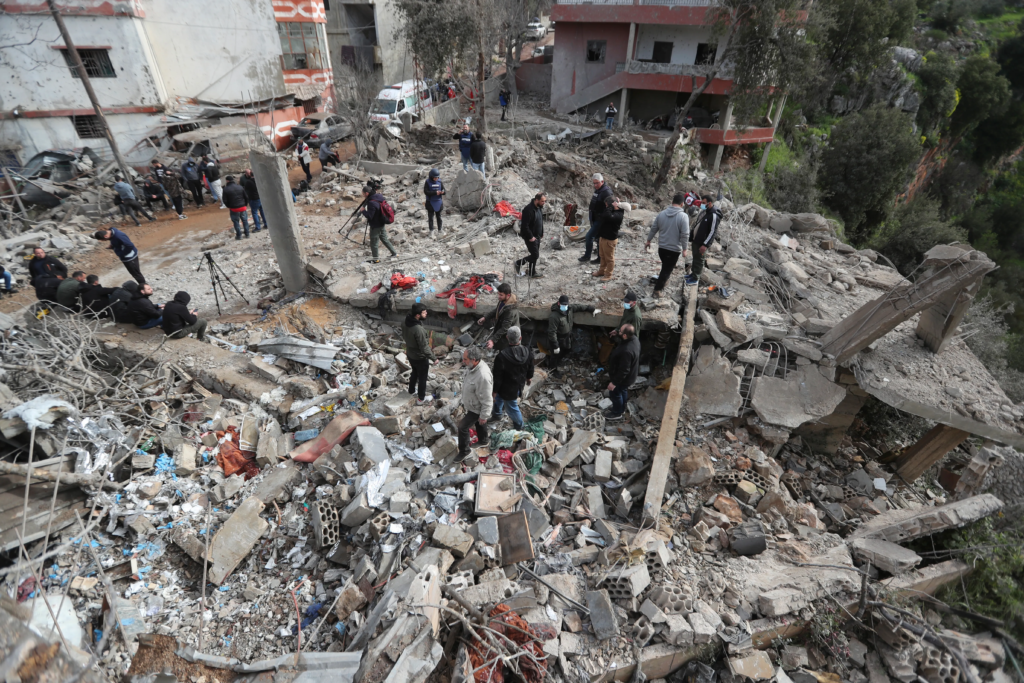
Residents in southern Lebanon reported hearing powerful explosions and seeing smoke rising from multiple locations. Emergency responders rushed to affected areas to assist the wounded and recover victims from damaged buildings.
The humanitarian impact of the strikes has become a major focus of international attention, with aid organizations warning that further escalation could worsen the situation for civilians living near the border.
The incident has sharply increased tensions between Israel and Lebanon, two countries that technically remain in a state of conflict.
Cross-border hostilities have occurred intermittently for decades, but the latest escalation has raised fears that the situation could spiral into a broader confrontation.
Military experts warn that miscalculations in such high-stakes situations can quickly lead to further violence.
Several neighboring countries and international observers are now urging both sides to exercise restraint.
Following reports of the deadly strikes, global leaders and diplomatic organizations called for immediate de-escalation.
The United Nations urged all parties to avoid actions that could worsen the conflict and emphasized the importance of protecting civilian lives.
Diplomats also stressed the need for dialogue and adherence to international law in addressing security concerns.
International mediation efforts may play a key role in preventing the situation from escalating further.
The latest confrontation cannot be viewed in isolation. The relationship between Israel and Lebanon has been shaped by decades of conflict.
Border tensions, armed militias, and competing territorial claims have contributed to a fragile security environment along the frontier.
Over the years, several military confrontations have occurred between Israeli forces and armed groups operating in southern Lebanon.
These historical tensions mean that even limited incidents can quickly escalate into larger conflicts.
Humanitarian organizations are closely monitoring the situation following the deadly strikes.
Residents in affected areas of Lebanon have reportedly begun leaving their homes amid fears of further attacks.
Emergency medical teams have been working to treat the injured while local authorities assess the damage caused by the airstrikes.
Aid groups warn that if hostilities continue, the humanitarian situation could deteriorate rapidly, particularly in communities located near the border.
The border area between Israel and Lebanon has long been considered one of the most sensitive security zones in the Middle East.
The region is home to several armed factions and has frequently been the site of military confrontations.
Because of its strategic importance, any military operation in this area carries significant risks of escalation.
Security analysts note that operations involving cross-border incursions can easily trigger retaliatory attacks, further destabilizing the region.
The coming days will likely determine whether the situation stabilizes or continues to escalate.
Diplomatic efforts may intensify as international actors attempt to prevent further violence. At the same time, military forces on both sides are likely to remain on high alert.
For residents living near the border, the uncertainty surrounding the conflict remains a major concern.
The deadly escalation following the failed recovery mission highlights the fragile security situation in the Middle East.
For Israel, recovering fallen soldiers remains a deeply important national priority. However, operations aimed at achieving that goal can carry significant geopolitical risks.
For Lebanon, the strikes have raised fears of renewed conflict that could further strain an already fragile nation.
As the world watches developments closely, many hope that diplomatic efforts will succeed in preventing a broader confrontation and bringing stability to a region that has experienced decades of conflict.