10 Patients Dead in Shocking Fire at SCB Medical College Hospital, Cuttack – Major Tragedy Unfolds
At least 10 patients killed in a devastating fire at SCB Medical College Hospital in Cuttack, raising serious concerns over hospital safety and emergency response
A devastating fire at SCB Medical College Hospital has claimed the lives of at least 10 patients, sending shockwaves across Cuttack and the entire nation. The tragic incident, which unfolded within one of Odisha’s most prominent government medical institutions, has once again brought the spotlight on hospital safety standards, emergency preparedness, and accountability.
As authorities scramble to investigate the cause of the blaze, grieving families and shocked citizens are demanding answers over how such a catastrophic incident could occur in a facility meant to save lives.
According to initial reports, the fire broke out in one of the critical wards of the hospital, where several patients were undergoing treatment. Within minutes, flames and thick smoke engulfed the area, creating panic among patients, attendants, and medical staff.
Eyewitnesses described chaotic scenes as people rushed to escape the rapidly spreading fire. Many patients, especially those in critical condition or with limited mobility, were unable to evacuate in time. Hospital staff and local responders tried their best to rescue those trapped, but the intensity of the blaze made operations extremely difficult.
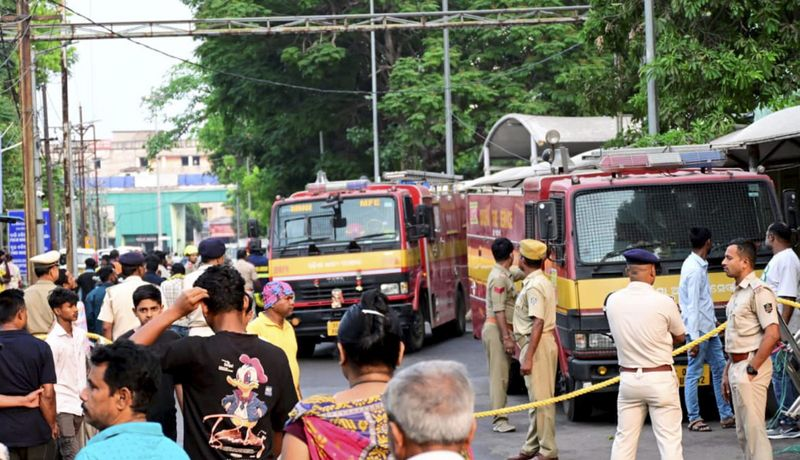
Firefighters were dispatched promptly, but by the time the fire was brought under control, the damage had already been done. At least 10 patients lost their lives, while several others sustained injuries, some of them critical.What makes this tragedy particularly heartbreaking is that the victims were patients already battling serious health conditions. Many were dependent on life-saving equipment, making evacuation nearly impossible without assistance.
Families of the deceased have expressed deep grief and anger. For them, the hospital was a place of hope and recovery—but it turned into a site of unimaginable loss. Several relatives have alleged delays in response and lack of proper evacuation protocols.
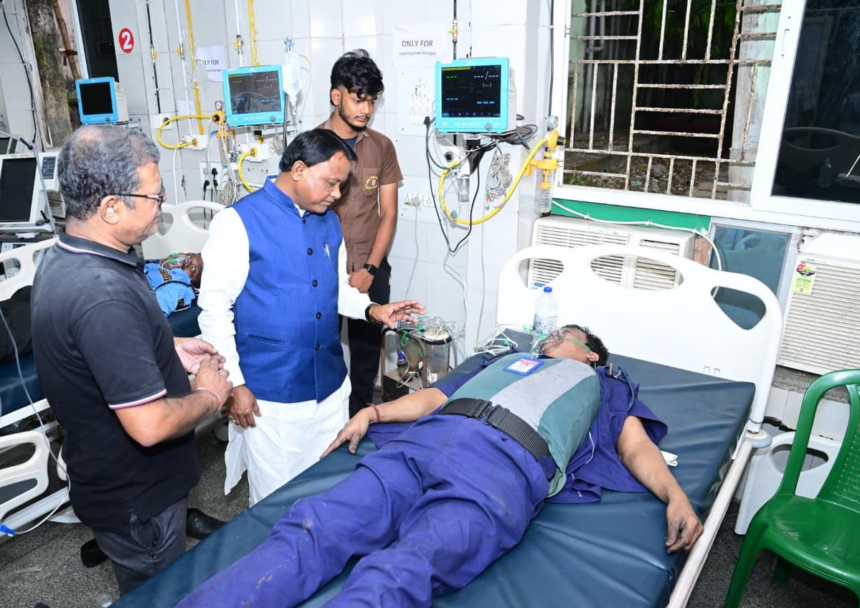
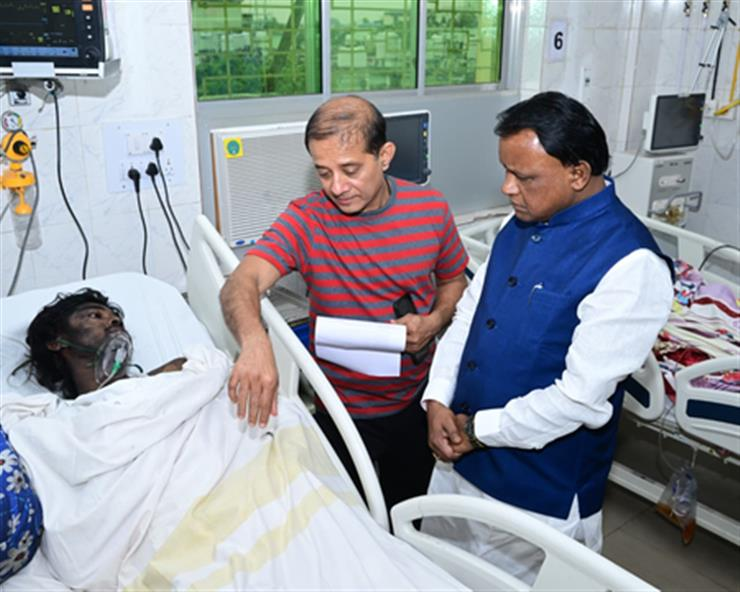
The injured have been shifted to other wards and nearby medical facilities, where they are receiving treatment. Doctors are working round the clock to stabilize those affected by burns and smoke inhalation.
While the exact cause of the fire remains unknown, preliminary reports suggest it could have been triggered by an electrical short circuit—one of the most common causes of hospital fires in India.
Investigators are examining multiple factors, including:
- Electrical infrastructure and maintenance records
- Availability and functionality of fire safety equipment
- Emergency response protocols followed during the incident
- Compliance with fire safety norms and regulations
Authorities have assured a thorough probe, with officials stating that strict action will be taken if negligence is found.
The tragedy at SCB Medical College Hospital has reignited concerns over fire safety in hospitals across India. Medical facilities, especially government-run ones, often face issues such as outdated infrastructure, overcrowding, and inadequate safety systems.

Hospitals are considered high-risk zones due to:
- Extensive electrical equipment
- Oxygen supply systems that can intensify fires
- Presence of immobile or critically ill patients
- High footfall of visitors and staff
Experts argue that despite clear guidelines, implementation remains inconsistent. Regular fire drills, proper maintenance of equipment, and staff training are often neglected, increasing the risk of disasters.
While emergency services responded quickly, questions are being raised about the hospital’s internal preparedness. Survivors and witnesses have pointed out several lapses, including:
- Lack of clear evacuation routes
- Non-functional or insufficient fire extinguishers
- Delayed alert systems
- Inadequate coordination among staff
Such shortcomings can prove fatal in situations where every second counts. Experts emphasize that hospitals must have robust emergency management systems in place to prevent loss of life.
Following the incident, state authorities have expressed deep condolences to the families of the victims. Officials have announced compensation for the deceased and assured free medical treatment for the injured.
A high-level inquiry has been ordered to determine the cause of the fire and identify any lapses in safety protocols. Authorities have also directed inspections of other hospitals across Odisha to ensure compliance with fire safety norms.
Political leaders and public figures have reacted strongly, calling for stricter enforcement of safety regulations and accountability for those responsible.
Unfortunately, incidents like this are not isolated. India has witnessed several hospital fires over the years, many resulting in tragic loss of life. These repeated occurrences highlight systemic issues that need urgent attention.
Common factors in such incidents include:
- Overloaded electrical systems
- Poor maintenance
- Lack of fire audits
- Absence of trained emergency personnel
Each tragedy brings temporary outrage, but long-term reforms often remain inadequate.
Beyond statistics and investigations lies the human cost of the tragedy. Families have lost loved ones who were already in vulnerable conditions. Survivors are left traumatized, having witnessed a life-threatening disaster within a place they trusted.
The psychological impact on hospital staff is also significant. Many healthcare workers, who dedicate their lives to saving others, are now grappling with the trauma of losing patients in such a horrific manner.
Public outrage is growing, with citizens demanding strict action against those responsible. Activists and experts are calling for:
- Mandatory fire safety audits in all hospitals
- Regular training and mock drills for staff
- Installation of modern fire detection and suppression systems
- Strict penalties for non-compliance
There is also a push for transparency in the investigation process to ensure that the truth comes to light and justice is served.
The tragedy serves as a wake-up call for authorities and healthcare institutions. Preventing such incidents requires a multi-pronged approach:
- Upgrading infrastructure in government hospitals
- Ensuring strict adherence to safety norms
- Investing in modern fire safety technology
- Creating awareness among staff and patients
Experts stress that safety cannot be treated as an afterthought—it must be an integral part of hospital management.
Read Also : 400+ Dead, 250 Injured: Shocking Pakistan Strike Destroys Afghanistan Hospital Treating Drug Users