10 Powerful Facts About Mojtaba Khamenei — Iran’s New Supreme Leader Set to Succeed Ali Khamenei
Discover 10 powerful facts about Mojtaba Khamenei, the influential cleric and son of Ali Khamenei, who has emerged as Iran’s new Supreme Leader
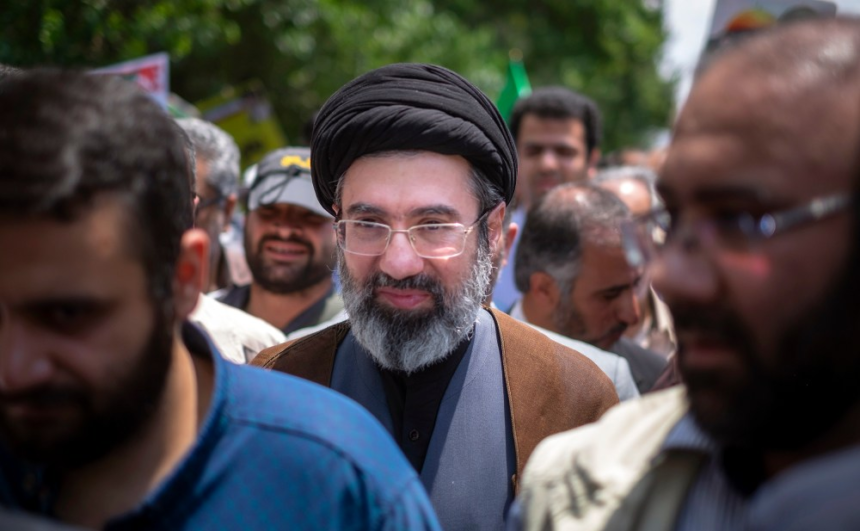
The political landscape of Iran has entered a new and historic phase with the emergence of Mojtaba Khamenei as the country’s new Supreme Leader. As the son of longtime leader Ali Khamenei, Mojtaba’s rise marks one of the most controversial and closely watched leadership transitions in the Islamic Republic’s history.
For years, Mojtaba Khamenei operated largely behind the scenes, rarely speaking publicly or appearing in media. Yet many political analysts believed he wielded significant influence inside Iran’s power structure. His close ties with clerical elites, conservative political factions, and the powerful Islamic Revolutionary Guard Corps positioned him as a key figure in Iranian politics long before his leadership became official.
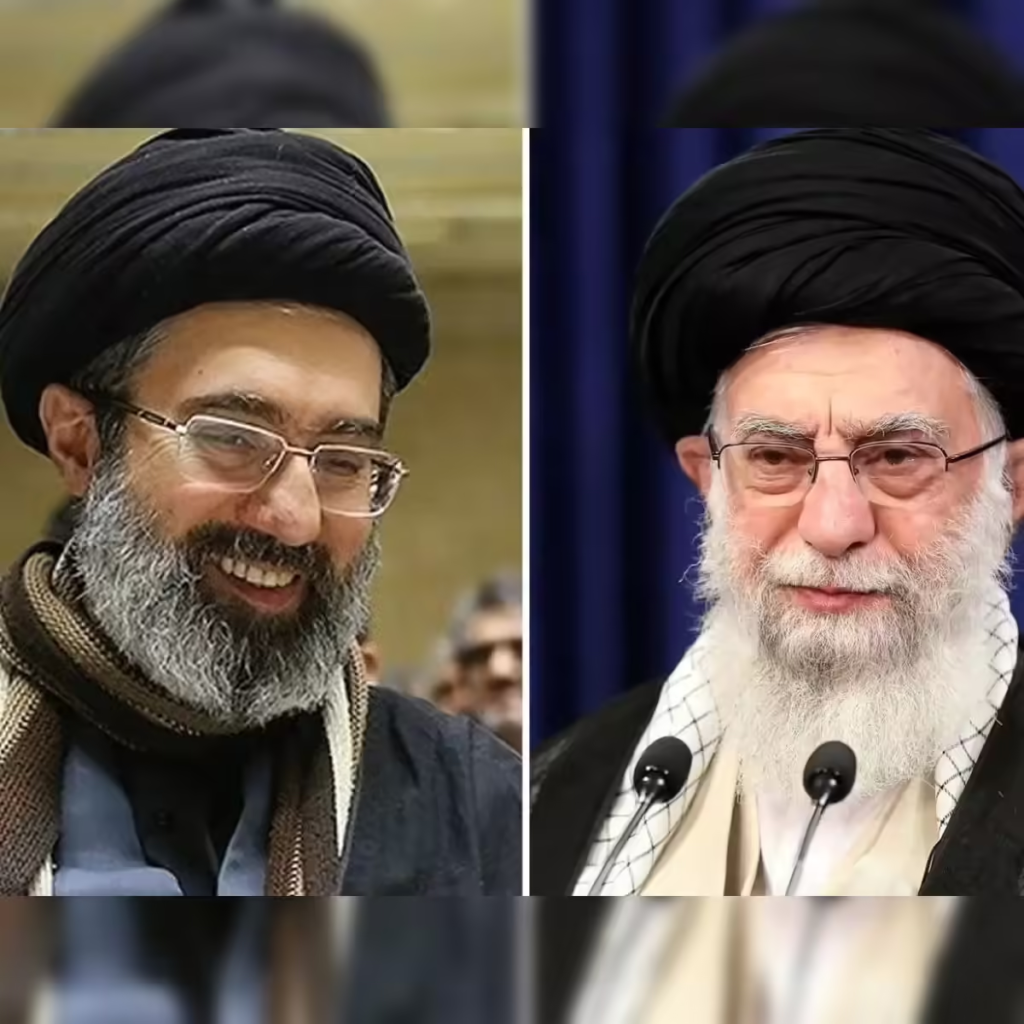
Now, as Iran faces intense geopolitical pressure, economic challenges, and regional conflicts, Mojtaba Khamenei’s leadership is expected to shape the country’s future in profound ways.
Below are 10 powerful facts that explain who Mojtaba Khamenei is and why his leadership matters globally.
Mojtaba Khamenei is the second son of Ali Khamenei, who served as Iran’s Supreme Leader for more than three decades. After the death of Ruhollah Khomeini in 1989, Ali Khamenei assumed leadership and remained the most powerful figure in the country until his passing.
Growing up in the heart of Iran’s political elite, Mojtaba had a unique opportunity to observe the inner workings of power. His father’s position meant he was exposed to top political figures, clerics, and military leaders from a young age.
This environment helped shape Mojtaba’s political outlook and gave him access to influential networks within the Iranian system.
Mojtaba Khamenei was born on September 8, 1969, in Mashhad, one of the most important religious cities in the country. Mashhad is home to the shrine of Ali al-Ridha, making it a central destination for millions of Shia pilgrims every year.
Being born in such a prominent religious center reinforced the strong clerical and religious identity that would later define Mojtaba’s career.
He later moved to Tehran, the nation’s capital, where he spent much of his life.
Like many influential clerics in Iran, Mojtaba pursued Islamic education in the city of Qom, widely considered the country’s most important center for Shia Islamic scholarship.
Qom hosts several prestigious seminaries that train Iran’s religious leaders and scholars. Many top clerics, judges, and political figures have studied there.
During his studies, Mojtaba reportedly built strong relationships with conservative clerics who later became influential allies in his rise within Iran’s political system.
One of the defining moments in Mojtaba Khamenei’s early life was his involvement in the Iran–Iraq War, a devastating conflict that shaped modern Iran.
The war lasted eight years and caused massive casualties on both sides. Many Iranian political and military leaders today gained credibility and influence due to their participation in the conflict.
Mojtaba reportedly joined forces associated with the Islamic Revolutionary Guard Corps, a powerful institution that plays a major role in Iran’s military, political, and economic life.
His ties to the IRGC would later become one of the most important factors in his political rise.
Despite being the son of the Supreme Leader, Mojtaba Khamenei rarely appeared publicly in political roles. However, many insiders believed he had enormous influence behind the scenes.
Reports suggested that he served as an informal adviser and gatekeeper within his father’s office. Political figures often needed his approval or support to gain access to the Supreme Leader.
This behind-the-scenes influence allowed Mojtaba to build relationships with senior officials across multiple branches of government.
The Islamic Revolutionary Guard Corps is widely considered the most powerful military and political institution in Iran.
Mojtaba’s strong relationship with members of the IRGC helped him gain significant political backing.
The Revolutionary Guard controls major economic sectors, oversees Iran’s missile and defense programs, and plays a central role in the country’s regional strategy.
Support from this powerful organization strengthened Mojtaba’s position within the leadership structure.
In 2019, Mojtaba Khamenei became the target of sanctions imposed by the United States Department of the Treasury.
The United States accused him of representing the interests of his father and playing a role in Iran’s security apparatus.
These sanctions increased global attention on Mojtaba and further fueled speculation that he could eventually succeed his father as Supreme Leader.
Iran’s political system was created after the Iranian Revolution, which overthrew the monarchy of the Shah.
The revolution aimed to replace hereditary rule with a system guided by religious leadership and political institutions.
Because Mojtaba is the son of the previous Supreme Leader, critics argue that his rise resembles a form of dynastic succession—something the revolution originally sought to eliminate.
This debate continues both inside Iran and internationally.
Analysts widely view Mojtaba Khamenei as a hardline conservative who supports the ideological principles of the Islamic Republic.
He is believed to favor strong resistance to Western influence and strong support for Iran’s regional allies.
This approach is consistent with the policies pursued by his father, Ali Khamenei, during his long tenure as Supreme Leader.
As a result, many observers expect continuity in Iran’s domestic and foreign policies.
Mojtaba’s rise to leadership comes at a time when the Middle East is experiencing significant geopolitical tensions.
Iran’s relationships with the United States, Israel, and several regional powers remain highly complex and often confrontational.
As Supreme Leader, Mojtaba Khamenei now holds ultimate authority over Iran’s military forces, judiciary, and major political institutions.
His decisions will influence Iran’s nuclear policy, regional alliances, and diplomatic strategy for years to come.
The Supreme Leader is the most powerful position in Iran’s political system. Unlike the president, who manages the government, the Supreme Leader controls the country’s military, judiciary, and strategic direction.
This means Mojtaba Khamenei will play a decisive role in shaping Iran’s future on multiple fronts, including:
- Foreign policy
- National security
- Nuclear negotiations
- Regional conflicts
- Economic policies
His leadership could also impact Iran’s relations with major world powers and neighboring countries.
The transition of power to Mojtaba Khamenei is being closely watched by governments and analysts around the world.
Iran remains one of the most influential countries in the Middle East, with strong political, military, and ideological networks across the region.
Any changes in leadership or policy direction can have major implications for global security, energy markets, and international diplomacy.
Whether Mojtaba Khamenei will continue the policies of his father or introduce new strategies remains one of the biggest questions facing global politics today.