2 IAF Pilots Killed in Shocking Sukhoi Su-30 Crash in Assam: 7 Key Facts About the Tragic Fighter Jet Disaster
Two Indian Air Force pilots were killed after a Sukhoi Su-30 fighter jet crashed in Assam, triggering a major investigation
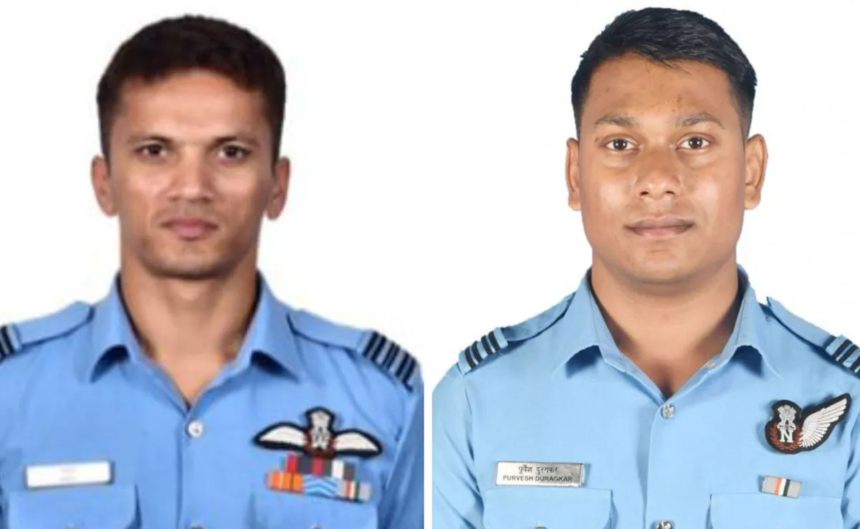
A tragic incident involving the Indian Air Force (IAF) has once again highlighted the risks faced by fighter pilots during training and operational missions. Two pilots lost their lives after a Sukhoi Su-30 fighter jet crashed in the northeastern state of Assam. The accident has sent shockwaves through the defense community and prompted an immediate investigation into what led to the devastating crash.
The Sukhoi Su-30 is one of the most advanced fighter aircraft in the Indian Air Force’s fleet and plays a crucial role in maintaining the country’s air defense capabilities. The loss of both pilots has been described as a deeply unfortunate event, and the Indian Air Force has expressed condolences to the families of the officers who died in the crash.
Below is a detailed look at the incident, the aircraft involved, the circumstances surrounding the crash, and the broader implications for aviation safety.
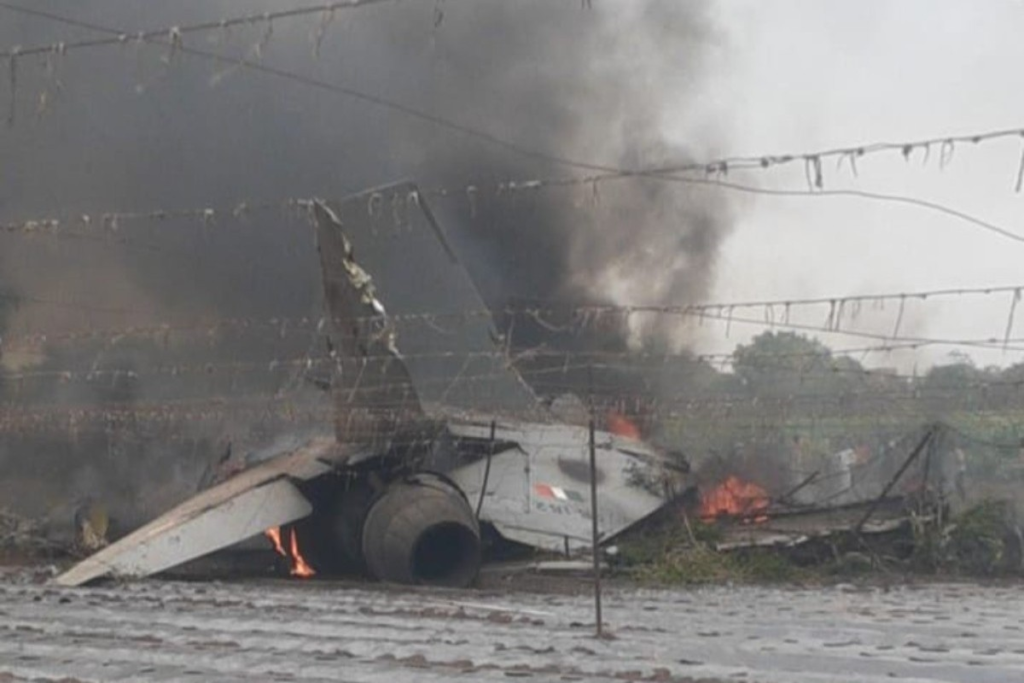
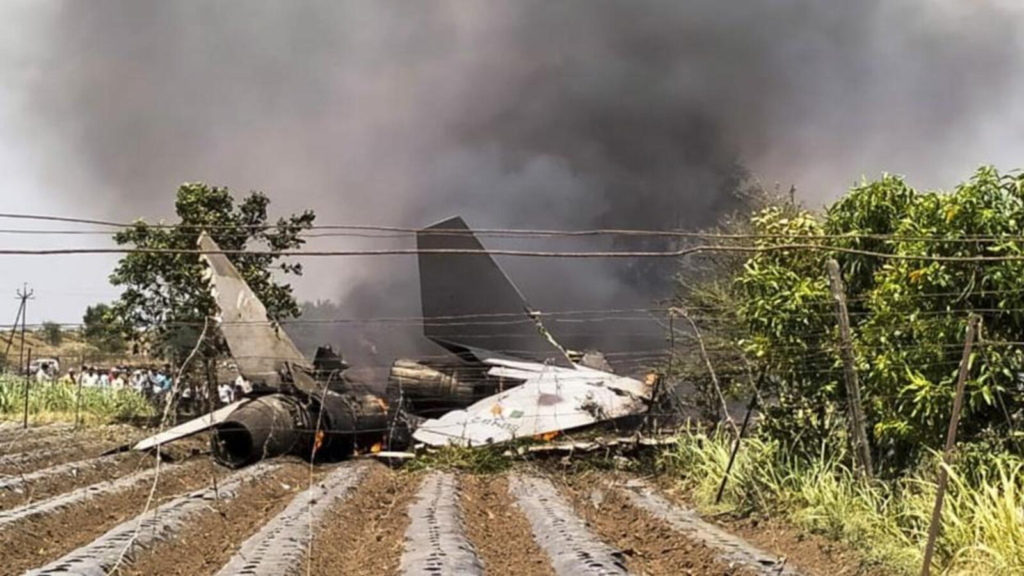
The accident occurred in Assam during what officials described as a routine mission. The Sukhoi Su-30 fighter jet reportedly lost control before crashing, resulting in the deaths of both pilots on board. Initial reports indicate that the aircraft went down in a remote area, triggering a rapid response from local authorities, rescue teams, and the Indian Air Force.
Residents in nearby villages reported hearing a loud explosion followed by smoke rising from the crash site. Emergency teams were immediately dispatched to the location to assess the situation and begin recovery operations.
The impact of the crash caused significant damage to the aircraft, making rescue operations challenging. Despite quick efforts by responders, both pilots were confirmed dead.
Soon after the incident, officials from the Indian Air Force reached the crash site to begin preliminary investigations and coordinate recovery efforts. Security forces also cordoned off the area to ensure that evidence from the crash could be preserved.
Local authorities worked closely with the Air Force to manage the situation and ensure that nearby residents remained safe. Fortunately, there were no reports of civilian casualties or damage to nearby homes.
The Air Force also began the process of notifying the families of the deceased pilots, offering support and assistance during this difficult time.
Following the tragic incident, the Indian Air Force ordered a Court of Inquiry to determine the exact cause of the crash. Such investigations are standard procedure after any military aviation accident.
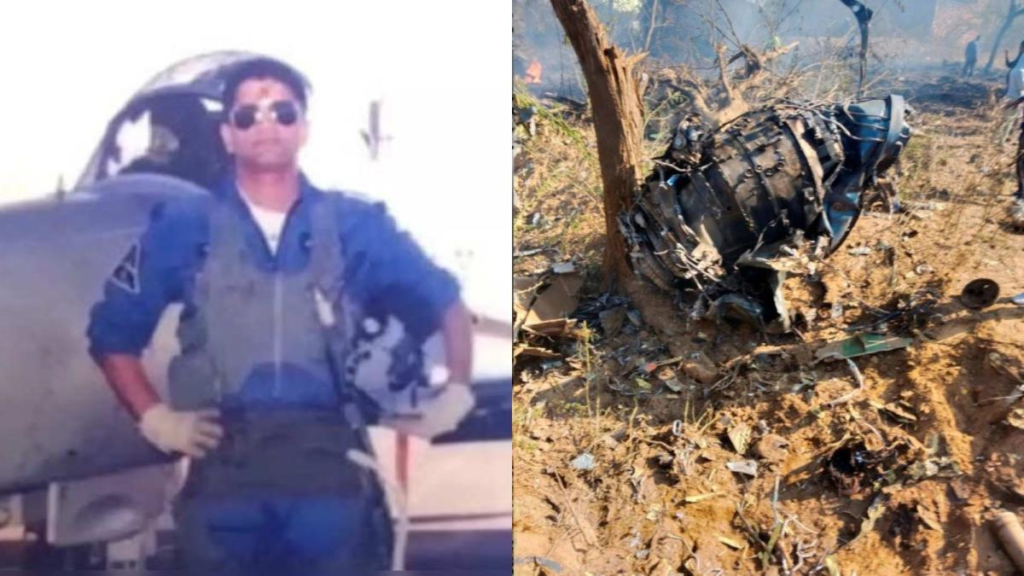
Experts will examine multiple factors that may have contributed to the crash, including:
- Possible technical malfunction in the aircraft
- Weather conditions at the time of the flight
- Operational or human factors
- Maintenance records of the aircraft
- Flight data and cockpit voice recordings
Investigators will analyze debris from the crash site and examine the aircraft’s flight data recorder to reconstruct the events leading up to the accident.
The findings of the inquiry will help determine whether mechanical issues, pilot error, or other factors were responsible for the crash.
The Sukhoi Su-30 is a twin-engine, multirole fighter aircraft that forms the backbone of the Indian Air Force’s combat fleet. Developed by Russia’s Sukhoi Design Bureau, the aircraft is known for its exceptional maneuverability, speed, and advanced weapon systems.
India operates a customized version known as the Su-30MKI, which is built under license by Hindustan Aeronautics Limited (HAL).
Key features of the aircraft include:
- Advanced radar systems
- Long-range strike capability
- High maneuverability and agility
- Ability to carry a wide range of missiles and weapons
- Two-seat cockpit configuration for pilot and weapon systems operator
The aircraft plays a critical role in India’s air defense strategy and has been involved in numerous training exercises and operational missions.
Fighter pilots operate in extremely demanding conditions and undergo rigorous training to handle high-performance aircraft. Despite strict safety protocols and advanced technology, aviation accidents can still occur due to a variety of factors.
Military aircraft often fly at high speeds and perform complex maneuvers, which increases the risk associated with training exercises and operational flights.
The Indian Air Force places significant emphasis on safety and regularly updates its procedures to minimize risks. Every accident is carefully investigated to ensure lessons are learned and future incidents can be prevented.
Although military aviation has become increasingly safe over the years, accidents involving fighter jets occasionally occur worldwide.
In India, the Air Force has implemented several measures over the past decade to improve safety standards, including:
- Upgrading older aircraft
- Introducing advanced training systems
- Strengthening maintenance procedures
- Using simulators to train pilots in emergency scenarios
Each accident leads to detailed investigations that help improve aviation safety for future missions.
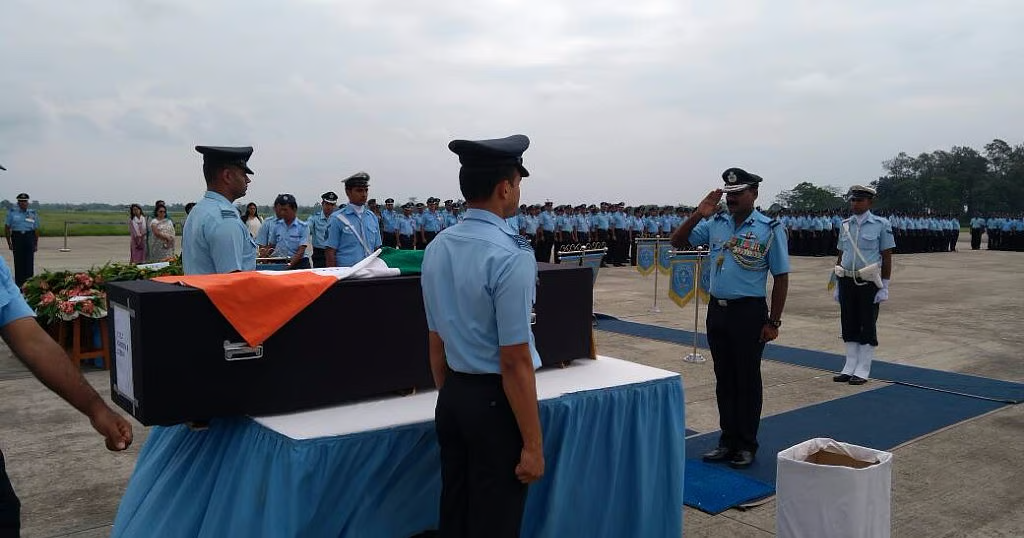
The deaths of the two Air Force pilots have sparked an outpouring of grief across the country. Defense officials, political leaders, and citizens have expressed their condolences to the families of the fallen officers.
Serving in the armed forces requires immense courage and dedication, and the sacrifice of military personnel is widely recognized and respected.
Tributes have been pouring in on social media, with many praising the bravery and service of the pilots who lost their lives while serving the nation.
The Indian Air Force has assured full support to the families of the deceased officers. Military authorities typically provide financial assistance, pensions, and other support to families affected by such tragedies.
The armed forces also offer counseling and long-term support to help families cope with the loss of their loved ones.
Incidents like this highlight the importance of continuous improvements in aviation safety and aircraft maintenance. Modern fighter jets are equipped with sophisticated systems designed to prevent accidents, but the complexity of military aviation means that risks cannot be completely eliminated.
The results of the investigation into the Sukhoi Su-30 crash will likely lead to recommendations aimed at improving operational safety and preventing similar incidents in the future.