20 Cops Detained Twice: AI Protest Fallout Sparks Chaos from Delhi to Himachal Pradesh After Indian Youth Congress Arrests
Fallout from the AI protest escalates as 20 Delhi police personnel are detained, released, and stopped again in Himachal Pradesh following arrests of Indian Youth Congress members, triggering nationwide political uproar
The fallout from the controversial AI protest has taken a dramatic turn, triggering a chain of detentions, releases, and fresh interventions across state lines. In a development that has sparked widespread political debate, 20 police personnel from Delhi found themselves at the center of an unusual law-and-order situation after being detained, freed, and then halted again in Himachal Pradesh. The sequence of events unfolded following the arrest of members of the Indian Youth Congress, escalating tensions between law enforcement agencies and political groups.
The incident has drawn national attention not only for its unusual nature but also for the broader questions it raises about inter-state policing, political protests, and the growing friction between authorities and youth-led movements.
The controversy began with a protest over the growing use of artificial intelligence and its alleged impact on employment, governance, and digital surveillance. Youth activists gathered to demand stricter regulation and transparency in AI adoption, particularly in public administration and security frameworks.
Members of the Indian Youth Congress played a prominent role in mobilizing protesters, leading demonstrations that quickly gained traction both offline and on social media. The protest initially began as a localized agitation but soon grew into a larger political flashpoint as leaders accused the government of ignoring concerns about technological displacement and data privacy.
Authorities, however, described the protest as unlawful, citing violations of public order regulations. This led to the detention and arrest of several Youth Congress members, setting the stage for the dramatic chain of events that followed.
The arrest of Youth Congress members triggered sharp reactions from opposition leaders, who alleged that the action was politically motivated. Leaders from the broader opposition ecosystem, including voices associated with the Indian National Congress, accused authorities of suppressing democratic dissent under the pretext of maintaining law and order.
Party leaders claimed the arrests were an attempt to silence youth voices raising legitimate concerns about emerging technologies and governance transparency. The issue quickly snowballed into a larger political narrative, with opposition parties framing it as a struggle between citizen rights and state power.
Meanwhile, law enforcement agencies maintained that the arrests were carried out strictly within the legal framework, emphasizing that public safety concerns necessitated swift action.
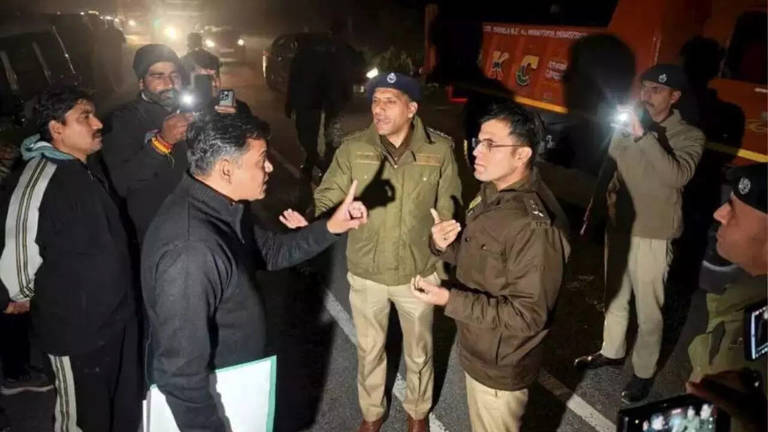
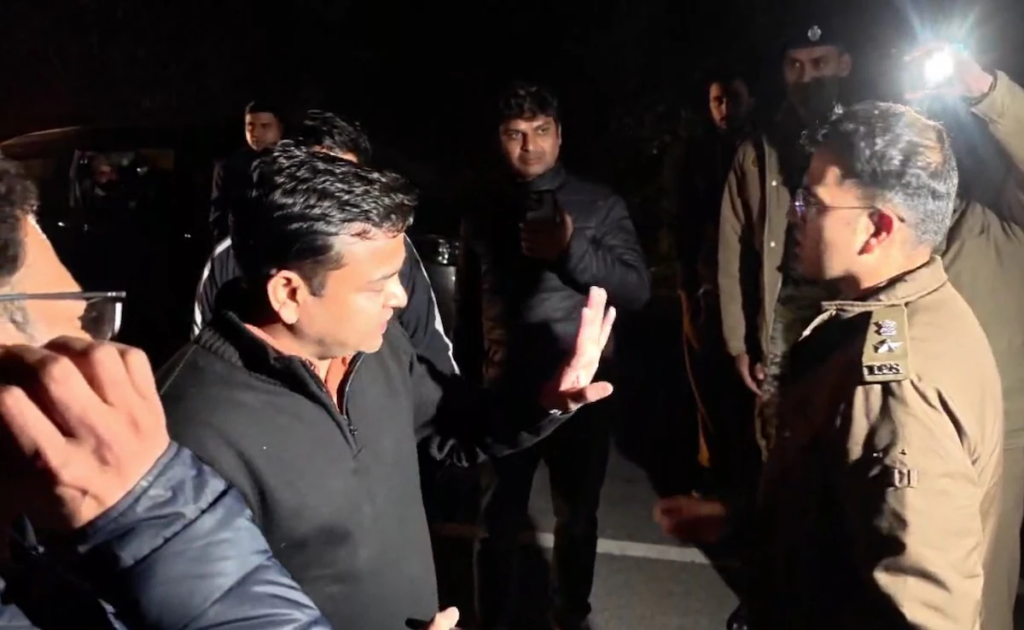
The situation took an unexpected turn when 20 police personnel from Delhi, who were reportedly involved in transporting detained individuals or coordinating legal procedures, found themselves detained during their movement across state boundaries.
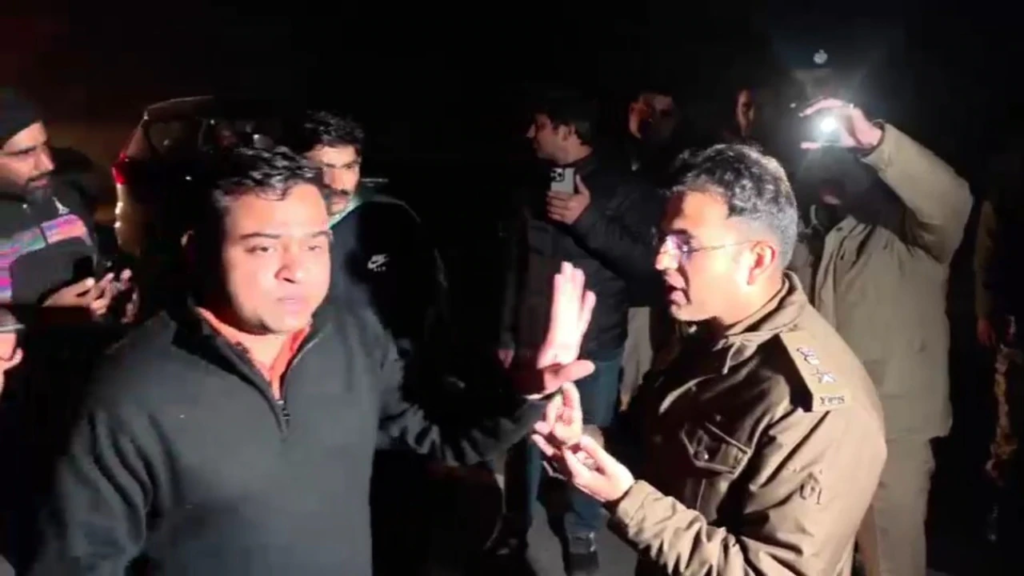
Reports suggest that the officers were intercepted while traveling through Himachal Pradesh. Local authorities allegedly questioned their movement, leading to their temporary detention. While details remain contested, some reports indicate that procedural disagreements between state authorities contributed to the confusion.
The detention of police personnel themselves added a dramatic twist to an already volatile situation, sparking intense debate over jurisdictional protocols and coordination between states.
In a rapid turn of events, the detained officers were later released after initial verification and administrative consultations. However, the situation did not end there.
Soon after being freed, the same group reportedly faced another halt during their onward journey, reigniting controversy and confusion. The sequence of detention, release, and renewed stoppage has been widely described as unprecedented, highlighting gaps in communication and coordination between different law enforcement bodies.
Observers noted that such incidents are rare and often point to deeper systemic issues, including unclear procedural guidelines and the politicization of law enforcement actions.
The unfolding drama has brought renewed attention to the complexities of inter-state policing in India. While law enforcement agencies frequently collaborate across state lines, such coordination typically relies on clear protocols and prior communication.
Experts argue that the incident underscores the need for more robust frameworks governing inter-state operations, especially in politically sensitive cases. Miscommunication or procedural lapses can easily escalate into larger controversies, as seen in this instance.
Legal experts have also pointed out that detaining police personnel from another jurisdiction is a sensitive matter that requires careful handling, as it can strain institutional trust and create administrative tensions.
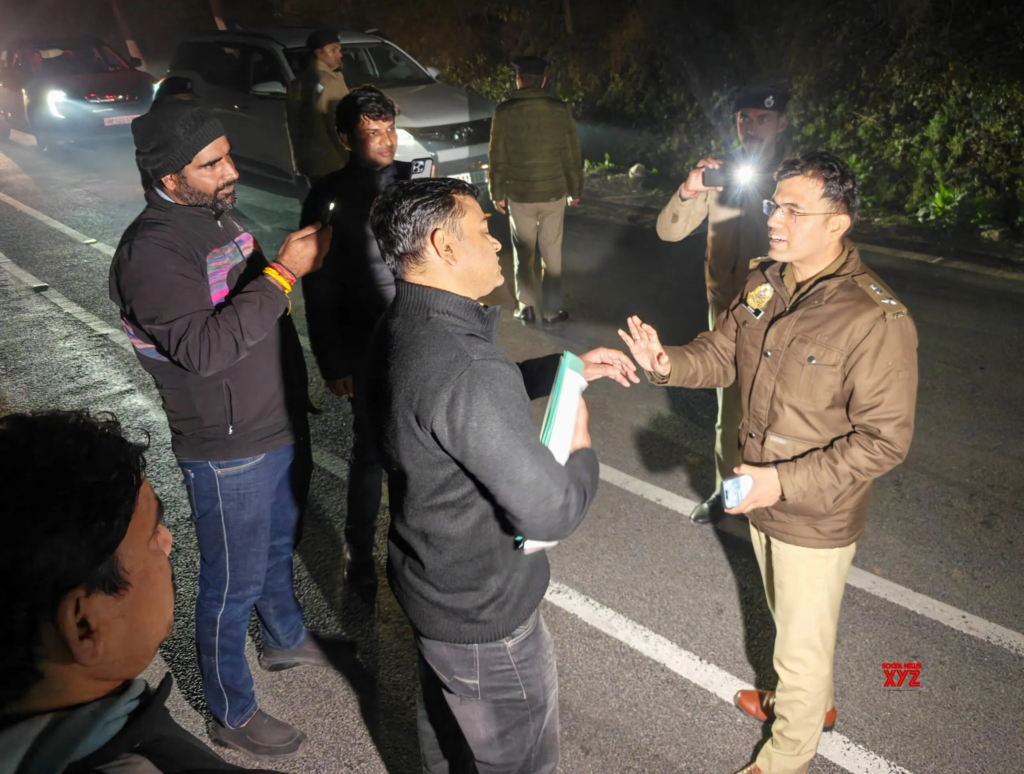
The political response to the episode has been swift and sharply divided. Opposition leaders have called the incident a reflection of administrative chaos, arguing that it exposes serious governance failures.
Youth Congress leaders have alleged harassment and intimidation, claiming the events demonstrate how authorities are mishandling dissent and creating unnecessary confrontation. They have demanded an independent inquiry into both the arrests and the subsequent treatment of police personnel.
On the other hand, ruling party voices have accused opposition groups of exaggerating the issue for political mileage. Some leaders argued that law enforcement agencies must be allowed to function independently without political pressure.
Beyond the immediate controversy, the episode reflects a broader trend: the rising role of youth-led protests centered on technology and governance. Artificial intelligence, once seen as a distant policy topic, is increasingly becoming a grassroots issue.
Concerns about job automation, digital surveillance, and algorithmic bias have begun resonating with young citizens, especially students and early-career professionals. Political youth wings have seized this momentum, turning technological debates into street-level mobilization.
The involvement of organized youth groups in such protests indicates that technology policy is no longer confined to experts and policymakers but is becoming a key arena of political engagement.
The dramatic nature of the incident ensured that it quickly went viral across social media platforms. Hashtags related to the protest, arrests, and detention of police personnel began trending, with users expressing a mix of outrage, humor, and concern.
Videos and unverified accounts of the incident circulated widely, adding layers of confusion to an already complex situation. Analysts noted that social media amplification often accelerates political polarization, making it harder to establish a clear narrative.
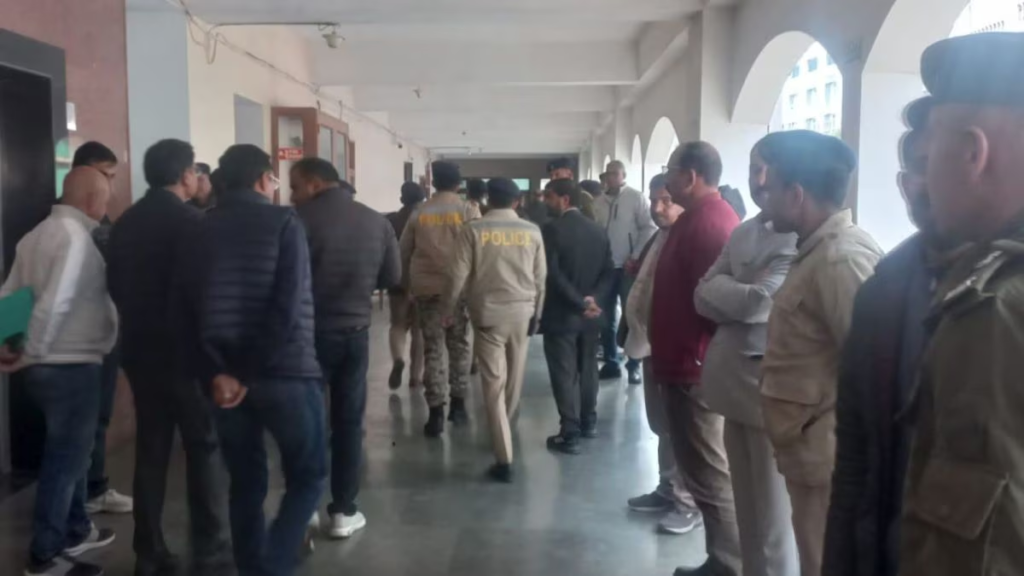
This digital dimension has further complicated the issue, as public perception is increasingly shaped by fragmented information rather than verified reports.
The incident is likely to have legal ramifications, especially if formal complaints or inquiries are pursued. Questions surrounding jurisdiction, procedural compliance, and the legality of detentions could come under judicial scrutiny.
Legal experts suggest that if the matter escalates, it could set precedents for how inter-state police interactions are handled in the future. It may also prompt calls for updated guidelines to prevent similar situations.
Administratively, the episode could trigger internal reviews within law enforcement agencies, focusing on coordination protocols and crisis management strategies.
At a deeper level, the episode raises broader questions about governance in an era defined by rapid technological change and heightened political polarization. The AI protest and its fallout highlight how emerging technologies are intersecting with democratic processes in unpredictable ways.
Governments worldwide are grappling with how to regulate AI while maintaining public trust. In India, where technology adoption is accelerating rapidly, balancing innovation with accountability is becoming a central governance challenge.
The controversy also underscores how quickly localized incidents can escalate into national debates when technology and politics collide.
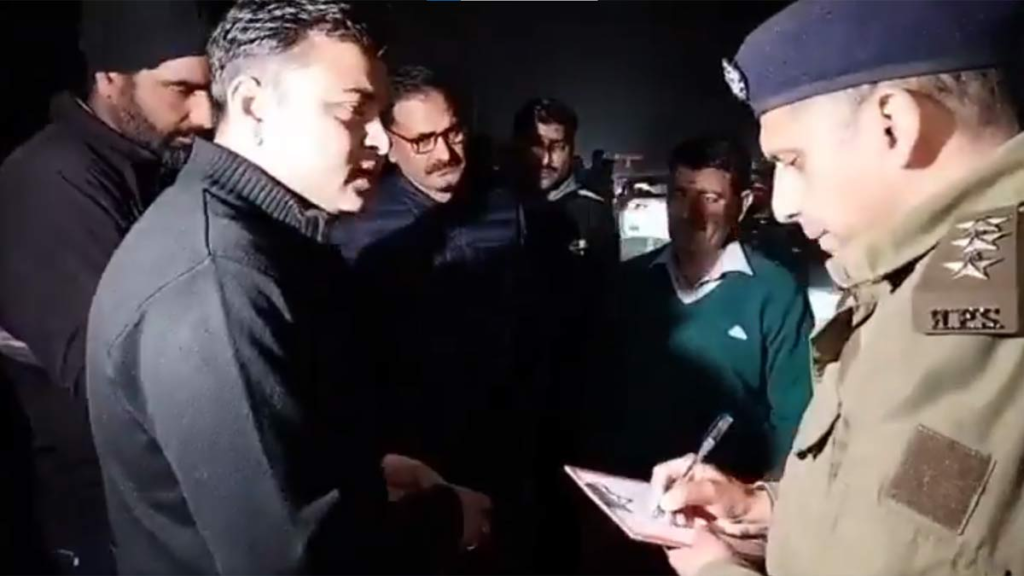
As the dust settles, the focus is likely to shift toward accountability and clarity. Political parties are expected to continue leveraging the issue, especially if it resonates with younger voters concerned about technology and civil liberties.
There may also be calls for parliamentary or judicial oversight, particularly if new details emerge. Civil society groups and digital rights activists could use the moment to push for broader discussions on AI regulation and policing reforms.
For law enforcement agencies, the incident serves as a reminder of the importance of coordination and transparency, especially in politically charged situations.
Read Also : 5 Big Signals: Narendra Modi Says India ‘Stands Firmly’ With Israel in Powerful Knesset Address