
3 SHOCKING Revelations in Mumbai’s Toxic Fruit Scandal: Vendors Caught Mixing Rat Poison in Malad — Viral Video Triggers Massive Outrage Across Mumbai
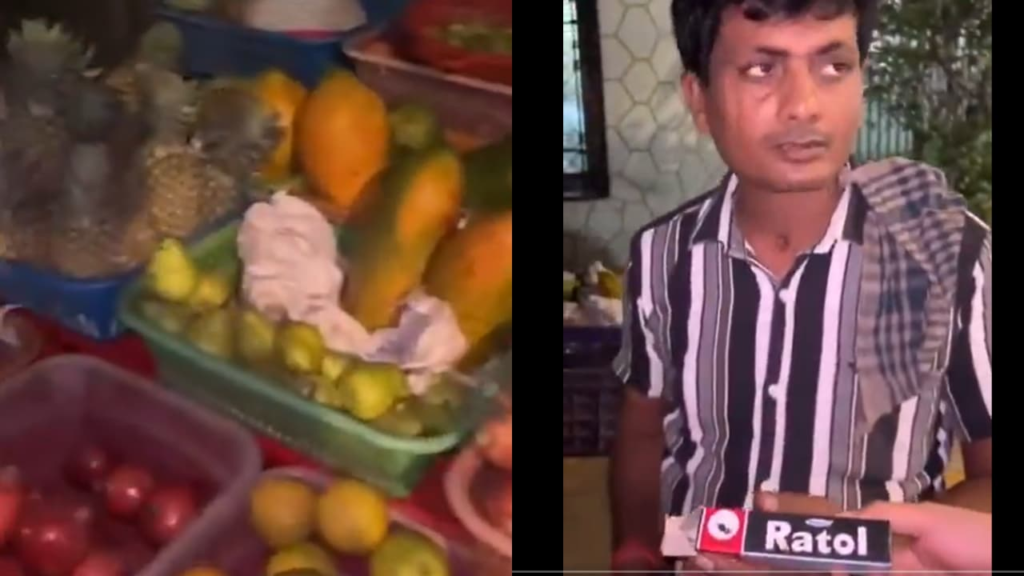
A shocking viral video from Malad shows vendors allegedly applying rat poison to fruits, triggering massive outrage across Mumbai and raising urgent food safety concerns
A shocking food safety controversy has erupted in Mumbai after a viral video allegedly showed street vendors applying rat poison to fruits in Malad. The disturbing visuals have triggered widespread outrage across the city, raising serious concerns about food hygiene, public health, and regulatory oversight. As the video continues to circulate online, authorities are under mounting pressure to investigate the matter and take swift action against those responsible.

The incident has not only shocked residents but also sparked broader debates about food safety standards in densely populated urban areas where informal vending remains a critical part of daily life.
The controversy began when a video surfaced on social media showing individuals reportedly mixing a suspicious substance into fruits before placing them for sale. The footage, believed to have been shot in Malad, quickly went viral, triggering alarm among citizens and prompting calls for immediate intervention.
Social media users reacted with shock and anger, with many expressing fear about the safety of commonly consumed fruits sold in local markets. The idea that toxic substances could be deliberately added to food has deeply unsettled consumers across Mumbai, where street-side fruit vendors are a routine sight.
The rapid spread of the video amplified public anxiety, leading to intense scrutiny of local food supply chains.
According to initial reports circulating online, the substance shown in the video was allegedly rat poison. If confirmed, the implications could be severe, as such chemicals are highly toxic and pose life-threatening risks if ingested.
Health experts warn that exposure to rodenticides can cause serious symptoms, including vomiting, internal bleeding, neurological damage, and even death in extreme cases. The possibility that such substances may have been introduced into consumable food has intensified public outrage.
However, authorities have urged caution, emphasizing the need for proper forensic verification before drawing definitive conclusions. Investigations are reportedly underway to determine the authenticity of the video and identify the exact substance involved.
The incident has triggered widespread fear among consumers, particularly families who rely on local markets for fresh produce. Many residents have expressed reluctance to purchase fruits from roadside vendors until clarity emerges.
Public health advocates say the episode highlights vulnerabilities in urban food ecosystems, especially in areas where informal vendors operate with limited regulatory oversight. In megacities like Mumbai, where millions depend on affordable street food, maintaining safety standards remains a persistent challenge.
Doctors have also advised citizens to thoroughly wash fruits and vegetables and remain vigilant about food hygiene practices, at least until the situation is clarified.
Following the viral outrage, local authorities reportedly initiated an inquiry into the incident. Officials are said to be examining the authenticity of the video and tracing the individuals involved.
Food safety departments and municipal agencies are expected to conduct inspections in the affected areas. If wrongdoing is confirmed, strict legal action may follow under food safety and public health laws.
The incident has also prompted calls for increased surveillance and stricter licensing requirements for vendors. Activists argue that stronger enforcement mechanisms are necessary to prevent such incidents and restore public trust.
While the allegations have triggered anger, they have also raised concerns about the potential fallout for honest street vendors. Many small-scale fruit sellers depend on daily sales for survival and fear being unfairly stigmatized due to the actions of a few individuals.
Several vendors have expressed frustration, saying that viral misinformation can devastate livelihoods. Some have urged authorities to complete investigations swiftly to separate facts from speculation.
The episode highlights the delicate balance between ensuring food safety and protecting the livelihoods of thousands of informal workers who form the backbone of Mumbai’s street economy.
The role of social media in amplifying the controversy cannot be overstated. Within hours of the video surfacing, hashtags related to the incident began trending, with users demanding accountability and stricter food safety regulations.
The digital reaction has been marked by a mix of anger, fear, and calls for boycotts of roadside vendors. However, experts caution that viral content can sometimes be misleading, underscoring the importance of verifying facts before forming conclusions.
The speed at which such incidents gain traction online reflects the growing influence of digital platforms in shaping public perception and policy responses.
The controversy has reignited discussions around food safety enforcement in urban India. While regulatory frameworks exist, implementation often faces challenges due to resource constraints and the sheer scale of informal markets.
Food safety experts argue that regular inspections, awareness campaigns, and vendor training programs are essential to prevent such incidents. Strengthening laboratory testing capabilities and rapid response mechanisms could also play a critical role.

The incident may push authorities to review existing policies and introduce stricter compliance measures for food vendors.
Civil society groups and consumer rights activists have called for stronger civic engagement in addressing food safety concerns. Many believe that public awareness campaigns can empower consumers to make informed choices and report suspicious activities.
There have also been demands for hotlines or digital platforms where citizens can quickly flag food safety violations. Such mechanisms could enable faster responses from authorities and prevent isolated incidents from escalating into larger crises.
Community participation is increasingly being seen as a crucial element in ensuring safer food environments in large cities.
Beyond physical health risks, the psychological impact of the incident has been significant. The thought that everyday food items could be contaminated has eroded consumer confidence and created a sense of unease.
Experts note that such incidents can have long-term effects on public trust, especially if not addressed transparently. Rebuilding confidence will require clear communication from authorities and visible enforcement actions.
Public reassurance will be critical in preventing panic and restoring normalcy in local markets.
If investigations confirm the use of toxic substances, the legal consequences could be severe. Indian food safety laws prescribe strict penalties for adulteration and acts that endanger public health.
Offenders could face criminal charges, heavy fines, and imprisonment. Authorities may also pursue additional charges if deliberate intent to cause harm is established.
Legal experts suggest that making an example of offenders could serve as a strong deterrent against future violations.
The Malad incident has sparked a broader conversation about urban food systems and the need for comprehensive reforms. As cities expand and populations grow, ensuring safe and reliable food supply chains becomes increasingly complex.

Experts advocate for a multi-pronged approach involving stricter regulation, technological monitoring, and community engagement. Digital tracking of food sources and vendor registration systems could enhance transparency.
Urban planners and policymakers may need to rethink how informal food economies are integrated into regulatory frameworks.
As investigations continue, the focus will remain on verifying the authenticity of the video and identifying those involved. Authorities are expected to release official findings once laboratory tests and field inquiries are completed.
In the meantime, citizens are being urged to remain calm and avoid spreading unverified information. Responsible reporting and transparent communication will be key in managing the fallout from the incident.
If handled effectively, the episode could serve as a turning point in strengthening food safety enforcement across the city.