400+ Dead, 250 Injured: Shocking Pakistan Strike Destroys Afghanistan Hospital Treating Drug Users
Over 400 people killed and 250 injured after a devastating Pakistan strike on a hospital in Afghanistan treating drug users, sparking global outrage and rising tensions
A devastating strike has sent shockwaves across the region, leaving at least 400 people dead and over 250 injured after an alleged military attack by Pakistan targeted a hospital in Afghanistan. The facility, reportedly dedicated to treating drug users and providing rehabilitation services, has now become the center of one of the deadliest incidents in recent times, raising serious humanitarian, political, and security concerns.
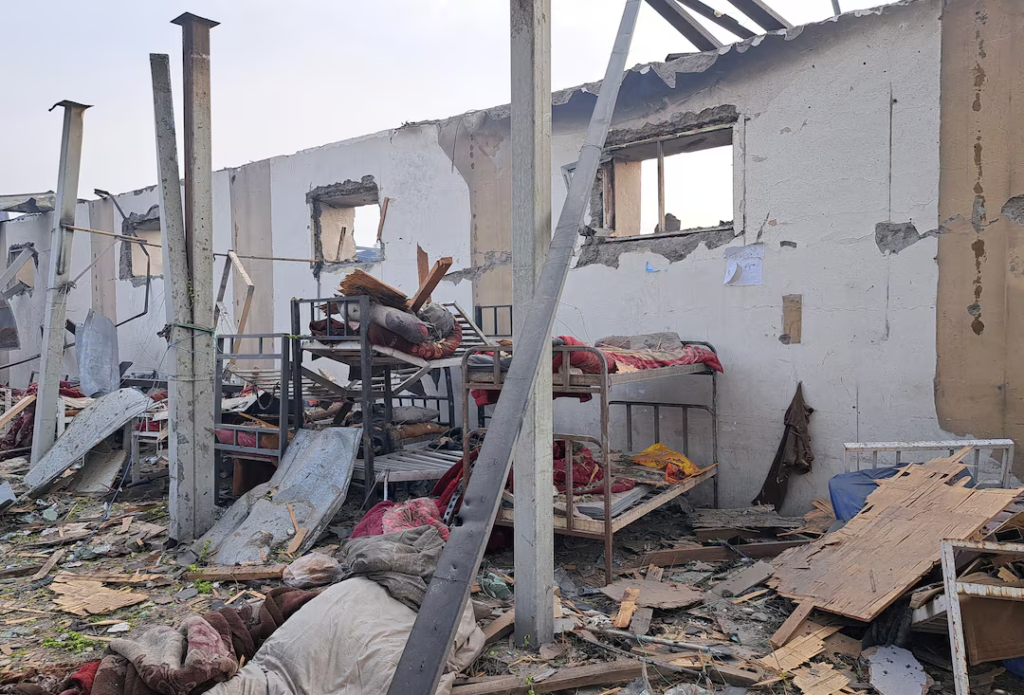
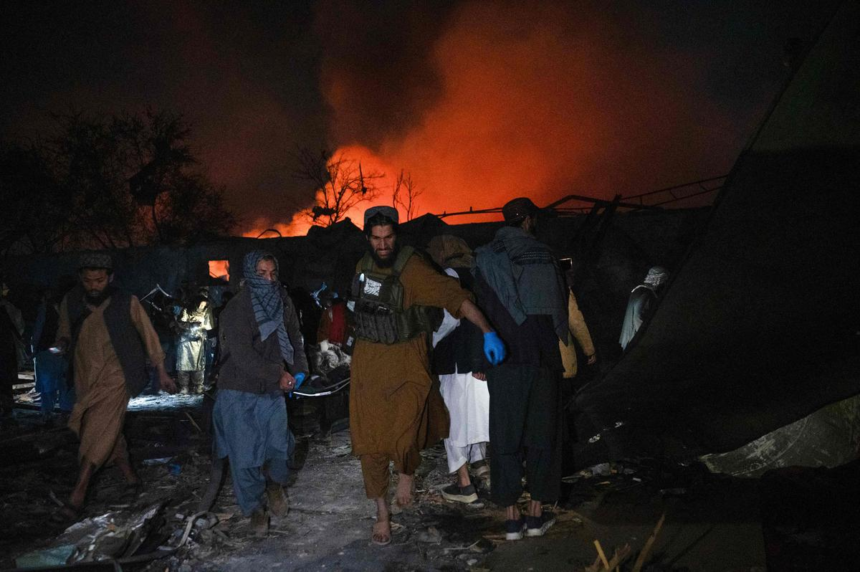
According to early reports, the attack occurred in a densely populated area where the hospital served as a critical lifeline for individuals struggling with addiction. Eyewitnesses described scenes of chaos and devastation as explosions ripped through the building, reducing large sections of the facility to rubble.
Medical workers, patients, and civilians were among the casualties, making the toll especially tragic. The hospital was not just a treatment center—it was a refuge for some of the most vulnerable members of society, many of whom had nowhere else to go.
Emergency responders rushed to the scene, but the scale of destruction made rescue operations extremely difficult. Survivors recounted harrowing experiences of being trapped under debris, hearing cries for help, and witnessing the loss of loved ones in a matter of seconds.
The fact that the strike hit a hospital treating drug users has intensified international concern. Medical facilities are generally protected under international humanitarian law, and attacks on such sites are widely condemned as potential war crimes.
Experts point out that facilities catering to addiction treatment play a crucial role in stabilizing communities, especially in countries like Afghanistan where drug dependency remains a widespread issue. The destruction of such a center not only results in immediate loss of life but also disrupts long-term rehabilitation efforts.
The targeting of a civilian healthcare facility raises critical questions:
- Was the strike based on faulty intelligence?
- Was the hospital mistakenly identified as a military site?
- Or was it an intentional act amid rising tensions?
These questions are now at the forefront of global discussions.
The aftermath of the attack has created a dire humanitarian situation. Hospitals in the surrounding region are overwhelmed with injured victims, many suffering from severe burns, fractures, and trauma-related conditions.
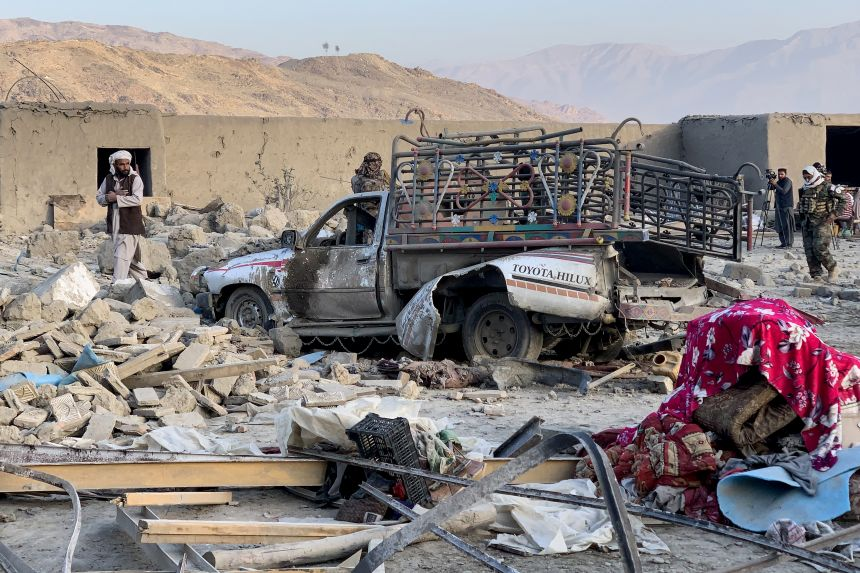
With limited medical supplies and infrastructure already strained, the sudden influx of casualties has pushed the healthcare system to the brink. Aid organizations have warned that without immediate international assistance, the death toll could rise even further.
Families are desperately searching for missing relatives, while many have been forced to conduct mass burials due to the sheer number of casualties. The emotional and psychological impact of the tragedy is expected to linger for years.
The incident threatens to significantly escalate tensions between Pakistan and Afghanistan, two neighboring countries with a long history of complex relations. Border disputes, security concerns, and militant activity have often strained ties between the two nations.
Following the strike, officials in Afghanistan have reportedly condemned the attack in strong terms, calling it a violation of sovereignty and an act of aggression. On the other hand, responses from Pakistan have been closely watched, with authorities either denying involvement or justifying actions based on security threats.
Political analysts warn that such incidents could lead to:
- Increased military posturing along the border
- Diplomatic breakdowns
- Heightened risk of further conflict
The situation remains highly volatile, with both sides under pressure to respond.
The international community has reacted swiftly to the tragedy. Several countries and global organizations have called for an immediate investigation into the incident, emphasizing the need to uphold international humanitarian laws.
Human rights groups have strongly condemned the attack, urging accountability and transparency. They stress that targeting medical facilities is unacceptable under any circumstances and must be addressed with urgency.
Calls for restraint have also been issued, with global leaders urging both Pakistan and Afghanistan to avoid further escalation and prioritize diplomatic solutions.
Afghanistan has long struggled with drug-related challenges, particularly linked to the production and use of opiates. Rehabilitation centers play a vital role in addressing this crisis, offering treatment and support to individuals trying to rebuild their lives.
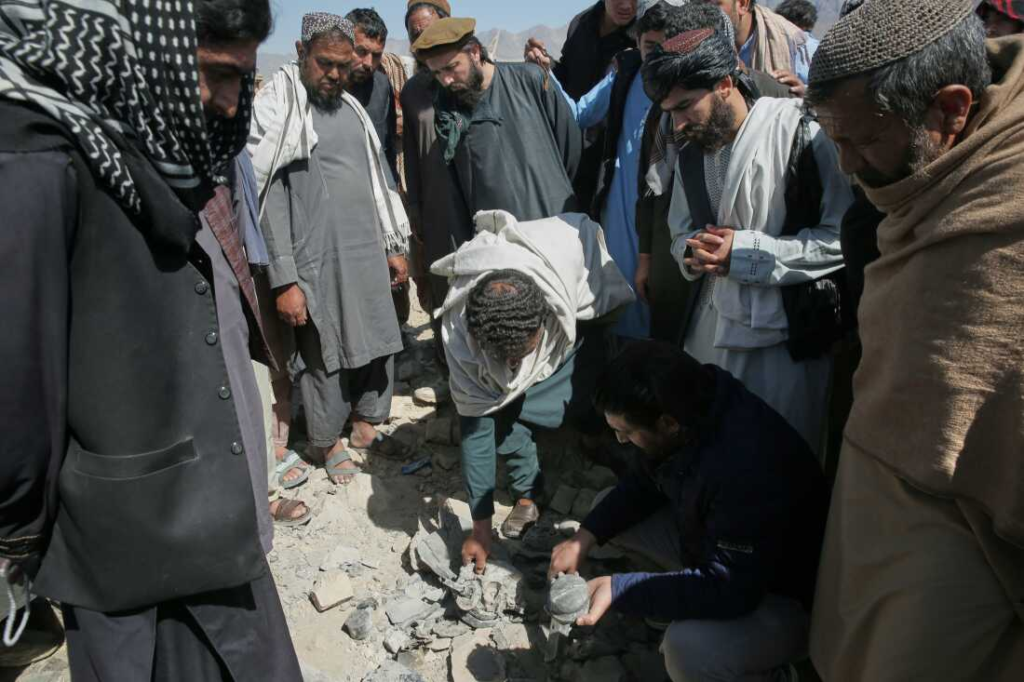
The destroyed hospital was reportedly one of the few facilities dedicated to this cause, making its loss even more significant. Experts fear that the attack could reverse years of progress in combating addiction and rehabilitation efforts.
Without access to treatment centers, many recovering individuals may relapse, further exacerbating the already critical situation.
Survivors and witnesses have shared heartbreaking accounts of the tragedy. One local resident described the moment of impact as “a thunderous explosion followed by complete darkness and panic.” Another survivor spoke about losing multiple family members who were undergoing treatment at the facility.
Healthcare workers who managed to escape have expressed deep anguish over the loss of patients they had been caring for. Many described the hospital as more than just a workplace—it was a community built on hope and recovery.
As the dust settles, the focus is now shifting toward accountability. International bodies are expected to investigate the incident thoroughly, examining evidence, satellite imagery, and eyewitness testimonies to determine the cause and responsibility.
Legal experts suggest that if the attack is proven to have deliberately targeted a civilian hospital, it could constitute a serious violation of international law.
There are growing demands for:
- Independent investigations
- Transparent reporting
- Justice for victims
The outcome of these efforts will likely have long-term implications for regional stability and international relations.
The road ahead remains uncertain. While immediate efforts are focused on rescue and relief, the broader implications of the attack cannot be ignored.
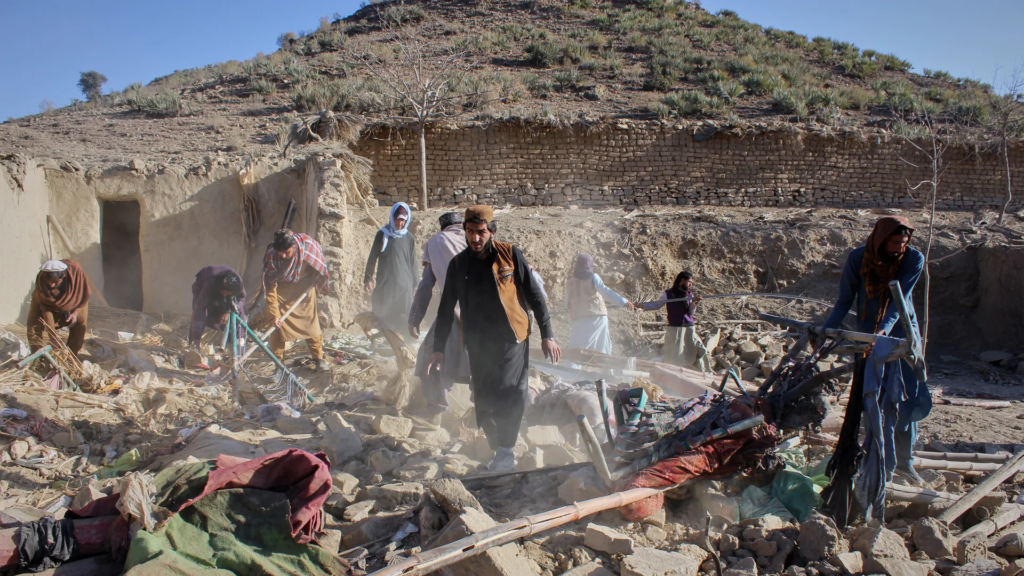
Rebuilding the destroyed hospital will take time and resources, but restoring trust and stability will be an even greater challenge. The incident has exposed vulnerabilities not just in security but also in humanitarian protections.
For now, the priority remains clear:
- Providing medical care to the injured
- Supporting affected families
- Preventing further escalation