5 Big Moves: Government Urges Restaurants to Use Coal, Households Shift to PNG as LPG Crisis Deepens
Amid a deepening India LPG crisis 2026, the Government of India urges restaurants to switch to coal and households to adopt Piped Natural Gas (PNG) as LPG shortages disrupt supply across several cities
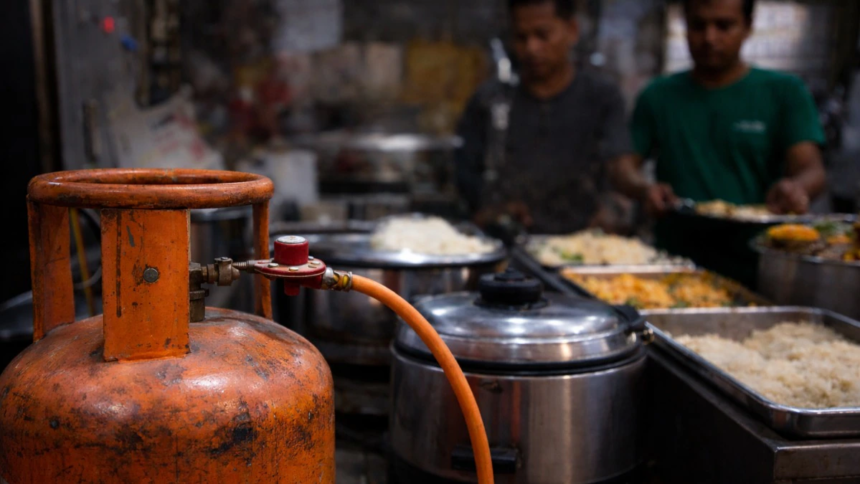
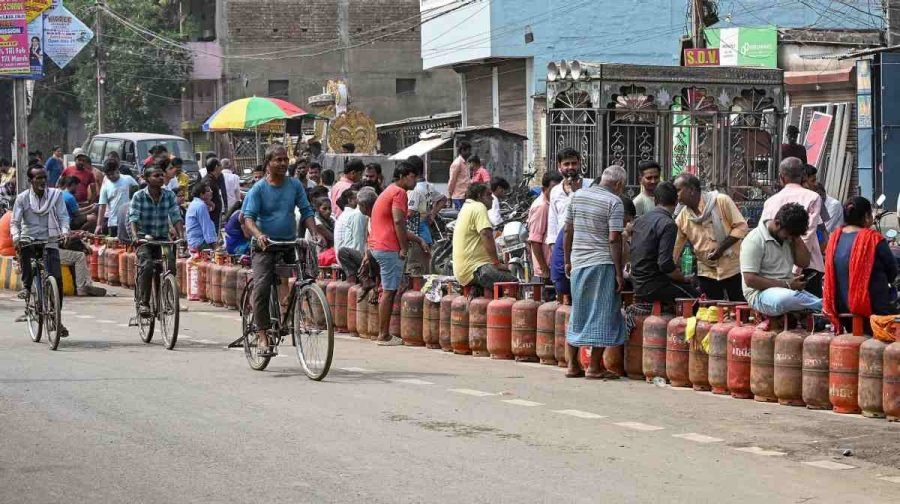
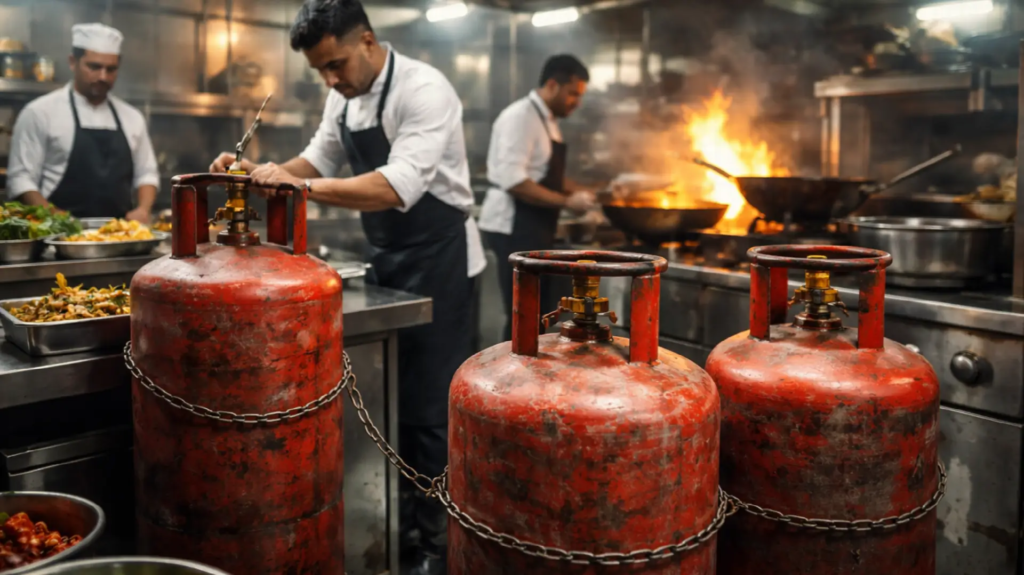
India is facing a growing fuel supply challenge as a deepening liquefied petroleum gas (LPG) shortage begins affecting households, restaurants, and businesses across several cities. In response, the Government of India has reportedly urged commercial establishments such as restaurants and hotels to temporarily shift to coal-based cooking systems, while encouraging households to adopt Piped Natural Gas (PNG) wherever available.
The move comes as the country struggles to manage disruptions in LPG supply chains amid global energy uncertainty and rising demand. LPG cylinders remain a primary cooking fuel for millions of Indian families, making any shortage a major concern for both policymakers and consumers.
Below is a detailed look at the causes of the crisis, the government’s strategy, and what it could mean for households, businesses, and India’s energy future.
The current LPG shortage has developed due to a combination of global and domestic factors. India imports a large portion of its LPG requirements, meaning global supply disruptions can quickly affect domestic availability.
Several factors have contributed to the crisis:
- Rising international energy prices due to geopolitical tensions
- Supply chain disruptions affecting shipping routes
- Increased demand during festival and seasonal cooking periods
- Pressure on energy logistics infrastructure
A large portion of India’s LPG imports travel through the Strait of Hormuz, one of the most important maritime routes for oil and gas shipments. Any tension or disruption in this region can delay shipments and tighten supply.
With India’s growing population and expanding urban middle class, LPG consumption has surged significantly over the past decade.
To manage the shortage and ensure that essential household consumption continues, the government has suggested temporary fuel alternatives for commercial users.
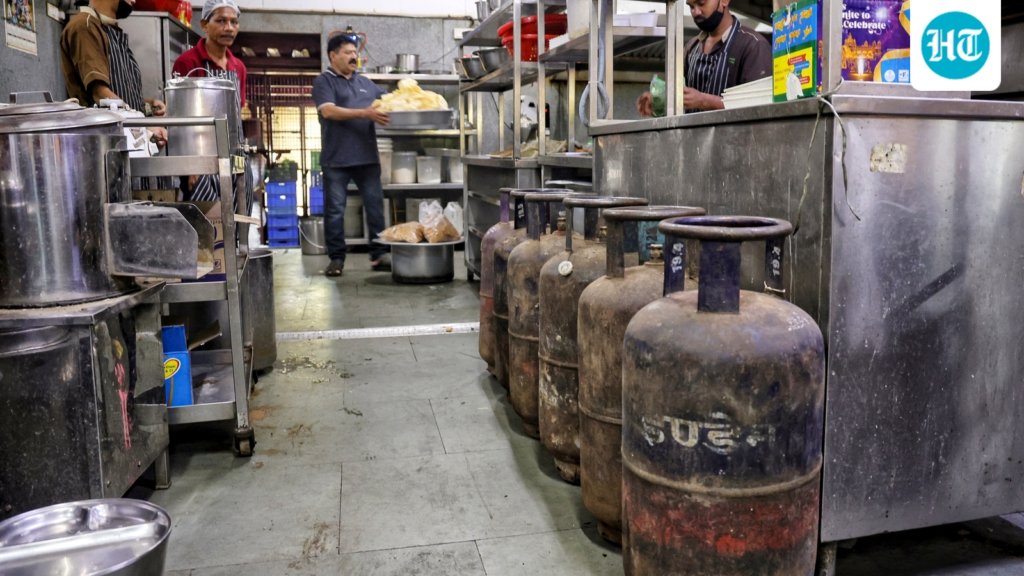
Restaurants and hotels, which consume LPG in large quantities every day, have been asked to consider switching to coal-based cooking systems for the time being. This step is aimed at freeing up LPG supplies for domestic households.
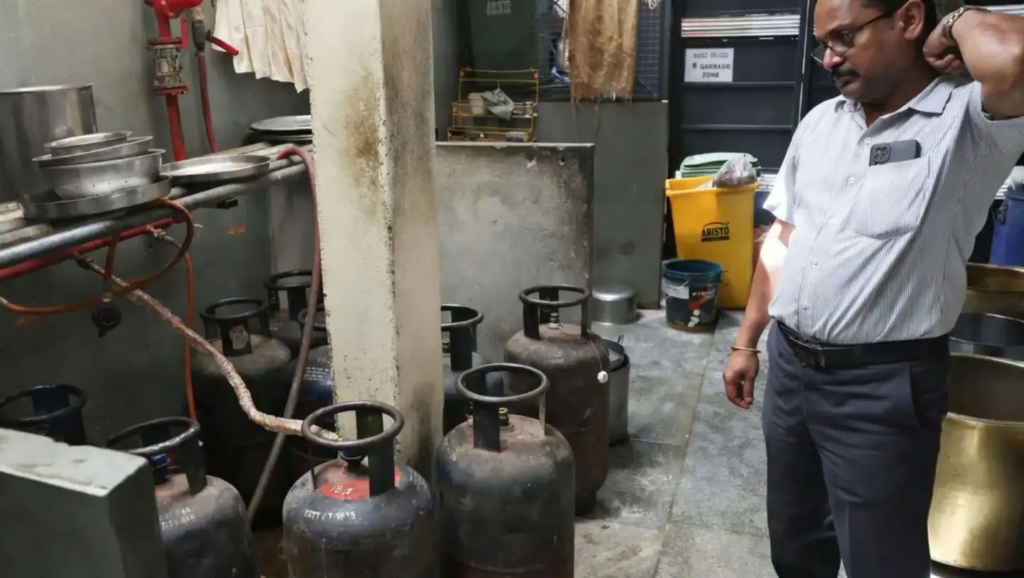
At the same time, households located in cities with natural gas infrastructure are being encouraged to shift toward piped natural gas connections.
PNG is considered a stable alternative because:
- It is delivered directly through pipelines
- It eliminates the need for cylinder refills
- Supply disruptions are relatively less frequent
Cities such as Mumbai, Delhi, Ahmedabad, and Pune already have extensive PNG networks, making the transition easier in urban areas.
The government’s suggestion that restaurants shift to coal has sparked debate across the hospitality sector. Restaurants rely heavily on LPG because it offers precise temperature control and quick cooking times.
Switching to coal may present several operational challenges:
- Installation of new cooking systems
- Higher smoke emissions
- Changes in food preparation techniques
- Potential health and safety concerns
However, some restaurants—especially traditional eateries and street food vendors—already use coal or charcoal for cooking certain dishes.
Food industry experts say the temporary switch could help reduce LPG demand if implemented carefully, but it will require regulatory flexibility and proper safety guidelines.
Piped Natural Gas has been gradually expanding across India as part of the government’s long-term plan to diversify energy sources and reduce dependence on imported fuels.
The government has invested heavily in expanding city gas distribution networks across the country. Under this program, dozens of cities are being connected to gas pipelines to supply households, vehicles, and industries.
PNG offers several advantages:
- Continuous fuel supply without cylinder replacements
- Lower storage risk compared to LPG cylinders
- Reduced logistical challenges for distributors
For households already connected to gas pipelines, the transition from LPG to PNG is relatively straightforward.
However, rural areas and smaller towns still depend heavily on LPG cylinders because pipeline infrastructure has not yet reached these regions.
While PNG can provide relief in urban centers, millions of households in rural India rely entirely on LPG cylinders for cooking.
Government programs like the Pradhan Mantri Ujjwala Yojana have significantly expanded LPG access among low-income families over the past decade.
These schemes have helped reduce reliance on traditional fuels such as firewood and dung cakes, which cause severe indoor air pollution.
However, any disruption in LPG supply risks pushing vulnerable households back toward these traditional fuels, which could have negative health and environmental consequences.
Ensuring stable LPG availability therefore remains a key priority for policymakers.
One of the biggest criticisms of the government’s recommendation for restaurants to switch to coal is its potential environmental impact.
Coal combustion releases more carbon emissions and particulate matter than LPG or natural gas. Environmental groups argue that increasing coal use—even temporarily—could worsen urban air pollution.
Cities like Delhi already struggle with severe air quality problems, particularly during winter months.
Experts suggest that if restaurants adopt coal-based cooking, authorities may need to implement strict emission controls and ventilation standards.
Balancing energy availability with environmental sustainability remains one of the most difficult challenges for policymakers.
The current LPG shortage highlights a broader challenge facing India: ensuring long-term energy security in a volatile global market.
As one of the world’s fastest-growing economies, India’s energy demand continues to rise rapidly.
To manage future risks, experts recommend several strategies:
- Diversifying fuel sources
- Expanding natural gas infrastructure
- Increasing domestic energy production
- Improving energy storage and logistics systems
- Promoting renewable energy adoption
By reducing dependence on a single fuel source, India can make its energy system more resilient to global disruptions.
Read Also : 5 Explosive Claims: Iran’s Abbas Araghchi Says US Is “Begging” India and Others to Buy Russian Oil