5 Explosive Claims: Iran’s Abbas Araghchi Says US Is “Begging” India and Others to Buy Russian Oil
Iran’s Foreign Minister Abbas Araghchi criticizes the United States, claiming Washington is now urging nations, including India, to buy Russia oil despite earlier sanctions pressure, sparking a fresh global energy debate
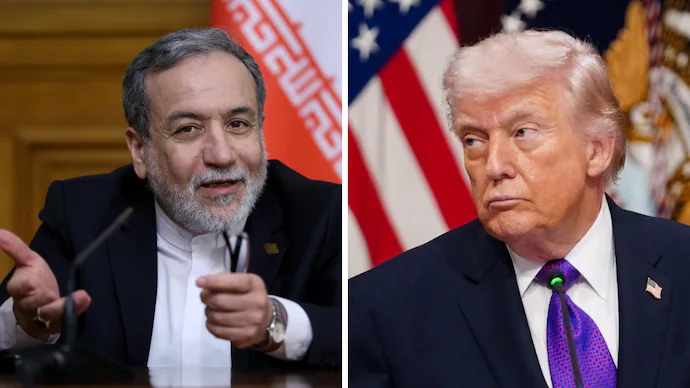
In a sharp escalation of rhetoric surrounding global energy politics, Abbas Araghchi, a senior Iranian diplomat and foreign minister, has accused the United States of hypocrisy over its stance on Russian energy exports. Araghchi claimed that Washington is now urging countries around the world—including India—to continue purchasing oil from Russia, despite earlier pressuring nations to avoid doing so following the outbreak of the Russia–Ukraine War.
His remarks have triggered fresh debate about the complex and often contradictory nature of global energy diplomacy. As geopolitical tensions intensify and oil markets remain volatile, the controversy highlights how energy security continues to shape international relations.
Below are the key developments and the broader implications of Araghchi’s remarks.
Speaking during a media interaction, Abbas Araghchi did not hold back in criticizing Washington’s evolving approach toward Russian oil. According to him, the United States initially mounted a global campaign urging countries to reduce or completely stop imports of Russian crude in response to the war in Ukraine.
However, Araghchi argued that the situation has changed dramatically.
He alleged that the United States is now quietly encouraging several nations—especially large energy importers—to continue buying Russian oil in order to prevent a major shock to global markets.
The Iranian foreign minister described the shift as a clear example of policy inconsistency, suggesting that economic realities are forcing the US to adopt a more pragmatic approach despite earlier political positions.
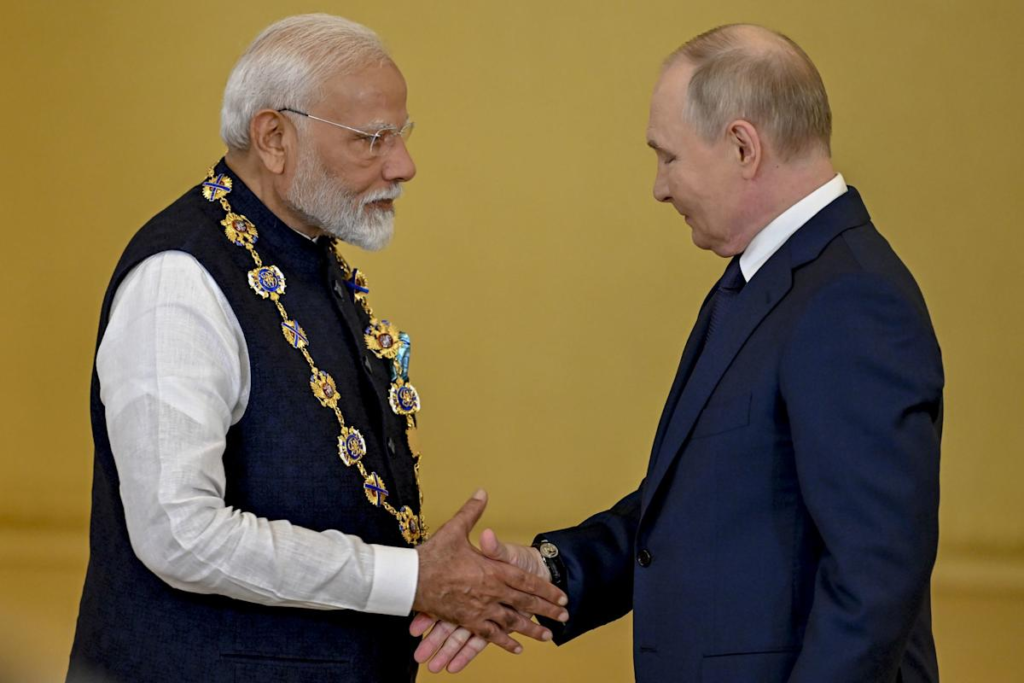
India has emerged as a central figure in the global oil debate. As the third-largest consumer of crude oil in the world, India imports a large portion of its energy needs.
Since the start of the Russia–Ukraine war, India has significantly increased its purchases of discounted Russian crude. This decision has been driven by economic considerations rather than geopolitical alignment.
For India, the logic is straightforward:
- The country imports over 80% of its crude oil requirements.
- Affordable energy is critical for maintaining economic growth.
- Lower-priced Russian oil helps stabilize domestic fuel prices.
While Western governments initially expressed concern about India’s growing imports of Russian crude, they have also acknowledged the practical challenges faced by large developing economies.
Araghchi’s remarks highlight this complex dynamic, suggesting that the United States may now recognize that completely removing Russian oil from global markets could create severe economic consequences.
The global oil market operates on a delicate balance between supply and demand. Any significant disruption—whether due to war, sanctions, or geopolitical conflict—can trigger sharp price increases.
When Western nations imposed sanctions on Russia following the invasion of Ukraine, many analysts warned that removing one of the world’s largest oil exporters from the market could cause a supply shock.
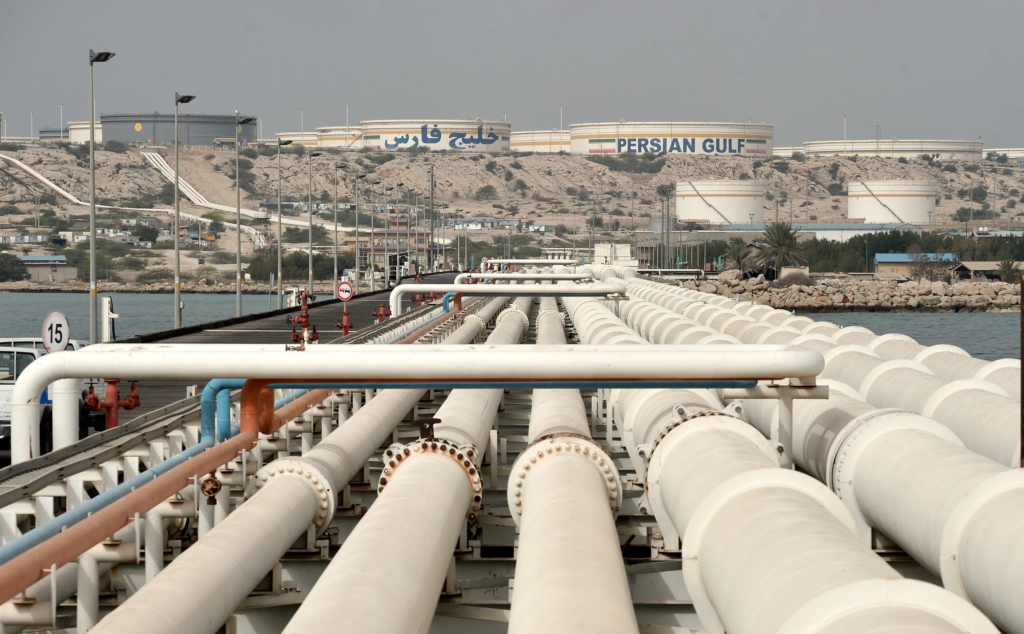
Russia is among the top three oil producers globally, alongside the United States and Saudi Arabia. Its crude exports play a critical role in keeping global supply levels stable.
If Russian oil were completely blocked from international markets, several consequences could occur:
- Oil prices could surge dramatically.
- Inflation could worsen across many economies.
- Developing countries would face higher energy costs.
- Supply shortages could disrupt transportation and industry.
Because of these risks, some governments have taken a more flexible approach, allowing Russian oil to continue flowing into global markets through alternative buyers.
Iran has long been at the center of global energy disputes due to sanctions imposed by the United States and its allies.
Despite possessing some of the world’s largest oil and gas reserves, Iran has faced restrictions that limit its ability to export energy freely.
From Tehran’s perspective, the criticism directed at Russian oil purchases appears inconsistent when compared with the restrictions placed on Iranian energy exports.
Iranian officials often argue that Western sanctions are politically motivated and selectively enforced. Araghchi’s remarks can therefore be interpreted as part of a broader diplomatic strategy aimed at highlighting what Iran views as unequal treatment in global energy politics.
Araghchi’s comments also reflect the broader transformation taking place in international alliances and economic partnerships.
In recent years, countries such as Russia, China, India, and several Middle Eastern states have increasingly pursued independent foreign policies rather than aligning fully with Western positions.
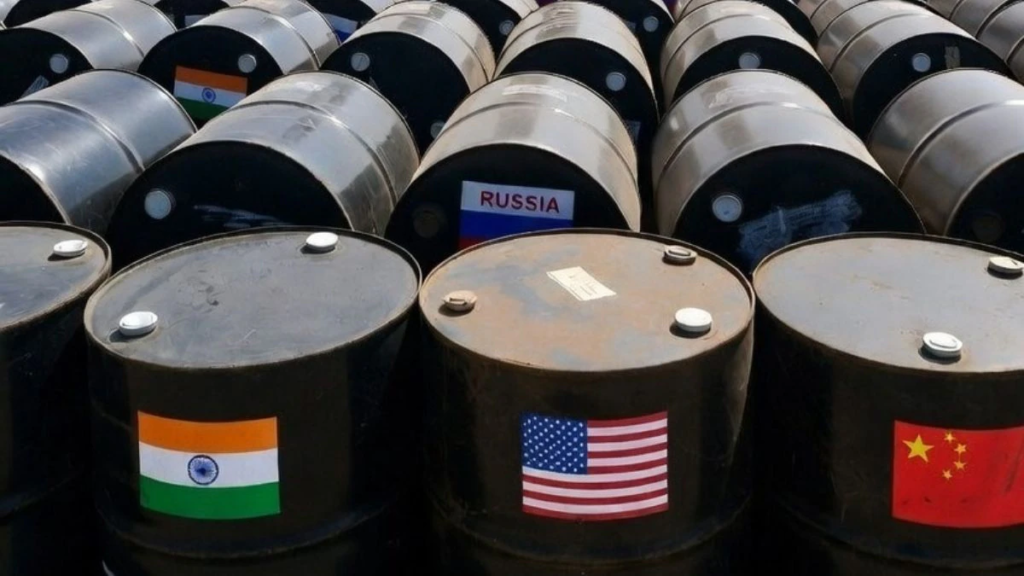
Energy trade has become a major factor in this shift.
For example:
- Asian economies are prioritizing affordable energy supplies.
- Middle Eastern producers are strengthening ties with emerging markets.
- Western nations are attempting to manage both sanctions and market stability.
Within this context, Iran’s criticism of the United States is part of a larger narrative about the evolving balance of power in global politics.
The dispute over Russian oil is not just a geopolitical issue—it directly affects ordinary people around the world.
Oil prices influence:
- Transportation costs
- Food prices
- Electricity generation
- Industrial production
When energy prices rise, the effects ripple across the entire economy.
For countries like India, maintaining access to affordable crude oil is essential to controlling inflation and supporting economic development.
This is one reason why New Delhi has continued purchasing Russian crude despite pressure from some Western governments.
Although Araghchi’s remarks were sharply critical, analysts say they are unlikely to trigger immediate diplomatic confrontation. Instead, they reflect the ongoing debate about how the international community should manage energy flows during times of geopolitical conflict.
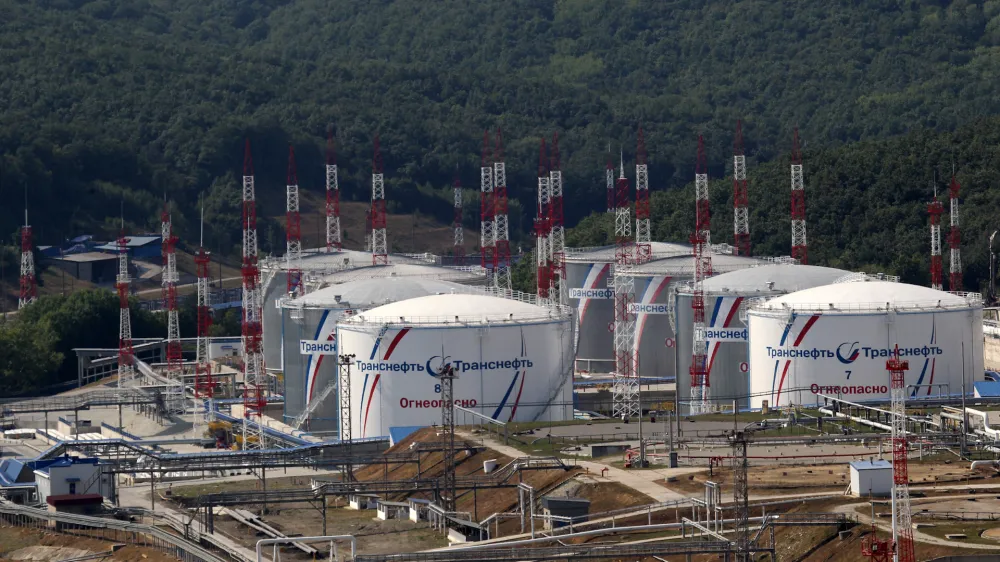
Several possible scenarios could unfold in the coming years:
- Global energy markets may gradually diversify away from traditional supply chains.
- Countries may increasingly trade oil outside Western financial systems.
- Energy diplomacy could become more complex as nations pursue strategic autonomy.
For India, balancing relationships with both Western powers and energy suppliers like Russia will remain a key aspect of foreign policy.
Read Also : 2 Indian-Flagged LPG Carriers Cleared by Iran to Cross Strait of Hormuz Amid Global Energy Crisis