50-Year Record Broken: 7 Shocking Facts About Delhi’s Hottest First Week of March at 35.7°C, Says IMD
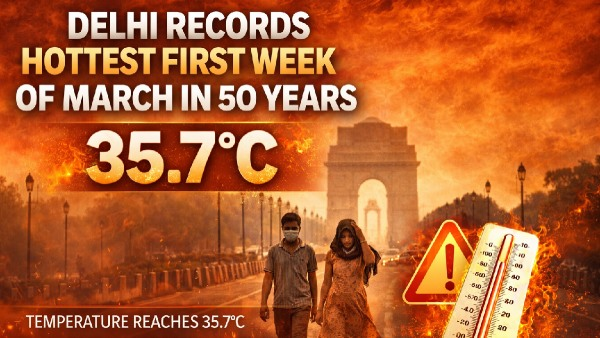
India Meteorological Department reports that Delhi recorded its hottest first week of March in 50 years, with temperatures soaring to 35.7°C
Residents of Delhi experienced an unusually intense start to March as temperatures soared to 35.7°C, making it the hottest first week of the month in nearly five decades. According to the India Meteorological Department (IMD), the national capital has rarely witnessed such high temperatures this early in the year, raising concerns about the possibility of an early and prolonged summer.

Meteorologists say the unexpected spike in temperature is linked to a combination of weather patterns, including clear skies, weak western disturbances, and changing climatic conditions. The development has sparked discussions about climate variability and the increasing frequency of extreme weather events in India’s major cities.
Below are seven key developments that explain why Delhi is experiencing such unusual heat and what it could mean in the coming weeks.
The biggest highlight of the current weather situation is the record-breaking heat during the first week of March. The India Meteorological Department reported that temperatures reached 35.7°C, which is the highest recorded temperature for this period in around 50 years.
Typically, the early days of March in Delhi are characterized by mild weather with daytime temperatures ranging between 28°C and 30°C. However, the sudden surge in temperatures this year has pushed the mercury far beyond seasonal norms.
Weather experts say such a dramatic rise indicates that the transition from winter to summer is happening more abruptly than usual.
One of the primary reasons behind the unusually high temperatures is the absence of strong Western Disturbance systems.
Western disturbances are weather patterns originating in the Mediterranean region that travel toward northern India. They typically bring cloud cover, rain, and cooler temperatures during late winter and early spring.
However, meteorologists from the India Meteorological Department noted that the region has seen fewer active disturbances in recent weeks. Without cloud cover or rainfall, sunlight has been able to heat the land surface more effectively, leading to higher daytime temperatures.
Another factor contributing to the heat surge is persistent clear skies across northern India. With minimal cloud cover, solar radiation reaches the Earth’s surface directly, causing rapid warming during the day.
Experts say that during the past several days, Delhi experienced extended hours of strong sunshine, allowing temperatures to rise quickly in the afternoon.
Urban areas tend to warm even faster because of the Urban Heat Island Effect, which occurs when buildings, roads, and concrete surfaces absorb and retain heat.
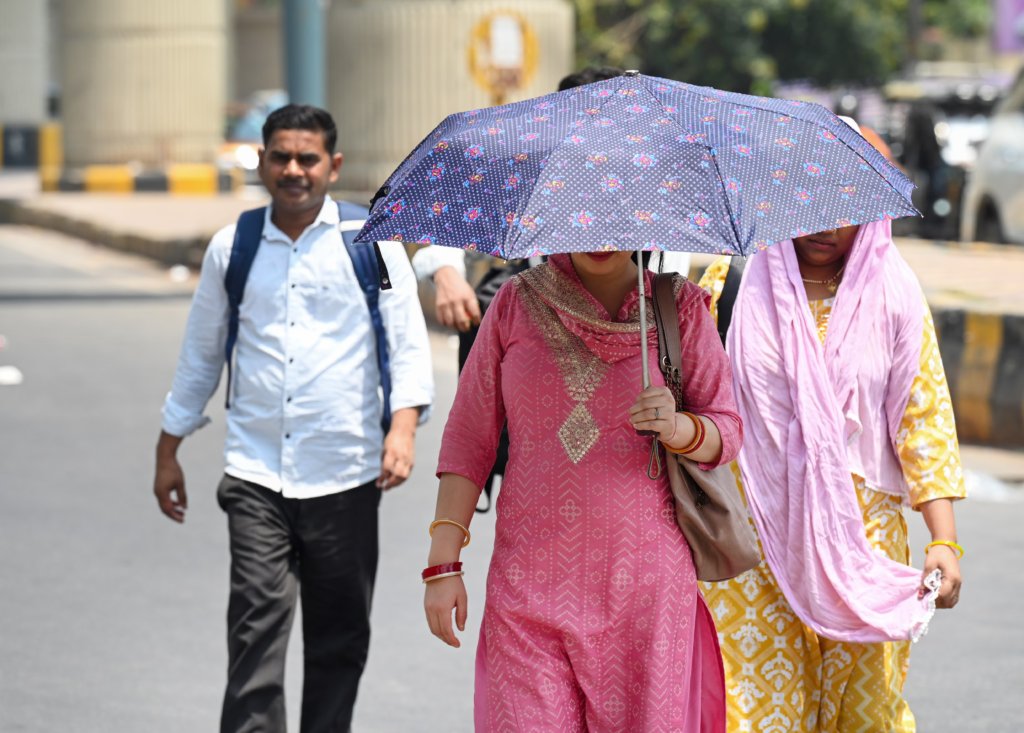
This effect makes metropolitan areas like Delhi more vulnerable to extreme heat events.
Meteorologists are also warning that the unusual temperature spike could be an early sign of a potential heatwave season ahead.
The India Meteorological Department has indicated that if the current weather pattern continues, temperatures could climb even higher in the coming weeks. Heatwave conditions are typically declared when the temperature exceeds certain thresholds for consecutive days.
While it is still early in the season, experts believe the recent temperature record may signal that northern India could experience an earlier-than-usual summer.
The sudden rise in temperature has already begun affecting everyday life in Delhi.
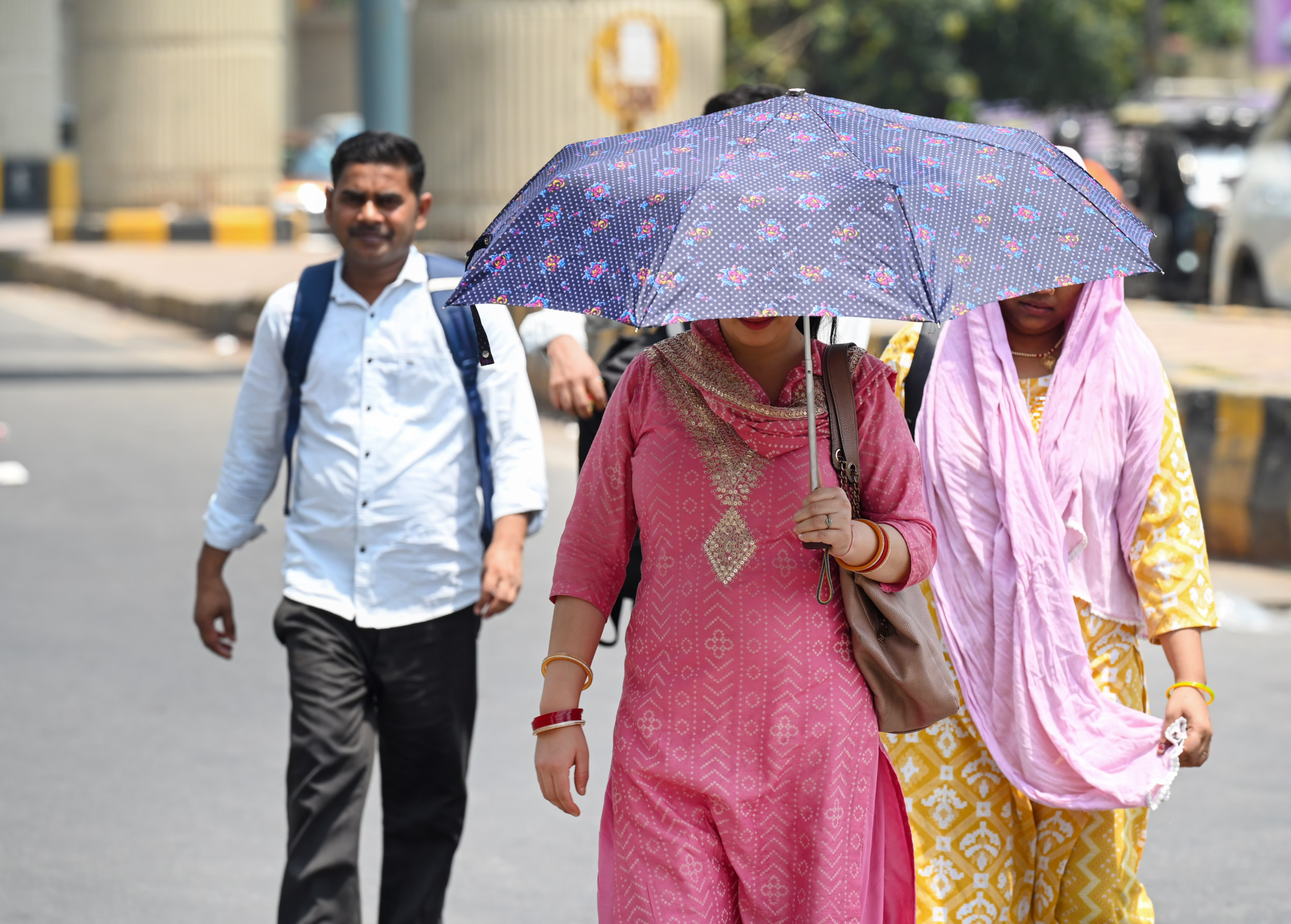
Residents have reported feeling intense afternoon heat, prompting many to switch on air conditioners and coolers weeks earlier than usual. Markets, offices, and public transport hubs have also seen people adjusting their schedules to avoid peak afternoon heat.
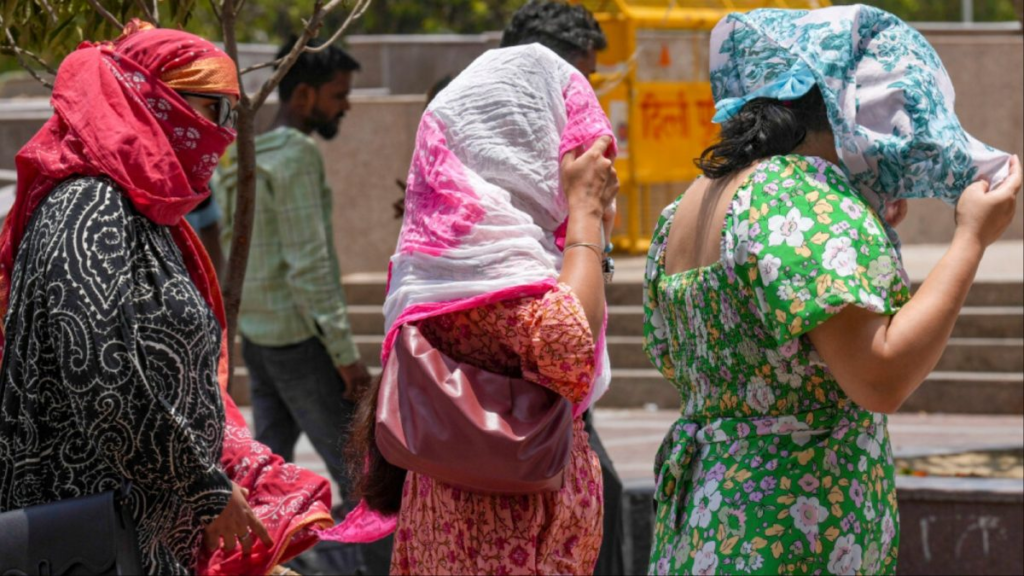
Health experts warn that sudden temperature changes can cause dehydration, fatigue, and heat-related illnesses, especially among children, elderly individuals, and outdoor workers.
Doctors recommend drinking plenty of water, wearing light clothing, and avoiding prolonged exposure to direct sunlight during the hottest hours of the day.
The latest temperature record has also revived discussions about the broader issue of Climate Change.
Scientists have long warned that global warming could lead to more frequent and intense heat events across South Asia. Cities like Delhi, with dense populations and rapid urbanization, are particularly vulnerable.
Several studies suggest that rising global temperatures are altering traditional weather cycles, making seasons less predictable and increasing the likelihood of extreme conditions.
Although a single weather event cannot be attributed solely to climate change, experts say the growing number of temperature records being broken worldwide indicates a larger trend.
Looking ahead, the India Meteorological Department predicts that temperatures in Delhi may continue to remain above normal in the coming days.
Weather models suggest that daytime temperatures could remain in the 34°C to 36°C range, which is significantly higher than the seasonal average.
However, meteorologists are also monitoring potential western disturbances that may bring temporary relief in the form of clouds or light rain later in the month.
Even if such weather systems arrive, experts warn that they may only provide short-term relief rather than a lasting drop in temperatures.
The record-breaking temperature during the first week of March highlights how rapidly weather patterns are evolving in major urban centers.
For Delhi, which already faces challenges such as air pollution, population density, and infrastructure pressure, rising temperatures could pose additional risks in the coming months.
Urban planners and environmental experts emphasize the importance of increasing green spaces, improving urban design, and adopting climate-resilient policies to help cities cope with extreme weather.
Measures such as planting more trees, promoting energy-efficient buildings, and improving water management could help reduce the impact of heatwaves in the future.
The unusually hot start to March serves as a reminder that weather patterns are becoming increasingly unpredictable. With the India Meteorological Department confirming the hottest first week of March in 50 years, policymakers and citizens alike may need to prepare for a hotter-than-normal summer.
While short-term weather fluctuations are common, the frequency of extreme heat events suggests that long-term adaptation strategies will become essential.
As temperatures continue to climb, the situation in Delhi may offer an early glimpse of the challenges many cities around the world could face in the years ahead.
Read Also : 7 Explosive Developments: Trump’s Stark Warning Keeps Iran on Edge as Dubai, Doha Rocked by Fresh Blasts