
6.2 Magnitude Shock? Strong Earthquake Tremors Rock Kolkata — Offices Evacuated, Panic Grips City as Thousands Rush Outdoors
Strong earthquake tremors jolt Kolkata, triggering office evacuations and panic across the city as residents rush outdoors following sudden seismic activity
Residents of Kolkata were gripped by fear after strong earthquake tremors jolted the city, forcing office evacuations and sending thousands rushing outdoors in panic. The sudden seismic activity, felt across several parts of the metropolitan area, caused widespread alarm as people scrambled for safety in homes, offices, and commercial complexes.
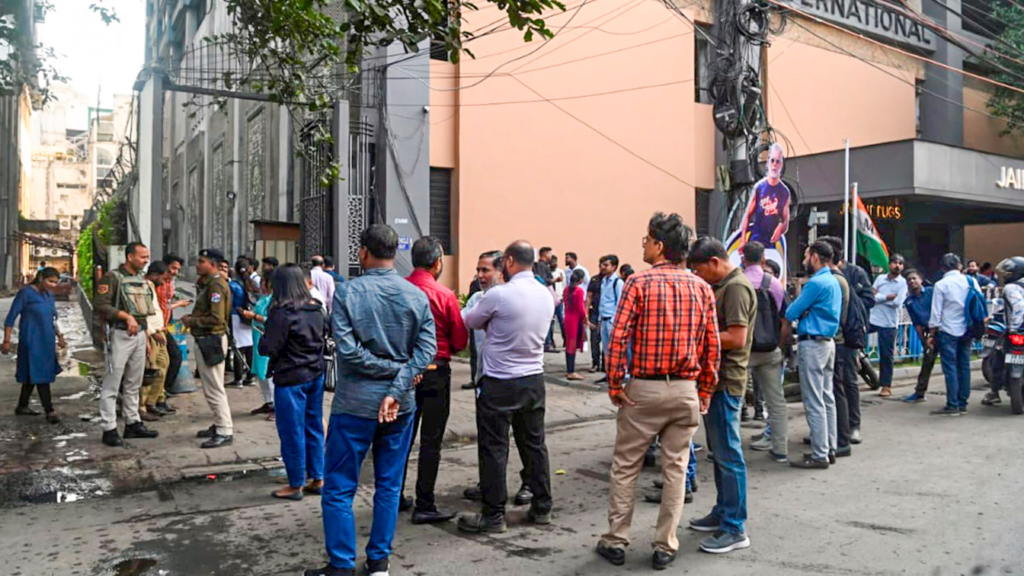
The tremors, which struck without warning, were reportedly felt for several seconds, long enough to disrupt daily life and trigger emergency responses. While no immediate reports of major damage emerged, the psychological impact was significant, with visuals of evacuated buildings and anxious residents quickly going viral on social media.
Eyewitnesses described the moment the tremors hit as deeply unsettling. Many said they felt strong vibrations underfoot, accompanied by swaying fans, shaking windows, and rattling furniture.
Office-goers in high-rise buildings were among the most affected. Several employees reported feeling intense vibrations on upper floors, prompting immediate evacuation protocols. In some areas, alarms were triggered automatically, adding to the sense of urgency.
“I was on the 10th floor when the entire building began to sway,” said a corporate employee. “Everyone ran toward the exits. It was chaotic, but people helped each other get out.”
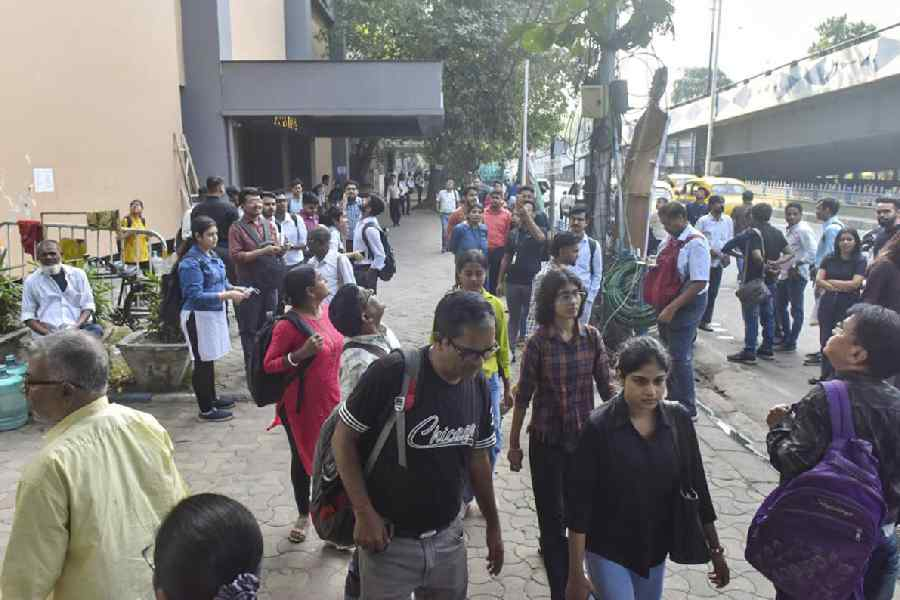
As soon as the tremors were felt, offices across business districts began emergency evacuations. Employees poured out of glass towers and corporate hubs, gathering in open spaces and parking areas.
Several IT parks and government offices were temporarily vacated as a precautionary measure. Security personnel and building management teams were seen guiding people toward safe zones, ensuring orderly exits despite the panic.

Schools and colleges in some areas also initiated safety protocols, with students being moved to open grounds while authorities assessed the situation.
Reports indicated that the tremors were not confined to a single locality but were experienced across various neighborhoods. From central Kolkata to suburban zones, residents shared similar experiences of shaking structures and sudden fear.
Many people living in apartments rushed downstairs, while shopkeepers temporarily shut businesses and stepped outside to avoid potential hazards. In densely populated areas, the sudden movement of large crowds created traffic bottlenecks and confusion.
The tremors were also reportedly felt in parts of the wider West Bengal region, though intensity levels varied.
Within minutes, social media platforms were flooded with posts about the earthquake. Videos showing people standing outside buildings, shaking chandeliers, and trembling water in containers quickly went viral.
Hashtags related to the earthquake began trending as residents shared real-time updates and checked on loved ones. Many users expressed shock at the intensity of the tremors, noting that such strong seismic activity is relatively rare in the region.
Others posted safety advice, urging people to remain calm and avoid elevators during aftershocks.
Local authorities and disaster management teams quickly issued advisories urging residents to remain calm and avoid spreading rumors. Officials emphasized the importance of following standard earthquake safety guidelines, including staying away from tall structures and avoiding crowded indoor spaces immediately after tremors.
Emergency helplines were placed on alert, and response teams were deployed to monitor critical infrastructure such as bridges, flyovers, and metro systems.
Officials also reassured the public that initial assessments did not indicate major structural damage, though inspections were ongoing.
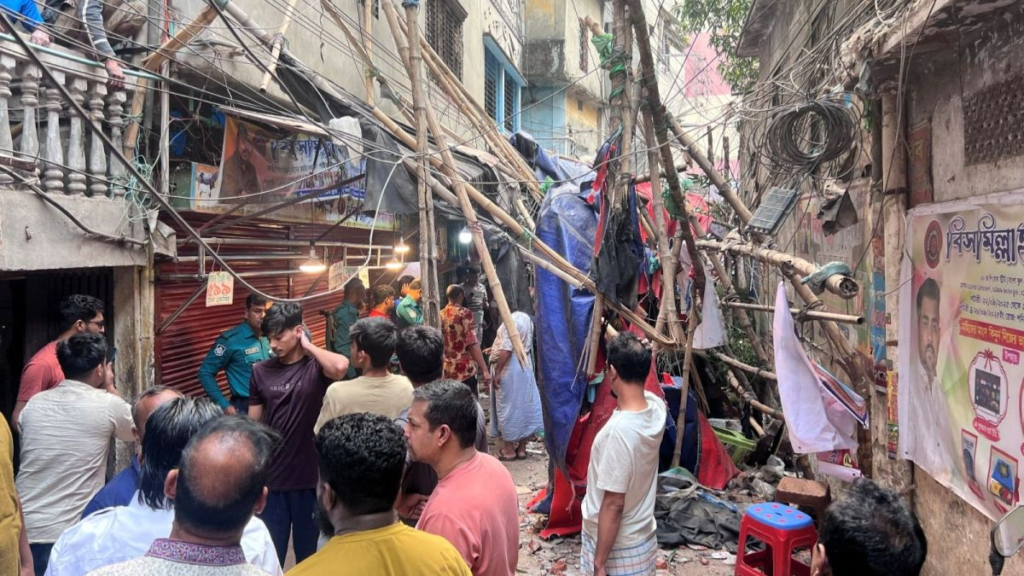
As of the latest updates, no large-scale destruction has been reported. However, minor incidents such as cracked walls, fallen objects, and brief power disruptions were reported in isolated areas.
Hospitals and emergency services remained on standby to handle potential injuries, though early indications suggested that most people were safe.
Authorities are conducting detailed inspections of older buildings and high-rise structures to rule out hidden damage that may not be immediately visible.
Even in the absence of significant physical damage, the emotional toll of the tremors was evident. Many residents described feelings of anxiety and fear, especially those who had experienced earthquakes in the past.
Families gathered outdoors, reluctant to return inside immediately. In residential complexes, people remained in open areas for extended periods, waiting for official reassurances that it was safe to go back.
Psychologists often note that earthquakes trigger intense fear because of their unpredictability, and the sudden loss of control can leave lasting emotional effects.
While eastern parts of India are not as seismically active as the Himalayan belt, tremors are not entirely unheard of. The region occasionally experiences earthquakes due to tectonic movements in surrounding zones.
Experts note that even moderate quakes can be strongly felt in densely populated cities due to soil conditions and building density. Soft alluvial soil, common in riverine regions, can amplify ground motion, making tremors feel stronger than they actually are.
Seismologists are likely to analyze the epicenter and magnitude data to determine the exact cause and potential for aftershocks.
The incident has once again highlighted the need for earthquake preparedness, especially in major urban centers. Experts emphasize that even regions with lower seismic activity must remain prepared due to the unpredictable nature of earthquakes.
Basic safety measures include:
- Knowing safe exit routes in buildings
- Avoiding elevators during tremors
- Taking cover under sturdy furniture
- Staying in open areas after evacuation
Public awareness campaigns and regular safety drills can play a crucial role in minimizing panic and ensuring safer responses during such events.
Following the tremors, authorities initiated precautionary inspections of critical infrastructure. Bridges, flyovers, and metro lines are being evaluated to ensure structural integrity.
Building safety audits may also be carried out in older constructions, particularly in densely populated areas where aging infrastructure could pose risks during seismic events.
Urban planners have long stressed the importance of enforcing earthquake-resistant construction standards, especially in expanding metro cities.
One of the key concerns following any earthquake is the possibility of aftershocks. While not all tremors are followed by aftershocks, authorities often advise caution for several hours after the initial event.
Residents have been advised to remain alert and avoid re-entering visibly damaged buildings until inspections are complete. Emergency services continue to monitor the situation closely.
As the hours passed and no major damage was reported, life in Kolkata slowly began returning to normal. Offices resumed operations, and people cautiously returned indoors.
However, the tremors left a strong impression on residents, many of whom described the experience as one of the most unsettling moments in recent memory.
Conversations about safety preparedness and disaster awareness have since gained momentum, both online and offline.