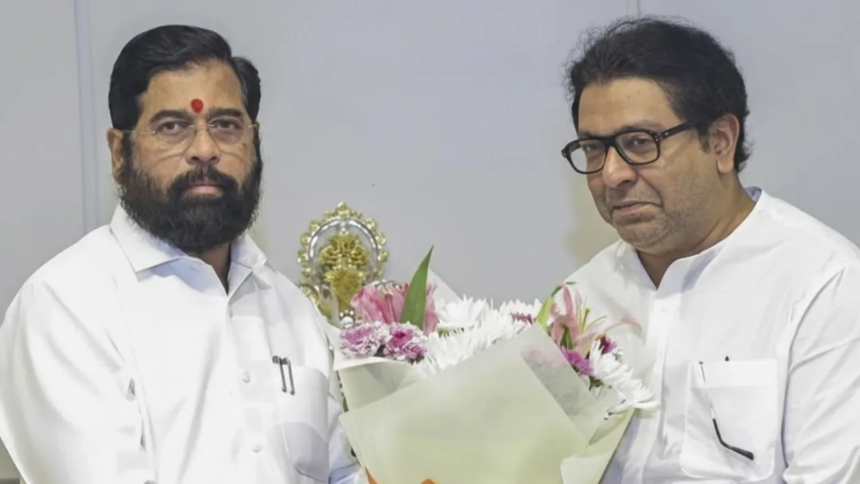
6 Big Political Signals from Nandanvan: Raj Thackeray–Eknath Shinde Closed-Door Meet Sparks Fresh Buzz
A closed-door meeting between Raj Thackeray and Eknath Shinde at Nandanvan fuels fresh political speculation in Maharashtra. Explore 6 key signals, possible alliances, and what this secret meet could mean for state politics
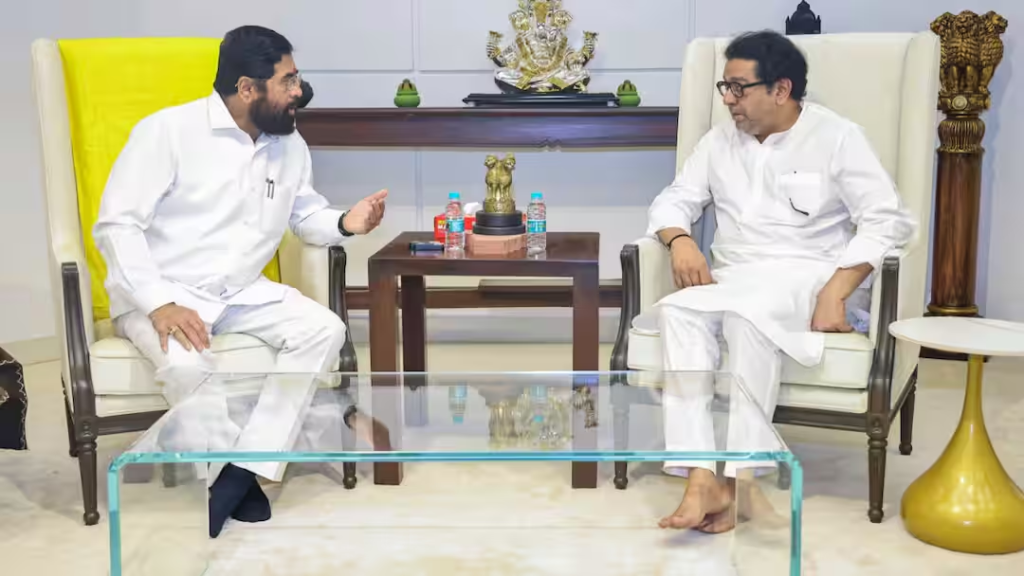
The political temperature in Maharashtra has surged following a closed-door meeting between Maharashtra Navnirman Sena (MNS) chief Raj Thackeray and Chief Minister Eknath Shinde at Nandanvan. The high-profile interaction, held away from media glare, has ignited fresh speculation about possible realignments ahead of crucial elections. While both leaders have remained tight-lipped about the agenda, the timing and secrecy of the meeting have triggered intense debate across political circles in Maharashtra
Closed-door political meetings are not uncommon, but when two influential leaders with complex political histories meet privately, speculation is inevitable. The choice of venue—Nandanvan, the Chief Minister’s residence—further heightened intrigue, as it suggested a deliberate effort to keep discussions confidential.
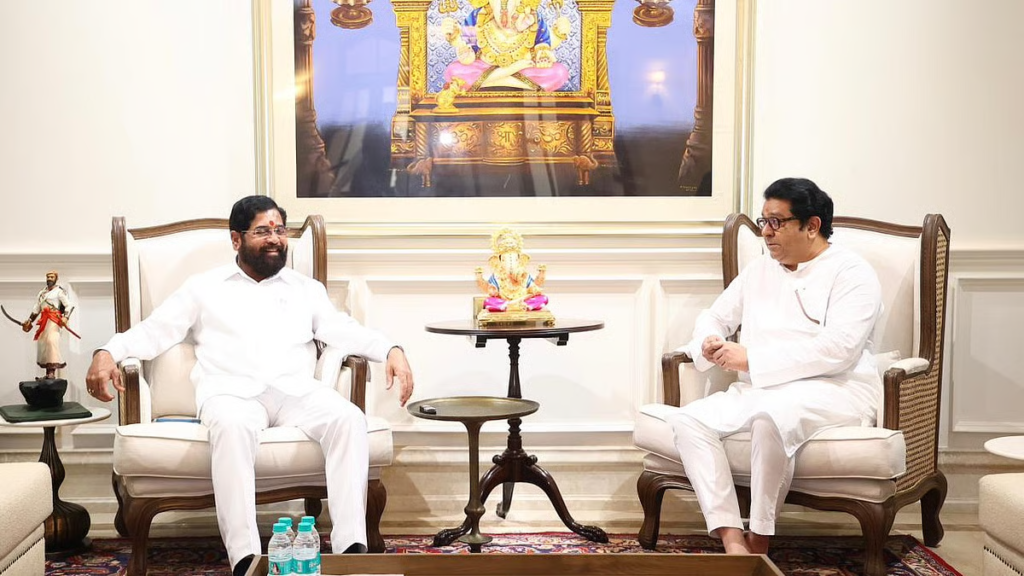
Political observers quickly noted that the meeting comes at a time when Maharashtra’s political landscape remains fluid. Alliances are evolving, rivalries are being reassessed, and parties are recalibrating strategies ahead of the next electoral cycle. Against this backdrop, any interaction between key power brokers carries significant weight.
Raj Thackeray has long been considered a wildcard in Maharashtra politics. As the founder of the Maharashtra Navnirman Sena, he has maintained a distinctive political identity centered around regional pride and urban issues. Though the MNS has seen fluctuating electoral fortunes, Thackeray’s ability to influence voter sentiment—particularly in urban pockets—remains intact.
In recent years, Raj Thackeray has adopted a more strategic approach, occasionally aligning with larger political narratives while maintaining organizational independence. His public speeches and selective political interventions have ensured that he remains a relevant force, even when not directly in power.
A private meeting with the Chief Minister therefore raises questions about whether the MNS could be exploring a more structured role in future political equations.
For Chief Minister Eknath Shinde, the meeting comes at a crucial juncture. Since assuming office, Shinde has focused on consolidating his political base while navigating a complex coalition environment. As a key leader associated with the Shiv Sena (Shinde faction), his leadership has reshaped the state’s power dynamics.
Shinde has consistently emphasized governance and development, but political stability remains a top priority. Engaging with regional players like Raj Thackeray could serve multiple strategic purposes—broadening support, reducing opposition fragmentation, or exploring tactical understandings in specific constituencies.
The closed-door nature of the meeting suggests that discussions may have extended beyond courtesy calls into deeper political calculations.
Timing is everything in politics, and this meeting’s timing has fueled speculation. With major elections on the horizon, political parties are actively evaluating potential alliances and vote-sharing arrangements. Maharashtra’s electoral arithmetic is particularly complex, with regional parties often playing decisive roles in tight contests.
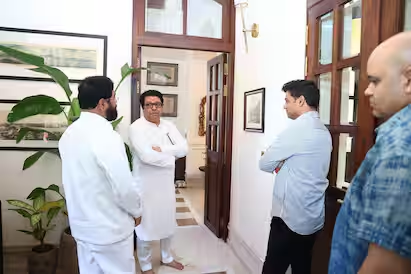
The meeting also comes amid shifting voter priorities, where issues like urban infrastructure, employment, and regional identity are gaining prominence. Both leaders command influence in urban centers like Mumbai and the Mumbai Metropolitan Region, making any collaboration potentially impactful.
Analysts suggest that even a tacit understanding between the two camps could alter electoral outcomes in key urban constituencies.
1. Tactical Electoral Understanding
One possibility is a limited, seat-specific arrangement rather than a full-fledged alliance. Such tactical understandings are common in Maharashtra, where local dynamics often override broader ideological divides.
2. Issue-Based Collaboration
Another scenario involves cooperation on select issues rather than electoral alliances. Both leaders have strong views on regional development and cultural identity, which could provide common ground for collaboration.
3. Strategic Signaling
The meeting may also serve as a signal to other political players. In Maharashtra’s competitive political ecosystem, optics matter as much as outcomes. A high-profile interaction can influence negotiations with allies and rivals alike.
4. No Immediate Outcome
It is also possible that the meeting was exploratory in nature, with no immediate decisions. Political leaders often hold informal discussions to assess possibilities before committing to formal moves.
Unsurprisingly, the meeting has drawn varied reactions across the political spectrum. Supporters of both leaders have downplayed speculation, framing the interaction as a routine political courtesy. However, opposition parties have interpreted the meeting as a sign of potential behind-the-scenes realignments.
Political analysts believe that such meetings are often part of a broader process rather than standalone events. They argue that Maharashtra’s political history is filled with unexpected alliances and sudden shifts, making it difficult to dismiss any high-level interaction as inconsequential.
Media discussions and social media chatter have further amplified the buzz, with commentators dissecting every possible implication of the meeting.
Maharashtra has witnessed numerous dramatic political shifts over the decades. Alliances that once seemed improbable have materialized, while seemingly stable coalitions have unraveled unexpectedly. This legacy of fluid alignments adds an extra layer of intrigue to the Raj Thackeray–Eknath Shinde meeting.
Both leaders have previously demonstrated political adaptability. Raj Thackeray has recalibrated his political messaging at different stages, while Shinde’s own rise to the Chief Minister’s office was shaped by a major political realignment. Their shared history of navigating dynamic political terrains makes the meeting particularly noteworthy.
Urban politics could be a key factor behind the interaction. Cities like Mumbai and Thane remain crucial battlegrounds, where voter sentiment can shift rapidly based on governance performance and local issues.
Raj Thackeray’s strong connect with urban Marathi voters and Shinde’s administrative position create a unique dynamic. Any synergy between their political bases could reshape urban electoral contests, especially in municipal and assembly elections.
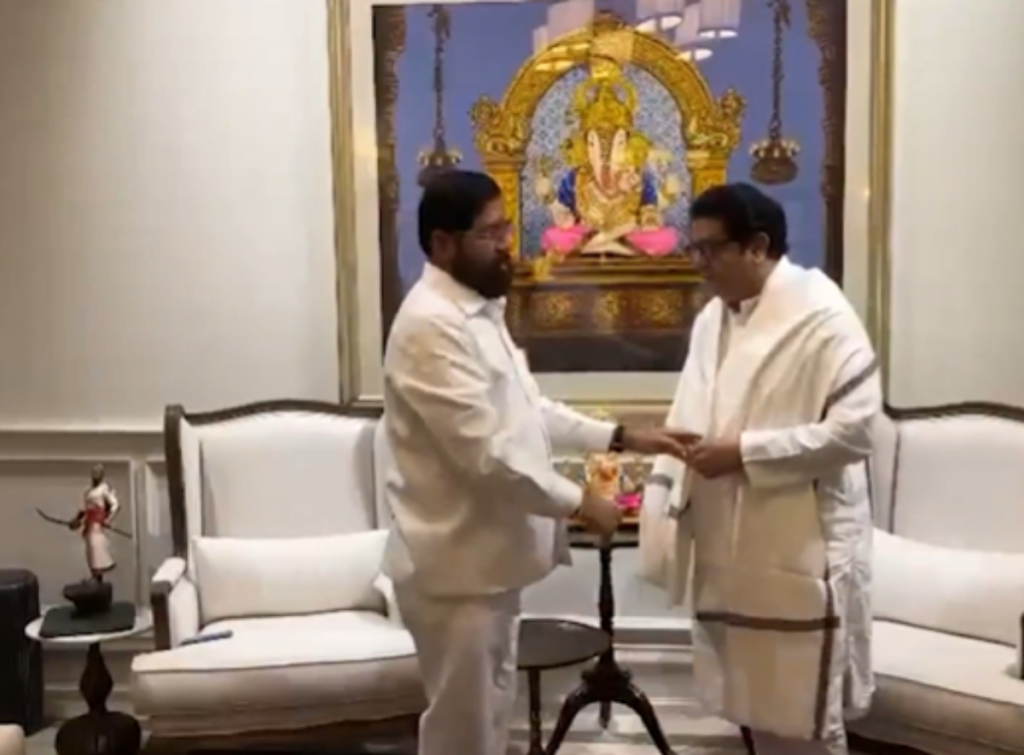
Observers also note that civic polls, often considered a precursor to larger political battles, could be an important context for understanding the meeting’s implications.
Beyond electoral arithmetic, public perception plays a vital role in shaping political outcomes. Closed-door meetings often create a sense of intrigue that can influence voter psychology. Even without concrete outcomes, such interactions can signal openness, pragmatism, or strategic repositioning.
For Raj Thackeray, engaging with the Chief Minister could reinforce an image of political relevance and strategic maturity. For Eknath Shinde, the meeting may project inclusivity and political outreach, reinforcing his position as a consensus builder.
In an era where optics and narratives shape political momentum, these subtle messaging cues can be highly consequential.
Interestingly, both camps have maintained a studied silence regarding the specifics of the meeting. Brief statements from aides have described the interaction as informal and non-political, but the lack of clarity has only fueled speculation.
Political insiders suggest that silence is often a deliberate strategy, allowing leaders to gauge public and political reactions before making further moves. By neither confirming nor denying speculation, both sides retain strategic flexibility.
As Maharashtra moves closer to major electoral contests, political observers will be watching closely for follow-up developments. Whether this meeting leads to further interactions, public appearances, or coordinated messaging will offer clues about its true significance.
Even if no immediate alliance emerges, the interaction has already achieved one outcome—it has reinserted both leaders into the center of political discourse. In a competitive political landscape, staying relevant in public conversation can be as important as formal alliances.
Read Also : 7 Stunning Milestones as NASA Nails Successful Artemis 2 Lunar Launch Rehearsal