7 Big Reasons Why Election Commission of India Cut West Bengal Polling to 2 Phases After 25 Years
The Election Commission of India announces a historic shift as West Bengal prepares to vote in just two phases for the first time in 25 years
In a historic electoral decision, the Election Commission of India has announced that the upcoming assembly elections in West Bengal will be conducted in just two phases, marking the first time in nearly 25 years that the state will not witness extended, multi-phase voting.
For decades, West Bengal elections were conducted across several phases due to security concerns, logistical challenges, and the need to deploy central security forces across the state. In some elections, polling stretched across as many as seven or eight phases, making the election process long and politically intense.
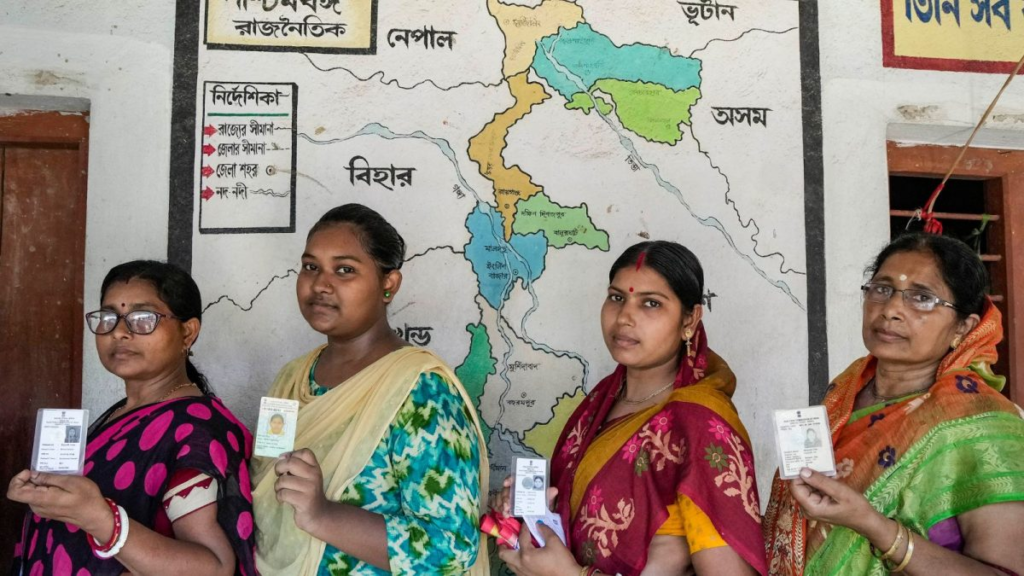
The Election Commission’s decision to reduce the polling schedule to two phases has triggered nationwide debate. Political observers, parties, and voters are all asking the same question: Why did the EC decide to abandon the long staggered polling model?
The decision reflects major changes in security preparedness, election management, technology, and administrative planning.
Historically, elections in West Bengal were spread over several phases primarily due to concerns about law and order and electoral violence.
The state has long had a politically charged environment with intense competition between major political parties. Elections often witnessed clashes between rival party supporters in certain regions.
Because of these concerns, the Election Commission of India preferred to conduct polling in multiple stages so that central paramilitary forces could be rotated between constituencies to maintain peace.
This strategy allowed the same security personnel to be deployed across different districts during different phases, ensuring tighter security control.
However, this approach also extended the election period significantly, sometimes lasting several weeks.
One of the biggest reasons behind the shift to two-phase polling is the improved security situation and better deployment capabilities.
Over the years, the central government and state authorities have significantly strengthened election security planning. The availability of larger numbers of central forces allows security personnel to be deployed simultaneously across multiple districts.
With better coordination between security agencies, the Election Commission believes that it can ensure peaceful voting even with a shorter polling schedule.
The move suggests greater confidence in the ability to manage security risks during elections.
Technology has transformed how elections are conducted in India.
Electronic voting machines (EVMs) and VVPAT systems have made the voting process more efficient and reliable. These technological tools allow polling stations to handle large numbers of voters smoothly.
The Election Commission has also improved digital monitoring systems that help track election activity in real time.
With better surveillance tools and data monitoring, the Commission can respond more quickly to potential disruptions.
These advancements have played a role in enabling a shorter election schedule.
In earlier years, the limited number of central security forces required staggered polling so that troops could be moved from one constituency to another between phases.
Today, the availability of more security personnel and improved logistics allows authorities to deploy forces across larger areas simultaneously.
This means multiple districts can conduct polling on the same day without compromising safety.
The Election Commission’s new plan leverages this expanded security capability.
Long elections can create fatigue among voters, administrators, and political parties.
When polling stretches across several weeks, voters often become tired of continuous campaigning and political tension. Government machinery is also heavily engaged during the election period, affecting administrative efficiency.
By reducing the election schedule to two phases, the Election Commission of India aims to make the electoral process more streamlined and less exhausting for everyone involved.
Shorter election timelines can also help maintain voter enthusiasm.
Extended election campaigns often lead to intense political polarization.
When elections last for several weeks, political parties have more time to escalate rhetoric and amplify political divisions.
A shorter campaign period can reduce the duration of heated political confrontation and help keep the focus on governance and policy issues.
Many analysts believe that compressing the election schedule could help create a calmer electoral environment.
Conducting elections is one of the largest administrative exercises in the world.
Millions of election officials, security personnel, and volunteers are involved in managing polling stations across thousands of locations.
Shorter elections allow the administration to allocate resources more efficiently and reduce operational costs.
It also helps government departments resume normal functioning sooner after the polls conclude.
The political environment in West Bengal has evolved over the years.
While the state continues to witness intense political competition, authorities believe that institutional mechanisms for maintaining law and order during elections have improved significantly.
Political parties are also under greater public scrutiny regarding their conduct during elections.
The Election Commission’s decision reflects confidence that the electoral system in the state has matured enough to handle a shorter polling schedule.
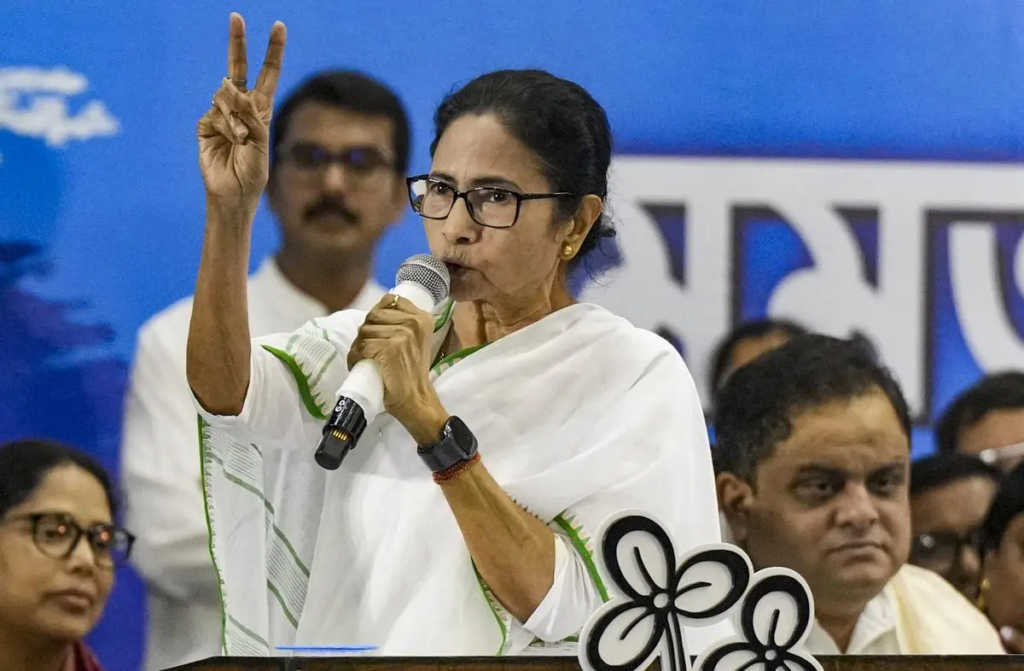
The announcement has generated mixed reactions from political parties.
Some leaders have welcomed the move, arguing that a shorter election period will reduce unnecessary political tension and allow voters to focus on key issues.
Others, however, have expressed concerns about whether adequate security arrangements will be in place across all constituencies during the two polling phases.
Despite these differing opinions, most parties agree that the Election Commission’s decision represents a major change in the way elections are conducted in West Bengal.
For voters in West Bengal, the new polling schedule could make the election process more convenient.
Instead of weeks of staggered voting and constant campaigning, voters will experience a shorter and more focused election period.
This could potentially increase voter turnout, as people may feel more motivated to participate when elections are less drawn out.
It may also reduce the disruption caused by prolonged political campaigning.
The Election Commission of India will now begin implementing detailed plans for the two-phase polling schedule.
These plans include:
- Finalizing polling station arrangements
- Deploying security forces
- Training election staff
- Monitoring campaign activities
Authorities will also closely monitor sensitive areas to ensure peaceful voting.
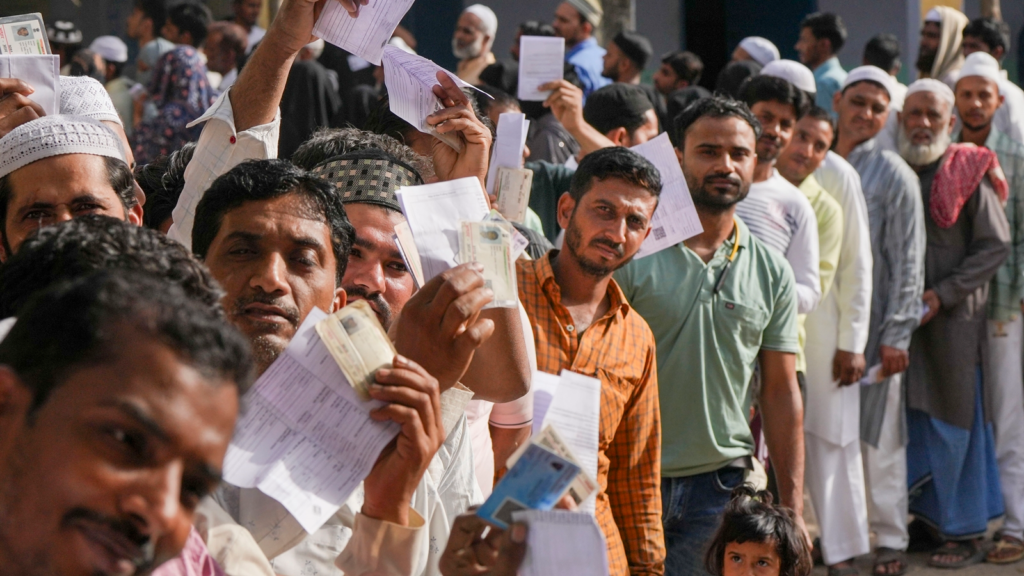
The success of this two-phase model could influence how elections are conducted in other states in the future.
Read Also : 7 Shocking Facts About Shweta Pundir as RCB Star Yash Dayal Marries Influencer in Secret Ceremony