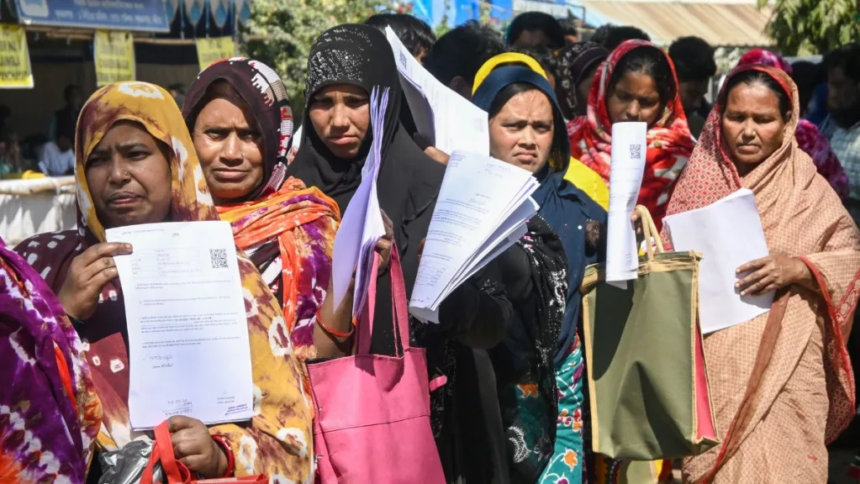
7+ Crore Voters Confirmed! Final SIR Electoral Roll for West Bengal to Be Published Today – Big Update by Election Commission of India
The final SIR electoral roll for West Bengal is out today, confirming over 7 crore voters on the revised list. Here’s what the update by the Election Commission of India means for citizens
The much-awaited final electoral roll under the Special Intensive Revision (SIR) process is set to be published today in West Bengal, marking a major milestone in the state’s electoral preparation. According to officials, the revised voter list includes over 7 crore registered voters, reflecting months of data verification, corrections, and additions carried out under the supervision of the Election Commission of India. The publication of the updated roll is expected to play a crucial role in ensuring transparency and accuracy ahead of upcoming elections.
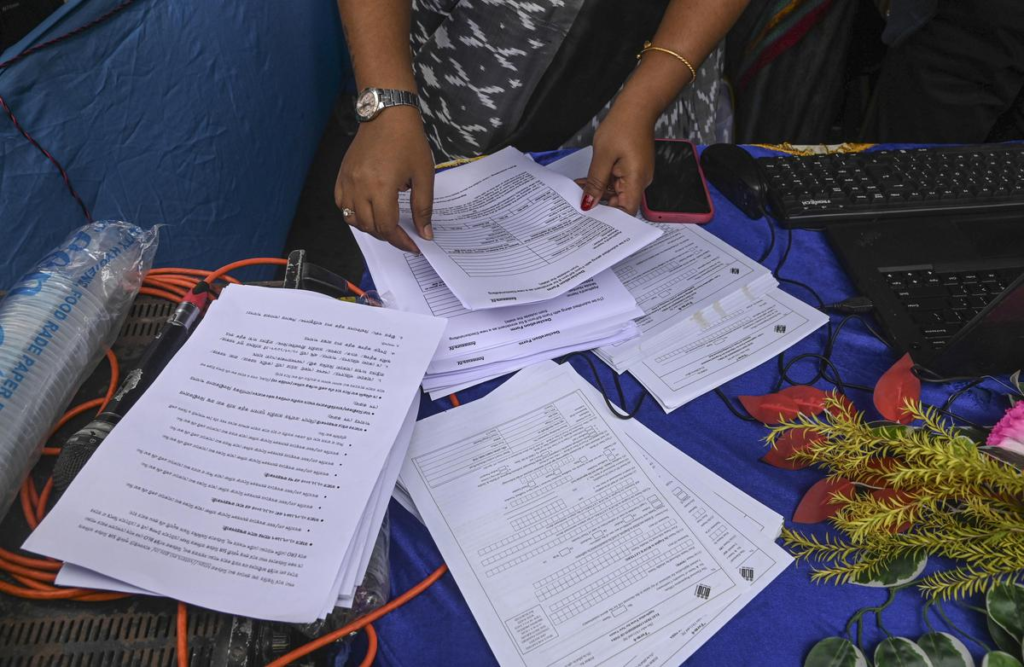
The release of the final roll signals the conclusion of an extensive verification exercise aimed at removing duplicate entries, correcting demographic inconsistencies, and incorporating new eligible voters. For a politically vibrant and densely populated state like West Bengal, maintaining an accurate electoral database is essential to preserving democratic integrity.
The SIR process in West Bengal has been one of the most comprehensive revisions in recent years. Officials conducted door-to-door verification, online correction drives, and field audits to ensure that the data reflects current ground realities. This included verifying address changes, removing deceased voters from the rolls, and updating records of individuals who migrated within or outside the state.
The inclusion of more than 7 crore voters highlights both the scale of the state’s electorate and the complexity of maintaining such a vast database. Urban areas, particularly metropolitan hubs like Kolkata, witnessed significant revisions due to high mobility and population density. Rural regions, meanwhile, saw updates linked to migration patterns and new registrations among young voters.
The final SIR roll incorporates several categories of changes:
- Newly registered voters who recently turned 18
- Corrections in names, photographs, and addresses
- Removal of duplicate or invalid entries
- Updates following claims and objections filed during draft publication
Officials say the goal is not just accuracy but also inclusivity. The SIR process ensures that every eligible voter gets representation while preventing electoral malpractice through inflated or inaccurate rolls.
One of the most notable trends in the revised list is the rise in first-time voters. With each passing year, thousands of young citizens become eligible to vote, and the SIR exercise plays a crucial role in onboarding them into the democratic process.
Election authorities conducted awareness campaigns in schools, colleges, and online platforms to encourage youth participation. Digital registration portals and simplified forms helped streamline applications, leading to a noticeable spike in new entries.
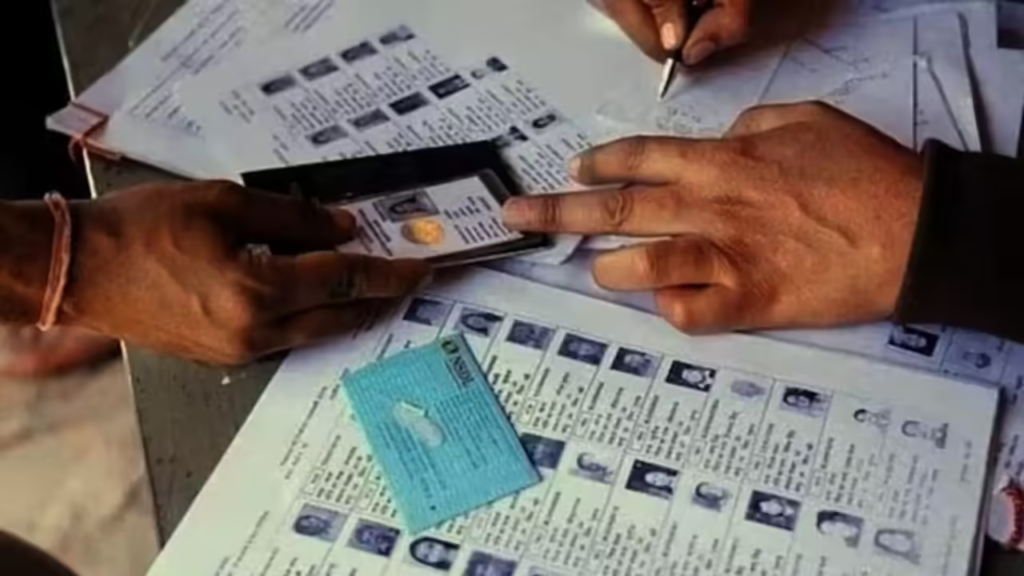
This demographic shift is expected to influence future electoral dynamics, as younger voters often bring fresh priorities and perspectives to the political landscape.
The latest revision leveraged advanced digital tools to enhance accuracy. Authorities used data integration and algorithm-based matching to identify anomalies such as duplicate entries across constituencies. While technology improved efficiency, officials also emphasised manual verification to avoid wrongful deletions.
Digital portals enabled citizens to track application status, submit corrections, and verify details in real time. This hybrid model of tech-driven and human verification is increasingly becoming the norm in large-scale electoral management.
Before finalisation, the Election Commission released a draft roll inviting claims and objections from the public. Citizens were given a window to report discrepancies, request corrections, or challenge inclusions they believed were invalid.
This participatory approach ensures transparency and builds trust in the revision process. Thousands of claims were reportedly processed, with officials reviewing each case individually. The final roll published today incorporates the outcomes of these reviews.
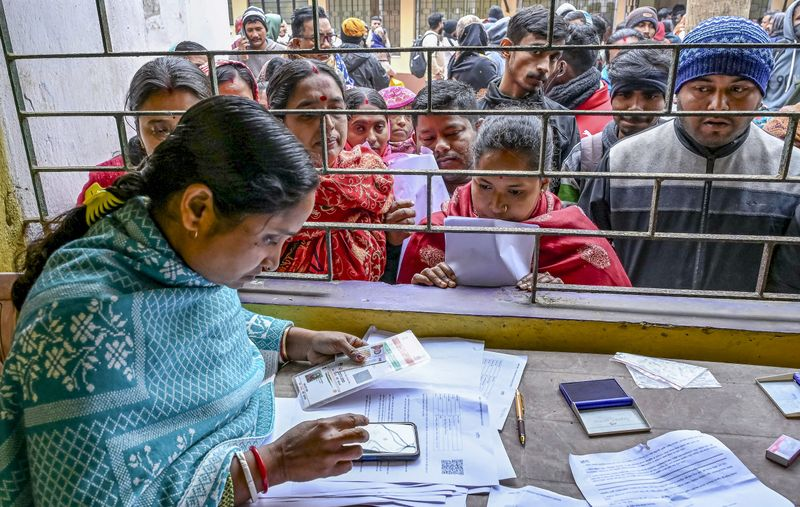
In a state known for intense political competition, the publication of the final electoral roll carries significant political weight. Parties across the spectrum closely monitor voter list revisions, as even minor changes can impact constituency-level dynamics.
Accurate rolls are critical for maintaining a level playing field. Over the years, allegations of voter list manipulation have surfaced in various states, making transparent revision exercises essential to uphold public confidence.
By releasing a thoroughly vetted final list, authorities aim to minimise controversies and reinforce the credibility of the electoral process.
Large-scale revisions often raise concerns about wrongful deletions or exclusions. Civil society groups and political observers have urged vigilance to ensure that genuine voters are not left out.
Officials have reassured citizens that safeguards are in place. Multiple layers of verification, including field-level checks and digital audits, were used to minimise errors. Moreover, mechanisms remain available for voters to seek rectification if discrepancies are discovered even after publication.
The release of the final roll is a crucial preparatory step ahead of future elections. Electoral rolls form the backbone of polling operations, influencing booth planning, staffing, and logistical arrangements.
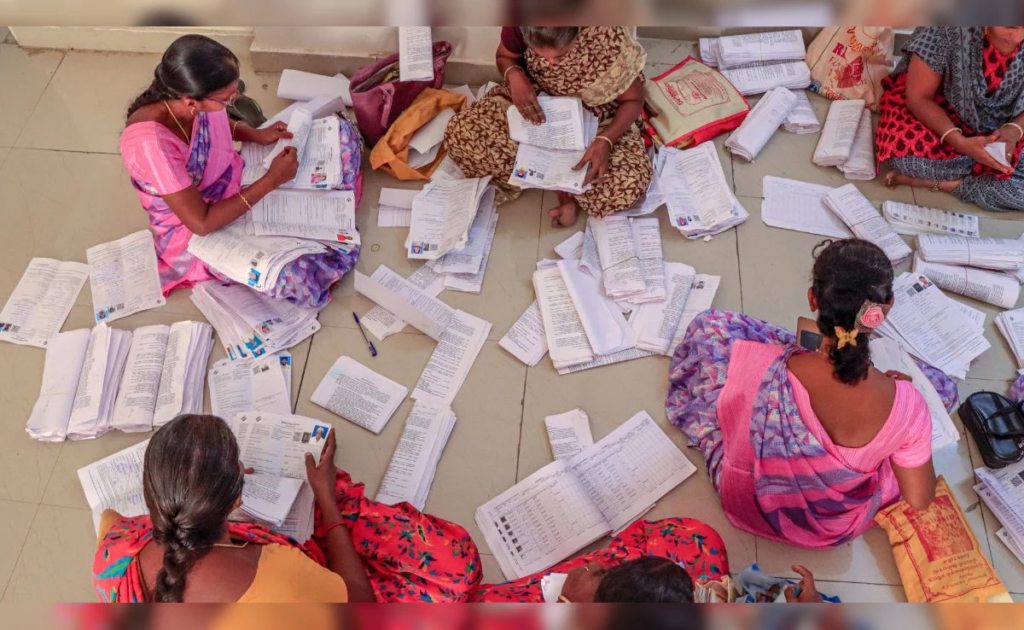
Accurate voter data helps authorities estimate turnout, allocate resources, and ensure smooth conduct of elections. It also enables better planning for voter awareness campaigns and accessibility measures.
For political stakeholders, the updated roll offers insights into demographic shifts, helping shape campaign strategies and outreach efforts.
With the final roll now available, citizens are encouraged to verify their details promptly. Voters can check their names through official websites, mobile apps, or designated facilitation centres. The process typically requires basic details such as name, constituency, or voter ID number.
If any discrepancy is found, voters should report it immediately through the appropriate channels. Even though the roll is final, provisions for limited corrections may still exist under specific guidelines.
Public participation has played a key role in the success of the SIR exercise. Awareness drives, both online and offline, encouraged citizens to verify and update their records. Media campaigns and grassroots outreach helped spread the message across urban and rural regions alike.
Experts believe that continuous voter education is essential to maintain accurate rolls. As populations become more mobile, periodic revisions and citizen engagement will remain crucial.
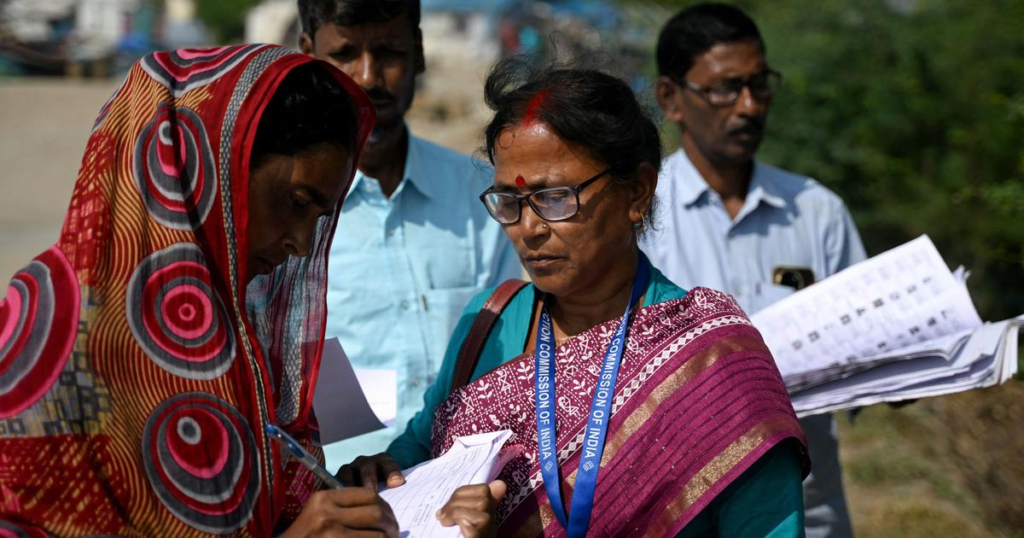
The publication of the final electoral roll reflects a broader commitment to strengthening democratic institutions. Accurate voter lists not only ensure fair elections but also enhance public trust in governance systems.
By incorporating advanced verification methods and encouraging public participation, the SIR process represents a modern approach to electoral management. It underscores the importance of balancing technology with transparency.
With the final roll now in place, election authorities will shift focus to preparatory activities such as updating polling infrastructure and training personnel. Political parties, meanwhile, will begin analysing the revised data to fine-tune their strategies.
For voters, the immediate priority is simple: verify your details and stay informed. An accurate electoral roll is the foundation of democratic participation, and every verified entry contributes to a stronger electoral system.
The release of the final SIR electoral roll in West Bengal, featuring over 7 crore voters, marks a significant milestone in the state’s democratic journey. It reflects months of meticulous verification, technological integration, and public participation.
While the process may appear administrative on the surface, its implications are far-reaching. From ensuring fair representation to enabling smooth elections, an accurate voter list is indispensable.
As the state moves closer to future electoral events, the focus now shifts to awareness and vigilance. Citizens must take the final step by verifying their inclusion and encouraging others to do the same. In a democracy, every name on the roll carries weight—and every verified vote strengthens the voice of the people.