7 Explosive Developments: Trump’s Stark Warning Keeps Iran on Edge as Dubai, Doha Rocked by Fresh Blasts
Fresh explosions reported in Dubai and Doha have heightened Middle East tensions as Donald Trump issues a strong warning to Iran
Tensions across the Middle East have surged dramatically after fresh explosions were reported in Dubai and Doha, raising fears of a broader regional conflict. The situation intensified further after former U.S. President Donald Trump issued a stern warning to Iran, stating that any escalation threatening U.S. interests or allies would be met with “force never seen before.”
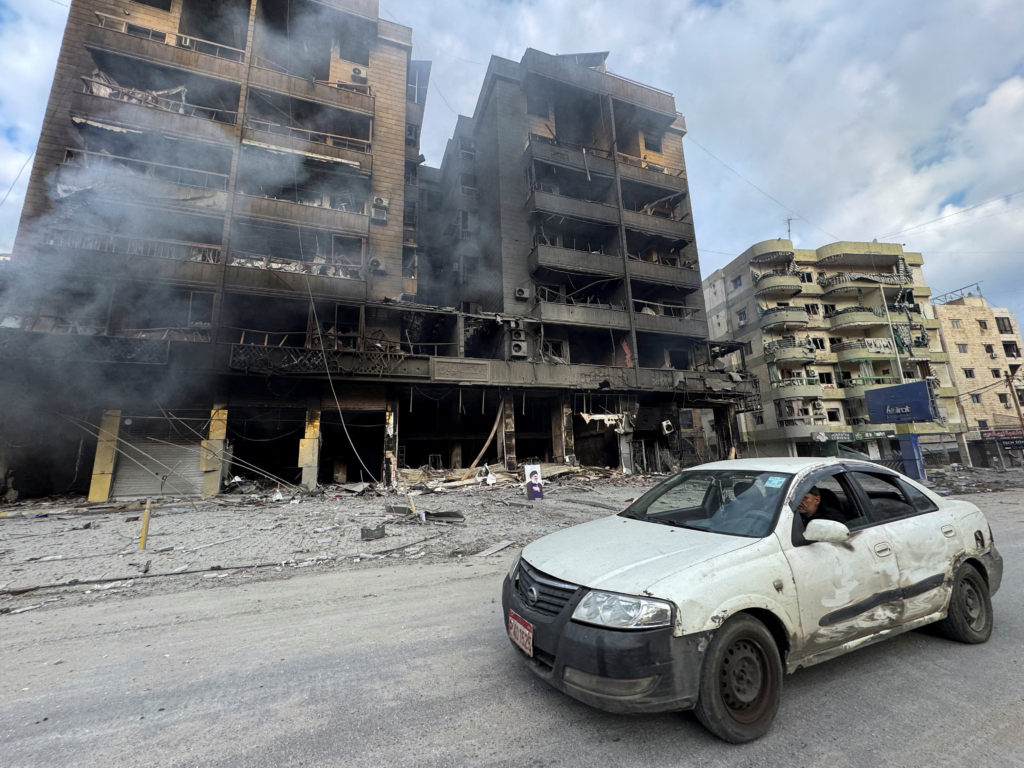
The explosions, which occurred late at night in strategic areas near infrastructure and transportation hubs, triggered alarm across Gulf nations. Air defense systems were reportedly activated in several parts of the region as authorities rushed to investigate the cause of the blasts. Although officials have not yet confirmed the exact source, early reports suggest the possibility of drone or missile activity linked to the ongoing geopolitical tensions.
Below are seven key developments shaping this rapidly evolving crisis.
Late-night blasts echoed through parts of Dubai and Doha, sending residents into panic and prompting emergency responses. Witnesses reported hearing loud booms followed by the sound of sirens and helicopters patrolling the skies.
Local authorities in both cities quickly confirmed that security teams had been deployed to assess potential damage and ensure public safety. While the exact targets remain unclear, reports suggest that the explosions occurred near areas connected to logistics, aviation, or military facilities.
Security officials in the Gulf have not ruled out the possibility that the blasts were the result of intercepted aerial threats, including drones or short-range missiles.
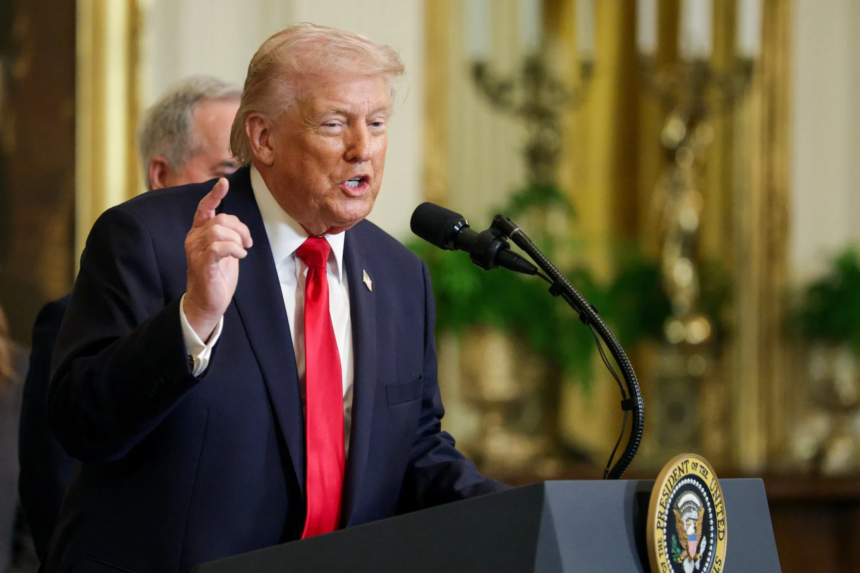
Amid the unfolding situation, Donald Trump issued a powerful warning directed at Iran. In a statement shared through political channels and media outlets, Trump warned that attacks threatening U.S. allies in the Gulf would face “decisive and overwhelming retaliation.”
His remarks have significantly raised the stakes, as Washington remains closely aligned with Gulf countries in maintaining security across the region. Trump’s warning signals the possibility that the United States could respond militarily if Iran or Iran-backed groups are found responsible for the explosions.
Analysts say the statement is meant to deter further attacks while reassuring Gulf allies that the United States stands firmly behind them.
Although no official investigation has concluded yet, regional intelligence agencies are reportedly examining whether Iran or allied militias might be linked to the explosions.
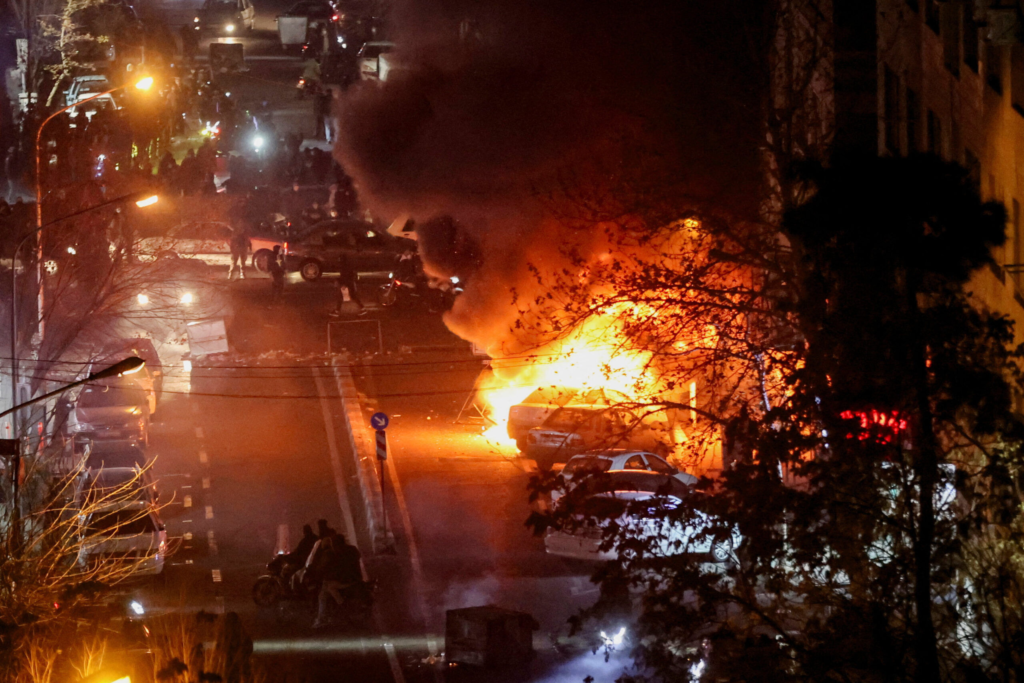
Tensions between Iran and Gulf states have escalated sharply in recent weeks, especially following a series of military exchanges and cyber incidents across the region.
Some security experts believe the blasts could be part of a broader strategy aimed at destabilizing key economic hubs in the Gulf. Cities like Dubai and Doha are not only financial centers but also critical transport and energy gateways.
However, Iranian officials have repeatedly denied involvement in attacks targeting civilian infrastructure and have warned that accusations without evidence could further inflame tensions.
Following the explosions, several Gulf countries reportedly raised their security levels. Airports, ports, and energy facilities across the region have tightened surveillance and deployed additional defense systems.
In United Arab Emirates, authorities increased patrols near strategic installations and advised residents to remain calm while investigations continue.
Meanwhile, Qatar has also heightened security measures around government buildings and transport hubs.
Military analysts suggest that Gulf nations are preparing for the possibility of further attacks, especially if tensions between the United States and Iran continue to escalate.
The explosions and the subsequent warning from Donald Trump have already begun affecting global markets.
Oil prices showed signs of volatility as traders reacted to fears of instability in one of the world’s most important energy-producing regions. The Gulf plays a crucial role in global oil supply, and any threat to shipping lanes or production facilities can quickly impact international markets.
Investors also turned cautious in stock markets across Asia and Europe as geopolitical uncertainty increased. Analysts warn that continued instability could have significant economic consequences worldwide.
Both Dubai and Doha hold enormous strategic value in the Middle East.
Dubai serves as a major global financial hub, logistics center, and aviation gateway connecting Europe, Asia, and Africa. Any disruption there can affect international trade and travel.
Doha, on the other hand, plays a key role in global energy markets. As the capital of Qatar, it is closely linked to the country’s massive natural gas exports.
Security threats to either city are therefore taken extremely seriously by governments and international organizations.
The coming days will be crucial in determining whether the region moves toward escalation or de-escalation.
Investigations into the explosions are ongoing, and authorities are expected to release more details about the nature of the attacks. If evidence points toward involvement by Iran or allied groups, the situation could lead to strong international responses.
At the same time, diplomatic channels may also be activated in an attempt to prevent the crisis from spiraling into a wider conflict.
Political observers note that statements like the one issued by Donald Trump are often intended to serve as deterrence. However, in an already volatile environment, strong rhetoric can also increase the risk of miscalculation.
The latest explosions in Dubai and Doha underscore how fragile the current geopolitical situation in the Middle East has become. With tensions involving Iran, Gulf states, and global powers continuing to rise, even isolated incidents can have far-reaching consequences.
For residents of the region, the immediate concern remains safety and stability. For the international community, the priority is preventing the situation from escalating into a broader military confrontation that could destabilize the entire Middle East.
As investigations continue and diplomatic efforts intensify, the world will be watching closely to see how the next chapter of this crisis unfolds.
Read Also : Iran President Apologises to Neighbours: 7 Key Conditions Behind Tehran’s Surprise ‘Sorry’ Statement