7 Key Reasons Oil Prices Are Surging as Donald Trump Pushes Coalition to Reopen Strait of Hormuz
Global oil prices surge as Donald Trump pushes to build an international coalition to reopen the critical Strait of Hormuz, raising concerns over energy supply, shipping routes, and global market stability
Global oil markets are once again under intense pressure as crude prices climb sharply amid escalating geopolitical tensions in the Middle East. The latest surge in oil prices comes as former U.S. President Donald Trump calls for an international coalition to ensure the reopening and protection of the strategically vital Strait of Hormuz, one of the most important oil transit chokepoints in the world.
Energy markets, shipping companies, and governments are closely watching the developments, as any disruption in the Strait of Hormuz can significantly impact global oil supply. The narrow waterway, located between Iran and Oman, serves as a crucial passage for nearly a fifth of the world’s petroleum trade.
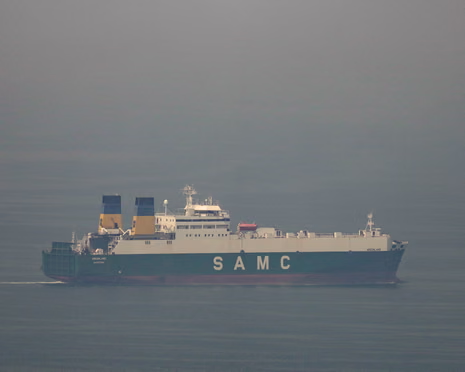
With geopolitical tensions rising and concerns about maritime security increasing, oil prices have surged across international markets, sending shockwaves through economies dependent on imported energy.
The Strait of Hormuz is widely considered the world’s most important oil chokepoint. Every day, millions of barrels of crude oil and petroleum products pass through the narrow channel connecting the Persian Gulf with the Gulf of Oman and the wider Arabian Sea.
Major oil exporters including Saudi Arabia, United Arab Emirates, Kuwait, and Iraq rely heavily on this shipping route to deliver crude oil to global markets in Asia, Europe, and North America.
Analysts estimate that roughly 20 percent of the world’s daily oil supply flows through the strait. This means any threat, disruption, or closure can instantly send global energy markets into turmoil.
Even rumors of potential disruptions have historically been enough to cause dramatic price spikes in crude oil futures.
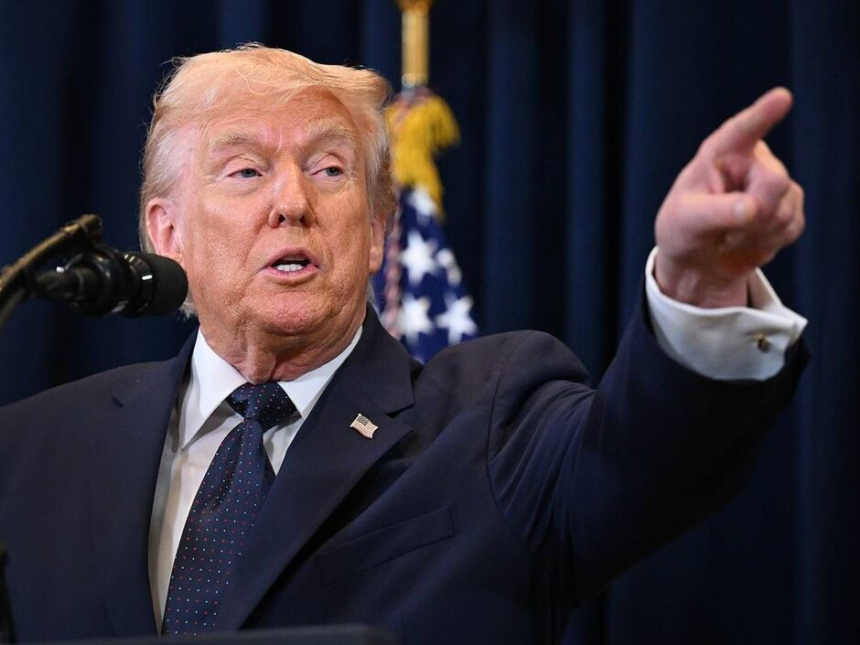
In response to growing instability around the Strait of Hormuz, Donald Trump has urged allied nations to join a coalition aimed at safeguarding shipping lanes and ensuring uninterrupted oil transit through the region.
The proposed coalition would reportedly include naval cooperation from several countries, including the United States, United Kingdom, and other key partners concerned about global energy security.
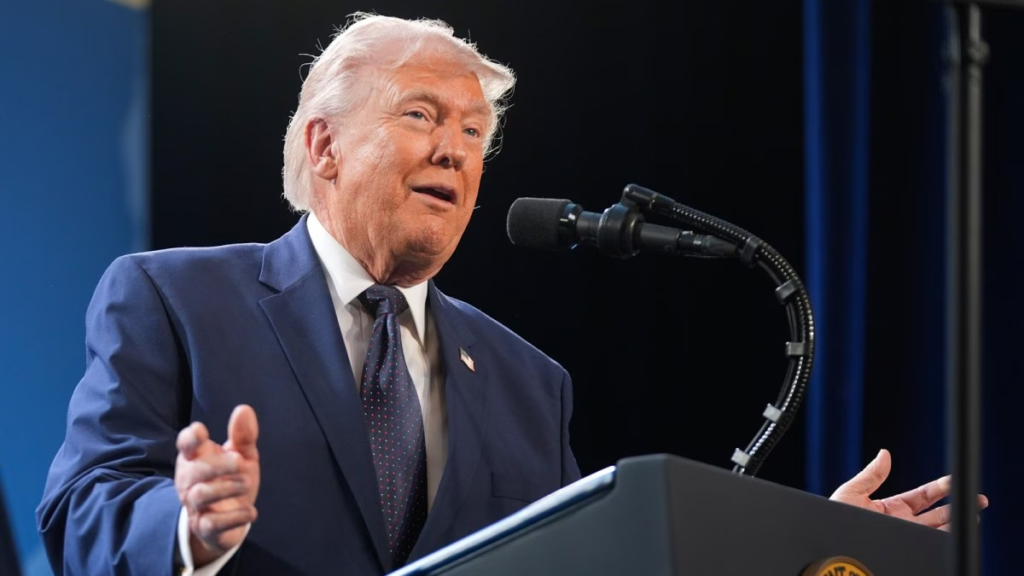
Trump has argued that the global economy depends heavily on uninterrupted oil flows through the Strait of Hormuz. According to his statements, the coalition’s goal would be to deter potential threats to shipping and restore stability in one of the most sensitive maritime regions in the world.
Security experts say such a coalition could involve patrol operations, surveillance missions, and coordinated responses to maritime incidents.
As news of diplomatic efforts and geopolitical tensions spread, oil markets reacted quickly. Brent crude and West Texas Intermediate benchmarks saw significant price increases, reflecting traders’ fears of possible supply disruptions.
Energy analysts note that oil markets are extremely sensitive to developments in the Middle East because of the region’s central role in global energy production.
When investors perceive any risk to supply routes, they often push prices higher in anticipation of possible shortages.
The latest price surge has already affected energy markets worldwide, raising concerns about fuel costs, inflation, and economic stability in many countries.
Countries that rely heavily on imported oil are particularly vulnerable to price fluctuations caused by instability in the Strait of Hormuz.
Major economies such as India, China, Japan, and South Korea import significant portions of their crude oil from Gulf nations.
If oil prices continue rising, these countries may face higher fuel costs, increased transportation expenses, and broader economic challenges.
For emerging economies like India, rising oil prices can also lead to increased inflation and pressure on government budgets, especially when subsidies or fuel price controls are involved.
Beyond oil prices themselves, the rising tensions have also affected maritime shipping operations.
Shipping companies transporting oil through the Strait of Hormuz are facing higher insurance premiums due to perceived security risks. Insurers often classify such regions as “high-risk zones” during periods of geopolitical instability.
As a result, tanker operators may demand higher freight rates to offset increased costs.
This can further amplify the price of oil and petroleum products for consumers around the world.
Security experts warn that maintaining stability in the Strait of Hormuz is critical not only for energy markets but also for international security.
The narrow passage has long been a focal point of geopolitical rivalry, particularly involving Iran and Western powers.
Iran has previously warned that it could restrict shipping through the strait if its economic interests are threatened. Although such actions remain unlikely due to the global consequences, the possibility alone can influence market behavior.
A multinational naval coalition could serve as a deterrent against disruptions while reassuring markets that global powers are committed to maintaining free navigation.
Energy traders and economists warn that oil prices could remain volatile in the coming weeks as diplomatic negotiations and security developments unfold.
If tensions escalate further or if shipping disruptions occur, oil prices could rise even higher. Conversely, successful diplomatic efforts and increased security coordination could stabilize markets.
Energy experts also emphasize the importance of diversifying supply routes and investing in alternative energy sources to reduce dependence on vulnerable chokepoints like the Strait of Hormuz.
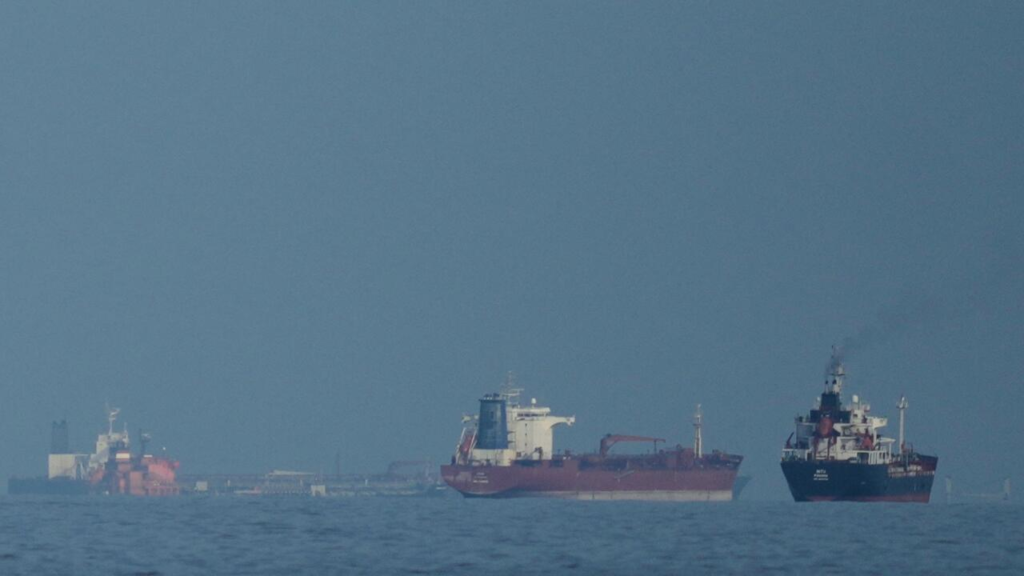
The current crisis highlights the fragile nature of global energy supply chains. As geopolitical tensions increase in key oil-producing regions, the world’s dependence on a few critical transit routes becomes increasingly evident.
Many countries are already exploring strategies to reduce their reliance on Middle Eastern oil routes. These include building strategic petroleum reserves, expanding pipeline infrastructure, and accelerating the transition toward renewable energy.
However, despite these efforts, the Strait of Hormuz remains irreplaceable in the short term due to the massive volumes of oil transported through it daily.
Read Also : 7 Stunning Moments from Kuldeep & Vanshika’s Wedding as Yuzvendra Chahal Steals the Show