
7 Massive Breakthroughs Ahead: India & Canada Set to Sign ‘Immense’ Deals During High-Stakes Mark Carney Visit
India and Canada are set to sign 7 major agreements during Mark Carney’s high-profile visit, signaling a powerful reset in trade, investment, energy, and diplomatic ties
A major diplomatic reset appears to be underway as India prepares to host Canadian leader Mark Carney for a high-profile visit expected to produce a sweeping range of agreements across trade, energy, technology, and geopolitics. Officials on both sides have described the anticipated outcomes as “immense,” signaling that the visit could mark a turning point in bilateral relations that have faced turbulence in recent years.
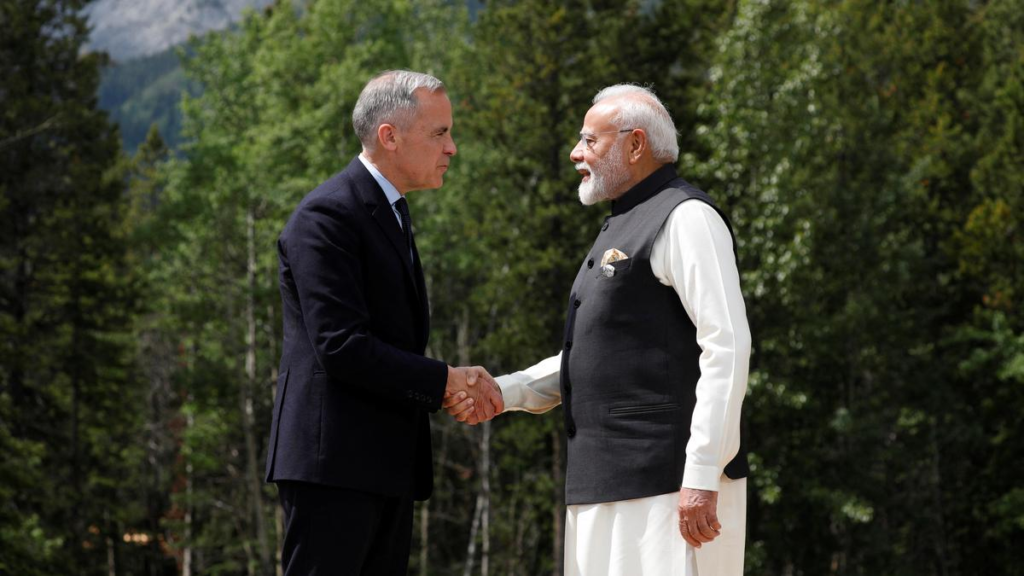
The planned agreements are expected to span multiple sectors and could reshape the trajectory of ties between the two democracies. With global supply chains shifting and new geopolitical alignments emerging, both countries are looking to unlock fresh economic and strategic opportunities through deeper cooperation.
The upcoming visit by Mark Carney is being closely watched by global observers, as it comes at a time when both countries are recalibrating foreign policy priorities. For India, the visit underscores its growing importance as a global economic and strategic partner. For Canada, it represents an opportunity to strengthen ties with one of the fastest-growing major economies in the world.
Diplomatic sources suggest that months of behind-the-scenes negotiations have gone into preparing the ground for this visit. The use of the term “immense” by officials indicates that both sides are aiming for more than symbolic agreements — instead, they are targeting tangible outcomes that could deliver long-term benefits.
One of the most anticipated areas of cooperation is trade. Bilateral trade between India and Canada has grown steadily over the years but still remains below its potential. The visit is expected to accelerate discussions on a comprehensive trade pact or at least a phased agreement focused on priority sectors.
Key industries likely to benefit include agriculture, pharmaceuticals, clean technology, digital services, and advanced manufacturing. Canada’s strength in natural resources and agri-exports could complement India’s growing consumer market, while Indian IT and pharmaceutical sectors could expand their footprint in North America.
Investment flows are also expected to be a major focus. Canadian pension funds and institutional investors have already shown strong interest in India’s infrastructure, real estate, and renewable energy sectors. New frameworks to facilitate easier investment and regulatory clarity may emerge as part of the agreements.
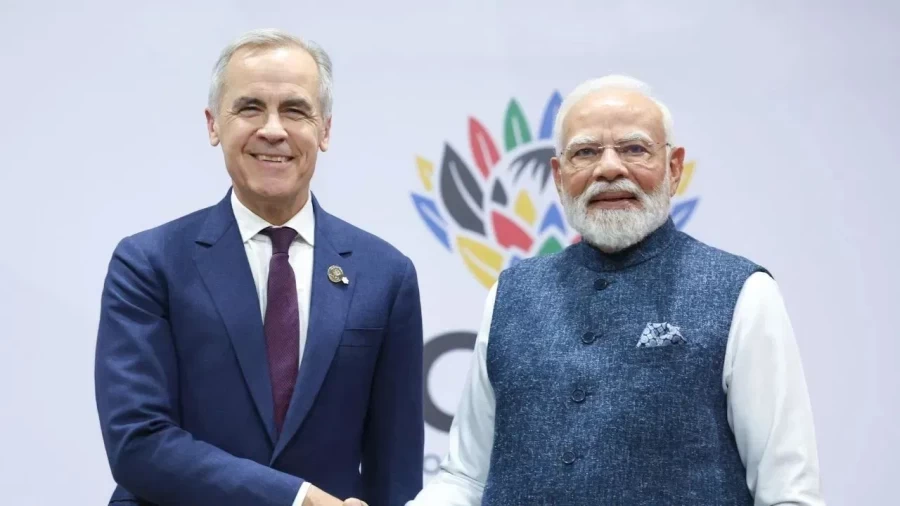
Energy collaboration is expected to be another cornerstone of the deals. As the world transitions toward cleaner energy sources, both countries are looking for reliable partnerships to secure their energy future.
Canada’s vast reserves of critical minerals — essential for electric vehicles, batteries, and renewable technologies — make it a valuable partner for India’s energy transition goals. Agreements could include cooperation in mining, supply chain resilience, and joint ventures in battery technology.
Additionally, discussions around liquefied natural gas (LNG) supplies and hydrogen energy are expected to feature prominently. For India, diversifying energy sources remains a strategic priority, and partnerships with resource-rich nations are key to achieving energy security.
Technology is another area where significant progress is expected. Both nations are innovation-driven economies with thriving startup ecosystems and strong academic institutions. The visit could lead to new collaborations in artificial intelligence, quantum computing, cybersecurity, and digital infrastructure.
Joint research initiatives between universities and tech firms may also be announced, focusing on emerging technologies that will define the next decade. Such partnerships could boost knowledge exchange and create opportunities for startups and entrepreneurs on both sides.
Digital public infrastructure, an area where India has gained global recognition, may also become a focal point of collaboration. Sharing best practices and co-developing digital governance tools could be mutually beneficial.

Beyond economics, the visit carries significant geopolitical implications. Both countries share democratic values and have a vested interest in maintaining a stable, rules-based global order. Strengthening ties could enhance cooperation in multilateral forums and regional security dialogues.
Analysts believe the agreements could also have implications for Indo-Pacific strategy. As global attention increasingly shifts toward the region, deeper India-Canada cooperation may contribute to broader strategic alignments involving like-minded nations.
The visit may also help reset diplomatic ties that have experienced strains in recent years. A strong set of agreements would signal a willingness on both sides to move forward pragmatically and focus on shared interests.
Another important dimension of the relationship is education and migration. Canada remains a top destination for Indian students, and educational exchanges have played a crucial role in building strong people-to-people connections.
New agreements may include expanded academic partnerships, streamlined visa processes, and greater collaboration between universities. Such steps could further strengthen cultural and social ties while supporting economic linkages through skilled migration.
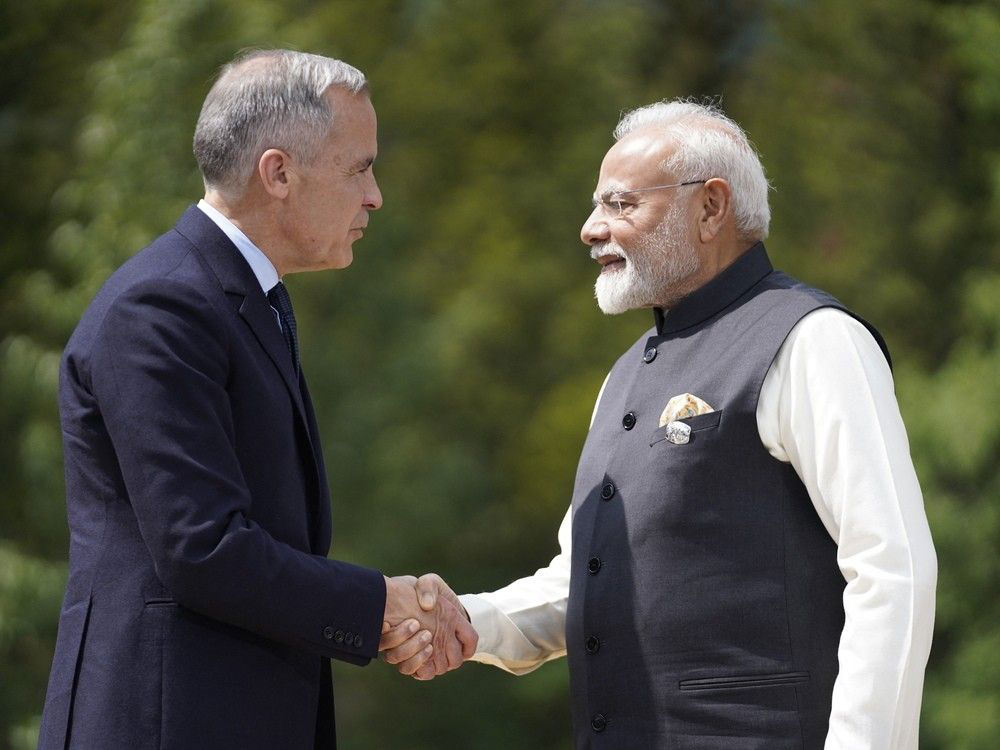
The Indian diaspora in Canada, one of the largest and most influential immigrant communities, also plays a vital role in bridging the two countries. Policies aimed at enhancing diaspora engagement may form part of the broader diplomatic framework.
The business community in both nations is closely watching the developments. Industry leaders have expressed optimism that the visit could unlock new market access and reduce regulatory barriers.
Trade bodies and chambers of commerce have long advocated for deeper economic engagement, arguing that the complementarities between the two economies remain underutilized. If the agreements deliver on expectations, they could trigger a wave of cross-border partnerships and joint ventures.
Startups, in particular, stand to benefit from easier access to capital and collaborative innovation ecosystems. Venture capital firms and technology incubators are already exploring opportunities for cross-border collaboration.
While expectations are high, challenges remain. Trade negotiations between major economies are often complex, involving sensitive sectors and domestic political considerations. Differences over regulatory standards, market access, and labor mobility may require careful balancing.
Additionally, geopolitical sensitivities and domestic political dynamics in both countries could influence the pace of implementation. Experts caution that while announcements may be ambitious, translating them into actionable outcomes will require sustained diplomatic engagement.
However, the willingness to pursue a wide-ranging set of agreements suggests that both governments are committed to overcoming obstacles and building a more resilient partnership.
If successful, the visit could mark a turning point in India-Canada relations. After periods of diplomatic friction, a comprehensive package of agreements would send a strong signal that both nations are ready to prioritize cooperation over differences.
Such a reset would not only benefit bilateral ties but also contribute to broader global stability. In an era of shifting alliances and economic uncertainty, stronger partnerships between major democracies are increasingly valuable.
The symbolism of the visit is also significant. High-level engagements often set the tone for future relations, and a successful outcome could pave the way for more frequent diplomatic exchanges and strategic dialogues.
International observers are likely to interpret the outcomes of the visit through a broader geopolitical lens. Strengthening ties between two major democracies could influence global economic alignments and supply chain dynamics.
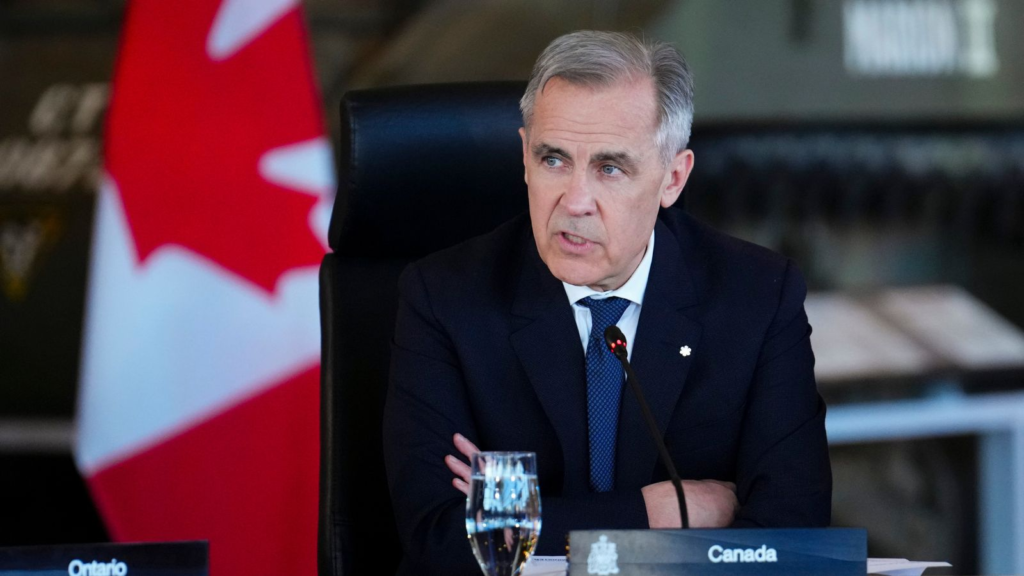
Countries seeking to diversify partnerships and reduce reliance on traditional alliances may view the agreements as a template for future collaborations. The emphasis on innovation, clean energy, and trade resilience aligns with global trends shaping the next phase of globalization.
For both countries, the visit offers an opportunity to project stability, openness, and forward-looking diplomacy on the world stage.
The true impact of the agreements will unfold over time. Implementation will be key, as businesses and institutions begin translating diplomatic announcements into real-world outcomes.
Follow-up mechanisms such as joint working groups, ministerial dialogues, and industry collaborations will play a crucial role in ensuring momentum is sustained. Continued political commitment from both sides will also be essential.
If effectively executed, the agreements could lay the foundation for a long-term strategic partnership that extends beyond trade into areas like defense cooperation, climate action, and global governance.