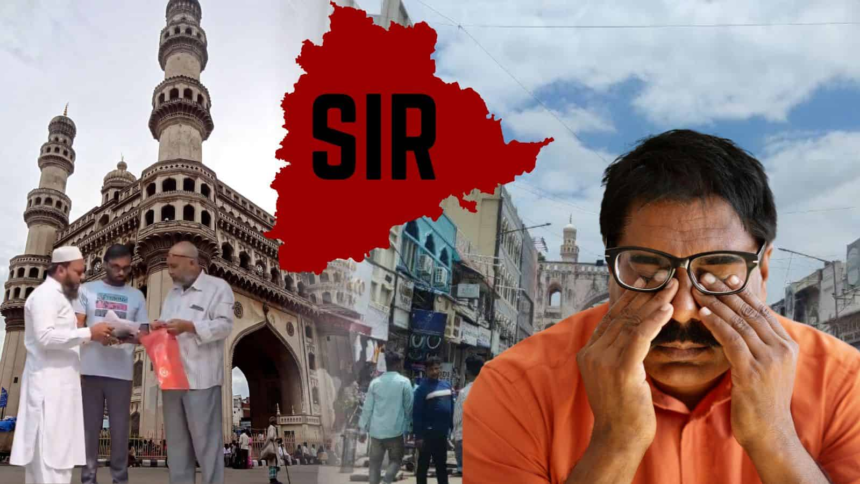
7 Shocking ‘Logical Discrepancies’ That Could Trigger Notice Ahead of SIR in Hyderabad – What Voters Must Know Before Election Commission of India Drive
Stay alert before the SIR drive in Hyderabad. Discover 7 logical discrepancies that could trigger notices and what the Election Commission of India wants voters to verify now
As the Special Intensive Revision (SIR) process gathers momentum ahead of crucial electoral updates, voters in Hyderabad are being urged to carefully review their records. The exercise, led by the Election Commission of India, aims to ensure that electoral rolls are accurate, updated, and free of inconsistencies. However, officials have cautioned that certain “logical discrepancies” in voter data could trigger notices to individuals. Understanding these discrepancies in advance can help citizens avoid unnecessary legal complications or last-minute stress.
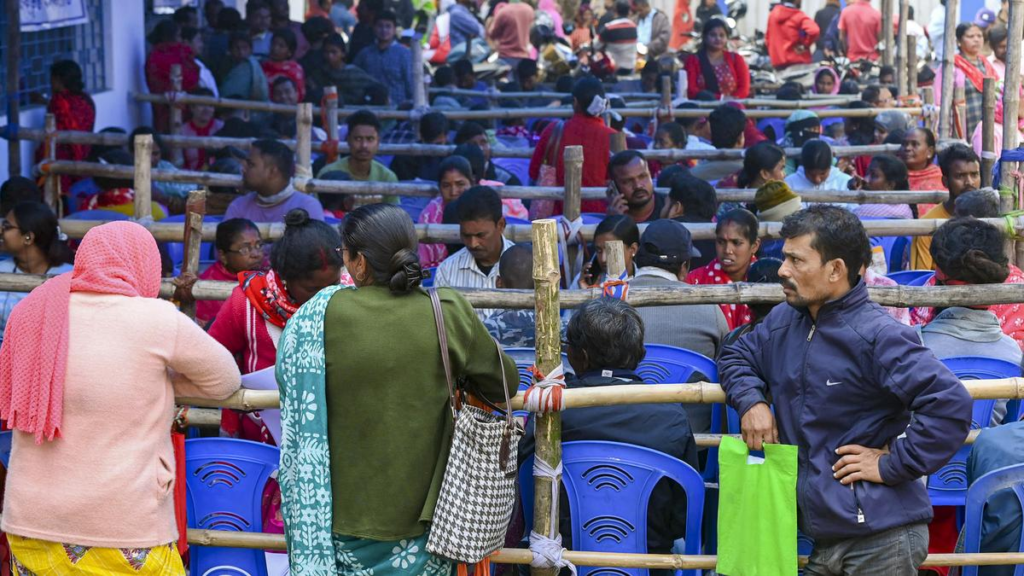
The SIR drive in Hyderabad is part of a broader effort to eliminate errors in voter rolls, identify duplicate entries, and verify demographic accuracy. While the initiative is administrative in nature, it carries serious implications. If discrepancies are detected, voters may receive notices requiring clarification or documentation. In some cases, failure to respond could lead to temporary removal or suspension of voter status until verification is complete.
Electoral roll accuracy is fundamental to free and fair elections. Over the years, migration, urban expansion, and digital data integration have made record management more complex. Hyderabad, being one of India’s fastest-growing metros, faces unique challenges due to rapid population movement and address changes. Authorities say the SIR is not meant to intimidate voters but to ensure transparency and fairness in the democratic process.
Still, confusion often arises due to unfamiliar terminology and procedural steps. Many voters only learn about discrepancies when they receive official notices. By proactively identifying common red flags, individuals can safeguard their voting rights and maintain compliance.
Here are the most common inconsistencies flagged during previous revisions and expected to be under scrutiny in the current SIR:
One of the most common triggers is duplicate voter registration. This typically happens when individuals relocate but fail to delete their old entries before registering at a new address. Digital roll consolidation now makes it easier for authorities to detect such overlaps. If flagged, voters may be asked to confirm their primary place of residence.
Inconsistencies in name spelling, age, or gender details across official documents can also raise red flags. For instance, variations between Aadhaar, voter ID, and passport records may be treated as logical discrepancies. Even minor spelling errors could lead to verification notices.
If a voter’s declared age does not align with earlier records or appears statistically improbable, it may trigger scrutiny. This is particularly common in cases where records were manually entered decades ago and later digitised, causing mismatches.
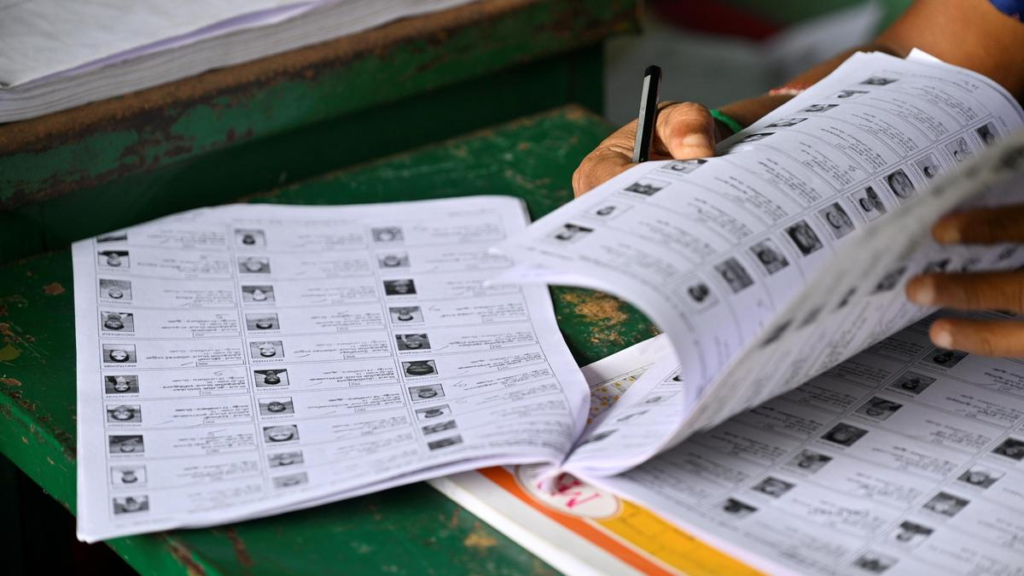
Urban professionals and students often maintain multiple addresses due to work or education. However, if electoral records reflect multiple active residential claims, authorities may seek clarification. The SIR process emphasizes “one voter, one constituency,” making address verification critical.
Voters who have not participated in elections for several cycles may find their entries flagged for revalidation. While non-voting is not illegal, prolonged inactivity sometimes prompts verification drives, especially if demographic patterns suggest migration or relocation.
Household-level mismatches—such as family members registered in different constituencies despite living together—can also attract attention. Authorities often analyse family clusters to identify anomalies in voter mapping.
In rare cases, clusters of new registrations from a single address or locality may trigger broader checks. This is usually aimed at detecting potential fraud or organised irregularities. Genuine voters in such areas may still receive notices as part of mass verification.
Receiving a notice during the SIR process does not imply wrongdoing. Officials stress that notices are primarily clarificatory. In most cases, voters simply need to provide supporting documents such as proof of residence, identity verification, or updated demographic details.
The response window typically ranges from a few days to a few weeks, depending on the nature of the discrepancy. Ignoring notices, however, can complicate matters. Failure to respond may lead to temporary suspension of voting rights until the discrepancy is resolved.
To avoid last-minute hassle, voters should keep the following documents accessible:
- Updated voter ID card
- Aadhaar or other government-issued ID
- Address proof such as utility bills or rental agreements
- Birth certificate or educational records for age verification
- Affidavits in case of name or address changes
Digital copies are also increasingly accepted, but physical documents may still be required for in-person verification.
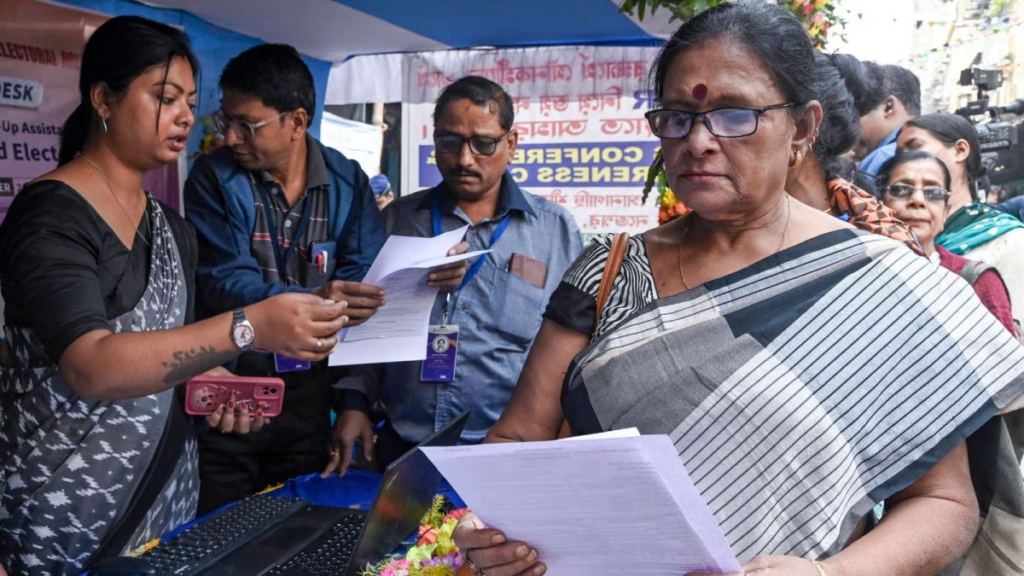
The SIR drive reflects the Election Commission’s push toward data integration and digital governance. By linking multiple government databases, authorities can identify anomalies faster than ever before. While this improves efficiency, it also increases the likelihood of automated flags—even for genuine voters.
Experts say digital systems rely heavily on algorithmic matching, which may sometimes produce false positives. For example, two individuals with similar names and birth years might be flagged incorrectly. This is why prompt clarification is crucial.
Some civil society groups have expressed concerns about the possibility of genuine voters being inconvenienced. However, election officials maintain that safeguards are in place to prevent wrongful deletions. The emphasis, they say, is on verification rather than elimination.
Authorities have also assured that field officers will conduct door-to-door checks where necessary. Helplines and online portals are expected to be activated to assist voters in tracking their status and submitting documents.
Voters can proactively verify their electoral details online through official portals or mobile apps linked to the election database. By entering basic information such as name, constituency, or voter ID number, individuals can confirm whether their records are accurate.
If discrepancies are found, corrections can often be submitted digitally before notices are issued. This preventive approach can save time and reduce bureaucratic hurdles.
- Regularly update your voter details after relocation
- Ensure uniform spelling across all official documents
- Respond promptly to any official communication
- Avoid multiple registrations, even temporarily
- Encourage family members to verify their records together
Staying proactive is the simplest way to ensure uninterrupted voting rights.
The SIR initiative is part of a broader national effort to strengthen electoral credibility. Accurate voter rolls not only prevent fraud but also enhance public trust in democratic institutions. By identifying logical discrepancies early, authorities aim to create a cleaner, more transparent electoral process.
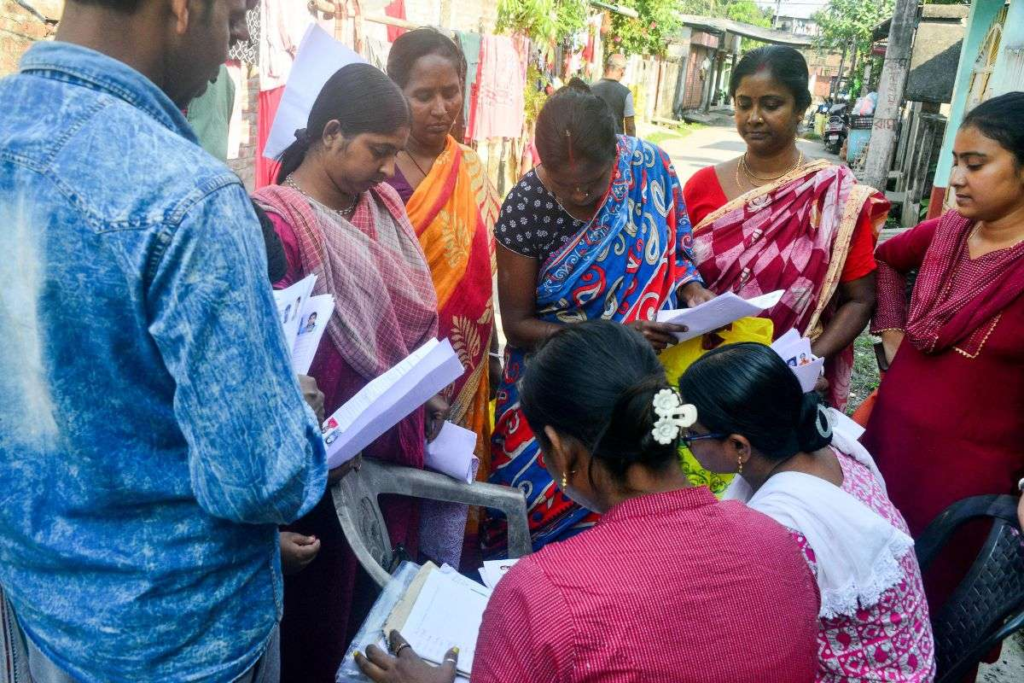
For Hyderabad residents, the ongoing revision is both a reminder and an opportunity. While notices and verifications may seem cumbersome, they ultimately contribute to a more reliable electoral system. The key is awareness—understanding what triggers discrepancies and taking timely corrective action.
As the Special Intensive Revision unfolds, voters should treat the process as a routine administrative update rather than a cause for alarm. Most discrepancies are easily resolvable with proper documentation and timely response. By staying informed and vigilant, citizens can ensure their names remain securely on the electoral rolls.
In a rapidly evolving urban landscape, data accuracy is more important than ever. The SIR drive underscores the need for individuals to take ownership of their electoral identity. Whether you’re a long-time resident or a recent migrant, now is the time to double-check your details and stay prepared. After all, a verified voter roll is the foundation of a healthy democracy—and every verified vote counts.