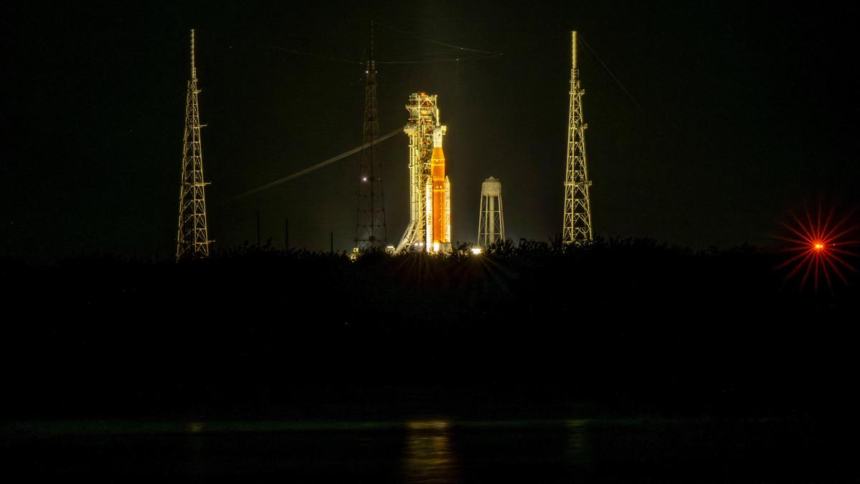
7 Stunning Milestones as NASA Nails Successful Artemis 2 Lunar Launch Rehearsal
NASA completes a successful rehearsal of the Artemis 2 lunar launch, marking a major step toward humanity’s return to the Moon
The global space community celebrated a major milestone as NASA successfully conducted a full-scale rehearsal for the Artemis 2 lunar launch. The achievement marks a crucial step in humanity’s return to deep space exploration and signals growing momentum behind the ambitious Artemis campaign. The rehearsal, often described as a “dress rehearsal” for launch day, validates critical systems, procedures, and coordination needed to safely send astronauts on a historic journey around the Moon.
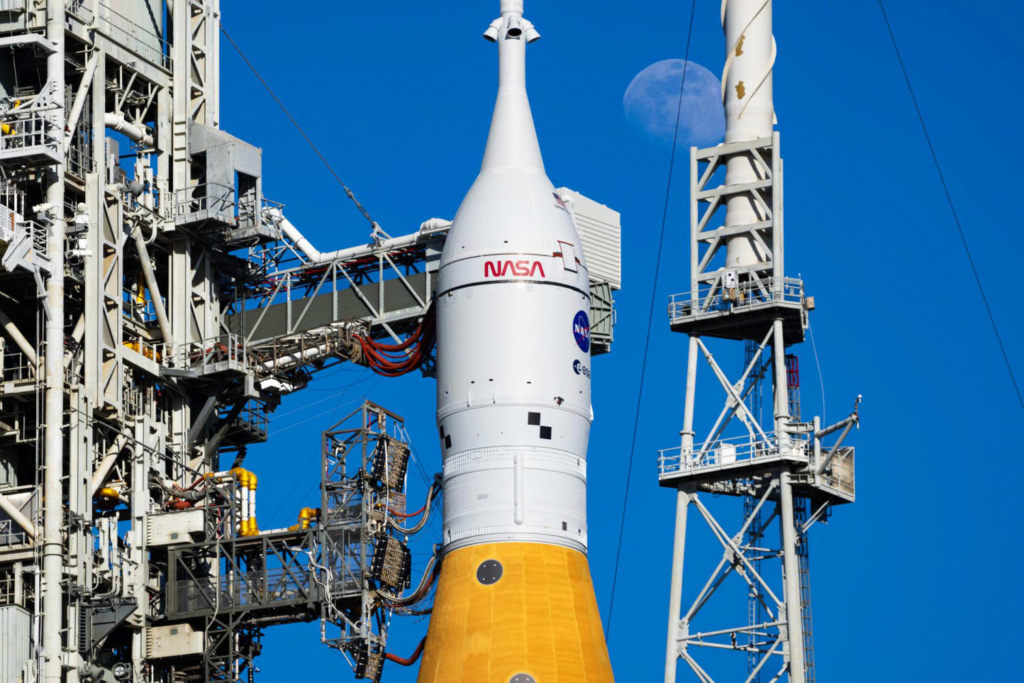
The Artemis 2 mission is designed to be the first crewed flight in NASA’s Artemis era, building on the success of the uncrewed Artemis 1 mission. While Artemis 1 proved the viability of deep-space systems, Artemis 2 will carry astronauts on a lunar flyby, testing human-rated technologies and life-support systems in real conditions.
The successful rehearsal demonstrates that NASA’s long-term vision for sustained lunar exploration is steadily progressing. It also reaffirms the agency’s broader objective of establishing a permanent human presence near the Moon—an essential stepping stone toward future missions to Mars.
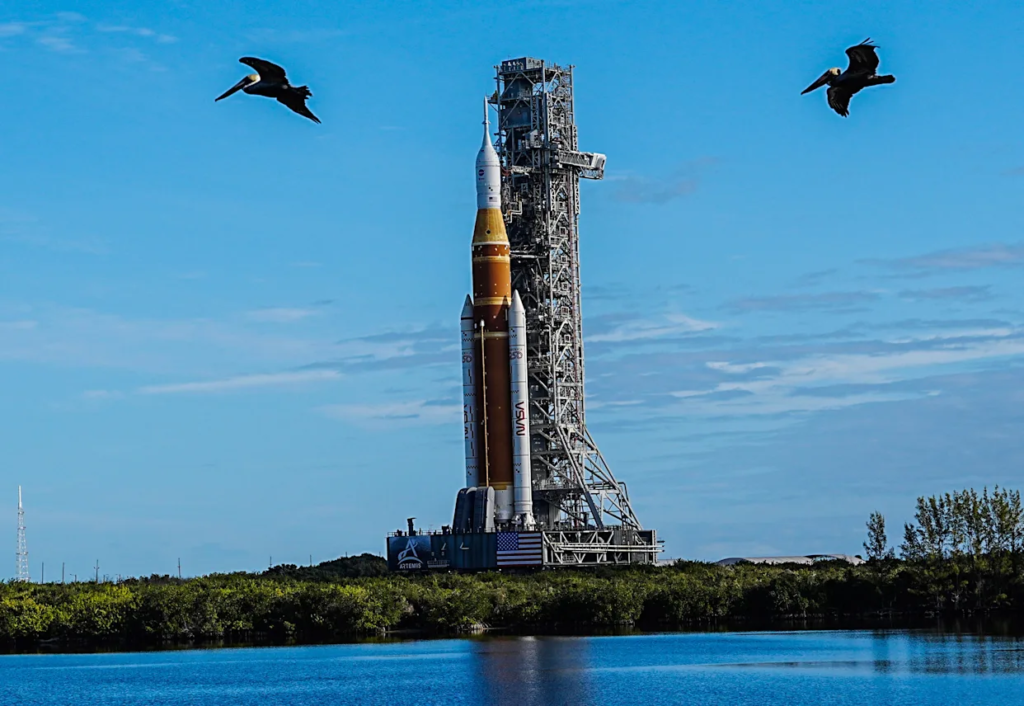
The rehearsal simulated nearly every phase of launch day operations, from fueling procedures to countdown sequences and emergency readiness drills. Engineers, flight controllers, and mission teams worked in synchronized fashion to mimic real-world launch conditions as closely as possible.
One of the most complex elements was the fueling simulation. Handling cryogenic propellants under strict safety constraints requires flawless coordination. The rehearsal ensured that ground systems, safety protocols, and operational timelines are aligned for an eventual crewed launch.
NASA officials emphasized that rehearsals of this scale are critical for identifying potential vulnerabilities before the actual mission. By simulating real conditions, teams can fine-tune processes and reduce risks associated with human spaceflight.
Unlike robotic missions, Artemis 2 represents the return of astronauts to deep space for the first time since the Apollo era. The mission will not land on the Moon but will orbit it, validating systems needed for future landings.
This flight serves multiple purposes. It will test spacecraft life-support systems, evaluate crew safety during long-duration space travel, and refine navigation strategies for lunar missions. Every data point collected will shape upcoming missions, including Artemis 3, which aims to land astronauts on the lunar surface.
The success of Artemis 2 could redefine humanity’s relationship with the Moon—not as a distant destination but as a gateway for long-term exploration and scientific discovery.
The Artemis campaign represents one of the most technologically advanced space programs ever undertaken. It integrates cutting-edge propulsion systems, advanced avionics, and upgraded crew modules designed for deep-space endurance.
The spacecraft used for Artemis missions has been engineered with enhanced radiation shielding, improved navigation systems, and next-generation communication tools. These upgrades are essential for missions beyond low Earth orbit, where astronauts face harsher conditions and longer travel times.
The rehearsal validated the integration of these technologies, ensuring that spacecraft and launch infrastructure function seamlessly together. Such validation is crucial when preparing for human missions that demand near-perfect reliability.
Beyond hardware, Artemis 2 is fundamentally about human readiness. Astronauts selected for the mission have undergone years of rigorous training, including simulations, survival exercises, and deep-space navigation drills.
The rehearsal also involved coordination between astronauts and mission control teams. Effective communication and real-time decision-making are essential for missions that extend far beyond Earth’s immediate orbit.
NASA has stressed that human spaceflight introduces variables that robotic missions do not. Psychological readiness, adaptability, and teamwork are just as critical as engineering excellence. The rehearsal provided valuable insights into how crews and ground teams will operate together during the mission.
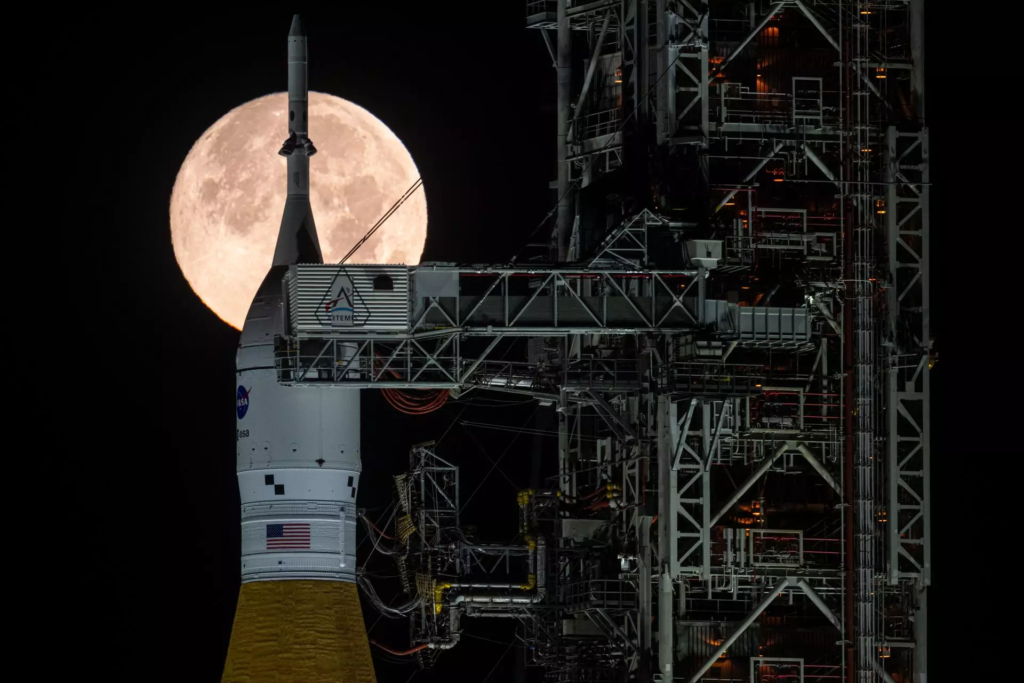
While NASA leads the Artemis initiative, the program reflects a new era of international cooperation in space exploration. Multiple space agencies and private partners are contributing technology, infrastructure, and expertise.
Global collaboration has enabled faster innovation cycles and shared scientific goals. It also reinforces the idea that lunar exploration is not a competition but a collective endeavor aimed at advancing humanity’s understanding of space.
The Artemis framework encourages allied nations to participate in lunar missions, develop supporting technologies, and contribute to the emerging cislunar economy. This cooperative model marks a shift from the geopolitical rivalries that once defined early space exploration.
Artemis missions are expected to unlock unprecedented scientific insights. By returning humans to the Moon, researchers hope to study lunar geology in greater detail, analyze ancient surface materials, and better understand the early history of the solar system.
The Moon also serves as an ideal testbed for technologies needed for Mars exploration. Low gravity, harsh radiation, and extended isolation create conditions similar to deep-space missions. Lessons learned from Artemis 2 will directly inform how future astronauts prepare for journeys to Mars.
Moreover, the lunar environment offers unique opportunities for astronomy. The far side of the Moon, shielded from Earth’s radio interference, could host powerful telescopes capable of observing the universe with unprecedented clarity.
The Artemis program is not just a scientific mission—it is also a catalyst for economic growth. The development of lunar infrastructure could give rise to new industries, including space mining, orbital manufacturing, and deep-space logistics.
Private companies are already investing in technologies designed to support lunar missions, from landers to habitat modules. The success of Artemis 2 could accelerate private-sector involvement, fueling innovation and reducing long-term mission costs.
Strategically, the mission underscores the importance of maintaining leadership in space exploration. Nations that invest early in lunar infrastructure may gain advantages in emerging space economies and technological ecosystems.
One of the most powerful impacts of Artemis 2 lies in its ability to inspire. Historic space missions have always captured public imagination, and the return of humans to deep space is expected to reignite global interest in science and engineering.
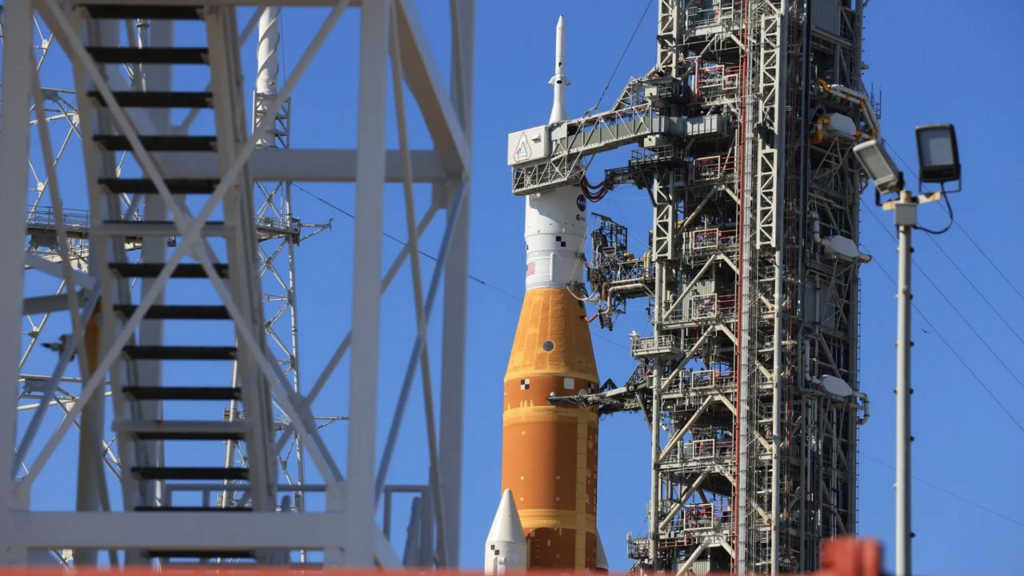
Educational institutions and STEM programs worldwide are already leveraging the Artemis narrative to encourage students to pursue careers in aerospace, robotics, and planetary science. The mission symbolizes the enduring human drive to explore beyond known boundaries.
NASA officials have repeatedly emphasized that Artemis is designed to be inclusive and forward-looking, with a focus on diversity and global participation. The mission aims to inspire not just scientists and engineers but anyone who dreams of exploring the cosmos.
Despite the successful rehearsal, challenges remain. Human spaceflight is inherently complex, and even minor technical issues can have significant implications. NASA will continue conducting additional tests, simulations, and safety reviews before finalizing the launch timeline.
Budget constraints, technological hurdles, and unpredictable variables in space exploration mean that flexibility remains essential. However, the successful rehearsal significantly boosts confidence in the mission’s readiness.
NASA’s cautious approach reflects lessons learned from decades of space exploration. By prioritizing safety and rigorous testing, the agency aims to minimize risks while pushing the boundaries of what is possible.
The successful Artemis 2 rehearsal signals a broader shift in the trajectory of human space exploration. For the first time in decades, humanity is preparing not just to visit the Moon but to stay and build a sustained presence.
Future Artemis missions aim to establish lunar bases, develop advanced habitats, and enable long-duration stays on the Moon. These initiatives will lay the groundwork for deeper exploration, including crewed missions to Mars and beyond.
As the Artemis roadmap unfolds, each milestone builds momentum toward a future where space exploration becomes more accessible and collaborative. The rehearsal is a reminder that major achievements are often built on years of preparation, testing, and incremental progress.
Read Also : 5 Big Signals as India Joins Donald Trump’s Board of Peace Meeting as Observer Nation