

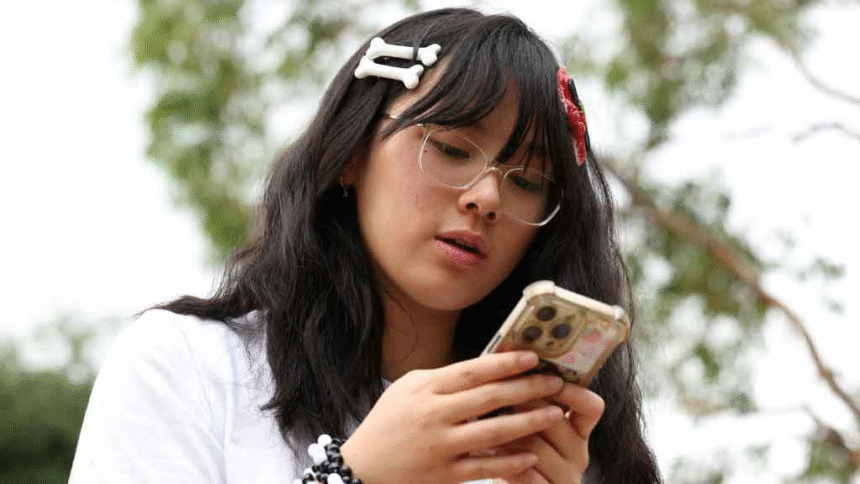
Australia Enforces World-First Social Media Ban: Bold New Law Protects Over 3 Million Teens in 2025
Australia launches a world-first teen social media ban in 2025, enforcing strict age checks to protect 3.2 million minors from online risks and digital addiction
Australia has taken a groundbreaking global lead by becoming the first nation in the world to officially enforce a social media ban for teenagers under 16. This bold 2025 law, which experts are calling the strongest online safety reform of the decade, aims to shield more than 3.2 million minors from the growing dangers of social media misuse, digital addiction, cyberbullying, and harmful content exposure.
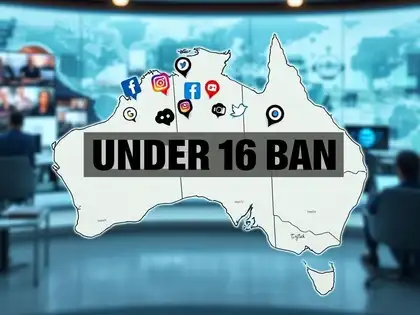
This decision marks a turning point not only for Australia but for the global tech landscape, as governments worldwide watch closely to see how this law reshapes youth behavior, online safety, and corporate responsibility among big tech companies.
Over the past decade, children and teens have become deeply immersed in social media ecosystems—often from ages as young as 10 or 11. Research highlighted several alarming trends:
Studies revealed that excessive social media use was directly connected to spikes in anxiety, depression, body dissatisfaction, and sleep disturbances among minors.
Both parents and educators reported an escalation in harassment and online threats targeting school-age children.
Both parents and educators reported an escalation in harassment and online threats targeting school-age children.
The Australian social media restrictions introduced in 2025 are not symbolic—they are legally binding and backed by strict penalties.
Platforms like Meta, TikTok, Instagram, Snapchat, and YouTube must implement advanced age-verification systems using AI, facial recognition, or government-approved digital ID checks.
Minors below 16 will no longer be permitted to have accounts, access feeds, or interact via social media platforms.
Older teens will need verified parental approval before creating or maintaining accounts.
Tech companies that fail to uphold these restrictions face enormous fines—up to $6 million per violation.
Social media companies must sweep for underage accounts and remove them promptly.
Australia’s leaders emphasize that protecting children is a moral responsibility as digital dangers grow more sophisticated each year.
Key members of Parliament highlighted:
Escalating mental health emergencies
Growing pressure on schools
Rising exploitation risks
Addictive algorithmic designs targeting minors
One minister announced:
“Australia refuses to let big tech shape our children’s future. This ban puts families—not algorithms—back in control.”
The world is divided on the new policy, but the global reaction has been intense.
Parents across Europe, India, the U.S., and Southeast Asia praised Australia for taking action other nations have hesitated to attempt.
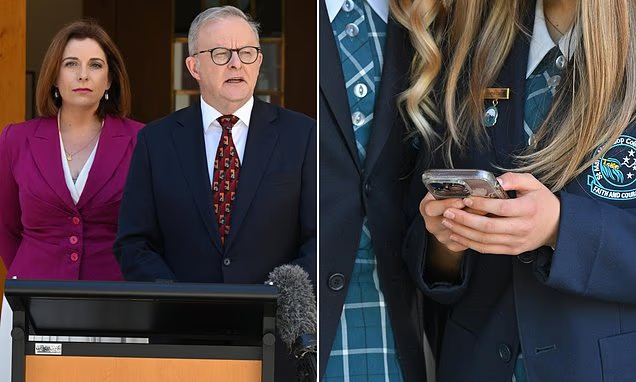
Big tech firms argue the ban may harm “digital rights” and “freedom of expression,” but critics say platforms have prioritized profit over safety for too long.
Teachers expect reduced distraction, fewer cyberbullying incidents, and improved academic focus.
Some privacy advocates warn that new verification systems may create data security risks.
Teens may finally detach from hyper-addictive algorithms engineered to keep them scrolling for hours.
Studies predict lower anxiety, improved self-esteem, and fewer sleep disorders.
Parents hope the shift encourages more outdoor activity, sports, offline friendships, and family interaction.
Minors will no longer be pushed toward adult content, violent videos, dangerous challenges, or extremist content.
Experts believe this law could spark a global trend. Several nations—including the U.S., U.K., Canada, New Zealand, India, and France—are expected to monitor Australia’s progress and consider adopting similar restrictions.
If successful, Australia will not only protect an entire generation but reshape digital safety policies for the entire world.
Australia has officially launched a world-first social media ban for teenagers under 16, marking one of the most aggressive online safety policies introduced in 2025. As concerns surrounding cyberbullying, mental health struggles, and excessive screen addiction continue to rise, the Australian government has announced that this ban is a crucial move to safeguard the digital wellbeing of more than 3.2 million minors.
This landmark law is already being described as a “global benchmark” for online child protection, with nations across Europe, Asia, and North America watching closely. Australia has transitioned from discussion to decisive action, becoming the first country to introduce enforceable online age restrictions backed by strict technological checks and legal penalties.
Over 70% of Australian teens reported anxiety, low self-esteem, or sleep disruption due to social media exposure. Psychologists directly linked these issues to endless scrolling, comparison culture, and harmful algorithmic content.
Schools and parents reported a 40–45% surge in cyberbullying over the past five years. Many students faced harassment through anonymous messages, fake profiles, and viral humiliation trends.
Millions of children under 13—some as young as 9 or 10—had active accounts by simply entering a fake birth year. Social media companies were widely criticized for allowing underage access without proper verification.
Faced with these challenges, the government concluded that self-regulated policies by tech companies were no longer enough, and only a legally enforced ban could protect young minds effectively.
While the law has received praise from parents and educators, it has also triggered debate among tech companies and privacy advocates. Some argue that strict age verification could compromise user data, while others believe the ban is necessary to force accountable digital design.
Regardless of the controversy, one fact is clear: Australia has set a powerful precedent. If the policy proves effective, it is likely to inspire similar reforms in other countries.
Read Also : 10 Big Overnight Changes Affecting Indian Stocks — From GIFT Nifty to Gold Prices

