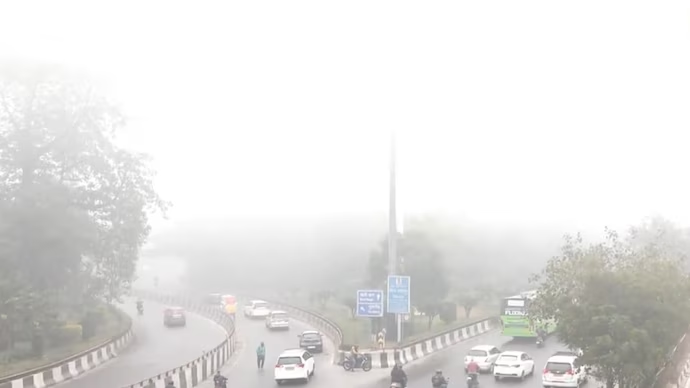
Dense Fog Engulfs Delhi-NCR: Visibility Plunges to Near Zero as AQI Stays ‘Very Poor’ for 5th Straight Day
Dense fog grips Delhi-NCR as visibility drops sharply, disrupting travel and daily life. Air Quality Index remains in the very poor category, raising health concerns across the region
Delhi and its adjoining areas in the National Capital Region (NCR) woke up to dense fog on Thursday morning, significantly affecting visibility, impacting flight and transport operations. The air quality index was recorded at 358, according to the Central Pollution Control Board (CPCB), with some monitoring stations in the severe category and others on the brink of the same.
Visuals from various parts of Delhi and the NCR, including Noida, Greater Noida and Ghaziabad, showed visibility massively curtailed due to thick smog blankets.
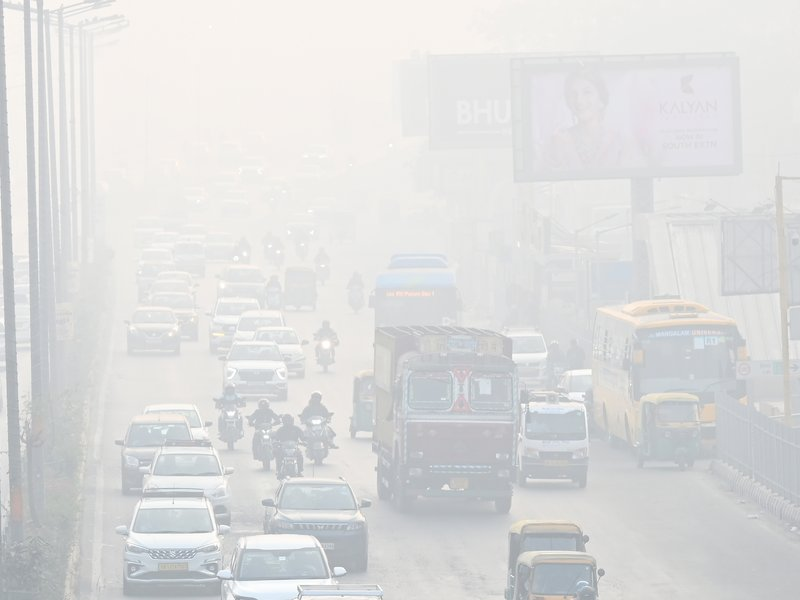
The India Meteorological Department (IMD) had predicted a foggy situation in the early hours of Thursday. However, the weather body also forecast that the presence of surface winds during the day will prevent prolonged foggy conditions, thereby allowing visibility to improve as the day progresses.
The Delhi airport, which has been consistently updating passengers about the status of flight operations, initially said that it’s currently functioning under CAT III conditions but later informed that planes are departing and arriving normally. So far, as many as 14 flights have been impacted at the airport.
Some airlines such as Air India and SpiceJet also issued advisories, urging passengers to check their flight status before starting their journey as fog in Delhi and other north Indian states may impact operations.
The 24-hour average AQI in Delhi settled at 334 on Wednesday. In Noida, Greater Noida and Gurugram – all in NCR – the AQI was recorded at 331, 310 and 279, respectively.
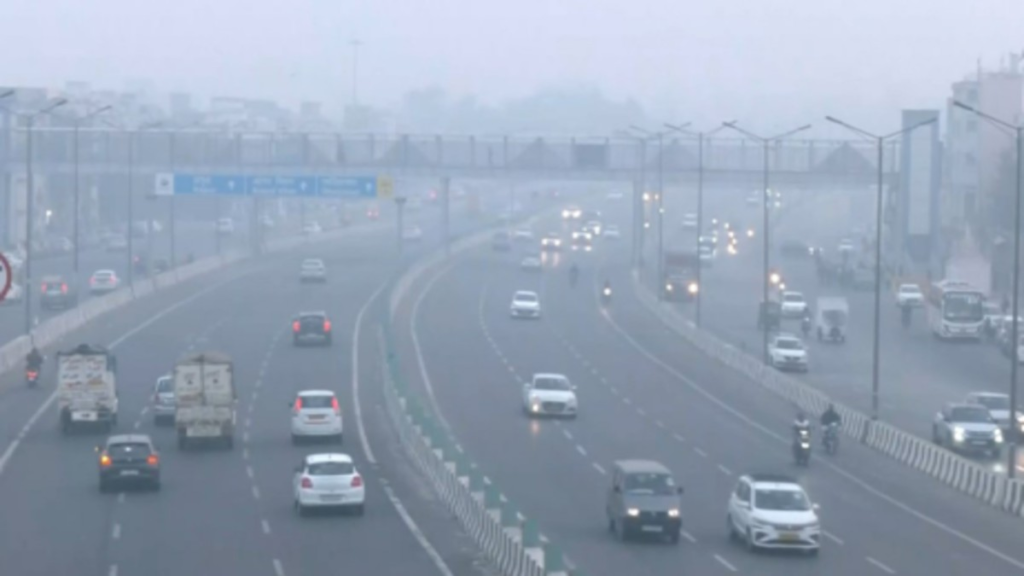
The predominant surface wind is likely to be from the northwest direction with wind speeds up to 10 kmph during the morning hours, the IMD said. The wind speed will increase to 15 kmph from the northwest in the afternoon before dropping below 10 kmph from the west in the evening and night. This variation in wind patterns is expected to assist in dispersing the fog and maintaining clearer conditions during daylight hours on Thursday.
The Air Quality Early Warning System for Delhi predicted the AQI to oscillate between very poor and severe categories over the next six days. The IMD has forecast no significant change in the minimum temperature in northwest India during the next two days and a gradual rise by 2 degrees Celsius thereafter during the subsequent two days.
Delhi-NCR is yet to witness any cold wave this season, with the harsh winters that typically set in by this time of December missing. On Wednesday, the capital recorded a minimum temperature of 10.4 degrees Celsius, 2.3 notches below normal, while the maximum temperature settled at 24.7 degrees Celsius, 2.5 degrees above normal, according to the IMD.
Meanwhile, restrictions on vehicles below BS-VI norms and lacking Pollution Under Control (PUC) Certificates begin today. Under Grap IV, the strictest anti-pollution curbs, fuels will be denied to vehicles without the PUCC and all non-Delhi vehicles below BS-VI norms will be barred from entering the capital.
Dense fog once again blanketed Delhi-NCR, pushing visibility levels to dangerously low levels and causing widespread disruption across air, rail, and road transport. Early morning commuters across Delhi, Noida, Gurugram, Ghaziabad, and Faridabad woke up to a thick grey haze, with visibility in several areas dropping to near zero. The weather phenomenon, combined with persistently poor air quality, has intensified health concerns and highlighted the ongoing winter pollution crisis in the national capital region.
According to weather experts, dense to very dense fog conditions were observed during the early morning hours, particularly between 4 am and 9 am, when temperatures dipped sharply. Several monitoring stations reported visibility ranging between 50 to 200 metres, forcing authorities to issue travel advisories. Drivers were urged to use fog lights, maintain safe distances, and avoid unnecessary travel during peak fog hours.
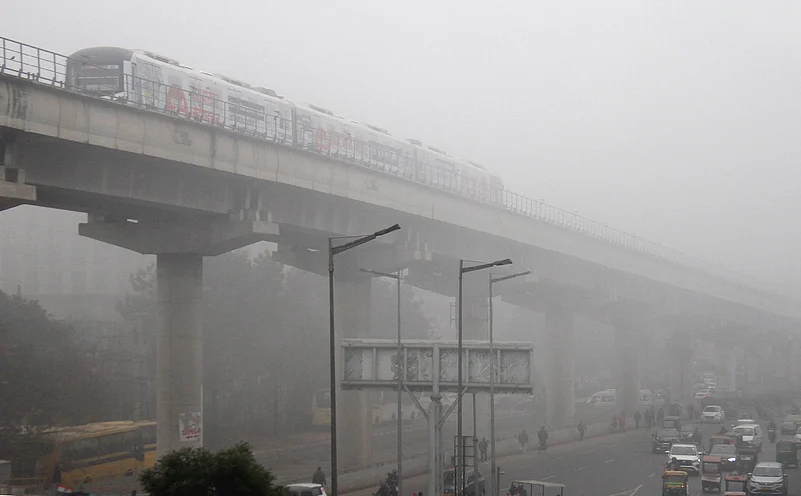
Air traffic was among the worst affected, with multiple flights delayed at Indira Gandhi International Airport. While major airports are equipped with CAT-III landing systems that allow aircraft to operate in low-visibility conditions, cascading delays were reported as aircraft schedules were disrupted. Railway services also suffered, with several long-distance trains arriving hours behind schedule due to safety restrictions imposed during foggy conditions.
Road commuters faced slow-moving traffic on major highways, including the Delhi-Meerut Expressway, NH-48, and the Noida-Greater Noida Expressway. Traffic police deployed additional personnel at accident-prone stretches and intersections to manage congestion and ensure smoother flow. Despite these measures, several minor accidents were reported due to reduced visibility.
Adding to the weather woes, the Air Quality Index (AQI) across Delhi-NCR remained in the “very poor” category for yet another day. Data from pollution monitoring agencies showed AQI levels hovering between 350 and 400 in many areas, with some hotspots touching severe levels. High concentrations of PM2.5 and PM10 pollutants continued to dominate the air, posing serious health risks, especially for children, the elderly, and people with respiratory conditions.
Health experts have warned that prolonged exposure to polluted air combined with cold weather and fog can exacerbate breathing problems, trigger asthma attacks, and increase the risk of cardiovascular issues. Hospitals across the region reported a rise in patients complaining of coughing, wheezing, eye irritation, and throat infections. Doctors advised residents to limit outdoor activities, wear protective masks, and use air purifiers indoors wherever possible.
Meteorologists explained that the dense fog is a result of high moisture levels, calm winds, and falling night-time temperatures — conditions typical of North India during peak winter. The absence of strong winds has also prevented the dispersal of pollutants, allowing harmful particles to accumulate near the ground. Experts warned that similar conditions are likely to persist over the next few days unless western disturbances or stronger winds bring relief.
The Delhi government and pollution control authorities have continued to enforce anti-pollution measures under the Graded Response Action Plan (GRAP). These include restrictions on construction activities, increased monitoring of industrial emissions, and stricter checks on vehicular pollution. However, environmentalists argue that long-term solutions such as reducing dependency on fossil fuels, improving public transport, and controlling crop residue burning in neighbouring states are essential to prevent recurring winter pollution crises.
As residents brace for more foggy mornings and unhealthy air, authorities have urged people to stay informed through weather updates and air quality alerts. Schools and offices have been advised to remain flexible with timings, especially for young children. Until weather conditions improve, Delhi-NCR continues to battle the dual challenge of dense fog and toxic air — a recurring reminder of the region’s urgent environmental challenges.
Read Also : Bondi Beach Tragedy: Australia Holds 1st Funeral for Attack Victims as Nation Mourns