

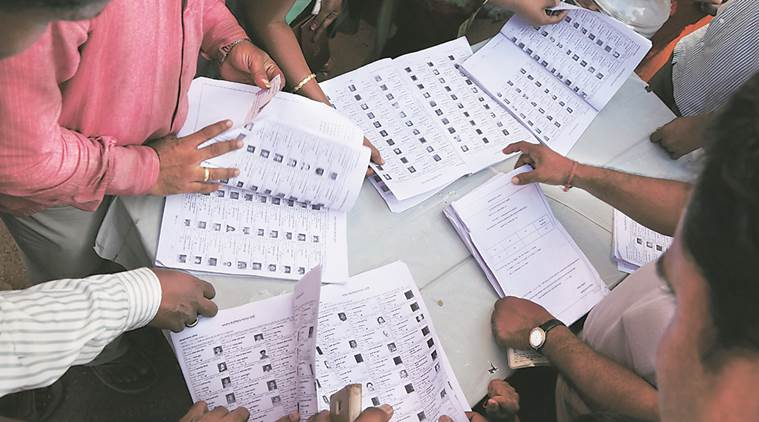
EC Releases Madhya Pradesh Electoral Data: 5 Easy Steps to Check Voter Details Online
The Election Commission has released electoral data for Madhya Pradesh
The Election Commission of India (ECI) has officially released the latest electoral data for Madhya Pradesh, offering voters an updated and transparent look at the state’s electoral rolls. This release is a crucial step in ensuring free, fair, and inclusive elections, as it allows citizens to verify their voter details, check polling station information, and correct any discrepancies well ahead of upcoming electoral exercises.
With elections forming the backbone of India’s democracy, the publication of updated electoral data is not merely a procedural update but an essential civic tool. For millions of voters across Madhya Pradesh, this data empowers them to participate confidently in the democratic process.
This article explains what the newly released electoral data includes, why it matters, and how voters can easily check their details online or offline.
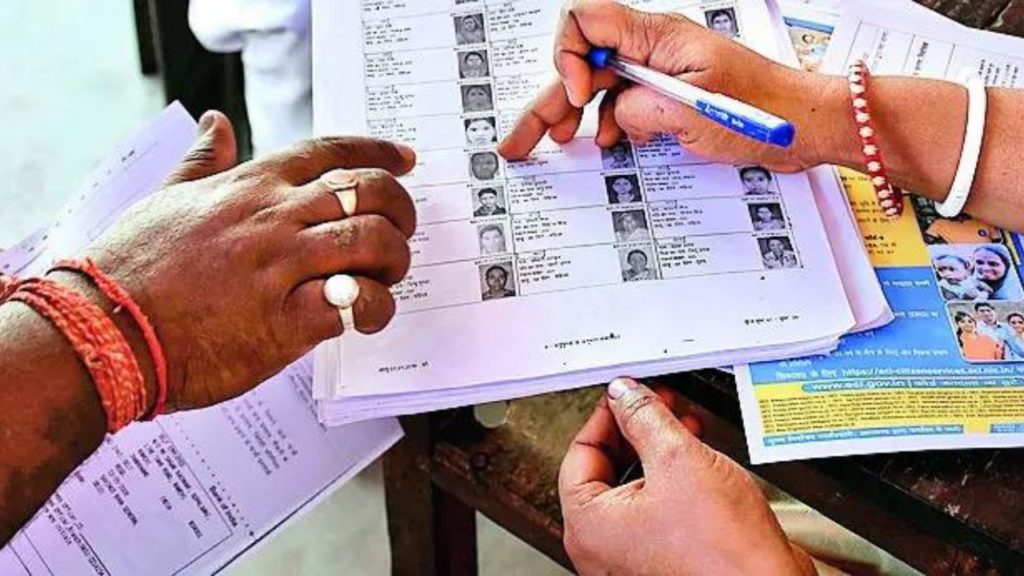
Electoral data refers to the official records maintained by the Election Commission that include:
- Names of registered voters
- Age, gender, and constituency details
- Polling station and booth numbers
- Electoral Photo Identity Card (EPIC) numbers
- Assembly constituency and parliamentary constituency details
These records are compiled into electoral rolls, which are periodically updated to include new voters, remove duplicates, and correct errors.
The latest release for Madhya Pradesh reflects recent updates carried out through voter registration drives, special summary revisions, and corrections submitted by citizens.
The release of updated electoral data serves multiple democratic purposes:
Many first-time voters, particularly those who have recently turned 18, rely on updated electoral rolls to confirm their eligibility. The new data ensures that eligible citizens are not left out.

Over time, voter lists can accumulate errors such as spelling mistakes, outdated addresses, or duplicate entries. Public access allows voters to flag and correct such issues.
By making electoral data publicly accessible, the Election Commission reinforces transparency and accountability, helping build trust in the electoral system.
Early access to voter information helps citizens avoid last-minute confusion on polling day, such as uncertainty over booth locations or missing names.
The Election Commission strongly encourages the following groups to check the updated data:
- First-time voters
- Voters who recently shifted residence
- Women voters who changed their surname after marriage
- Citizens who applied for corrections or deletions
- Voters who have not participated in recent elections
Even long-time voters are advised to verify their details to ensure accuracy.
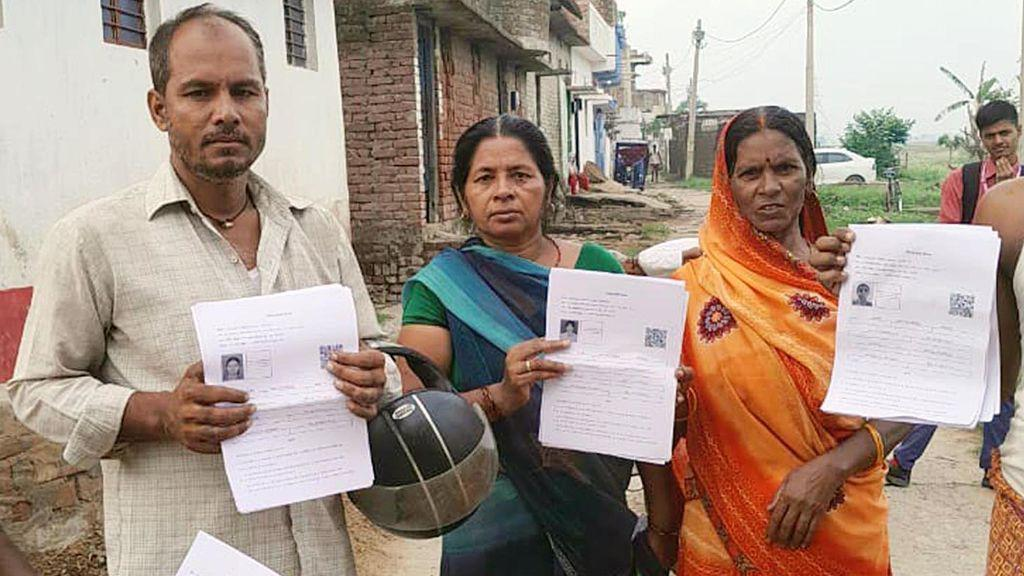
The Election Commission has made the process simple and accessible through its official digital platforms. Here’s a step-by-step guide:
Go to the official voter services website operated by the Election Commission of India.
Choose the option that allows you to search your name in the electoral roll.
You can search using:
- EPIC (Voter ID) number, or
- Personal details such as name, age, district, and constituency
Once the results appear, check:
- Your name spelling
- Age and gender
- Assembly constituency
- Polling station address
Voters can download a digital voter slip or note polling booth details for future reference.
District Election Offices and Electoral Registration Offices provide access to printed rolls and assistance.
Each polling area has a designated BLO who can help voters verify details and submit correction requests.If voters discover errors or omissions in the electoral data, the Election Commission provides structured mechanisms for correction.
- Name missing from the list
- Incorrect spelling
- Wrong age or address
- Duplicate entries
Voters can submit correction or inclusion requests online using designated forms or offline through BLOs and election offices. Supporting documents such as proof of age or address may be required.
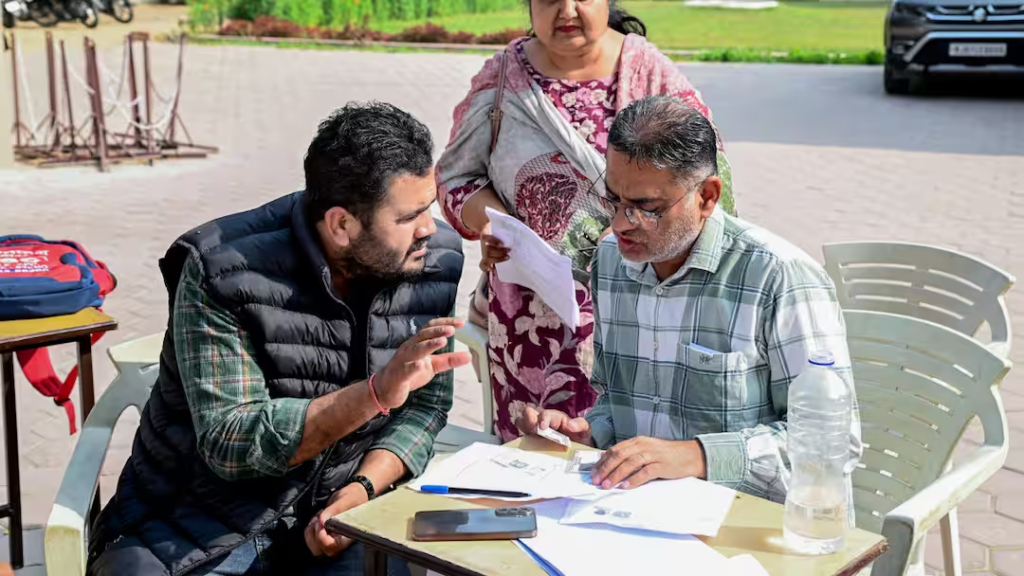
The Election Commission periodically organises voter facilitation camps where citizens can check their status and file applications.
While detailed statistics vary by district and constituency, the release typically reflects:
- Increased voter registration among youth
- Improved gender balance in voter rolls
- Updated polling booth locations
- Rationalisation of electoral boundaries where applicable
The Election Commission regularly analyses this data to improve voter turnout and accessibility.
In recent years, digital platforms have transformed how electoral data is accessed and managed. Mobile-friendly websites, SMS alerts, and digital voter slips have made the process faster and more inclusive.
For Madhya Pradesh, these tools are particularly important given the state’s vast geography and rural population. Digital access bridges the gap between voters and institutions.
For young citizens voting for the first time, checking electoral data is a critical step in civic participation. Schools, colleges, and civil society groups often encourage first-time voters to verify their details early to avoid disappointment on polling day.
- Citizens are given time to raise objections or corrections
- Political parties review rolls for discrepancies
- Final electoral rolls are prepared before elections
- Polling logistics are finalised based on voter distribution
This process ensures that elections are conducted smoothly and fairly.
Read Also : Hindu Man Killed in Bangladesh: Delhi Sees Major Protest as 5 Key Developments Unfold

