

20+ Dead, Internet Blackout Deepens as Khamenei Slams Trump’s ‘Blood-Stained Hands’ Amid Iran Protests
Iran protests turn deadly as deaths rise, internet is shut down, and Supreme Leader Khamenei accuses Donald Trump of having blood-stained hands
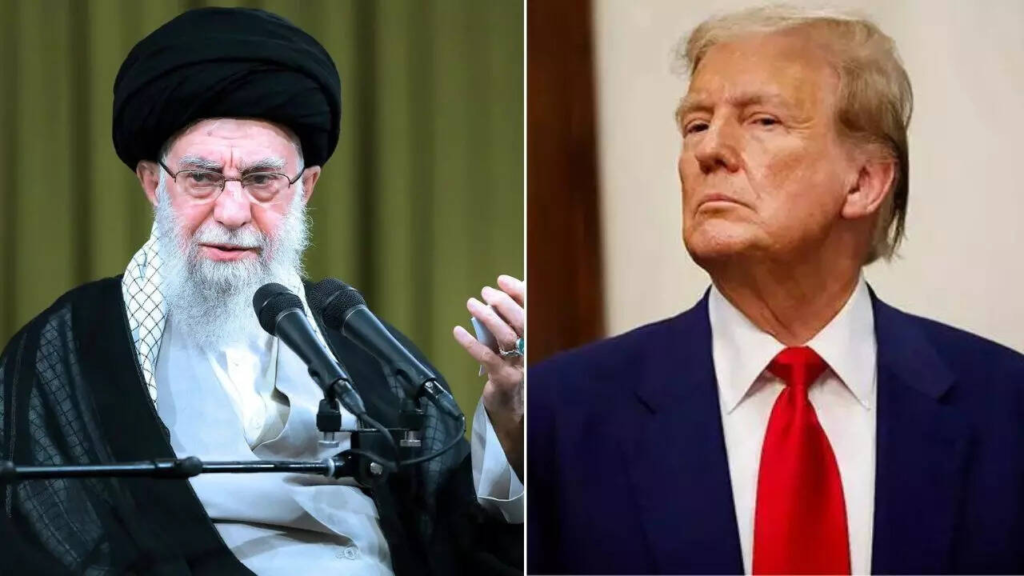
Iran has once again plunged into turmoil as nationwide protests intensify, leaving dozens feared dead, hundreds injured, and millions cut off from the internet. What began as scattered demonstrations has rapidly evolved into one of the most serious internal crises the Islamic Republic has faced in recent years. As security forces tighten their grip, Supreme Leader Ayatollah Ali Khamenei has escalated rhetoric on the global stage, accusing former US President Donald Trump of having “blood-stained hands” and blaming foreign interference for the unrest.
The developments signal a dangerous convergence of domestic anger, digital repression, and geopolitical confrontation, raising concerns about human rights, regional stability, and the future of Iran’s already strained relationship with the West.
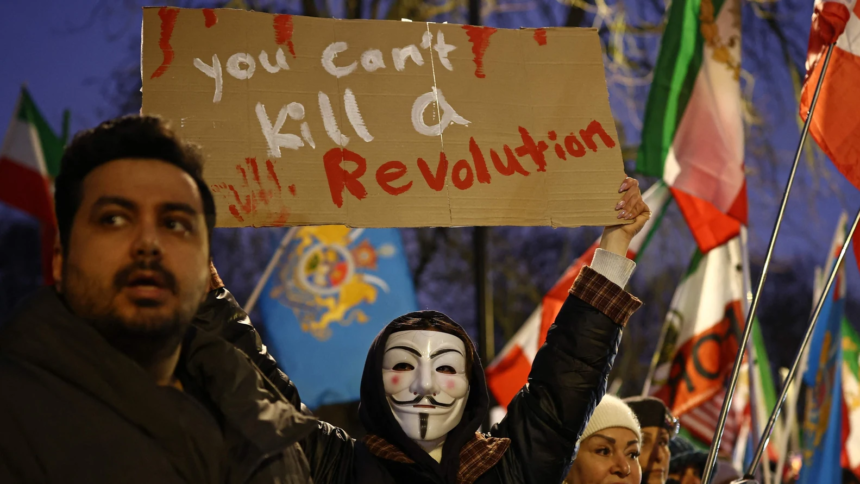
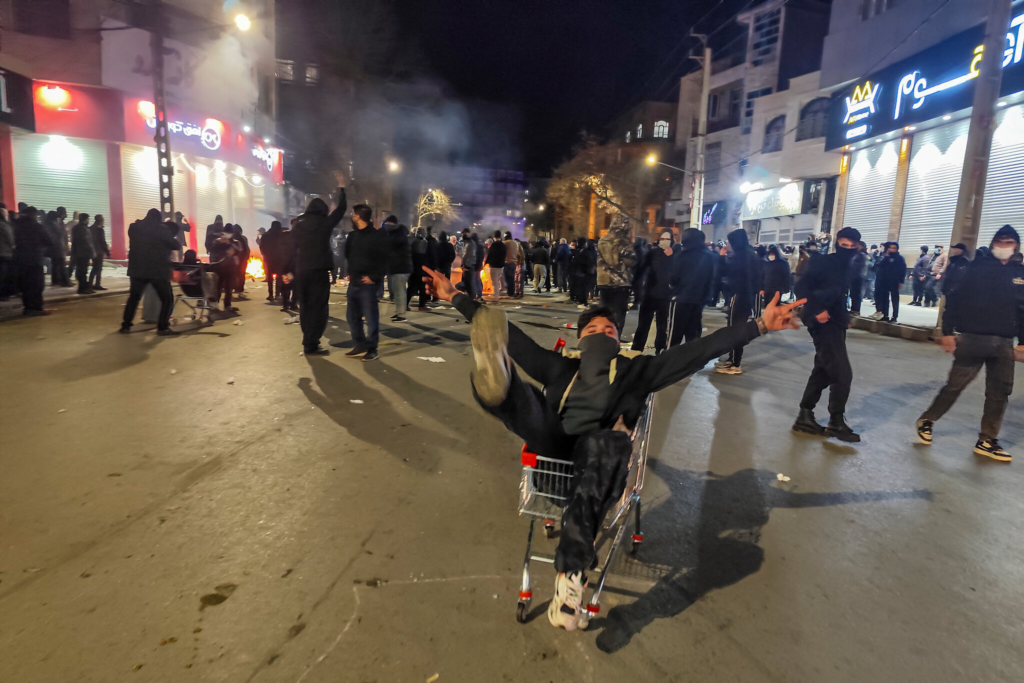
According to multiple reports from activists and independent observers, protests have erupted in several major Iranian cities, including Tehran, Mashhad, Isfahan, Shiraz, and Tabriz. Demonstrators have taken to the streets chanting slogans against the government, condemning economic hardship, political repression, and alleged abuses by security forces.
As clashes between protesters and law enforcement intensify, the death toll has continued to rise. While official figures remain limited or contested, rights groups claim that dozens of people have been killed, with many more injured or detained. Families of victims allege that security forces used live ammunition, tear gas, and batons to disperse crowds.
Hospitals in some regions are reportedly overwhelmed, while security checkpoints and roadblocks have been set up to prevent gatherings. The government has neither fully denied nor confirmed the reported fatalities, instead emphasizing what it describes as the need to maintain “public order and national security.”
In a move that has drawn sharp criticism from international observers, Iranian authorities imposed widespread internet restrictions as protests escalated. Access to social media platforms, messaging apps, and even basic internet services has been severely curtailed or completely shut down in many areas.
The blackout has made it nearly impossible for protesters to communicate, organize, or share images and videos with the outside world. Journalists inside Iran have also faced significant challenges reporting independently, with many relying on fragmented information and eyewitness accounts.
Digital rights organizations say the internet shutdown appears to be a deliberate strategy to suppress dissent and prevent global scrutiny. Past protests in Iran have followed a similar pattern, where internet restrictions coincided with the most violent crackdowns.
For millions of ordinary Iranians, the blackout has also disrupted daily life, affecting businesses, banking services, education, and access to emergency information.
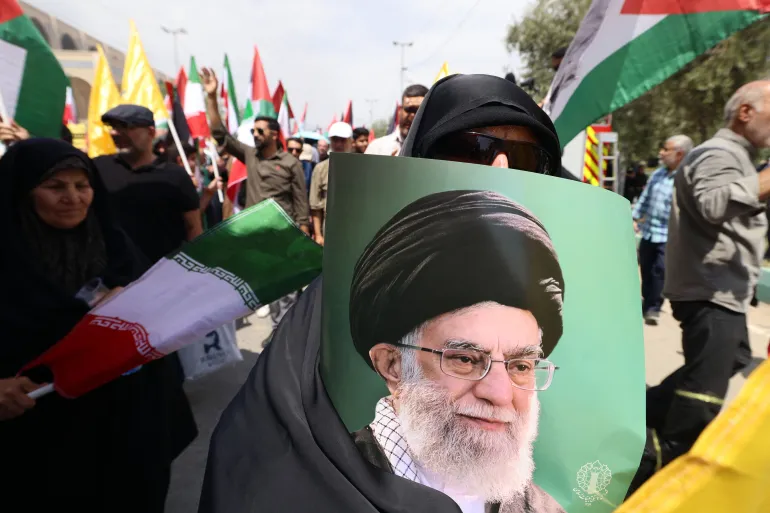
As unrest continued to grow, Supreme Leader Ayatollah Ali Khamenei delivered a strongly worded message blaming “hostile foreign powers” for fueling instability. In a direct and unusually personal attack, Khamenei accused former US President Donald Trump of having “blood on his hands,” linking Washington’s past policies toward Iran to the current crisis.
Without citing specific evidence, Khamenei alleged that US sanctions, pressure campaigns, and covert interference had created economic suffering and encouraged unrest. He claimed that external enemies were exploiting public grievances to weaken Iran from within.
The remarks mark a sharp escalation in rhetoric and reflect Tehran’s long-standing narrative that protests are not purely domestic but orchestrated or manipulated by foreign adversaries.
Trump has not responded directly to the accusations, but US officials have repeatedly denied interfering in Iran’s internal affairs, instead criticizing Tehran’s human rights record and treatment of protesters.
At the heart of the unrest lies deep economic frustration. Years of international sanctions, inflation, unemployment, and currency devaluation have severely impacted living standards across Iran. Many Iranians struggle to afford basic necessities, while wages lag far behind rising prices.
Young people, in particular, face bleak job prospects, despite being among the most educated populations in the region. Small business owners and workers have also been hit hard by economic stagnation and reduced consumer spending.
Protesters say their anger is not limited to economic hardship alone but extends to broader demands for accountability, transparency, and political freedoms. Slogans heard during demonstrations reflect frustration with corruption, elite privilege, and restrictions on personal liberties.
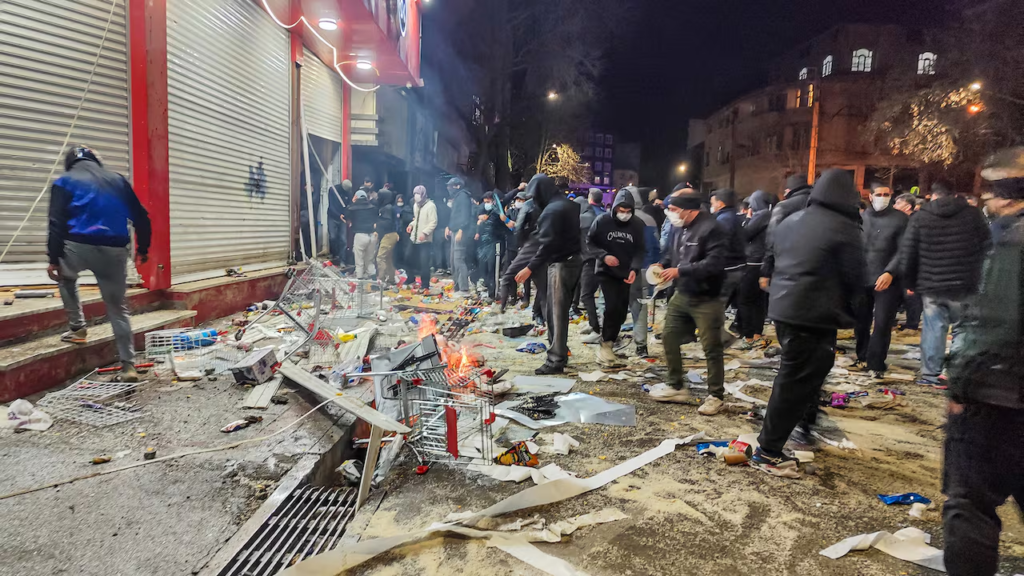
In response to the protests, Iranian authorities have deployed a heavy security presence across key urban centers. Riot police, paramilitary forces, and intelligence units have been mobilized to disperse crowds and prevent further demonstrations.
Human rights groups report that hundreds, possibly thousands, of people have been arrested, including students, activists, and journalists. Families of detainees say they have received little information about the whereabouts or conditions of their loved ones.
The government maintains that those detained are “rioters” or individuals involved in acts of violence and vandalism. Critics argue that the crackdown targets peaceful protesters and suppresses legitimate dissent.
The unfolding crisis has sparked concern among governments, human rights organizations, and international institutions. Calls for restraint, respect for human rights, and restoration of internet access have come from various quarters.
Rights groups have urged Iranian authorities to allow peaceful protests and conduct transparent investigations into reported deaths. Some Western leaders have warned that further violence could lead to increased diplomatic pressure and potential new sanctions.
At the same time, Iran’s allies have echoed Tehran’s claims about foreign interference, cautioning against external involvement in the country’s internal affairs.
For many Iranians, the current unrest feels like a repetition of past cycles — public anger erupts, authorities respond with force, information is restricted, and global attention eventually shifts elsewhere. Yet each wave of protests leaves behind deeper scars and unresolved grievances.
Analysts warn that continued repression without meaningful reforms could fuel further instability in the long term. The combination of economic pressure, political rigidity, and a young, connected population poses ongoing challenges for Iran’s leadership.
Whether the current protests will subside or grow into a larger movement remains uncertain. Much will depend on the government’s next steps, the resilience of protesters, and the level of international attention sustained in the coming weeks.
Read Also : Raj Thackeray Sparks ‘Bombay Dhaba’ Row: MNS Tears Down Signboard in Mumbai—7 Shocking Details

