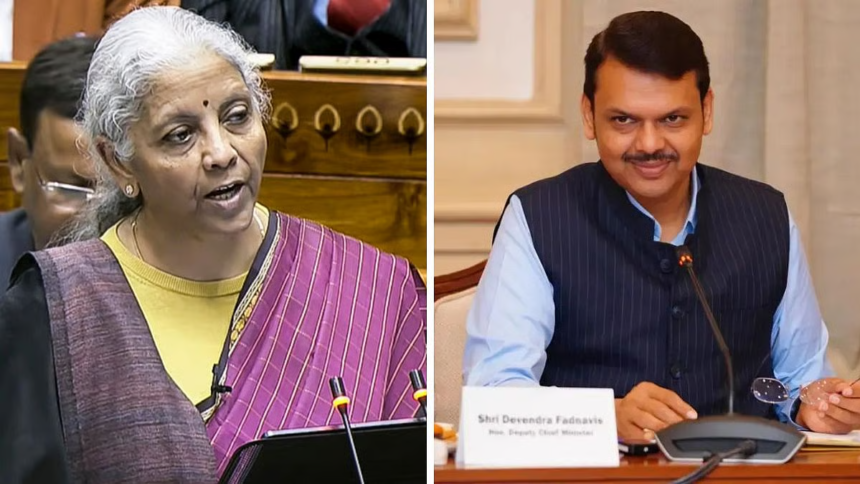
Maharashtra Wins Big in Budget 2026–27: ₹98,306 Crore Central Tax Boost, Says Fadnavis
Maharashtra to receive ₹98,306 crore under central tax devolution in Budget 2026–27, says Deputy CM Devendra Fadnavis
Maharashtra is set to receive a major financial boost under the Union Budget 2026–27, with the central tax devolution component pegged at ₹98,306 crore, according to Deputy Chief Minister Devendra Fadnavis. The announcement marks a significant milestone in the state’s fiscal planning and is expected to strengthen developmental initiatives, infrastructure expansion, welfare programs, and economic growth across Maharashtra.
As one of India’s largest economic powerhouses, Maharashtra plays a vital role in driving national GDP, and the latest budgetary allocation underscores the Centre’s continued commitment to supporting the state’s financial stability and long-term progress.
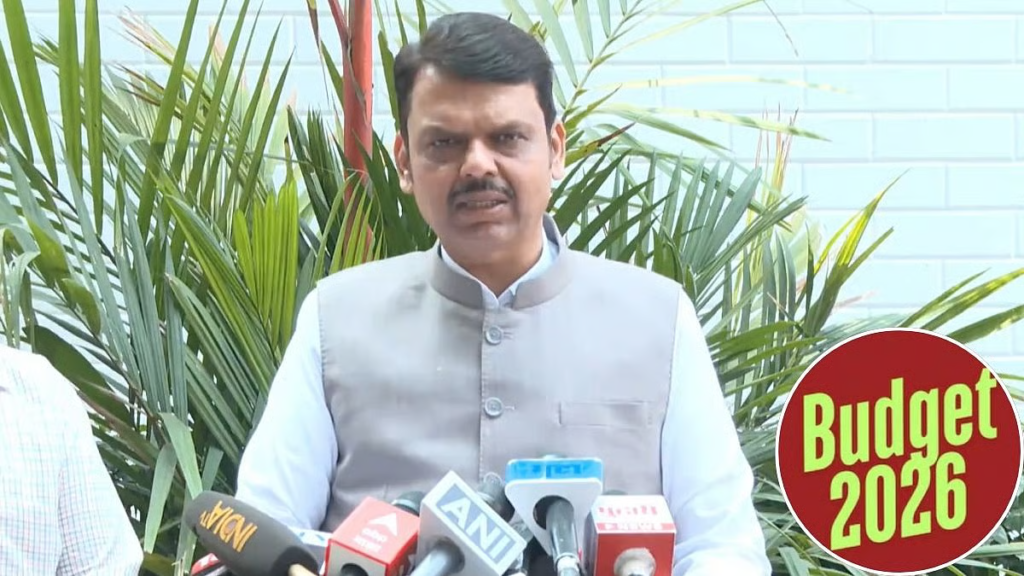
Maharashtra is set to receive a major financial boost under the Union Budget 2026–27, with the central tax devolution component pegged at ₹98,306 crore, according to Deputy Chief Minister Devendra Fadnavis. The announcement marks a significant milestone in the state’s fiscal planning and is expected to strengthen developmental initiatives, infrastructure expansion, welfare programs, and economic growth across Maharashtra.
As one of India’s largest economic powerhouses, Maharashtra plays a vital role in driving national GDP, and the latest budgetary allocation underscores the Centre’s continued commitment to supporting the state’s financial stability and long-term progress.
Deputy Chief Minister Devendra Fadnavis emphasized that Maharashtra stands to benefit significantly from the Centre’s fiscal framework in Budget 2026–27. According to him, the allocation reflects Maharashtra’s economic importance, governance efficiency, and revenue contribution to the national exchequer.
Key Highlights from Fadnavis’ Statement
- Maharashtra’s tax devolution share has seen a notable increase compared to previous years
- Funds will support infrastructure, health, education, and rural development
- The state government aims to maximize efficient utilization of allocated resources
- The budget aligns with Maharashtra’s long-term Vision 2047 development goals
Fadnavis also noted that the enhanced funds will allow Maharashtra to accelerate pending projects while launching new initiatives across key sectors.
The state government is expected to deploy the central tax devolution funds across multiple priority areas:
1. Infrastructure Development
A significant portion of funds may be directed toward:
- Road and highway expansion
- Metro rail and suburban transport projects
- Smart city initiatives
- Port modernization and logistics upgrades
These projects aim to improve connectivity, reduce congestion, and boost industrial efficiency.
2. Healthcare Strengthening
Budget allocations are likely to support:
- Government hospital upgrades
- Medical college expansions
- Public health outreach programs
- Affordable healthcare access in rural areas
With rising healthcare demands, the funding is expected to improve medical infrastructure and service delivery.
3. Education and Skill Development
Maharashtra may channel funds toward:
- School modernization
- Digital education platforms
- University infrastructure improvements
- Youth skill training and employment programs
This will help enhance human capital development and workforce readiness.
4. Agriculture and Rural Development
Farmers and rural communities are expected to benefit through:
- Irrigation expansion projects
- Crop insurance schemes
- Rural road connectivity
- Financial support for agri-based enterprises
The goal is to strengthen agricultural productivity and rural livelihoods.
5. Industrial and MSME Growth
To support entrepreneurship and business expansion, the state may invest in:
- MSME credit schemes
- Industrial corridor development
- Startup incubation programs
- Ease-of-doing-business reforms
These efforts aim to boost employment generation and economic resilience.
The ₹98,306 crore tax devolution allocation will help Maharashtra:
- Reduce reliance on market borrowings
- Improve fiscal deficit management
- Enhance capital expenditure capacity
- Maintain balanced revenue expenditure
Financial analysts believe this will provide Maharashtra with greater budgetary flexibility, enabling it to sustain growth even amid global economic uncertainties.
As India’s financial capital state, Maharashtra contributes heavily to national tax revenue through industry, services, manufacturing, trade, and financial markets. Cities like Mumbai, Pune, Nagpur, and Nashik continue to serve as major economic hubs.
The budget allocation is expected to:
- Strengthen Maharashtra’s leadership in finance and technology
- Support urban infrastructure expansion
- Encourage foreign direct investment (FDI)
- Improve employment prospects across sectors
Experts suggest that Maharashtra’s enhanced tax share could help solidify its status as India’s top-performing state economy.
Urban Impact
Funds are likely to accelerate:
- Metro and suburban railway projects
- Affordable housing schemes
- Smart traffic management systems
- Digital governance platforms
This will improve quality of life in metropolitan regions such as Mumbai, Pune, and Thane.
Rural Impact
Rural regions will benefit through:
- Improved irrigation and water supply
- Better healthcare and education access
- Employment generation schemes
- Rural electrification and road connectivity
The budget aims to bridge the urban-rural development gap.
The announcement has generated strong political and public interest. Supporters view the allocation as recognition of Maharashtra’s contribution to the national economy, while opposition parties have called for transparent utilization and accountability.
Public Response Highlights
- Business communities welcomed the fiscal boost
- Farmers and rural groups expect expanded welfare initiatives
- Urban residents anticipate infrastructure acceleration
- Economists praised the Centre’s balanced revenue-sharing approach
Social media platforms saw discussions around hashtags such as #MaharashtraBudget2026, #Fadnavis, and #TaxDevolution trending among policy watchers.
The ₹98,306 crore allocation marks a notable increase compared to earlier financial years, reflecting:
- Growth in overall central tax collections
- Maharashtra’s improved fiscal performance
- Revised Finance Commission distribution parameters
This upward trend signals a positive long-term outlook for Maharashtra’s financial autonomy.
While the funding offers a major opportunity, experts emphasize that effective governance and accountability will determine the true impact.
Key Challenges
- Ensuring timely fund utilization
- Preventing delays in project execution
- Avoiding fiscal mismanagement
- Monitoring outcomes and social impact
Policy analysts stress that efficient planning, transparency, and public oversight will be essential for maximizing benefits.
Economic experts believe Maharashtra’s strong tax devolution share reflects:
- The state’s high revenue contribution
- Better financial discipline and governance
- Strong economic fundamentals and growth potential
Many analysts predict that if funds are used wisely, Maharashtra could set a national benchmark in infrastructure development, digital governance, and social welfare delivery.
The Budget 2026–27 allocation aligns with Maharashtra’s broader vision for:
- Sustainable urban expansion
- Industrial modernization
- Digital transformation
- Green energy initiatives
- Social equity and inclusive development
By leveraging the ₹98,306 crore central tax share effectively, Maharashtra aims to accelerate economic transformation and improve citizen well-being.
Read Also : Shots Fired at Rohit Shetty’s Mumbai Home: 4 Arrested in Shocking Incident