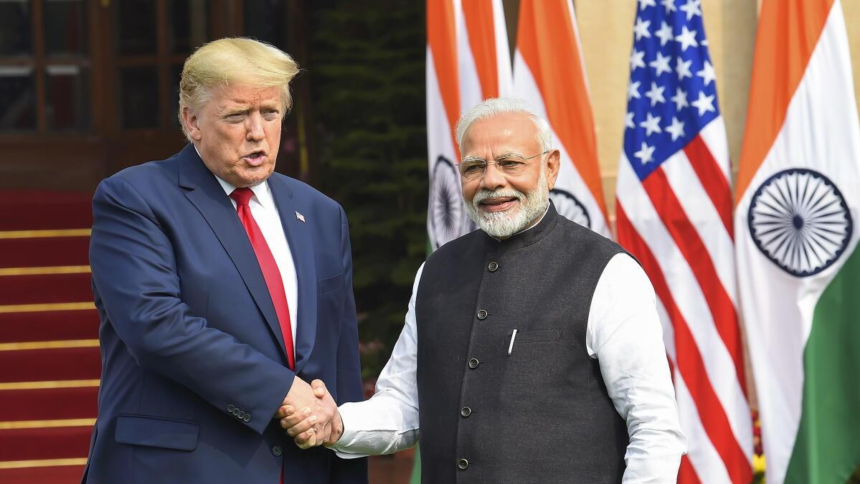
India–US Trade Deal LIVE: Rahul Gandhi Claims PM Accepted Trump’s Terms Under Pressure — 7 Key Revelations
India–US trade deal Live: Rahul Gandhi claims PM accepted Trump’s terms under pressure. Read political reactions, key details, and latest updates
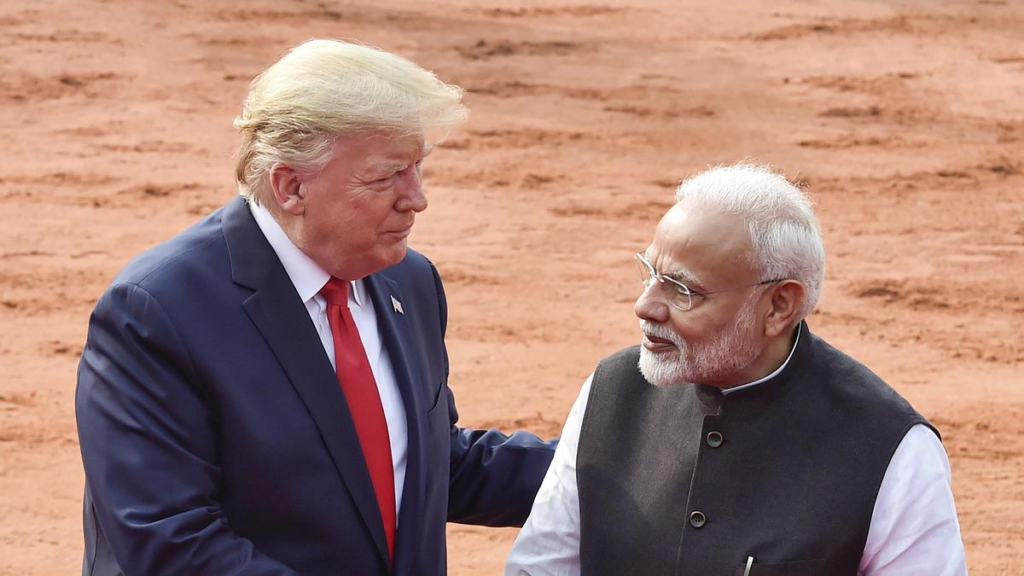
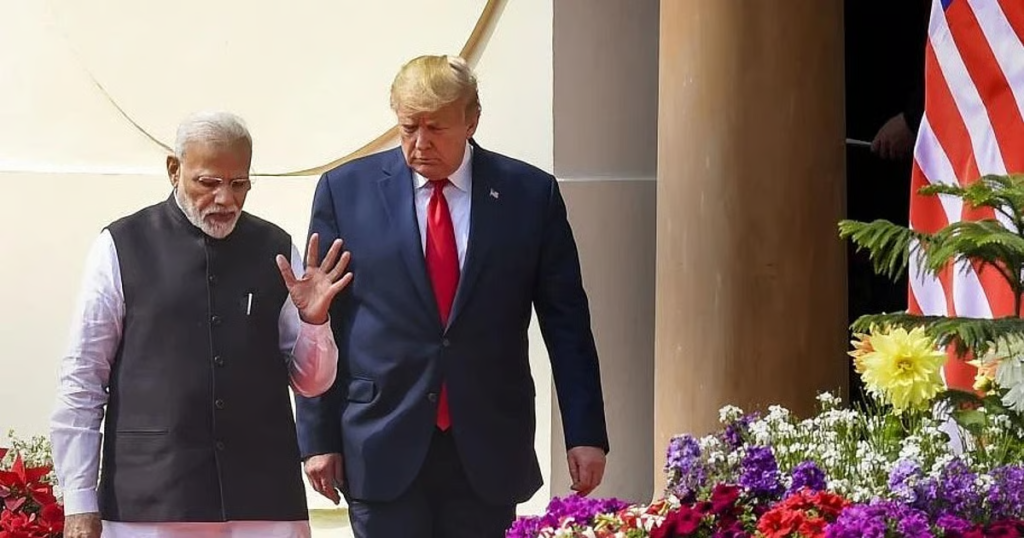
The India–US trade deal has sparked a major political controversy, with Congress leader Rahul Gandhi accusing Prime Minister Narendra Modi of agreeing to former US President Donald Trump’s trade terms under pressure. The remarks have triggered a fresh political storm, intensifying debates over India’s economic sovereignty, trade negotiations, and foreign policy strategy.
As discussions around the trade agreement continue, opposition parties have raised concerns about whether the deal favors American interests at the expense of Indian businesses, farmers, and domestic industries. Meanwhile, the ruling government has defended its position, arguing that the agreement is designed to boost bilateral trade, strengthen strategic ties, and unlock long-term economic opportunities.
This article explores the controversy, Rahul Gandhi’s claims, government responses, trade deal implications, economic impact, political reactions, and what the agreement could mean for India’s future.
The India–US trade deal aims to expand bilateral trade, reduce trade barriers, improve market access, and enhance cooperation across sectors such as:
- Manufacturing
- Technology
- Defense
- Energy
- Agriculture
- Digital services
The United States is one of India’s largest trading partners, and both nations have been working toward a more balanced and mutually beneficial trade framework.
However, trade negotiations have historically been complex, involving disputes over:
- Tariffs on steel and aluminum
- Agricultural market access
- Intellectual property rights
- Digital taxation
- Medical devices and pharmaceutical pricing
The current deal is seen as a strategic effort to reset trade relations, but critics argue it could tilt the balance in favor of the US.
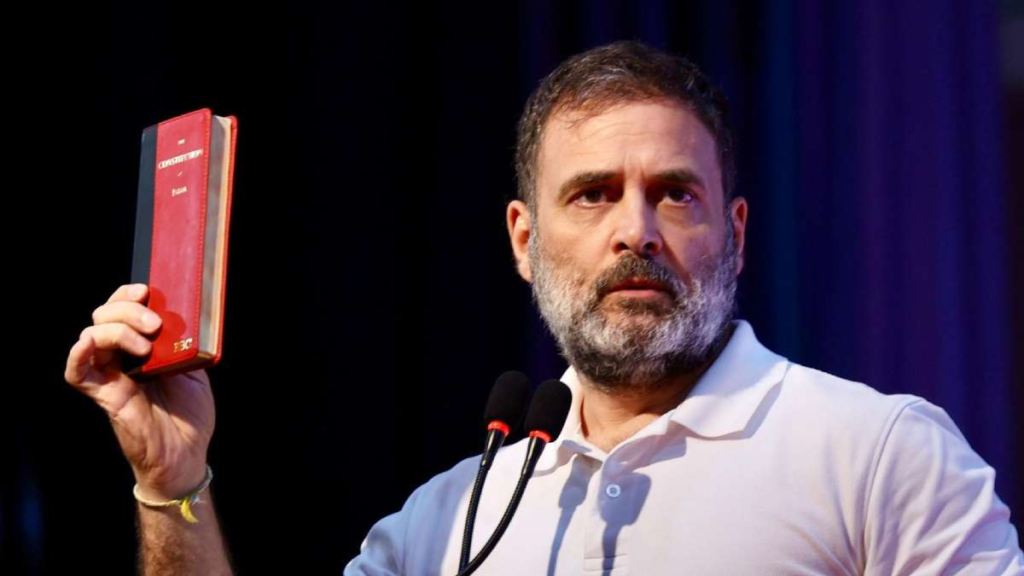
Rahul Gandhi has claimed that the Prime Minister accepted Trump’s trade conditions under political and diplomatic pressure, suggesting that India may have compromised on key economic interests.
Key Points from Rahul Gandhi’s Statement:
- The trade deal allegedly favors American corporations
- India may have reduced tariffs or relaxed regulations under pressure
- Domestic sectors such as small businesses, farmers, and MSMEs could be impacted
- The government is accused of lacking transparency in trade negotiations
Rahul Gandhi has called for:
- A full public disclosure of the trade agreement terms
- A parliamentary debate on the deal
- Greater accountability regarding how the agreement affects Indian industries
His remarks have fueled widespread political debate and media attention, with opposition leaders echoing concerns about economic sovereignty.
The ruling government has strongly rejected the opposition’s claims, stating that the India–US trade deal is designed to strengthen India’s economy.
Government’s Key Arguments:
- The agreement will boost Indian exports to the US
- It will attract foreign investment and technology transfer
- Indian companies will gain greater access to American markets
- The deal strengthens India’s global economic standing
Officials have emphasized that:
- Negotiations were conducted in India’s national interest
- No unfair concessions were made
- The deal aligns with India’s long-term trade and strategic goals
The government has also accused the opposition of politicizing foreign policy for electoral gains.
The trade deal controversy has escalated into a full-blown political confrontation.
Opposition’s Stand:
- Claims of economic compromise
- Demand for greater transparency
- Allegations of foreign influence over Indian policy
- Concerns over job losses and industry impact
Ruling Party’s Stand:
- Emphasis on economic growth and global partnerships
- Assertion of India’s strong negotiating position
- Counter-accusations of fear-mongering by opposition
Several political leaders have weighed in, calling the debate one of the most significant trade-related controversies in recent years.
The India–US trade deal could have wide-ranging economic implications, depending on its implementation.
Possible Benefits:
- Increased exports in sectors such as IT, pharmaceuticals, textiles, and manufacturing
- More foreign direct investment (FDI)
- Enhanced technology collaboration
- Job creation in export-oriented industries
- Strengthened global supply chain integration
Potential Risks:
- Increased competition for domestic producers
- Pressure on small and medium enterprises (MSMEs)
- Concerns over agricultural imports impacting farmers
- Dependency on foreign markets and policies
Economic experts suggest that the final impact will depend on how effectively India safeguards domestic interests while leveraging global trade opportunities.
One of the biggest concerns raised by critics relates to how the trade deal might affect vulnerable domestic sectors.
Farmers’ Concerns:
- Possible increase in agricultural imports
- Price competition from subsidized American farm products
- Risk of market instability
MSMEs & Small Businesses:
- Increased competition from US companies
- Challenges in scaling to global standards
- Potential benefits from new export opportunities
The government has promised protective measures, subsidies, and support programs to ensure domestic industries remain competitive.
Beyond economics, the India–US trade deal carries significant geopolitical importance.
Strengthening India–US Relations
The deal reinforces India’s position as a strategic partner of the United States, especially in:
- Defense cooperation
- Indo-Pacific security
- Technology and innovation
- Supply chain diversification
Balancing Global Power Dynamics
The agreement may also play a role in counterbalancing China’s global economic influence, positioning India as a key player in global trade networks.
However, critics warn that India must ensure it does not become overly dependent on US economic policies.
Rahul Gandhi’s remarks have reignited debates over government transparency in international trade agreements.
Opposition Demands:
- Release of full trade deal text
- Parliamentary scrutiny
- Independent economic impact assessments
Government’s Position:
- Negotiation confidentiality is necessary
- Deal details will be revealed at the appropriate time
- India’s interests have been safeguarded
Public policy analysts argue that greater transparency could help build public trust and ensure informed debate.
The trade deal controversy has drawn reactions from:
- Economists
- Business leaders
- Farmers’ organizations
- Trade unions
- Policy think tanks
Supporters Say:
- The deal could boost India’s export potential
- It strengthens India’s global economic influence
- Strategic trade partnerships are essential for growth
Critics Say:
- India must avoid unfair concessions
- Domestic sectors need stronger protection
- Long-term implications must be carefully evaluated
Social media platforms have also seen intense public debate, with hashtags related to the trade deal trending nationwide.
Political analysts believe the India–US trade deal controversy could influence upcoming elections, especially if:
- The deal affects jobs, prices, or livelihoods
- Opposition parties frame it as a sovereignty issue
- The government successfully promotes it as a growth-oriented reform
Trade policy has increasingly become a key political narrative, linking economics with nationalism and global diplomacy.
In the coming weeks, attention will focus on:
- Official release of trade deal details
- Parliamentary discussions or debates
- Responses from industry bodies and trade associations
- Potential policy adjustments to address domestic concerns
- Further political statements from Rahul Gandhi and other leaders
The evolving narrative will likely shape public perception and economic discourse.
Read Also : Mumbai BMC Mayor Elections 2026 Live: Date, Timeline & 5 Surprise Contenders Revealed