US–Russia Nuclear Weapons Pact Expires, Raising Fears of New Arms Race
A key nuclear arms control agreement between the United States and Russia has expired, ending one of the last remaining frameworks limiting the world’s two largest nuclear arsenals. The lapse has triggered concerns among experts and diplomats about the risk of a renewed nuclear arms race, potentially involving China as well.
The agreement, which placed caps on deployed nuclear warheads and delivery systems, had been viewed as a cornerstone of strategic stability between Washington and Moscow. Its expiration marks a significant shift in the global security landscape.
Why the Deal Mattered
The pact restricted the number of nuclear weapons each country could deploy and included verification measures designed to prevent misunderstandings. Arms control advocates say it helped reduce tensions and provided transparency at a time of strained relations.
Without it, both nations are now free to expand or modernize their nuclear forces without formal limits.
Trump and Putin’s Positions
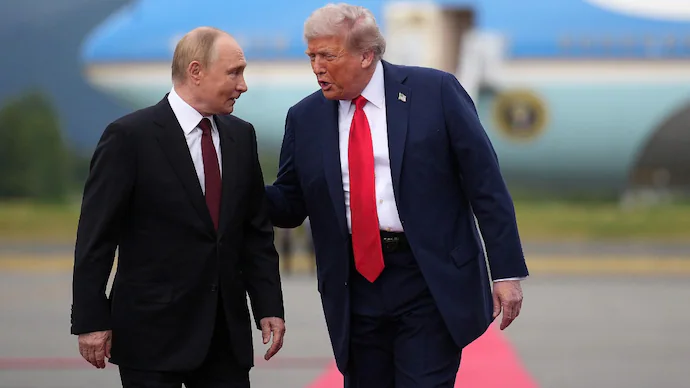
Former US President Donald Trump had previously criticized arms control agreements, arguing they failed to address the growing nuclear capabilities of China. Russian President Vladimir Putin, meanwhile, has accused the West of undermining strategic stability and has signaled Moscow’s readiness to respond to any perceived threats.
Analysts say the lack of trust between Washington and Moscow makes negotiating a replacement deal challenging.
China’s Role in the Debate
China’s expanding nuclear arsenal has become a central factor in discussions about future arms control. US officials argue that any new agreement should include Beijing, while China has resisted joining treaties that limit its nuclear forces, citing its comparatively smaller arsenal.
This divergence complicates efforts to establish a new multilateral framework.
Global Reactions and Concerns
International leaders and arms control groups have expressed alarm over the expiration of the treaty. They warn that the absence of limits could fuel an expensive and destabilizing arms buildup, increasing the risk of miscalculation.
Some European allies have called for renewed diplomatic efforts to restore dialogue between the US and Russia.
What Comes Next
Experts say informal confidence-building measures or unilateral restraints could help prevent escalation in the short term. However, without a formal agreement, the long-term outlook remains uncertain.
The next steps will likely depend on political will in Washington, Moscow, and Beijing.
Conclusion
The expiration of the US–Russia nuclear weapons deal marks a pivotal moment for global security. As fears of a new arms race grow, the challenge for world leaders will be to find new ways to manage nuclear risks in an increasingly complex geopolitical environment.
Also Read : Lok Sabha Speaker Alleges Congress MPs Planned ‘Inappropriate Incident’, Says PM Modi Was Asked to Stay Away