US & Iran Set for High-Stakes Nuclear Talks in Oman Amid Trump’s Military Threats – LIVE Updates 2026
US and Iran begin high-stakes nuclear talks in Oman as Donald Trump issues fresh military threats. Follow live updates, risks
The United States and Iran have entered a critical new phase of nuclear diplomacy as both sides convene in Muscat, Oman, for talks aimed at preventing further escalation in one of the world’s most volatile geopolitical standoffs. These negotiations unfold under the shadow of renewed military threats from U.S. President Donald Trump, rising regional tensions, and a significant American military buildup in the Persian Gulf .
The meeting represents one of the most consequential diplomatic engagements between Washington and Tehran in years, with implications for global security, energy markets, Middle East stability, and the future of nuclear non-proliferation
The timing of the Oman talks is no coincidence. The Middle East has experienced heightened military activity, political unrest in Iran, maritime incidents in the Gulf, and rising fears of direct conflict between the U.S. and Iran. Analysts warn that failure in these negotiations could push both sides toward military confrontation rather than diplomacy.
According to diplomatic sources, the talks are designed to determine whether a new nuclear framework can replace or revive elements of the 2015 Joint Comprehensive Plan of Action (JCPOA) — the deal the U.S. exited during Trump’s first term in 2018
Oman has once again emerged as a neutral diplomatic bridge between Washington and Tehran. The Gulf nation previously played a major role in facilitating back-channel communications that helped produce earlier nuclear negotiations.
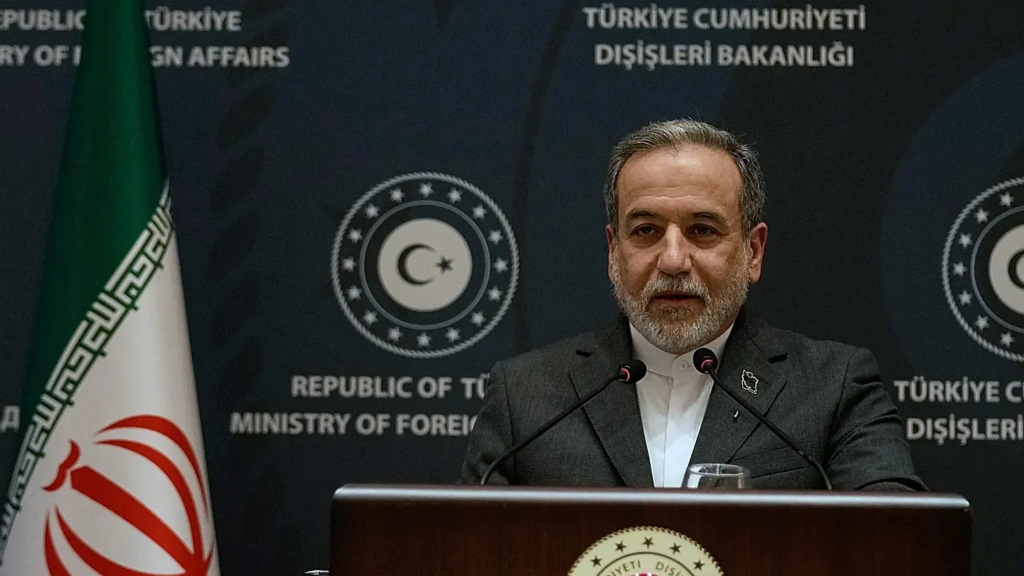
Iran’s Foreign Minister Abbas Araghchi confirmed that Oman is hosting the talks, praising the country’s longstanding diplomatic neutrality and mediation efforts . The discussions are reportedly being conducted through indirect channels, with Omani officials carrying messages between delegations
One of the biggest sticking points in the negotiations is the scope of the agenda.
Iran’s Position:
Iran insists the talks should focus exclusively on its nuclear program, including:
- Uranium enrichment limits
- Sanctions relief
- International monitoring
- Guarantees against future U.S. withdrawal
Iran has firmly rejected including its ballistic missile program or regional military activities, calling those topics non-negotiable and outside the nuclear framework .
The United States is pushing for a broader agreement that includes:
- Limits on Iran’s missile capabilities
- Tehran’s support for regional armed groups
- Long-term restrictions beyond nuclear energy
This disagreement previously caused a temporary collapse in planning, before both sides agreed to proceed with talks in Oman
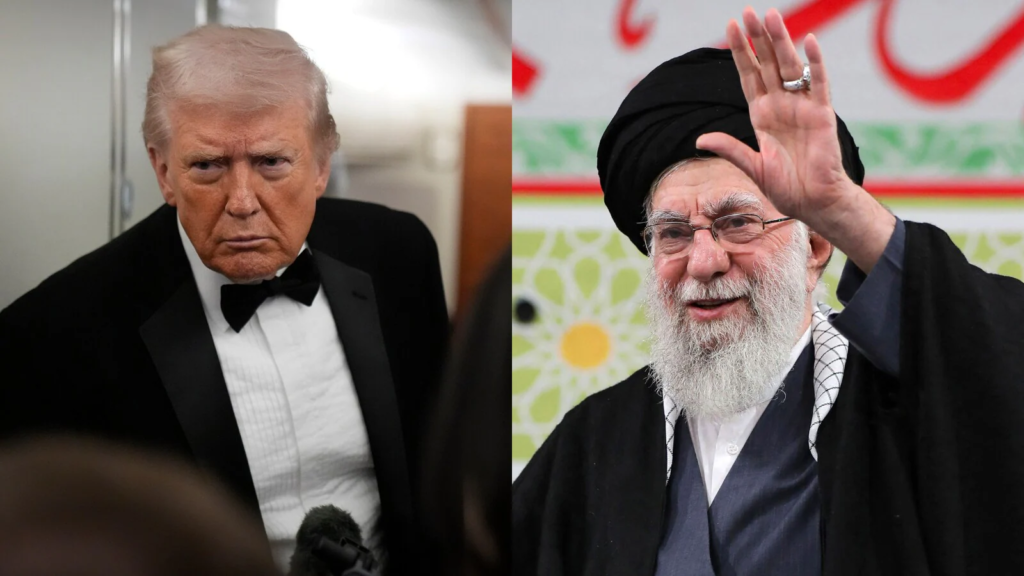
President Donald Trump has intensified pressure on Tehran, repeatedly warning that military force remains on the table if Iran fails to comply with U.S. demands.
Trump reiterated that:
Iran cannot be allowed to have a nuclear weapon — and if diplomacy fails, other options will be used.”
Meanwhile, U.S. Secretary of State Marco Rubio emphasized that Washington will not accept a deal that fails to permanently block Iran’s path to nuclear weapons .
These statements have fueled concerns that the talks may serve as a final diplomatic off-ramp before escalation.
The negotiations are happening amid a significant U.S. military buildup in the Gulf region, including:
- Deployment of additional naval assets
- Increased surveillance operations
- Recent incidents involving Iranian drones
Notably, U.S. forces recently shot down an Iranian drone near the aircraft carrier Abraham Lincoln, an event both sides interpreted differently — underscoring the fragility of the current security environment
Iran has stated that its primary goals in the talks include:
- Sanctions relief to stabilize its economy
- Recognition of its right to peaceful nuclear energy
- Guarantees preventing future U.S. withdrawal from agreements
- Protection of its defense and missile capabilities
Iranian officials have emphasized the need for a “fair, dignified, and mutually acceptable” outcome while accusing Washington of past bad faith .
Tehran maintains that its nuclear program is civilian in nature, although Western governments remain skeptical.
Iran enters negotiations under significant domestic and international strain, including:
- Economic hardship from long-standing sanctions
- Recent nationwide protests and political unrest
- Increased scrutiny from global watchdog agencies
- Energy and export limitations
Sanctions relief could unlock billions in frozen assets, restore oil exports, and ease inflation — giving Tehran strong incentive to pursue at least a limited diplomatic breakthrough.
Several Arab nations have reportedly lobbied Washington to keep diplomacy alive, fearing that war between the U.S. and Iran could destabilize the region and threaten energy supply routes.
Europe:
European powers continue urging a revival of nuclear safeguards, hoping to prevent further enrichment escalation and regional conflict.
China and Russia:
Both nations are monitoring the talks closely, balancing diplomatic engagement with strategic interests in Iran’s energy and defense sectors.
1. Breakthrough Agreement
A new nuclear deal could:
- Reduce sanctions
- Limit uranium enrichment
- Restore international inspections
- Lower military tensions
2. Limited Interim Deal
A short-term agreement may:
- Freeze enrichment at current levels
- Provide limited sanctions relief
- Buy time for broader negotiations
3. Talks Collapse
Failure could lead to:
- Expanded U.S. sanctions
- Iranian nuclear acceleration
- Increased military deployments
- Heightened risk of armed conflict
4. Military Escalation Scenario
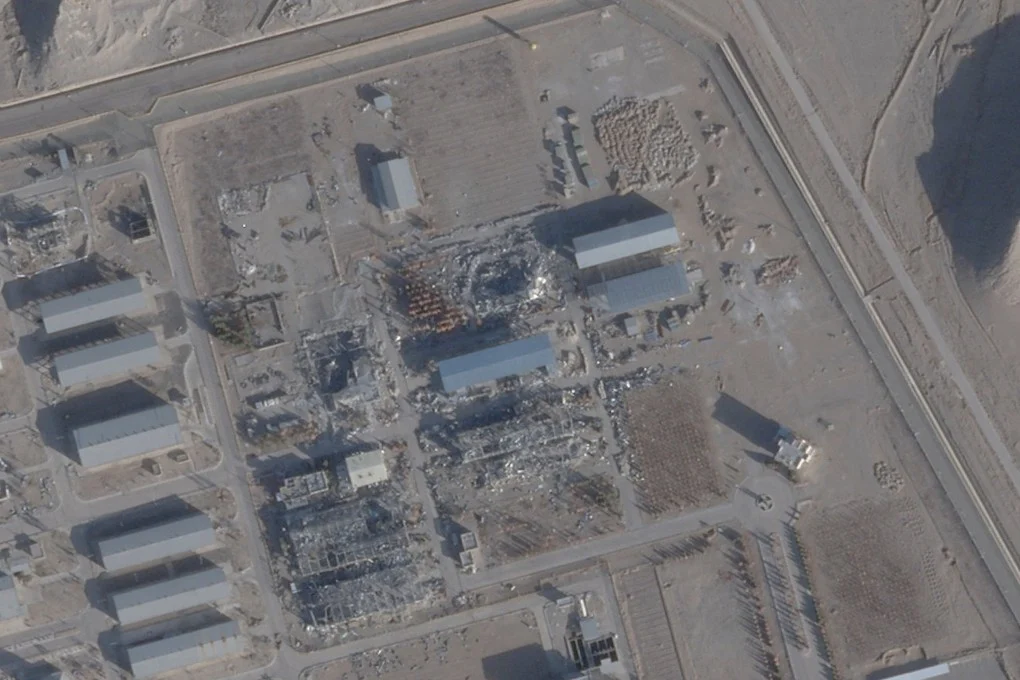
If diplomacy collapses entirely, Trump’s administration may pivot toward military action, potentially targeting Iranian nuclear or military infrastructure — a scenario analysts warn could trigger wider regional war.
These negotiations extend far beyond U.S.–Iran relations. The outcome will influence:
- Nuclear non-proliferation policy worldwide
- Oil and global energy markets
- Security in Israel, the Gulf, and the Red Sea
- The credibility of international diplomacy
A successful deal could de-escalate tensions and stabilize markets, while failure may accelerate geopolitical fragmentation and arms competition.
As the talks continue in Muscat, the world watches closely. Both sides signal willingness to negotiate, but fundamental disagreements remain unresolved.
With Trump’s military threats, Iran’s firm red lines, and regional anxiety at peak levels, these nuclear talks could mark either:
- A historic diplomatic turning point, or
- The final step before a dangerous new phase of conflict
Read Also : How a 13-Year-Old Australian Boy Swam for Hours to Save His Family — A Real-Life Hero Story