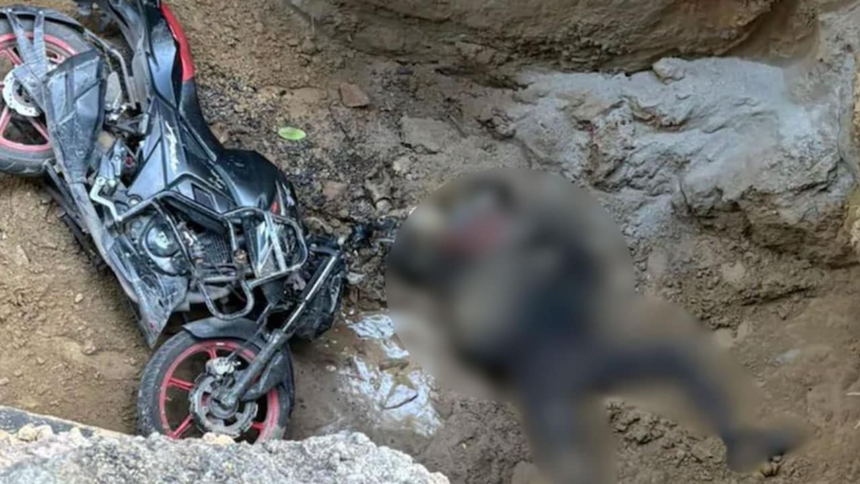
Anatomy of a Death Trap: Delhi Biker Falls Into 20x14x13-Foot Killer Pit Just 200 Metres From Home
A Delhi biker died after falling into a 20x14x13-foot killer pit just 200 metres from home. Read how the deadly infrastructure failure led to the tragic incident
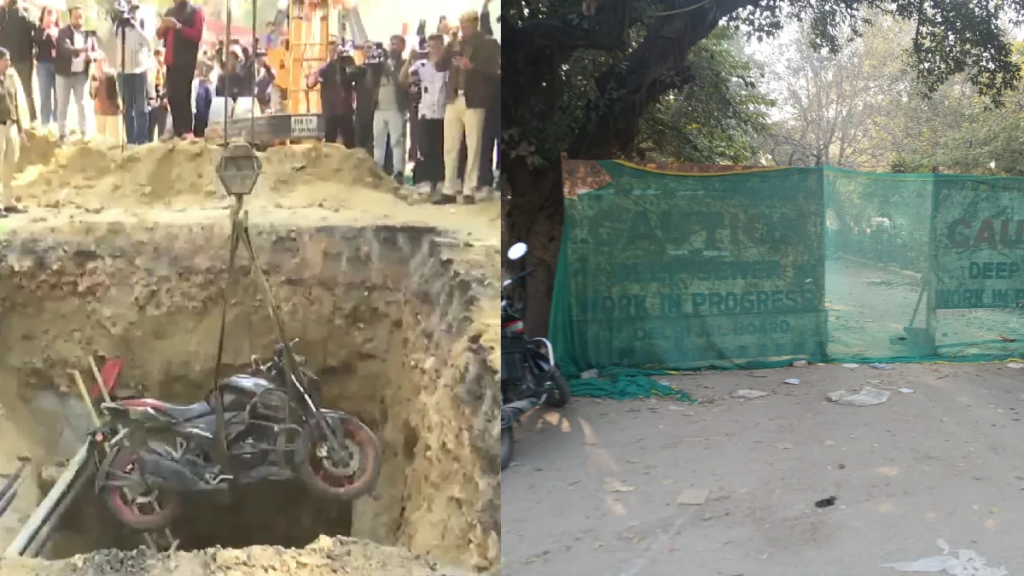
A tragic incident in Delhi has sparked widespread outrage after a biker lost his life by falling into a massive 20x14x13-foot pit, reportedly located just 200 metres from his home. The heartbreaking event has once again raised serious concerns about road safety, civic negligence, infrastructure failures, and public accountability in India’s capital.
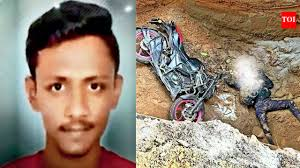
Described by many as a preventable tragedy, the case highlights how poorly maintained roads, unmarked construction hazards, and inadequate safety measures can turn everyday journeys into deadly encounters.
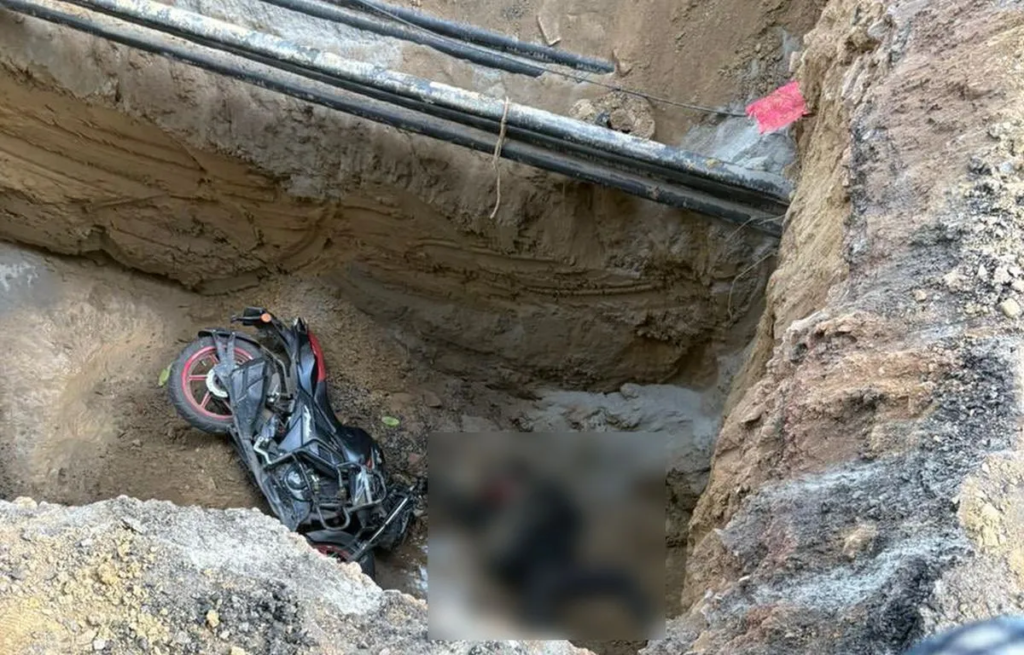
According to preliminary reports, the biker was returning home when he unknowingly approached an unmarked and dangerously deep pit on a Delhi roadway. The excavation, reportedly measuring 20 feet long, 14 feet wide, and 13 feet deep, had allegedly been left poorly secured or completely uncovered.
Due to poor visibility, insufficient lighting, and lack of warning signs, the biker did not notice the hazard in time. He plunged into the pit, sustaining fatal injuries.
Officials confirmed that the victim was less than 200 metres away from his residence, making the incident even more heartbreaking. What should have been a routine journey home turned into a deadly accident caused by infrastructure negligence.
Experts and investigators have pointed to multiple factors that contributed to the deadly incident, turning the pit into a virtual death trap.
1. Massive Size and Depth
The pit’s dimensions — 20x14x13 feet — meant it was deep enough to cause severe or fatal injuries to anyone who fell in.
2. Lack of Safety Barriers
Reports suggest the excavation site lacked proper barricades, fencing, or protective coverings — basic safety requirements at construction sites.
3. No Warning Signs or Reflectors
There were allegedly no visible warning boards, reflective tapes, cones, or hazard lights to alert road users of the danger.
4. Poor Street Lighting
The area reportedly had inadequate lighting, making it difficult for motorists to spot the pit at night.
5. Possible Civic Oversight
Questions are being raised about municipal oversight, contractor accountability, and whether safety guidelines were ignored or poorly enforced.
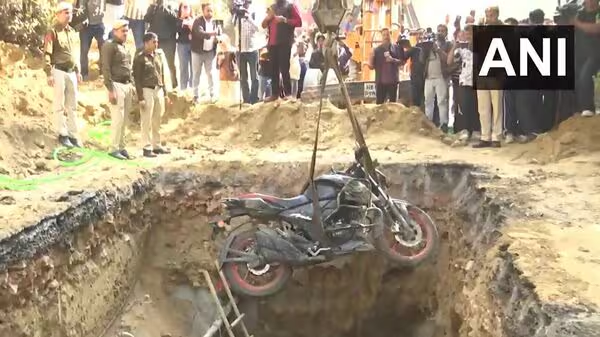
Family members revealed that the biker was almost home, traveling along a familiar route he had likely taken countless times before.
The fact that he was just 200 metres from his doorstep has deepened public anger and sorrow. For many, the tragedy symbolizes how ordinary citizens are often placed at risk due to systemic failures beyond their control.
Residents in the area have described the pit as a known hazard, claiming they had previously raised concerns about unsafe construction practices.
Delhi Police have registered a case and initiated an investigation into:
- Who authorized the excavation
- Whether proper safety protocols were followed
- If there was criminal negligence on the part of contractors or civic authorities
Authorities are reviewing CCTV footage, speaking to eyewitnesses, and collecting forensic evidence to reconstruct the sequence of events.
Meanwhile, municipal officials have promised a full inquiry and assured that action will be taken against those found responsible.
This tragic case is not an isolated incident. Across major Indian cities, poorly managed construction sites, open drains, uncovered pits, and unsafe road conditions have repeatedly led to accidents and fatalities.
Recurring Problems Include:
- Open excavations left unsecured
- Broken or missing road barriers
- Lack of night-time hazard lighting
- Delayed repairs and weak enforcement
- Poor coordination between civic agencies
Urban planners and safety experts warn that rapid urbanization without strict safety regulation continues to put lives at risk.
The Delhi biker’s death has triggered public outrage, with citizens, activists, and political leaders demanding:
- Strict action against negligent contractors
- Compensation for the victim’s family
- Immediate safety audits of construction sites
- Better road monitoring and maintenance
On social media, many users called the pit a “government-made death trap”, criticizing authorities for failing to protect citizens.
Legal experts say that liability could extend to multiple parties, including:
- Construction contractors
- Municipal corporations
- Engineering departments
- Supervisory officials responsible for public safety
If negligence is proven, responsible parties could face criminal charges, fines, and civil liability for wrongful death.
Activists are urging authorities to ensure the case does not end in bureaucratic silence and that accountability leads to real consequences.
Behind the headlines lies a grieving family who lost a loved one in a sudden, avoidable tragedy.
Relatives described the victim as a responsible individual and a devoted family member, whose death has left an emotional and financial void.
Support groups and civil society organizations have stressed the importance of:
- Providing fair compensation
- Ensuring legal assistance for the family
- Offering counseling and mental health support
CCTV cameras installed near the area are reportedly helping investigators:
- Track the biker’s movement
- Reconstruct the timeline
- Assess whether the pit was clearly visible or improperly marked
Experts say technology can play a major role in enhancing accountability, but only when combined with swift legal action.
Safety experts argue that the incident should serve as a wake-up call for authorities to implement stronger safety frameworks.
Key Preventive Measures Include:
1. Mandatory Safety Protocols for Construction Sites
- Covered pits and secure fencing
- Reflective barriers and warning signage
- Night hazard lighting
2. Regular Road Safety Audits
- Monthly inspections of high-risk zones
- Real-time reporting of hazards
- Faster repair response times
3. Stronger Penalties for Negligence
- Heavy fines for unsafe construction
- Blacklisting repeat offenders
- Criminal prosecution in fatal cases
4. Public Reporting Mechanisms
- Citizen apps for reporting hazards
- Emergency helplines
- Transparent tracking of civic complaints
Several political leaders have criticized the tragedy, calling it an example of administrative failure and civic irresponsibility.
Opposition leaders have demanded:
- A judicial probe
- Structural reforms in municipal safety enforcement
- Accountability at the highest levels of governance
Government officials, meanwhile, have promised to review safety regulations and strengthen oversight.
As the incident gains national attention, experts emphasize the importance of responsible media coverage that:
- Respects the victim’s dignity
- Avoids sensationalism
- Focuses on systemic reform rather than shock value
Ethical reporting, they argue, can help drive constructive public discourse and policy change.
India continues to witness thousands of road-related deaths each year, many of which are linked to:
- Poor infrastructure
- Inadequate signage
- Unsafe construction practices
- Weak regulatory enforcement
Road safety advocates stress that reducing fatalities requires coordination between government agencies, law enforcement, urban planners, and citizens.