Dera Beas Chief Gurinder Dhillon, Sukhbir Badal Join Punjab Governor’s Foot March — 5 Big Political Reactions
Dera Beas chief Gurinder Dhillon and Sukhbir Badal join Punjab Governor’s foot march, triggering a major political storm
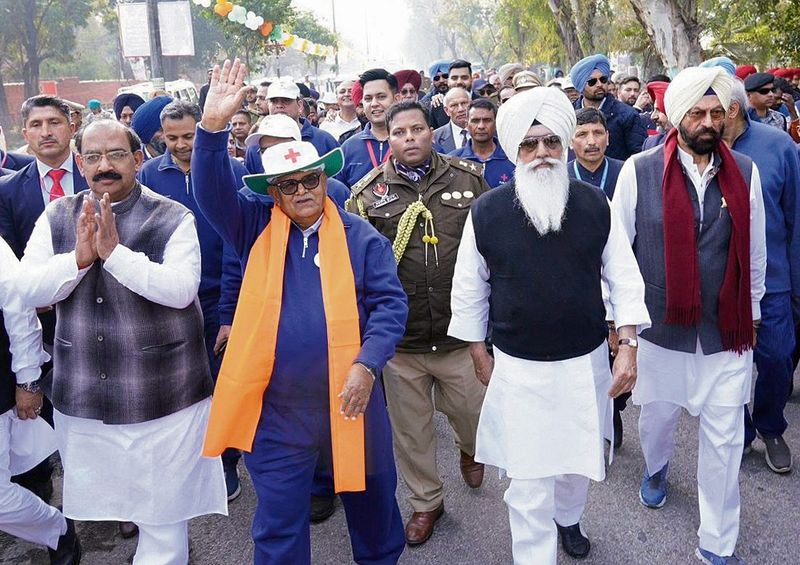
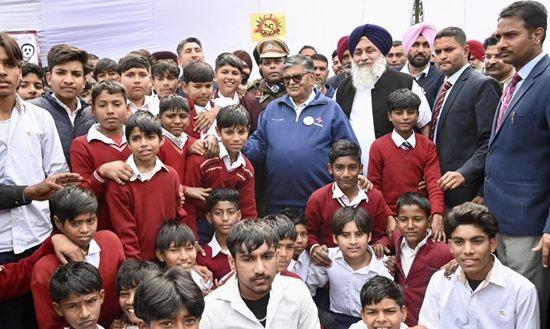
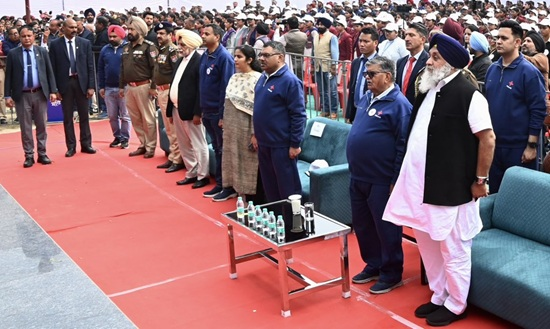
Punjab’s political landscape has been thrown into fresh turmoil after Dera Beas chief Gurinder Singh Dhillon and Shiromani Akali Dal (SAD) president Sukhbir Singh Badal participated in a foot march led by the Punjab Governor. What was intended as a symbolic civic and social initiative has now escalated into a major political controversy, drawing reactions from rival parties, religious groups, and civil society.
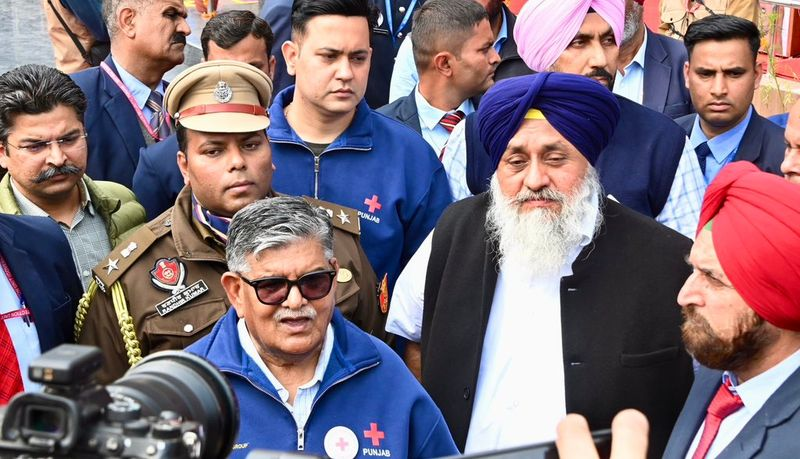
The participation of two high-profile figures — one a spiritual leader commanding millions of followers, and the other a senior political leader — has sparked debates over political messaging, religious influence, power optics, and governance in Punjab.
The Punjab Governor’s foot march was organized as a public outreach initiative aimed at promoting social harmony, peace, public safety, and community engagement. Such marches are often symbolic, intended to bring together people from diverse backgrounds to foster unity and awareness on social issues.
However, the presence of Gurinder Dhillon, head of the Radha Soami Satsang Beas (Dera Beas), along with Sukhbir Badal, transformed the event from a civic campaign into a politically charged spectacle.
Gurinder Singh Dhillon is the spiritual head of Dera Beas, one of the largest spiritual organizations in India with a vast follower base across Punjab, India, and abroad. The Dera has historically been influential in social, religious, and even political spheres, making Dhillon’s public appearance alongside political leaders highly significant.
Although Dhillon is known for maintaining a relatively low political profile, past associations between religious leaders and political figures in Punjab have often drawn scrutiny, fueling concerns about vote-bank politics and religious influence.
Sukhbir Singh Badal, son of former Punjab Chief Minister Parkash Singh Badal, is a prominent leader of the Shiromani Akali Dal, a party with deep roots in Punjab’s political and Sikh religious history.
His presence at the foot march was viewed by many as a strategic political move, especially at a time when SAD is attempting to regain political ground amid changing voter sentiment in Punjab.
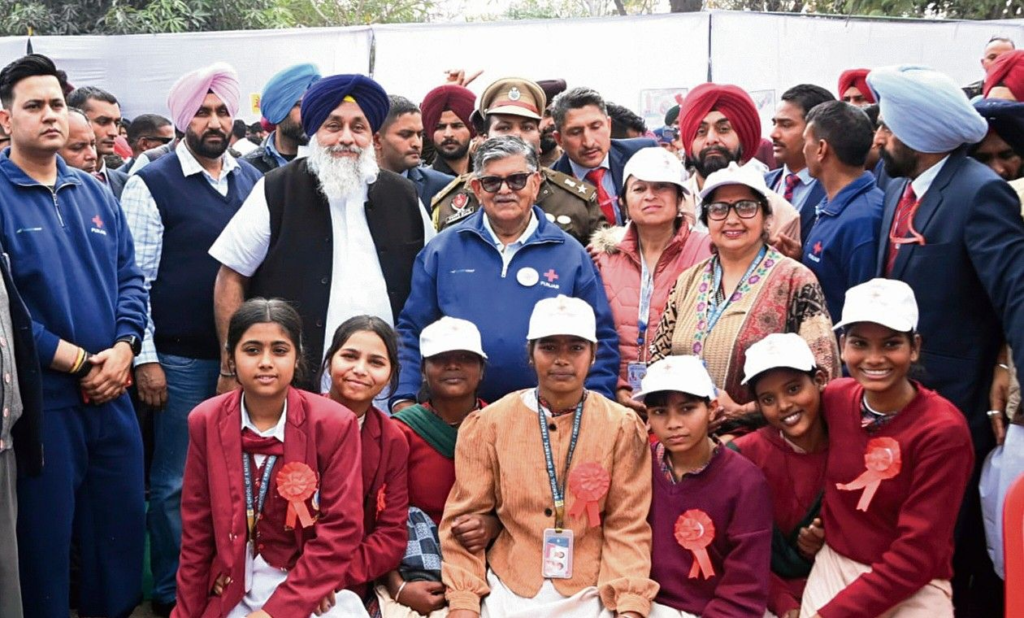
The controversy stems from the symbolic power of the gathering. Political opponents argue that:
- The event blurred the line between religion and politics
- A religious leader’s presence may influence public opinion and voter sentiment
- The Governor’s office should maintain political neutrality
- The optics could suggest tacit political endorsement
Critics have accused the event of being a political signaling exercise rather than a purely civic initiative.
Several opposition parties criticized the event, calling it inappropriate and politically motivated. Leaders from rival factions argued that the Governor’s foot march should not become a platform for political networking or image-building.
Some political figures questioned:
- Whether constitutional neutrality was compromised
- Whether religious influence is being leveraged for political advantage
- Whether the event could set a dangerous precedent
Supporters of Dhillon and Badal countered the criticism by stating that the march was non-political and aimed at promoting unity and public welfare.
They argued that:
- Public figures have the right to participate in social initiatives
- Encouraging civic engagement should not be politicized
- The backlash reflects political insecurity rather than genuine concern
The incident has triggered intense debate on social media, television panels, and community forums.
Supportive Voices
Many citizens praised the participation, viewing it as:
- A step toward unity and social harmony
- A positive sign of collaboration between religious and political leaders
- An opportunity to bring attention to public welfare issues
Others expressed concern over:
- The mixing of religion and state affairs
- Potential political messaging through symbolic gestures
- The risk of deepening political polarization
Punjab has a long history where religion and politics intersect, making such events especially sensitive. Religious scholars and social commentators have weighed in, emphasizing the need to maintain a clear boundary between spiritual leadership and political activity.
Some have warned that religious institutions should avoid being drawn into political narratives, as it could undermine their credibility and spiritual mission.
The Governor’s office has maintained that the foot march was intended as a non-partisan social initiative, not a political gathering. Officials clarified that the participation of various public figures was voluntary and inclusive, not politically orchestrated.
However, constitutional experts have pointed out that the Governor’s role is expected to remain politically neutral, and any event involving political leaders may naturally draw scrutiny.
Political analysts believe the episode may have broader electoral implications in Punjab.
Possible Motivations
- Strengthening ties with religious and social influencers
- Improving public perception ahead of future elections
- Reinforcing grassroots visibility and relevance
Potential Risks
- Backlash from voters concerned about religious-political mixing
- Criticism from secular and moderate groups
- Heightened political polarization
Punjab’s political history includes multiple instances where religious leaders and political parties have intersected. From Gurdwara management politics to faith-based voter influence, such interactions have frequently shaped electoral outcomes.
This latest incident adds another chapter to the ongoing debate about the appropriate role of spiritual leaders in public and political life.
National media outlets have widely covered the story, framing it as part of a larger discussion about religion, governance, and political symbolism in India.
Editorials and opinion pieces have analyzed whether the controversy reflects:
- Growing political sensitivity
- Strategic maneuvering ahead of elections
- Public discomfort with religious-political optics
In the coming days, political observers expect:
- More statements and clarifications from involved parties
- Possible assembly debates or political resolutions
- Continued media scrutiny and public discussion
- Strategic repositioning by political leaders to manage perception
Whether the controversy fades or escalates further will depend on how leaders choose to address public concerns.
Beyond immediate political drama, this episode raises important questions about:
- The role of religion in democratic politics
- The neutrality of constitutional offices
- Ethical boundaries in public representation
- Public trust in political and spiritual institutions
It also reflects evolving voter expectations in Punjab, where citizens increasingly demand transparency, accountability, and clear separation of influence.
Read Also : Nancy Guthrie Disappearance Case: 1 Person Detained for Questioning in Major Break