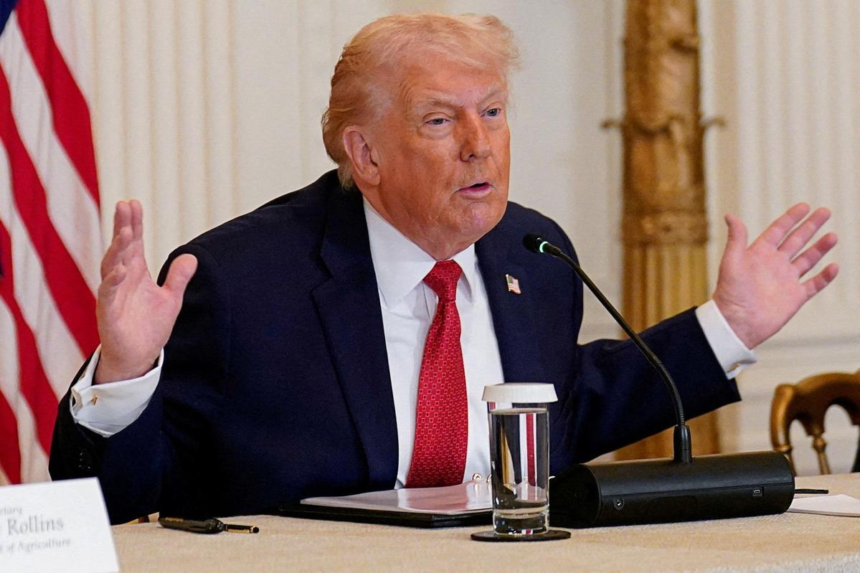
Trump Hails U.S.-India Trade Deal as ‘Historic’: 10 Big Wins for Both Nations
U.S. President Donald Trump calls the India-U.S. trade deal “historic.” Read key highlights, economic benefits, major agreements, and what it means for both nations
Washington, D.C. / New Delhi — In a landmark moment for global trade and diplomacy, U.S. President Donald Trump has hailed the newly finalized U.S.–India trade deal as “historic,” calling it one of the most significant economic agreements between the two nations in decades. The agreement is expected to reshape bilateral trade, boost business opportunities, strengthen strategic ties, and unlock billions of dollars in cross-border investments.
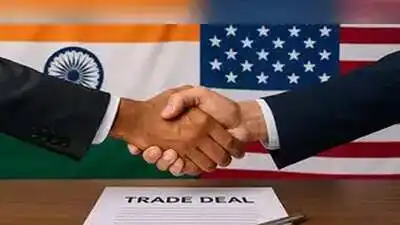
The announcement marks a major breakthrough in India–U.S. economic relations, following years of negotiations over tariffs, market access, technology transfers, and industrial cooperation. With both countries aiming to strengthen supply chains and counter global economic uncertainties, the deal is being widely viewed as a turning point in Indo-American trade history.
President Trump described the pact as a “win-win agreement” that will benefit American manufacturers, Indian exporters, investors, and workers alike.
“This historic deal strengthens our partnership with India, opens new markets for American businesses, and creates powerful economic opportunities for both nations,” Trump said during his official statement.
The deal reportedly addresses long-standing trade barriers and aims to:
- Expand bilateral trade volumes
- Reduce tariffs on key goods
- Promote defense, technology, and energy cooperation
- Increase U.S. exports to India
- Encourage Indian investment in American industries
With India emerging as one of the world’s fastest-growing major economies, the agreement reflects Washington’s broader strategy to deepen economic engagement with Asia while strengthening ties with a key strategic ally.
The new trade framework reportedly includes multiple high-impact measures designed to expand commerce and reduce friction between the two nations.
- India committing to purchase billions of dollars’ worth of U.S. goods, including energy, defense equipment, and agricultural products
- Reduction or elimination of tariffs on selected American exports
- Expanded market access for U.S. technology firms and service providers
- Support for Indian pharmaceutical and textile exports to the U.S.
- Stronger intellectual property protections
- New pathways for digital trade and e-commerce cooperation
- Joint initiatives in semiconductors, artificial intelligence, and clean energy
- Strengthened supply chain resilience and manufacturing collaboration
Experts say the agreement could push bilateral trade beyond $300 billion annually over the coming years.
For the United States, the trade pact serves multiple strategic and economic goals.
Benefits for the U.S. include:
- Expanding American exports to one of the world’s largest consumer markets
- Reducing dependence on Chinese supply chains
- Strengthening defense and technology partnerships with India
- Supporting U.S. farmers, energy producers, and manufacturers
- Creating new jobs and investment opportunities in key industries
President Trump emphasized that the agreement will “level the playing field for American workers and businesses” while reinforcing U.S. economic influence in the Indo-Pacific region.
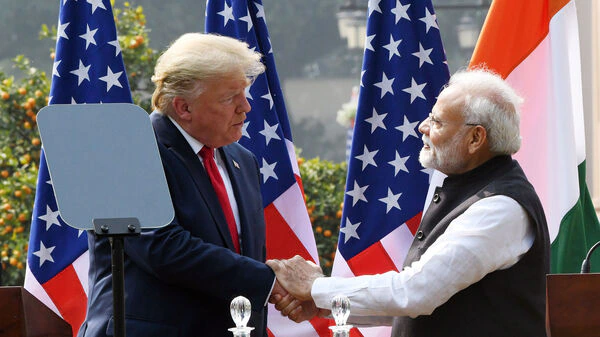
For India, the agreement provides a major boost to foreign investment, trade access, and global economic standing.
Expected gains for India include:
- Greater access to U.S. markets for Indian goods
- Increased foreign direct investment (FDI) from American companies
- Strengthened technology transfer and innovation partnerships
- Expansion of Indian IT, pharmaceutical, and manufacturing sectors
- Improved energy security through U.S. oil and LNG imports
- Job creation through new export-driven industries
Indian policymakers view the pact as a step toward transforming India into a global manufacturing and export powerhouse.
Current trade between India and the United States already exceeds $190 billion annually, making the U.S. one of India’s largest trading partners.
Under the new agreement:
- Trade volumes could grow by 40–60% over the next five years
- U.S. exports to India may increase by tens of billions of dollars
- Indian exports to the U.S. could see significant tariff relief
- Joint investments could cross $500 billion in the coming decade
Economists believe the pact could reshape global trade patterns, especially in manufacturing, technology, and energy sectors.
1. Defense Cooperation
India is expected to increase defense purchases from the U.S., strengthening military ties and reducing reliance on other suppliers.
2. Energy Trade
India plans to import more U.S. crude oil, LNG, and renewable technology, enhancing energy security and reducing carbon emissions.
3. Technology & Digital Economy
The deal includes cooperation in:
- Artificial Intelligence
- Semiconductor manufacturing
- Cybersecurity
- Digital payments
- Cloud computing
This could position both nations as leaders in next-generation technology.
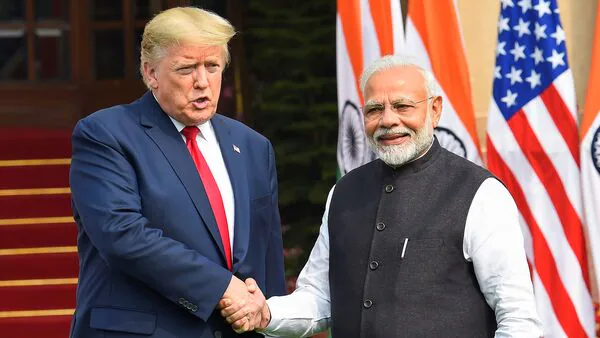
In the United States:
- Business groups welcomed the agreement as a major export booster
- Lawmakers praised stronger ties with a democratic ally
- Some critics raised concerns over labor and environmental protections
In India:
- Industry leaders hailed the deal as a growth catalyst
- Exporters and startups expressed optimism
- Opposition voices urged caution over market competition and tariff concessions
Despite mixed reactions, most analysts agree the pact represents a strategic economic milestone.
The India–U.S. trade agreement is expected to shift global economic dynamics.
Potential global effects include:
- Reduced reliance on China-centric manufacturing
- Strengthened Indo-Pacific economic alliances
- Increased competition in global tech and manufacturing markets
- Greater influence for India in international trade negotiations
- Enhanced U.S. leverage in global economic diplomacy
Experts say the deal reflects a broader trend of reshaping global supply chains in a post-pandemic world.
The agreement opens massive opportunities across multiple sectors.
High-growth sectors include:
- Manufacturing & Industrial Goods
- Technology & Software
- Defense & Aerospace
- Renewable Energy
- Pharmaceuticals & Healthcare
- Agriculture & Food Processing
- E-commerce & Digital Services
Both American and Indian companies are expected to expand operations, form joint ventures, and increase hiring as trade barriers ease.
Despite its promise, the deal faces several challenges:
- Ensuring fair implementation of tariff reductions
- Addressing labor rights and environmental standards
- Preventing trade imbalances
- Protecting small businesses and domestic industries
- Managing political opposition in both countries
Experts stress that effective execution and transparency will determine whether the deal delivers on its ambitious goals.
In the coming months, both governments are expected to:
- Finalize detailed implementation frameworks
- Establish monitoring committees
- Roll out sector-specific trade policies
- Support businesses with export and investment incentives
- Conduct high-level diplomatic and trade summits
The success of the agreement will depend on consistent cooperation, policy stability, and business engagement.
Read Also : Mumbai Mayor Ritu Tawde Announces Hawking Zones & Footpath Reforms: 10 Big Changes Coming Soon