Tarique Rahman’s Explosive Political Rise: 7 Powerful Moments That Reshaped Bangladesh’s History
Explore the explosive rise of Tarique Rahman in Bangladesh politics, uncovering 7 key turning points, powerful strategies, and the lasting impact of his dramatic political debut on the nation’s future
Bangladesh’s political landscape has long been shaped by legacy, rivalry, and dramatic turning points. Among the most talked-about figures in recent decades is Tarique Rahman, whose political debut and subsequent rise marked one of the most debated and closely watched chapters in the nation’s modern history. His emergence was not merely the arrival of another politician—it represented the continuation of a powerful political lineage, a reconfiguration of party dynamics, and a new phase in opposition politics.
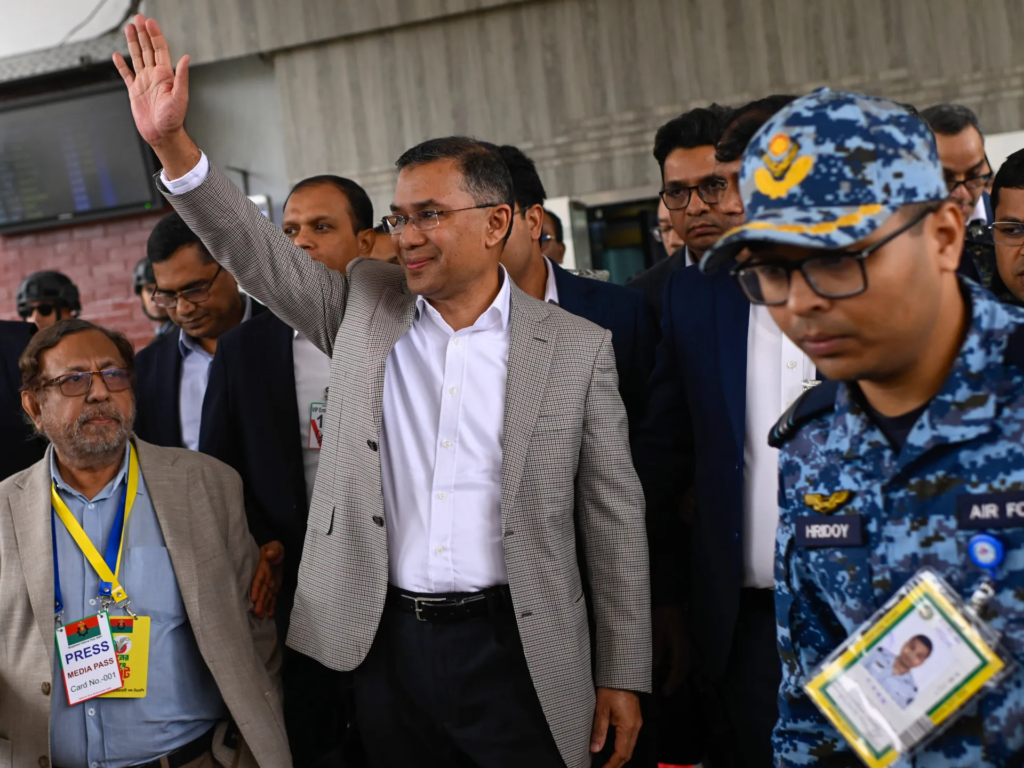
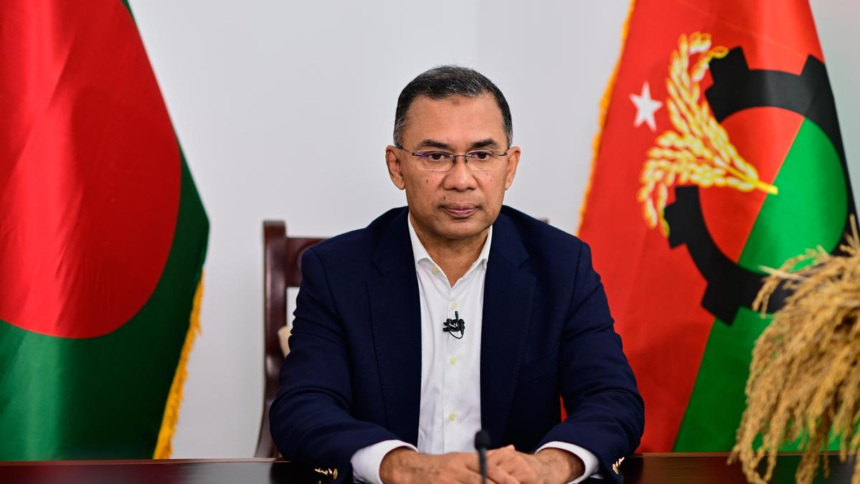
As the acting chairman of the Bangladesh Nationalist Party (BNP), Tarique Rahman’s trajectory has been intertwined with Bangladesh’s evolving political narrative. From his early involvement in party affairs to his growing influence within the BNP and beyond, his journey reflects both the promise and the turbulence that define Bangladesh’s democratic journey.
Tarique Rahman entered politics carrying one of the most recognizable surnames in Bangladesh. He is the son of former President Ziaur Rahman and former Prime Minister Khaleda Zia. This lineage alone ensured that his political debut would attract national attention.
Ziaur Rahman founded the Bangladesh Nationalist Party, shaping it into one of the country’s two dominant political forces. Khaleda Zia later led the nation as Prime Minister, cementing the family’s deep association with governance and opposition politics alike. Against this backdrop, Tarique Rahman’s entry into public life was viewed not just as personal ambition but as a continuation of a political dynasty.
However, legacy can be both an advantage and a burden. From the outset, he faced heightened scrutiny, expectations, and criticism—factors that would define much of his political journey.
One of the most significant aspects of Tarique Rahman’s early political involvement was his focus on strengthening party organization. As he assumed increasing responsibilities within the BNP, particularly during the early 2000s, he worked to consolidate grassroots networks and energize youth participation.
Supporters credited him with modernizing aspects of the party’s internal communication and outreach strategies. He was seen as someone who could connect with younger cadres while preserving the BNP’s ideological core. His growing influence within the party hierarchy signaled a generational shift, positioning him as a central decision-maker.
Critics, however, questioned the centralization of authority and alleged that informal power structures were forming around him. Regardless of perspective, it was clear that Tarique Rahman was no longer a peripheral figure—he had become a key architect of BNP strategy.
No account of Tarique Rahman’s political debut would be complete without acknowledging the controversies that accompanied his rise. Over the years, he faced multiple legal challenges and allegations, which significantly shaped public discourse about his leadership.
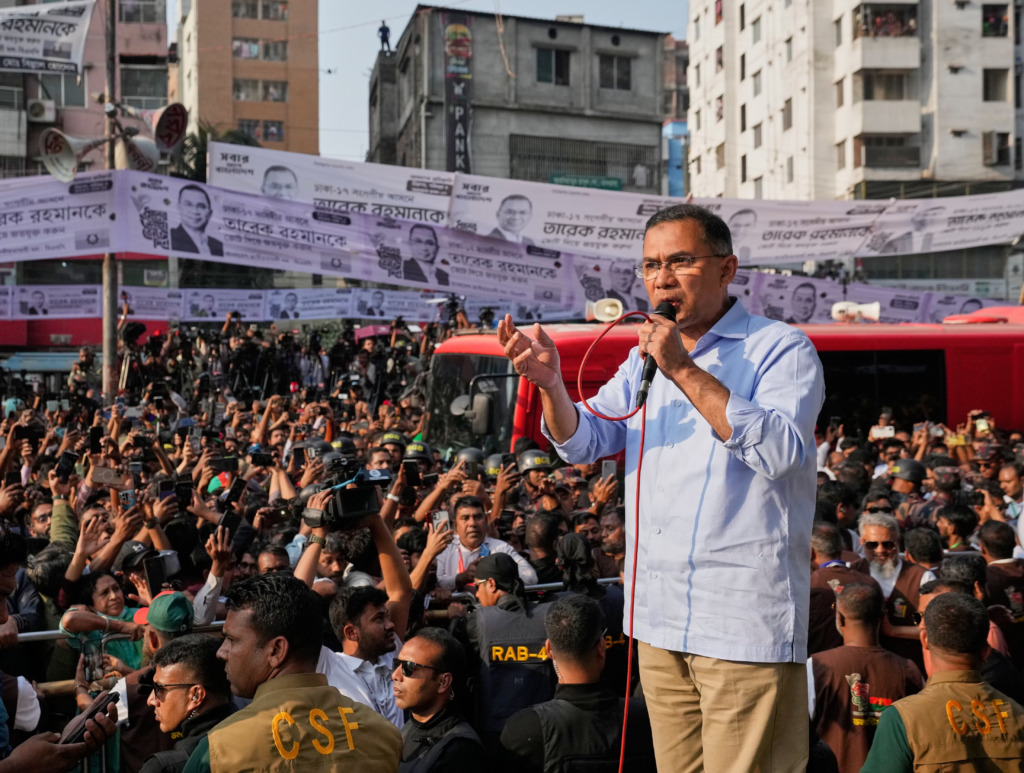
These developments not only affected his personal political trajectory but also influenced the BNP’s broader standing in national politics. Supporters often described the cases as politically motivated, while opponents argued they reflected deeper governance concerns.
The controversies intensified during periods of heightened political rivalry between the BNP and the ruling Awami League. The long-standing rivalry between these two parties has defined Bangladesh’s political arena for decades, and Tarique Rahman’s ascent unfolded squarely within this adversarial environment.
One of the most dramatic chapters in Tarique Rahman’s journey has been his leadership from abroad. Operating from outside Bangladesh, he continued to shape BNP policy decisions, public messaging, and electoral strategies. This unusual arrangement added a unique dimension to his political role.
Leading a major political party from overseas required adapting to new realities—leveraging digital communication, maintaining coordination with senior leaders at home, and sustaining party morale amid challenging circumstances.
For supporters, this phase underscored resilience and strategic persistence. For critics, it raised questions about practical leadership and direct engagement with grassroots issues. Nonetheless, his continued relevance in national political conversations demonstrated that physical distance did not equate to diminished influence.
In recent years, Tarique Rahman has sought to present a broader policy-oriented vision for Bangladesh’s future. His speeches and statements have emphasized themes such as democratic reform, economic accountability, and institutional strengthening.
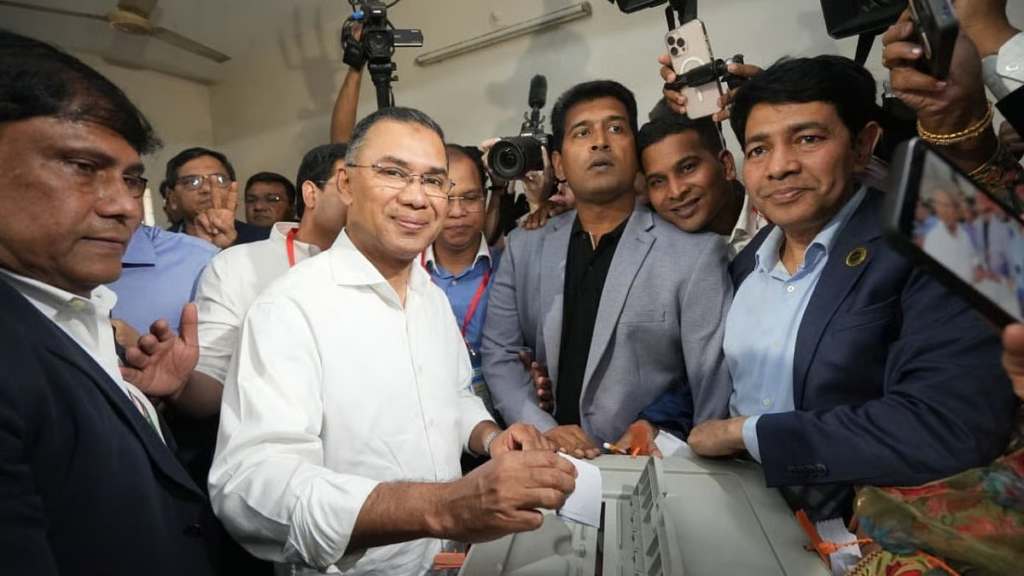
By framing his narrative around governance reform and national development, he has attempted to reposition himself not merely as a legacy leader but as a forward-looking strategist. This rebranding effort is crucial in a political climate where voter demographics are shifting and younger generations demand transparency and economic opportunity.
The BNP under his acting leadership has also focused on coalition-building and strategic alliances, aiming to expand its support base. This recalibration reflects an understanding that contemporary political success requires adaptability and inclusive outreach.
Tarique Rahman’s political debut and subsequent evolution have had measurable effects on Bangladesh’s political equation. His prominence has reinforced the BNP’s identity as a family-led party while simultaneously challenging it to broaden its appeal.
The rivalry between the BNP and the Awami League has often centered on leadership personalities as much as policy differences. Tarique Rahman’s emergence ensured that the BNP maintained a recognizable and assertive leadership figure during critical electoral cycles.
His presence has also influenced public discourse, with debates frequently focusing on issues of accountability, governance standards, and the role of political dynasties in South Asia. In this sense, his journey mirrors broader regional patterns where legacy politics and democratic contestation coexist in complex ways.
Looking forward, Tarique Rahman’s political trajectory remains one of the most closely watched in Bangladesh. The challenges before him are substantial—rebuilding trust, navigating legal and political hurdles, and crafting a compelling national agenda.
Bangladesh itself stands at a crossroads, balancing economic growth with demands for political reform and institutional resilience. Any leader aspiring to shape its future must address both immediate governance concerns and long-term structural goals.

For Tarique Rahman, the path ahead will require translating rhetoric into actionable policy frameworks, strengthening party unity, and engaging constructively with a diverse electorate. Whether he can transform his striking political debut into a lasting leadership legacy will depend on strategic decisions in the coming years.
The story of Tarique Rahman is far from complete. His debut in Bangladesh’s political sphere was dramatic, polarizing, and undeniably impactful. It reflected the enduring influence of political lineage while highlighting the evolving nature of opposition leadership.
As Bangladesh continues to navigate its democratic journey, figures like Tarique Rahman remain central to shaping its narrative. His rise—marked by ambition, controversy, resilience, and strategic repositioning—illustrates the dynamic interplay between legacy and leadership in one of South Asia’s most politically vibrant nations.
In the end, Tarique Rahman’s political debut was not just a personal milestone. It was a moment that reverberated across party lines, reshaped internal dynamics within the Bangladesh Nationalist Party, and added a new chapter to Bangladesh’s complex political history.
Read Also : Ranjeet & Varsha Usgaonkar Grace BMC’s 29th Mumbai Flower Show — 10 Stunning Highlights