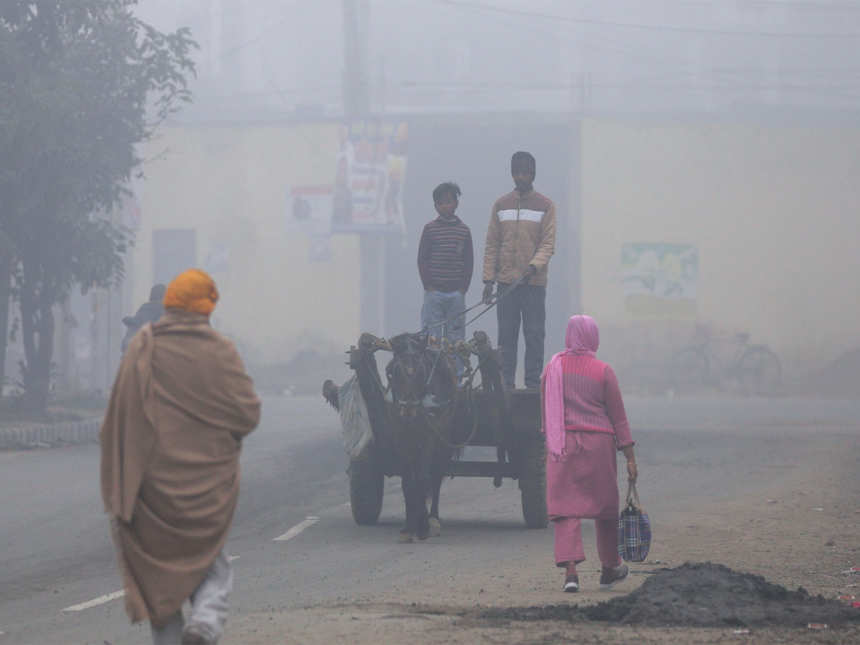
Winter Eases in North India: Punjab & Haryana See Temperature Rise, Firozpur at 8.2°C
Minimum temperatures rise across Punjab and Haryana, says India Meteorological Department. Firozpur remains coldest at 8.2°C, while Mahendragarh records 8.9°C amid easing winter chill
A gradual shift in weather patterns is being observed across north India as minimum temperatures begin to rise in several regions. According to the India Meteorological Department (IMD), both Punjab and Haryana have recorded a noticeable increase in night temperatures, indicating a slow easing of the winter chill. Despite the warming trend, some areas continue to experience relatively cold conditions, with Firozpur emerging as the coldest location at 8.2°C, followed closely by Mahendragarh at 8.9°C.
The IMD’s latest weather bulletin suggests that while the cold wave has weakened, fluctuating temperatures and patchy cold conditions may persist in isolated areas for the next few days.
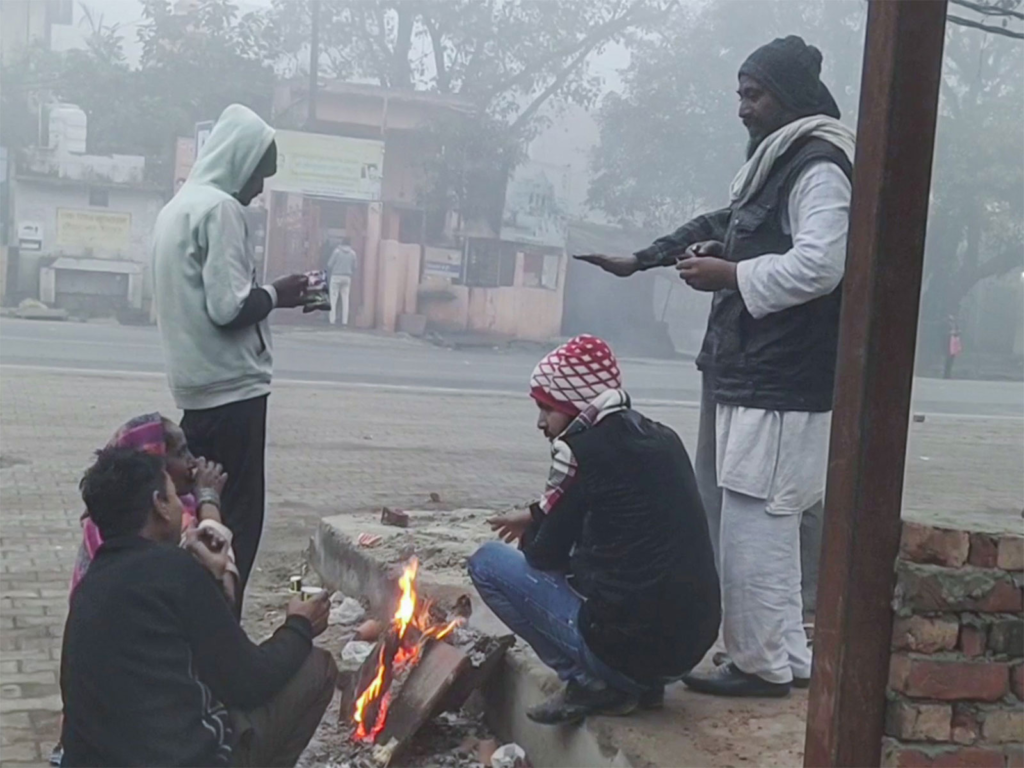
The IMD has reported a clear upward trend in minimum temperatures across several districts in Punjab and Haryana. Meteorologists attribute this rise to changing wind patterns and the absence of strong western disturbances that typically bring colder air into the region.
Night temperatures, which had dipped significantly during the peak winter period, are now showing signs of recovery. This gradual warming is a typical seasonal transition that occurs as winter begins to recede and the region moves towards late February weather patterns.
Experts say the change is neither abrupt nor unusual, but it does mark an important turning point in the winter season across north India.
Despite the overall warming trend, Firozpur recorded the lowest minimum temperature among major reporting stations. At 8.2°C, the city remained the coldest in the region, highlighting that pockets of cold air still persist in certain areas.
Meteorologists note that border regions and low-lying areas often retain colder temperatures longer due to local geographical factors. Clear skies and calm winds at night can also lead to faster cooling, resulting in lower minimum temperatures.
Residents in colder pockets like Firozpur continue to experience chilly mornings and late-night cold conditions, even as other parts of the region begin to warm up.
In Haryana, Mahendragarh recorded a minimum temperature of 8.9°C, making it one of the coldest places in the state. The district has consistently recorded lower temperatures compared to urban centres like Gurugram and Faridabad, which often experience slightly warmer conditions due to urban heat effects.
Weather experts suggest that rural and semi-rural districts tend to cool faster at night because they lack dense infrastructure and heat retention associated with large cities.
Although Mahendragarh remains relatively cold, the recorded temperature is still higher than readings seen during the peak winter phase earlier this season.
Meteorologists have identified several reasons behind the rising minimum temperatures across Punjab and Haryana:
1. Weakening Cold Winds:
The cold northwesterly winds that bring icy air from higher latitudes have weakened, allowing warmer air masses to dominate.
2. Absence of Strong Western Disturbances:
Western disturbances play a major role in shaping winter weather in north India. With fewer active systems in recent days, the cold intensity has reduced.
3. Increased Humidity Levels:
Slight increases in atmospheric moisture can prevent rapid heat loss at night, leading to higher minimum temperatures.
4. Seasonal Transition:
Late winter often brings fluctuating temperatures as the region gradually transitions toward spring.
Together, these factors have contributed to a noticeable moderation in night-time cold.
The rise in minimum temperatures is already influencing daily life across Punjab and Haryana. Residents who had been bracing for intense winter conditions are beginning to experience slightly milder nights and mornings.
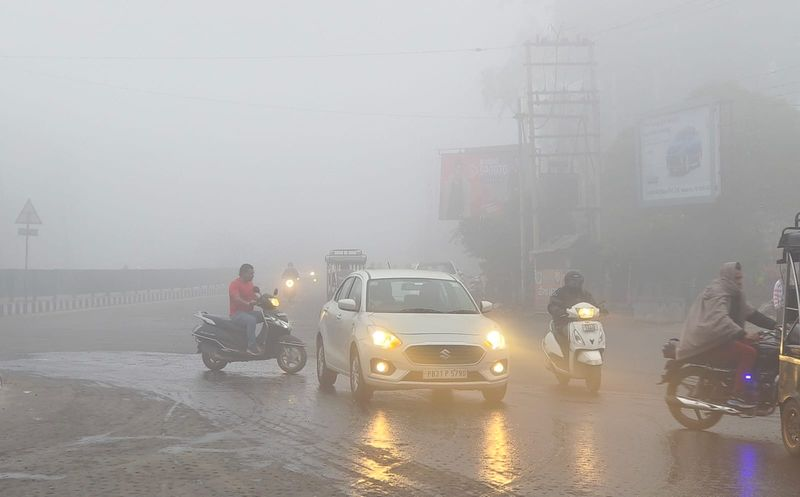
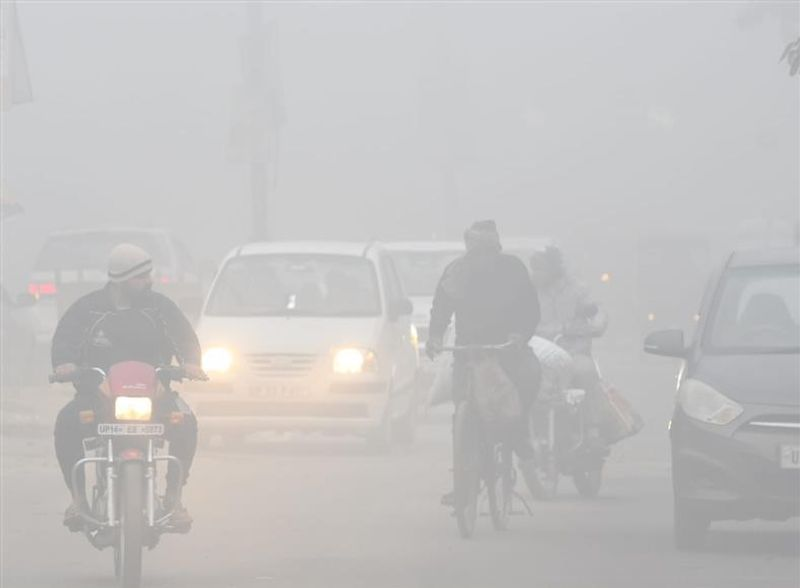
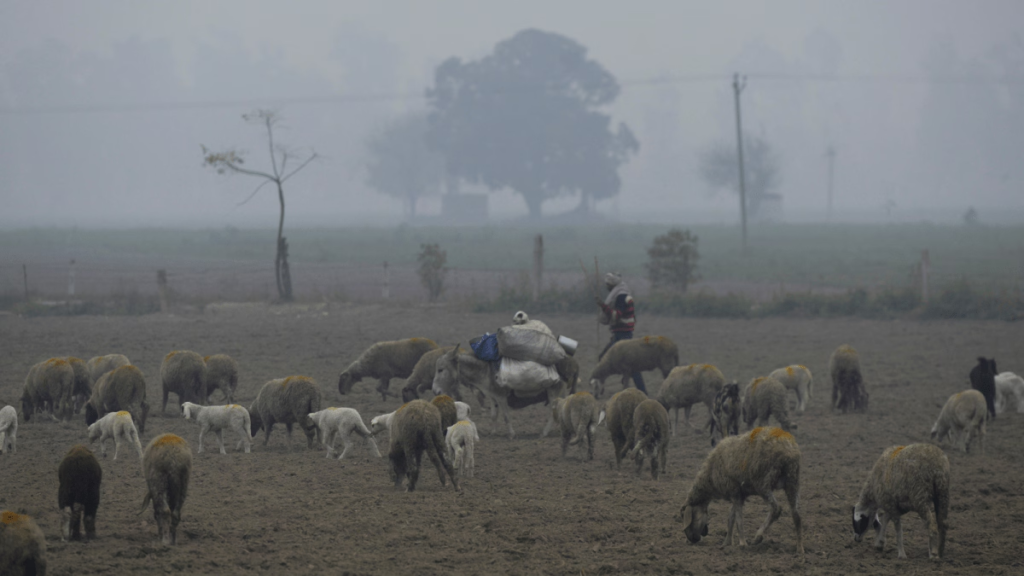
Many people have started reducing the use of heavy winter clothing, particularly during daytime hours. Morning fog, which had disrupted transport and visibility earlier in the season, has also become less dense in several areas.
However, meteorologists caution that early mornings and late nights can still feel cold, especially in open and rural areas.
The moderation in cold conditions may offer some relief to farmers across the region. Prolonged cold waves can affect certain crops, particularly vegetables and horticultural produce that are sensitive to extreme temperature drops.
A slight rise in night temperatures can help reduce frost risks, which are often a concern during harsh winter spells. Agricultural experts say that stable weather conditions are generally beneficial for wheat and mustard crops currently in key growth stages.
However, farmers are advised to stay updated with weather forecasts, as sudden temperature fluctuations can still occur.
Another notable impact of rising temperatures is the expected improvement in fog conditions. Dense fog episodes, which had caused disruptions in road, rail, and air travel earlier this winter, are likely to become less frequent.
Warmer nights typically reduce the likelihood of thick fog formation, especially when accompanied by light winds. This could bring relief to commuters and transport operators who had faced delays due to poor visibility.
That said, the IMD has not ruled out occasional shallow fog in isolated pockets during early morning hours.
While the rise in minimum temperatures signals a weakening winter, experts stress that the season is not completely over. North India often witnesses brief cold spells even in late February and early March due to sudden weather systems.
A single strong western disturbance can temporarily bring down temperatures, accompanied by rain and gusty winds. Such fluctuations are common during seasonal transitions and should not be mistaken for a permanent shift.
The IMD has advised residents to remain cautious and avoid prematurely assuming the end of winter.
Changing temperatures can have mixed effects on public health. While milder nights may provide relief from harsh cold, fluctuating weather can increase the risk of seasonal illnesses like colds, coughs, and flu.
Doctors recommend maintaining layered clothing during early mornings and late evenings to avoid exposure to temperature swings. Vulnerable groups such as children and the elderly should take extra precautions during transitional weather phases.
Hydration and proper nutrition remain important as the body adjusts to changing seasonal conditions.
According to the IMD’s short-term outlook, minimum temperatures across Punjab and Haryana are expected to remain stable or rise slightly over the next few days. No severe cold wave conditions have been predicted in the immediate forecast.
Daytime temperatures are also likely to inch upward gradually, contributing to a more balanced weather pattern across the region. Skies are expected to remain mostly clear, with occasional light cloud cover.
Meteorologists will continue monitoring weather systems that could influence temperature patterns in the coming weeks.
The rise in minimum temperatures is a clear sign that the region is transitioning from peak winter toward the closing phase of the season. Such shifts are typical during late February, when winter gradually loosens its grip over northern plains.
While mornings may still carry a mild chill, the overall weather trajectory suggests a steady move toward warmer conditions in the coming weeks.
For many residents, this transition brings a welcome break from harsh winter nights, signalling the approach of spring.
Read Also : Pune Clash: 9 Injured After BJP-Congress Workers Fight Over Harshwardhan Sapkal’s Shivaji-Tipu Remarks