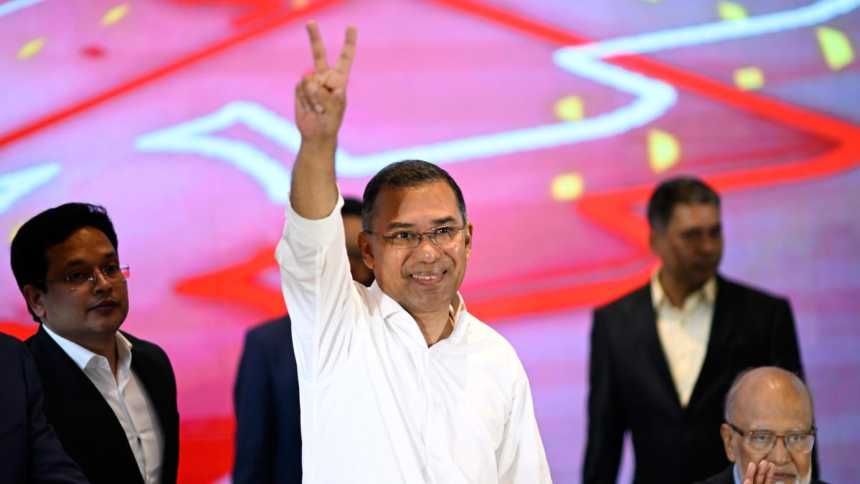
Bangladesh Govt Oath Ceremony LIVE: 7 Key Updates as New MPs Sworn In, BNP Skips 2nd Oath Over Constitution Reform Panel
Bangladesh oath ceremony LIVE: New MPs sworn in as the Bangladesh Nationalist Party skips a second oath over the Constitution Reform Commission, triggering fresh political tensions across Bangladesh
Bangladesh witnessed a dramatic political moment as newly elected lawmakers took the oath of office amid escalating tensions between the ruling establishment and opposition parties. The government’s oath-taking ceremony, held in the national capital, marked a critical milestone in the country’s post-election transition. However, the event was overshadowed by a fresh controversy after the Bangladesh Nationalist Party (BNP) declined to participate in a second oath ceremony linked to the proposed Constitution Reform Commission, intensifying the already polarized political climate in Bangladesh.
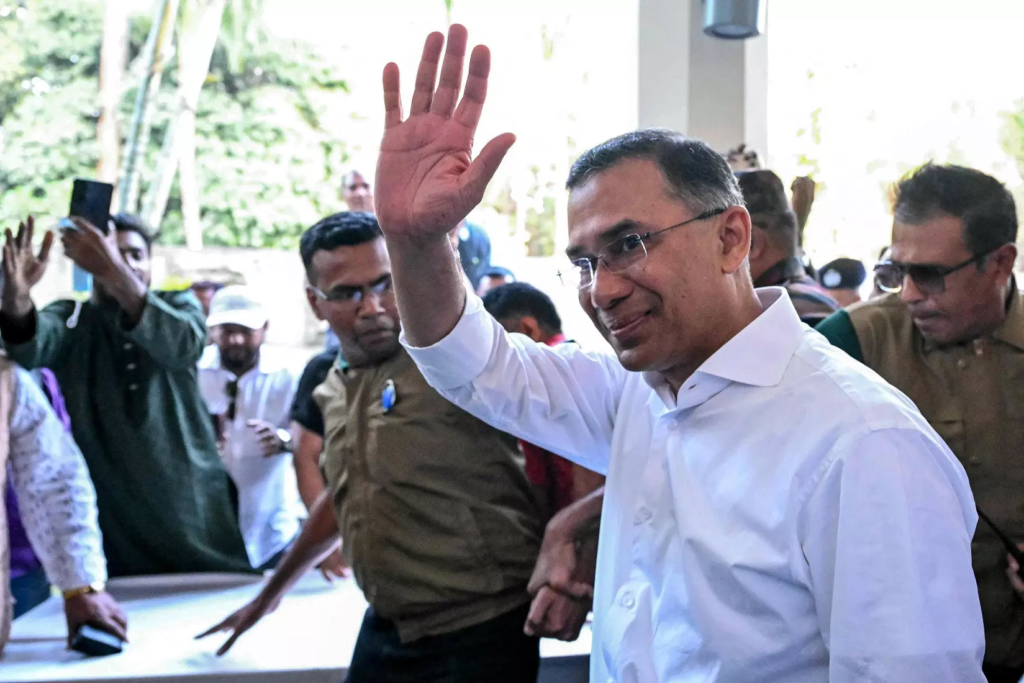
The swearing-in of newly elected Members of Parliament signaled the formal start of a new legislative term. Lawmakers from the ruling alliance and allied parties attended the ceremony in large numbers, pledging allegiance to the constitution and committing to legislative duties. The oath-taking event was closely watched both domestically and internationally, given the contentious nature of the elections and the broader political environment.
Government officials described the ceremony as a sign of institutional continuity and democratic resilience. They emphasized that the formation of the new parliament would enable the country to move forward with its development agenda, including economic reforms, infrastructure expansion, and social welfare programs.
Yet, even as the ceremony proceeded with ceremonial precision, the absence of key opposition figures highlighted the deep divisions that continue to shape Bangladesh’s political landscape.
The biggest flashpoint emerged when the BNP announced it would skip a second oath ceremony associated with the proposed Constitution Reform Commission. The party argued that the process lacked transparency and legitimacy, alleging that the commission’s composition did not reflect genuine political inclusivity.
BNP leaders claimed that taking an additional oath linked to the commission would amount to endorsing a framework they fundamentally oppose. According to party statements, the reform initiative risks consolidating power rather than promoting democratic accountability. The decision to boycott the second oath was framed as a protest against what the party called “engineered constitutional changes.”
This move has added a new layer of political uncertainty, with analysts warning that prolonged deadlock between the government and opposition could affect legislative functioning and policy implementation.
At the heart of the controversy lies the proposed Constitution Reform Commission, an initiative aimed at reviewing key constitutional provisions. The government has positioned the commission as a forward-looking mechanism designed to modernize governance structures and strengthen democratic institutions.
Officials argue that constitutional reforms are necessary to address evolving political realities and administrative challenges. Proponents within the ruling establishment have highlighted issues such as electoral reforms, decentralization, and judicial efficiency as areas that could benefit from a comprehensive review.
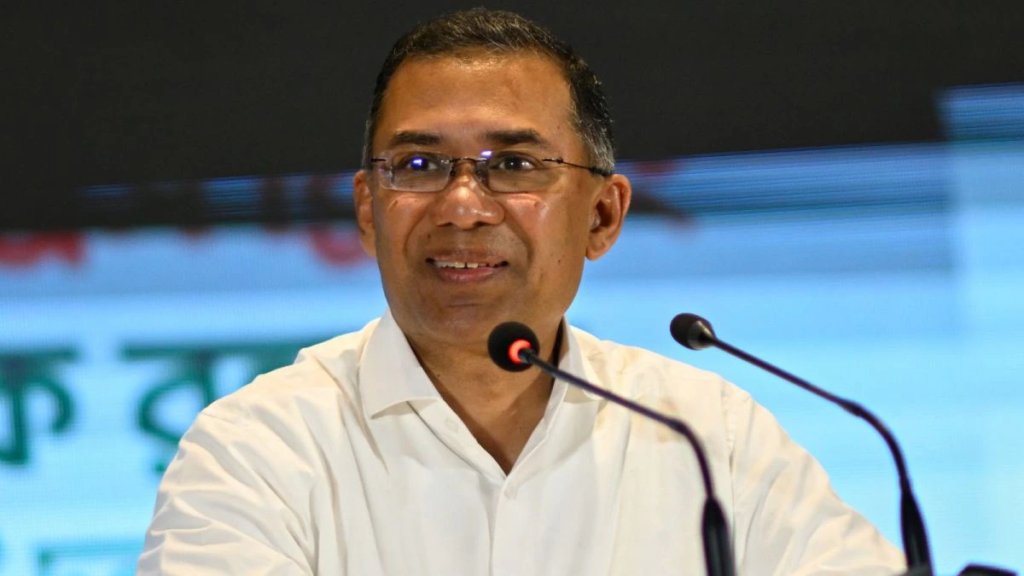
However, critics — particularly from opposition ranks — remain skeptical. They contend that the commission’s formation lacks bipartisan consultation and could lead to unilateral changes that reshape the balance of power within the political system.
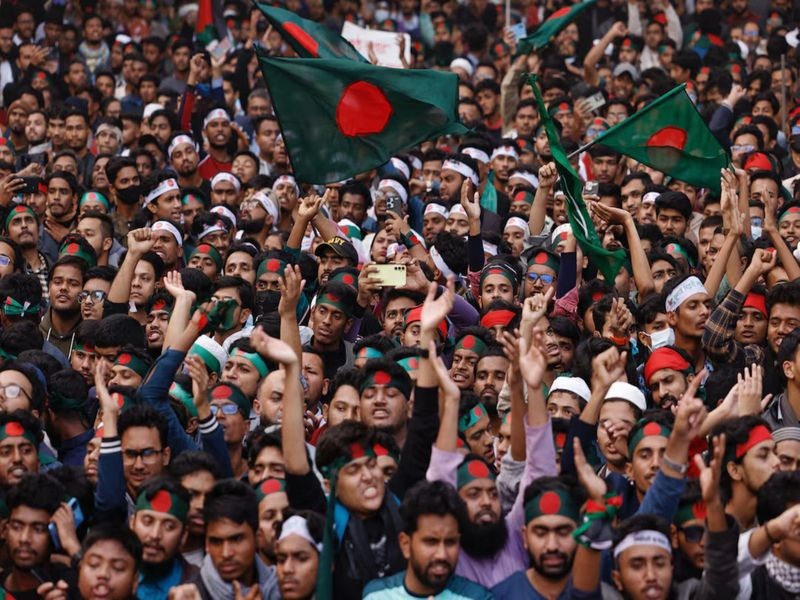
The latest developments reflect a broader trend of political polarization in Bangladesh. Relations between the ruling coalition and the BNP have been strained for years, often marked by street protests, legal battles, and electoral disputes.
The BNP’s decision to avoid the second oath underscores its broader strategy of challenging the legitimacy of government-led initiatives. Party leaders have repeatedly called for structural reforms to ensure fair electoral processes and stronger institutional independence.
On the other hand, government supporters accuse the opposition of deliberately obstructing governance and refusing to engage constructively. They argue that the boycott undermines parliamentary functioning and delays critical policymaking.
This standoff has left many observers concerned about the prospects for bipartisan cooperation in the new parliament.
The oath-taking ceremony and subsequent controversy have drawn widespread attention from civil society groups, political observers, and international stakeholders. Many domestic analysts have urged both sides to engage in dialogue to prevent further escalation.
Civil society organizations have emphasized the importance of inclusive reform processes, stressing that constitutional changes should involve broad-based consultation. They argue that without consensus, any reform effort risks being perceived as partisan, potentially weakening public trust in democratic institutions.
International observers are also closely monitoring the situation. Bangladesh’s political stability is seen as critical for regional security and economic partnerships. Diplomatic circles have quietly encouraged political actors to pursue dialogue and uphold democratic norms.
The unfolding developments could have significant implications for governance in Bangladesh. A divided parliament may face challenges in passing legislation, particularly on sensitive issues requiring broad political support. Policy initiatives related to economic reforms, social programs, and administrative restructuring could encounter delays if political tensions persist.
Additionally, the controversy surrounding the Constitution Reform Commission may shape the legislative agenda in the months ahead. If the commission proceeds without opposition participation, its recommendations could face legitimacy challenges, potentially sparking further political disputes.
Conversely, a negotiated approach that brings opposition voices into the reform process could help ease tensions and foster a more collaborative political environment.
Government representatives have defended the oath ceremony and the reform initiative, insisting that both are grounded in constitutional procedures. Officials have reiterated that the commission’s goal is to strengthen democratic institutions rather than undermine them.
Some leaders within the ruling alliance have expressed openness to dialogue, suggesting that the door remains open for opposition participation. They have urged the BNP to reconsider its position and engage constructively in shaping the country’s constitutional future.
However, whether these overtures will translate into meaningful negotiations remains uncertain, given the deep-rooted mistrust between political camps.
For the BNP, the decision to skip the second oath reflects a calculated political stance. By distancing itself from the reform commission, the party aims to reinforce its narrative of defending democratic norms and resisting perceived overreach by the ruling establishment.
The move may also be intended to mobilize grassroots support and maintain political relevance in a challenging environment. Opposition parties often rely on symbolic acts of resistance to consolidate their base, particularly when institutional avenues for influence are limited.
Nevertheless, this strategy carries risks. Prolonged disengagement from parliamentary processes could reduce the opposition’s ability to shape policy outcomes, potentially limiting its leverage in the long run.
As Bangladesh navigates this politically charged moment, the coming weeks will be crucial in determining the trajectory of governance and reform. The functioning of the new parliament, the progress of the Constitution Reform Commission, and the prospects for political dialogue will all shape the country’s immediate future.
Observers believe that sustained engagement between the government and opposition is essential to prevent further polarization. Confidence-building measures, inclusive consultations, and transparent processes could help bridge divides and foster a more stable political environment.
For ordinary citizens, the focus remains on governance outcomes — economic stability, public services, and social development. Many hope that political leaders will prioritize national interests over partisan disputes.
The oath-taking ceremony and the controversy surrounding the second oath underscore the complexities of Bangladesh’s democratic journey. While the swearing-in of new MPs symbolizes institutional continuity, the BNP’s boycott highlights unresolved tensions that continue to shape the political landscape.
At its core, the debate over the Constitution Reform Commission reflects broader questions about power, legitimacy, and democratic accountability. How these issues are navigated will have lasting implications for the country’s political evolution.
As the new parliament begins its term, Bangladesh stands at a crossroads. The choices made by political leaders in the coming months will determine whether the nation moves toward greater consensus and stability or remains mired in cycles of confrontation.
In a region where democratic transitions often face significant challenges, Bangladesh’s experience will be closely watched. The hope among many citizens and observers alike is that dialogue and institutional integrity will ultimately prevail, ensuring that the country’s democratic framework continues to evolve in a way that reflects the aspirations of its people.
Read Also : PM Modi Champions AI for Public Good: 5 Big Takeaways as Tech Impact Summit Enters Day 2