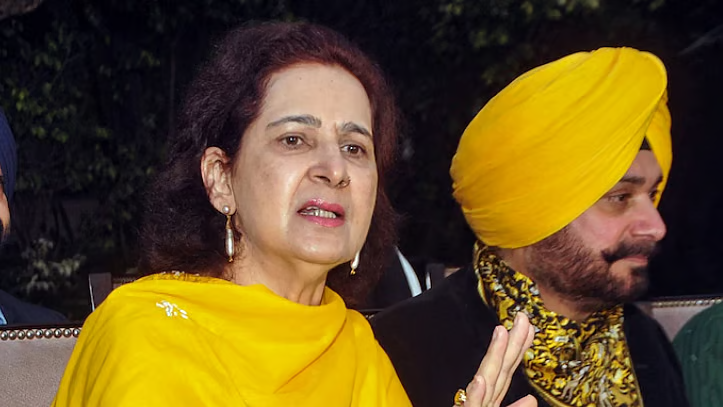
“You Don’t Deserve That Chair”: 7 Explosive Moments as Navjot Kaur Sidhu Slams Rahul Gandhi After Quitting Indian National Congress
After quitting the Indian National Congress, Navjot Kaur Sidhu launches a scathing attack on Rahul Gandhi, sparking fresh political controversy and debate across India
A major political storm has erupted after senior leader Navjot Kaur Sidhu publicly lashed out at Rahul Gandhi following her resignation from the Indian National Congress. Her explosive remarks — including the now-viral statement, “You don’t deserve that chair” — have ignited fresh debates about leadership, internal dissent, and the future of opposition politics in India.
The dramatic exit and subsequent criticism have not only intensified political tensions but also reopened conversations about internal democracy within major political parties. As reactions pour in from across the political spectrum, the episode has become one of the most talked-about political controversies of the moment.
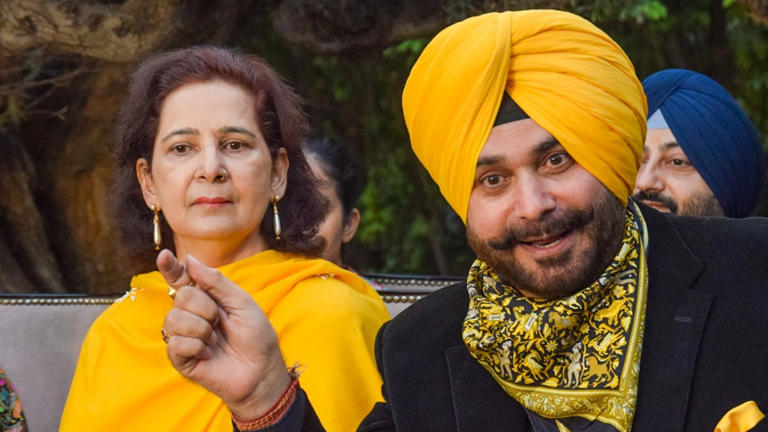
Navjot Kaur Sidhu’s resignation from the Congress came as a surprise to many observers, especially given her long association with the party. Over the years, she had positioned herself as a vocal and committed member of the organization, actively participating in campaigns and public outreach efforts.
However, insiders suggest that tensions had been simmering for months. Reports indicate that differences over leadership style, organizational functioning, and decision-making processes had created friction between Sidhu and the party high command. While disagreements are not uncommon in large political parties, the public nature of her exit has made this episode particularly striking.
In her resignation statement, Sidhu hinted at ideological differences and a growing disconnect between grassroots realities and central leadership decisions. Though she did not immediately name individuals, her later remarks made it clear that she held Rahul Gandhi directly responsible for what she described as a leadership crisis.
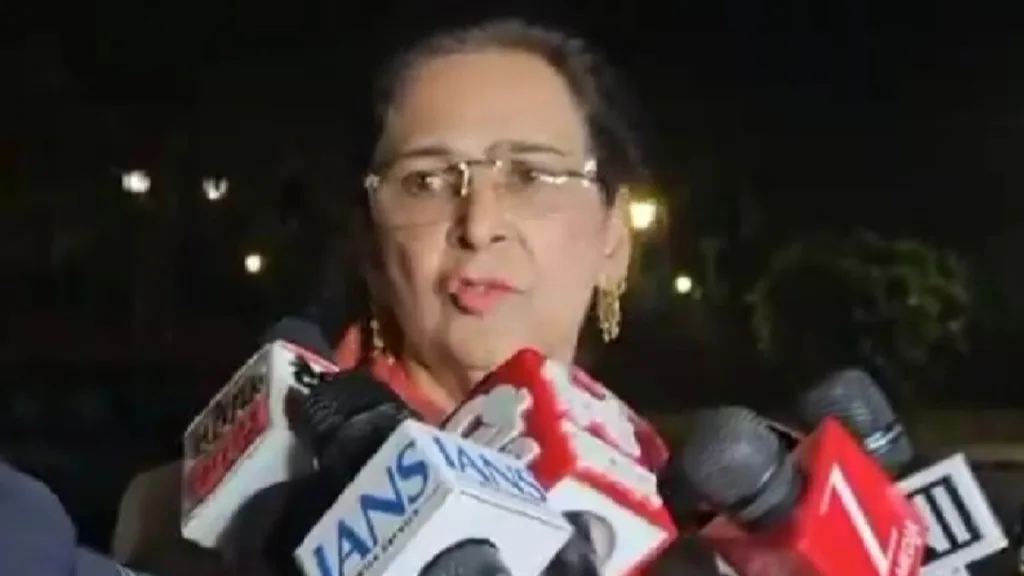
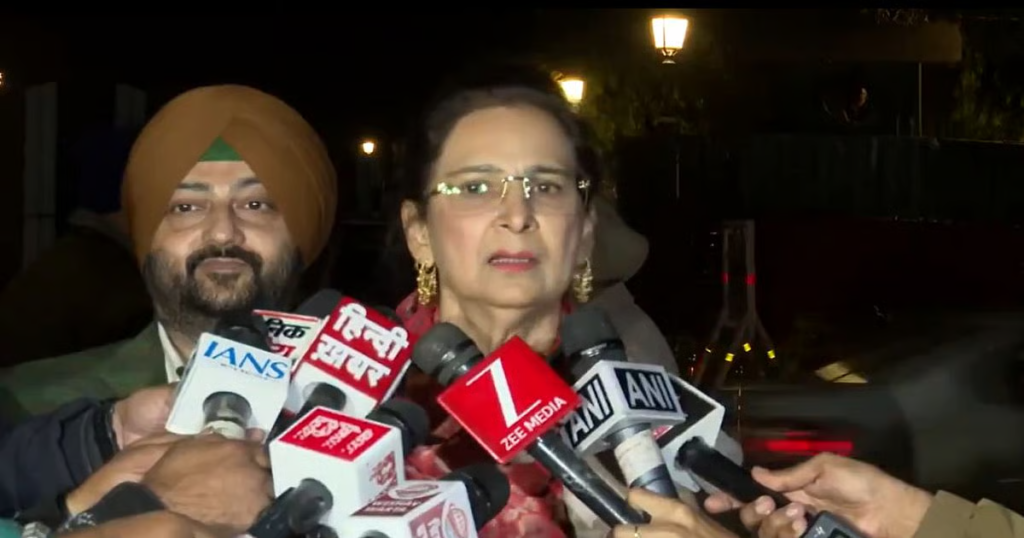
The controversy escalated when Navjot Kaur Sidhu delivered a scathing public attack shortly after stepping down. In a strongly worded statement that quickly went viral on social media, she questioned Rahul Gandhi’s leadership credentials and decision-making authority.
Her remark — “You don’t deserve that chair” — was interpreted as a direct challenge to Rahul Gandhi’s role within the Congress ecosystem. The bluntness of the statement shocked political observers, as senior leaders rarely express such criticism so openly.
The clip spread rapidly across digital platforms, triggering intense debates and trending hashtags. Supporters and critics alike weighed in, turning the episode into a national political talking point.
Sidhu’s outburst has reignited longstanding debates about leadership within the Congress party. Over the past decade, the party has faced repeated electoral setbacks, prompting periodic calls for structural reforms and leadership renewal.
Critics have often argued that the party needs a more decentralized decision-making framework and stronger regional leadership. Supporters, however, maintain that stability and continuity are essential for rebuilding a fragmented political base.
Navjot Kaur Sidhu’s remarks have added fuel to this debate, with many interpreting her comments as reflective of broader dissatisfaction within certain sections of the party.
Within Congress circles, reactions have been mixed. Some leaders have dismissed Sidhu’s comments as an emotional outburst following her resignation, urging the party to focus on broader political goals rather than internal controversies.
Others, however, have acknowledged that the episode underscores the need for introspection. A few voices within the party have subtly indicated that internal dissent should not be ignored, suggesting that open dialogue could help address underlying concerns.
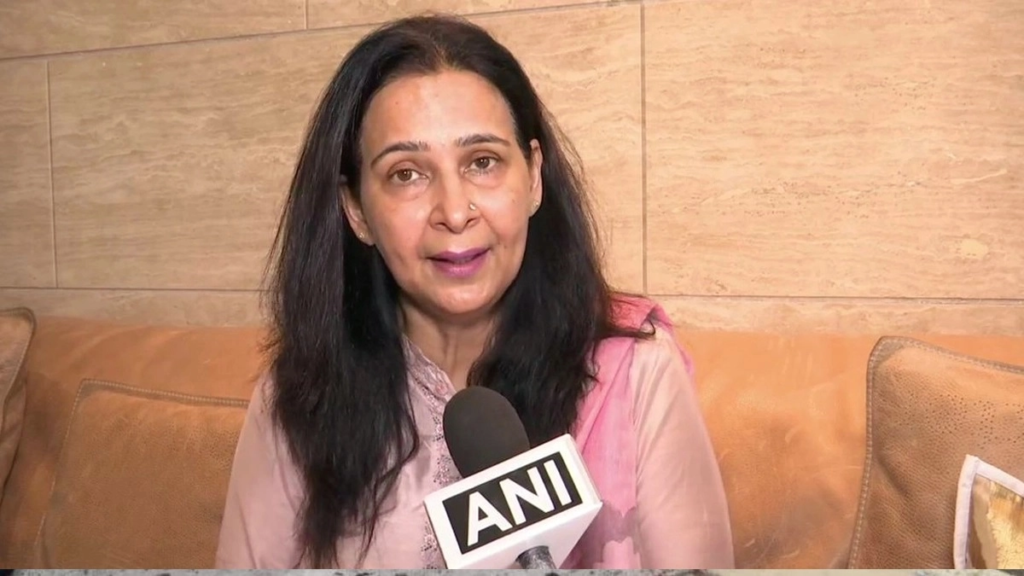
Official statements from party representatives have largely emphasized unity, with leaders downplaying the significance of Sidhu’s departure and framing it as an individual decision rather than a systemic issue.
Predictably, rival political parties have seized upon the controversy. Several opposition figures outside Congress have cited Sidhu’s remarks as evidence of deep fractures within the party’s leadership structure.
Political commentators note that such episodes often become ammunition in broader electoral narratives. Rivals may use internal dissent to question a party’s credibility and readiness to govern, especially in a highly competitive political landscape.
At the same time, some opposition leaders have expressed sympathy for Sidhu, portraying her as a whistleblower highlighting internal issues that resonate beyond a single party.
Beyond politics, the episode has also drawn attention due to its personal dimension. Navjot Kaur Sidhu is not just a political figure but also someone with deep connections to public life, which has amplified the emotional resonance of the controversy.
Observers say that public disagreements involving prominent leaders often blur the line between political critique and personal confrontation. In this case, the intensity of Sidhu’s remarks suggests that the fallout may have been driven by both ideological and personal factors.
The emotional tone of her statements has led many to speculate about deeper grievances that may have built up over time.
In today’s digital era, political controversies unfold in real time, and this episode has been no exception. Social media platforms have played a crucial role in amplifying Sidhu’s remarks, turning a political disagreement into a viral national conversation.
Clips of her statements have been widely shared, analyzed, and debated across platforms. Supporters have praised her for speaking candidly, while critics have accused her of damaging the party at a critical juncture.
Political analysts note that social media dynamics often intensify controversies by rewarding sharp, emotionally charged statements that resonate with online audiences.
Navjot Kaur Sidhu’s departure could also have implications for regional politics, particularly in Punjab. The state has historically been a politically complex region where leadership dynamics and local alliances play a crucial role.
Her exit may alter existing equations within the state’s political landscape, potentially influencing voter perceptions and future alignments. Regional leaders and grassroots workers will likely watch closely to see how the situation evolves.
Some analysts believe that her move could create new political openings, either through alliances or independent initiatives, though it remains too early to predict the long-term impact.
So far, Rahul Gandhi has maintained relative silence on the controversy, a strategy that political observers interpret in different ways. Some see it as an attempt to avoid escalating the situation, while others view it as a calculated move to maintain composure amid provocation.
In the past, Gandhi has often chosen to respond selectively to criticism, focusing on broader political messaging rather than engaging in direct personal rebuttals. Whether he will address Sidhu’s remarks directly remains to be seen.
His response — or lack thereof — could shape public perception, especially among undecided voters who are closely watching leadership dynamics within major parties.
The episode has also sparked wider discussions about internal democracy within political parties. Sidhu’s allegations have prompted commentators to revisit questions about how dissent is managed and whether institutional mechanisms exist to address internal disagreements constructively.
Political scientists argue that large parties must balance discipline with openness, ensuring that internal debates strengthen rather than weaken organizational structures. Episodes like this often serve as stress tests for institutional resilience.
The controversy may therefore have implications beyond immediate headlines, influencing how parties approach internal reforms in the future.
As the dust settles, the long-term consequences of Navjot Kaur Sidhu’s resignation and remarks will depend on how both sides navigate the aftermath. For Congress, the priority may be damage control and organizational consolidation. For Sidhu, the focus will likely shift toward defining her political path forward.
Will she align with another political platform, launch an independent initiative, or step back from active politics? These questions remain open, fueling speculation about the next chapter in her political journey.
Meanwhile, the broader political ecosystem will continue to analyze the episode for clues about shifting dynamics within India’s opposition space.
Ultimately, the controversy is not just about one resignation or one remark. It reflects deeper challenges faced by political parties navigating complex electoral landscapes, evolving public expectations, and intense media scrutiny.
Navjot Kaur Sidhu’s explosive comments have tapped into wider debates about leadership accountability, internal dissent, and the future of party politics in India. Whether the episode leads to meaningful introspection or fades as another political flashpoint will depend on how stakeholders respond in the coming weeks.
For now, the controversy has firmly captured public attention, reminding observers that politics often unfolds not:
just in policy decisions and election rallies, but also in moments of raw, unfiltered confrontation that reveal the human tensions behind institutional power.
As reactions continue to pour in, one thing is clear — this political flashpoint has added a new chapter to India’s ever-evolving political narrative, with ramifications that may extend far beyond the immediate headlines.
Read Also : Did You Know? 5 Shocking Facts About Ameesha Patel’s Lawsuit Against Her Father Amid Moradabad Controversy