5 Big Signals: Narendra Modi Says India ‘Stands Firmly’ With Israel in Powerful Knesset Address
Prime Minister Narendra Modi delivers a powerful message of solidarity with Israel in a historic Knesset address, highlighting strategic ties, global security concerns, and 5 key takeaways shaping India-Israel relations
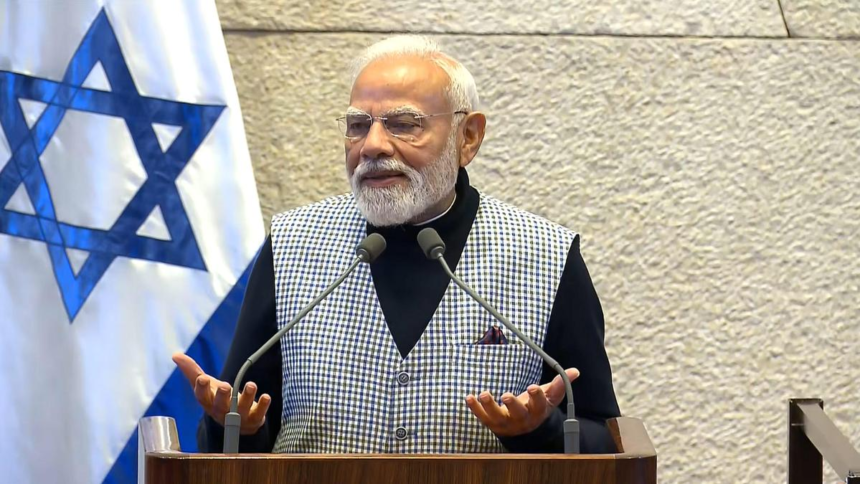
Prime Minister Narendra Modi delivered a strong and symbolic message of solidarity with Israel during his address to the Knesset, reaffirming India’s unwavering support amid evolving global tensions. The speech, widely seen as a defining diplomatic moment, underscored the deepening strategic partnership between the two nations while highlighting shared values such as democracy, resilience, and innovation.
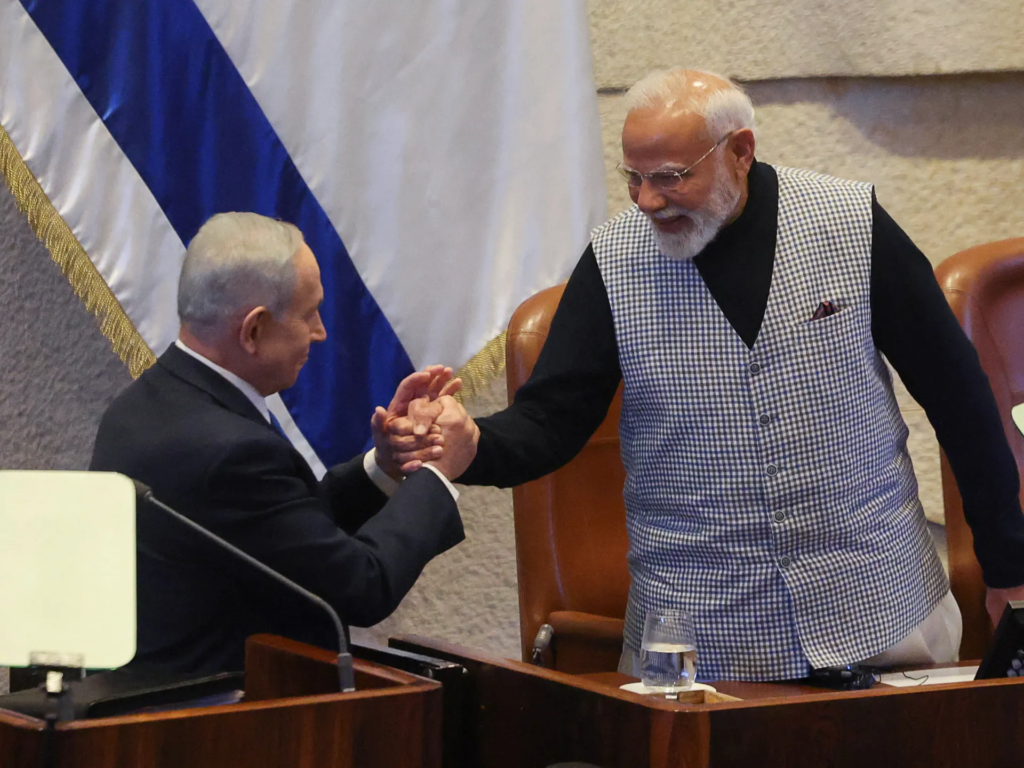
The address marked another milestone in India-Israel relations, which have steadily strengthened over the past decade. From defence cooperation and technology exchange to counterterrorism and agricultural innovation, ties between New Delhi and Tel Aviv have grown multidimensional. Modi’s remarks at the Israeli parliament served as both a reassurance to Israel and a signal to the international community that India’s foreign policy is increasingly assertive and principle-driven
In his speech, Modi emphasized that India “stands firmly with Israel,” a phrase that quickly made headlines across global media. The statement came at a time when geopolitical tensions in the Middle East remain high, making India’s stance particularly noteworthy. By publicly backing Israel in such a high-profile forum, the Indian prime minister reinforced the message that India values its strategic partners and is willing to articulate its positions clearly on the global stage.
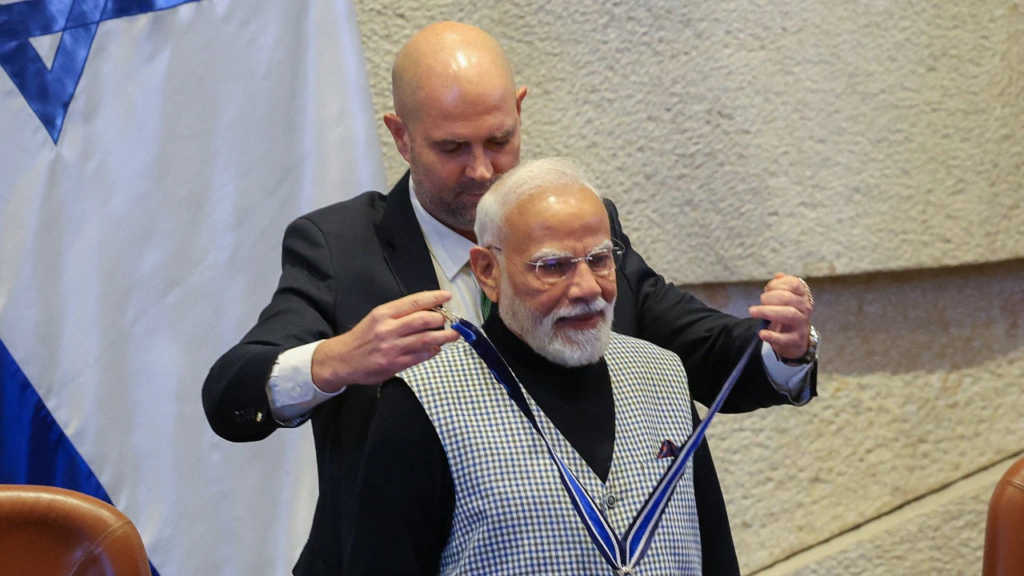
Observers noted that the speech reflected India’s evolving diplomatic posture — one that balances traditional non-alignment with pragmatic partnerships. While India has historically maintained strong ties with multiple Middle Eastern nations, Modi’s address highlighted that New Delhi is increasingly comfortable expressing open support when it aligns with national interests and shared democratic values
A central theme of Modi’s speech was the shared democratic ethos that binds India and Israel. Both nations, he noted, are vibrant democracies that have thrived despite complex security environments and regional challenges. He highlighted the resilience of both societies, praising Israel’s innovation-driven growth and India’s diversity-led democracy.
The prime minister spoke about the importance of democratic institutions, rule of law, and freedom, stressing that these values create a natural bond between the two countries. He also acknowledged Israel’s journey as a nation built on perseverance and determination, drawing parallels with India’s own story of independence and nation-building.
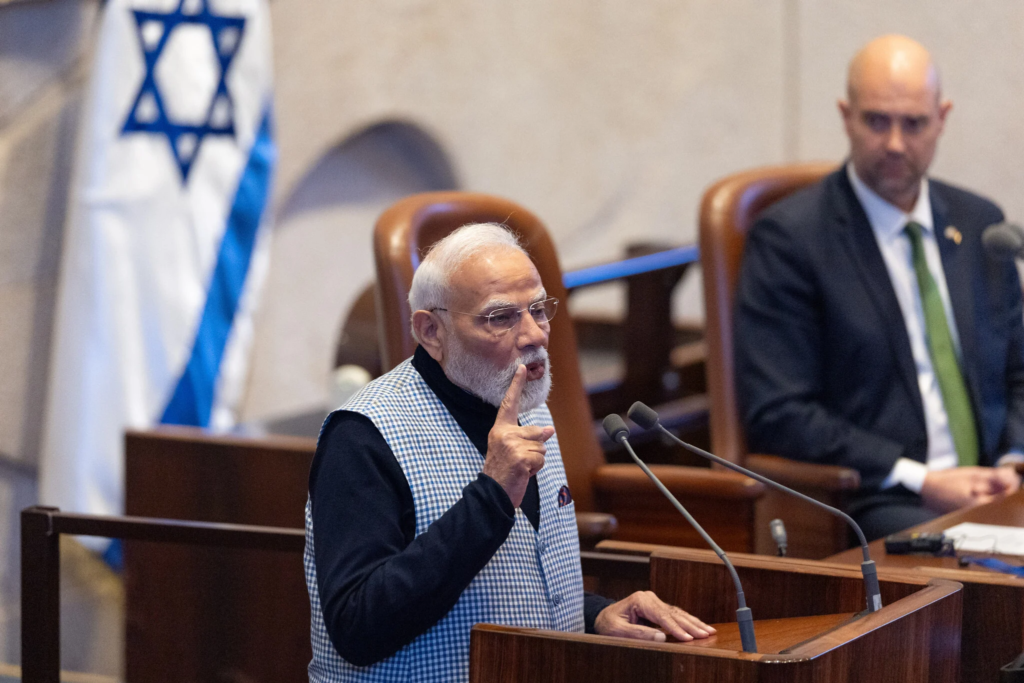
India-Israel relations have seen remarkable expansion in recent years, especially in defence and security. Modi referenced ongoing collaboration in areas such as intelligence sharing, cybersecurity, and defence technology. Analysts believe that such cooperation is likely to deepen further as both countries face common security challenges, including terrorism and cyber threats.
Beyond defence, the partnership has also flourished in sectors like water management, agriculture, artificial intelligence, and startups. Israeli technology has played a significant role in helping India improve irrigation systems and agricultural productivity, especially in water-scarce regions. Modi praised these collaborations as examples of how partnerships rooted in innovation can deliver tangible benefits for citizens.
Economic ties between India and Israel have also gained momentum. Bilateral trade has expanded steadily, with growing interest from businesses on both sides. During his speech, Modi emphasized the importance of innovation-led growth and encouraged stronger collaboration between Indian and Israeli startups.
The prime minister highlighted India’s rapidly expanding digital economy and invited Israeli companies to explore opportunities in sectors such as fintech, healthcare technology, and clean energy. He stressed that combining India’s scale with Israel’s innovation could create transformative outcomes not just for the two countries, but for global markets as well.
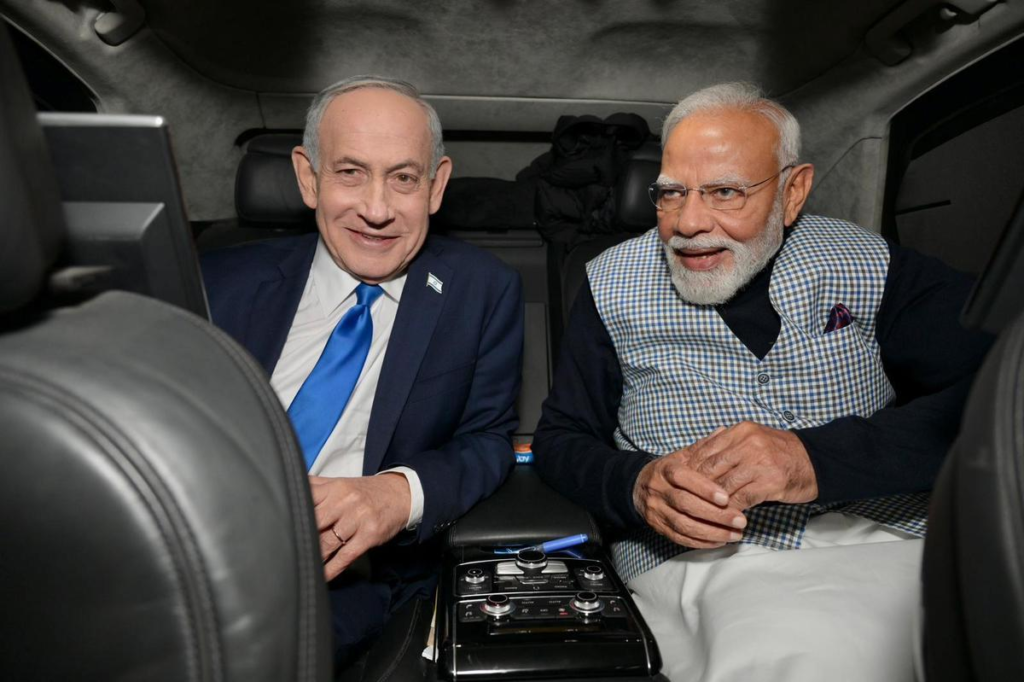
Modi’s remarks were not just aimed at Israel but also carried a broader message for the international community. By speaking at the Knesset and expressing clear support, he signaled that India intends to play a more active role in global diplomacy. The speech reflected India’s willingness to take clear positions on global issues while maintaining strategic autonomy.
Foreign policy experts noted that India’s approach reflects a balancing act — strengthening ties with key partners while maintaining relationships across geopolitical divides. India continues to engage with various Middle Eastern nations, but its growing closeness with Israel highlights a shift towards pragmatic alliances driven by technology, security, and economic interests.
The speech received positive reactions from Israeli leaders and policymakers, who welcomed India’s reaffirmation of support. Analysts in Israel described the address as a strong endorsement of bilateral ties and a sign that the relationship is entering a more mature phase.
In India, reactions were largely supportive, with many commentators viewing the speech as evidence of a confident foreign policy approach. Supporters argued that India’s global stature has risen significantly, enabling it to engage major international partners more assertively. Critics, however, cautioned that India must continue balancing its diplomatic relationships carefully, particularly in a region as sensitive as the Middle East.
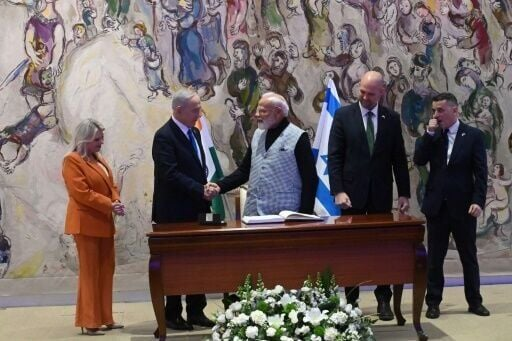
India established full diplomatic relations with Israel in 1992, and since then, the relationship has steadily evolved. What began primarily as a defence partnership has expanded into a multifaceted collaboration spanning agriculture, education, science, and innovation.
Over the years, high-level visits and diplomatic exchanges have played a crucial role in strengthening ties. Modi’s outreach to Israel, including landmark visits and joint initiatives, has significantly accelerated the pace of engagement. His address at the Knesset is now seen as another defining moment in this evolving partnership.
While strategic and economic cooperation often dominate headlines, cultural ties between India and Israel are equally significant. Tourism, academic exchanges, and diaspora connections have helped build a strong people-to-people bridge.
Thousands of Israeli tourists visit India every year, especially destinations in Himachal Pradesh, Goa, and Rajasthan, creating unique cultural exchanges. Similarly, Indian professionals and students in Israel contribute to strengthening grassroots connections between the two societies.
Modi acknowledged these cultural bonds during his address, noting that strong relationships between nations are ultimately built on human connections. He emphasized that shared cultural appreciation and mutual respect have helped create a foundation of trust that extends beyond politics and policy.
The address to the Knesset may have long-term implications for India’s global positioning. It reflects a broader shift towards a more confident and interest-driven foreign policy. India is increasingly positioning itself as a key player capable of maintaining diverse alliances while asserting its own strategic priorities.
By publicly supporting Israel in a high-profile setting, India has signaled that it is willing to take clearer diplomatic positions when necessary. This could shape how India engages with other regions and partners in the future, especially as geopolitical dynamics continue to evolve.
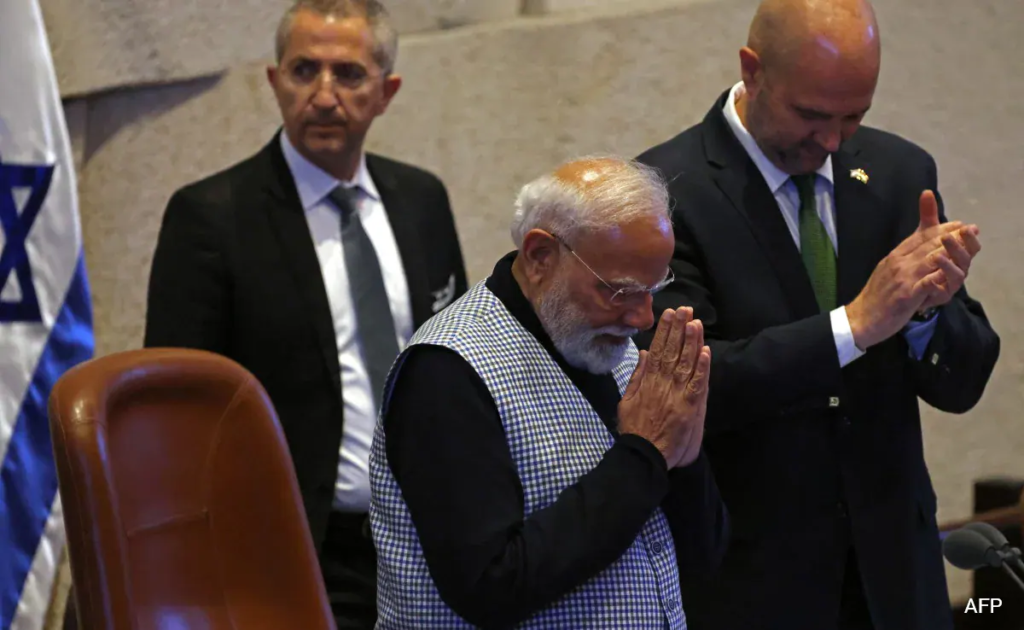
As India and Israel continue to deepen their partnership, the focus is likely to remain on innovation, defence collaboration, and economic growth. Both countries share a strong interest in leveraging technology to address global challenges such as climate change, food security, and digital transformation.
Modi’s address has set the tone for the next phase of bilateral engagement, emphasizing not just cooperation but shared vision. The speech reaffirmed that India-Israel ties are no longer limited to strategic convenience but are rooted in shared values and long-term aspirations.