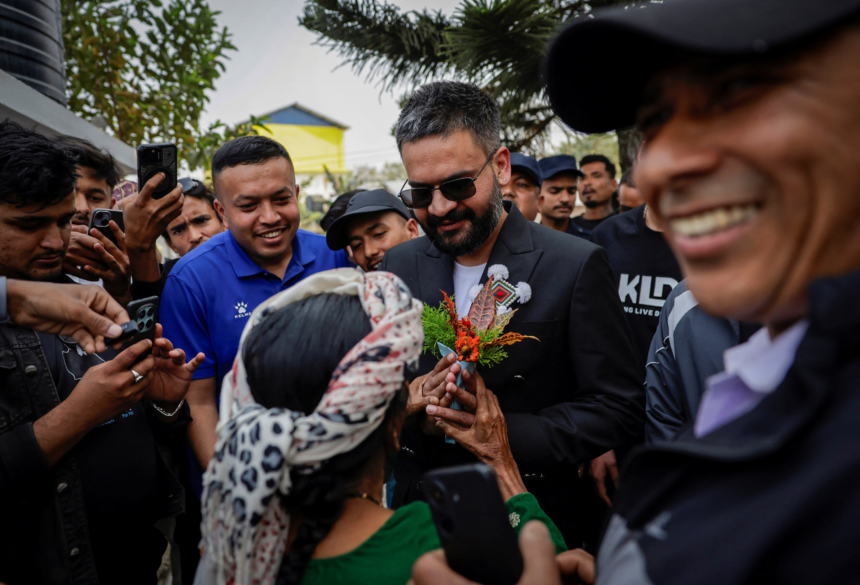
Nepal Election Results 2026 LIVE: Balen Shah’s Gen Z-Backed RSP Leads in 47 Seats, Wins 1 – 8 Big Updates
Nepal Election Results 2026 LIVE: Balen Shah’s Gen Z-backed RSP leads in 47 seats and wins 1 as he moves ahead of a former prime minister
The Nepal Election Results 2026 have triggered massive political excitement across the Himalayan nation as early trends suggest a significant shift in voter sentiment. One of the most talked-about developments in the ongoing vote counting is the strong performance of Balen Shah, whose Gen Z-backed political force, the Rastriya Swatantra Party (RSP), has emerged as a key player in the early stages of the election results.
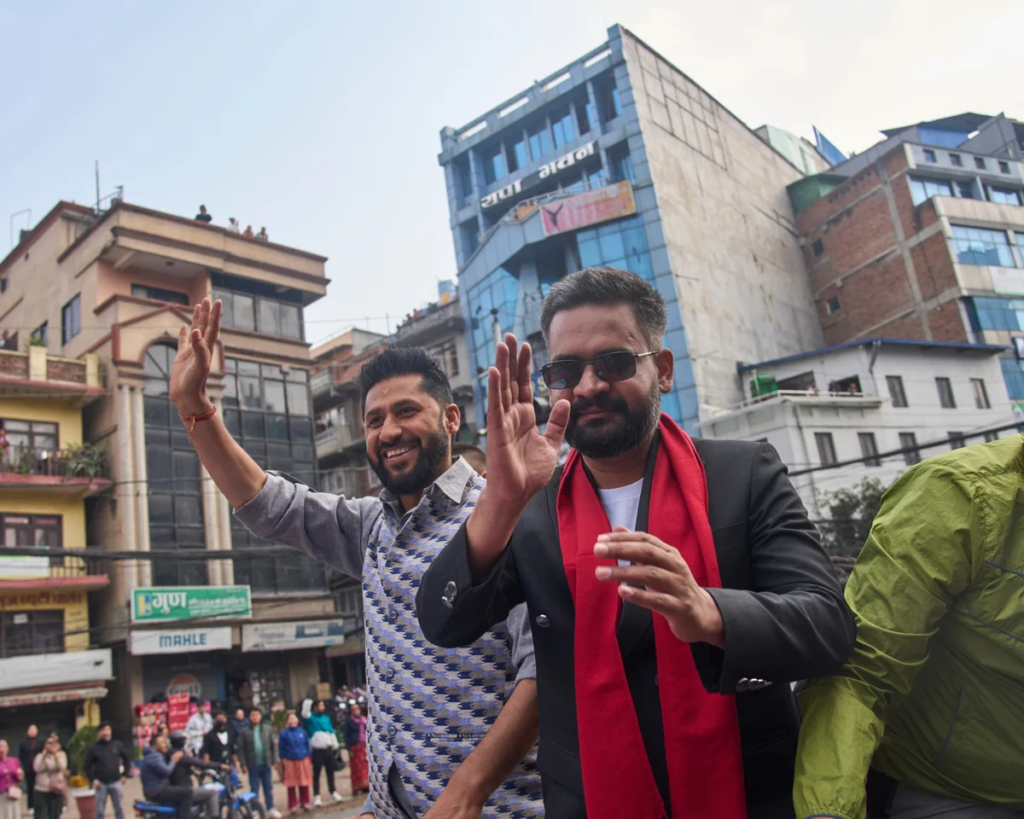
According to the latest trends, the RSP is leading in 47 seats and has already secured victory in one, signaling a major breakthrough for a relatively new political party. Even more striking is the fact that Balen Shah is currently ahead of a former prime minister, highlighting the changing dynamics of Nepal’s political landscape.
As vote counting continues across multiple constituencies, the election is shaping up to be one of the most dramatic in Nepal’s recent democratic history.
The 2026 elections are widely seen as a defining moment for the future of the nation’s politics. Over the past decade, public frustration with traditional political parties has steadily grown. Issues such as corruption allegations, slow economic development, and political instability have pushed many voters—especially younger citizens—to look for alternative leadership.
This is where Balen Shah has captured national attention. The charismatic leader, who previously gained popularity as the mayor of Kathmandu, has built a strong support base among young voters who believe the country needs fresh leadership and bold reforms.
The performance of the RSP in the early election trends suggests that the youth-driven movement could significantly reshape Nepal’s political structure.
Balen Shah first gained widespread public recognition when he won the mayoral election in Kathmandu as an independent candidate. His victory was considered a political shock at the time because he defeated candidates from well-established parties.
Since then, Shah has become a symbol of a new generation of leadership in Nepal. Known for his straightforward communication style and focus on urban development, transparency, and governance reforms, he has attracted support from young voters across the country.
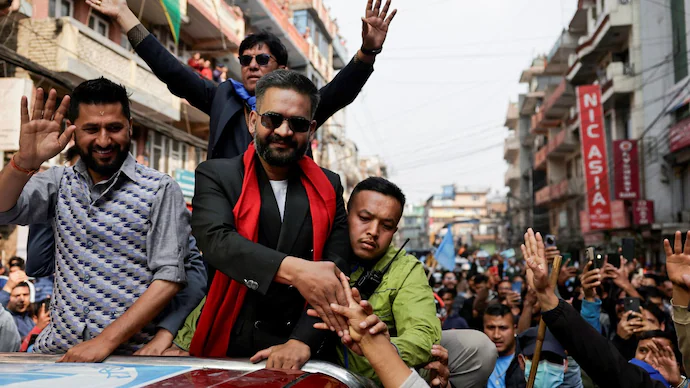
In the 2026 national elections, Shah’s political platform focused on several major themes:
- Anti-corruption reforms
- Modern infrastructure development
- Youth employment opportunities
- Digital governance and transparency
- Economic innovation and entrepreneurship
These issues resonated strongly with voters who feel disconnected from traditional political elites.
One of the most striking aspects of the 2026 election is the influence of younger voters, particularly members of Generation Z.
Nepal has one of the youngest populations in South Asia, and a large percentage of voters participating in this election are under the age of 30. Many of them are active on social media and follow political developments closely online.
The Rastriya Swatantra Party successfully used digital platforms to mobilize this demographic. Campaign videos, live discussions, and policy explanations shared through social media helped the party connect with younger voters who often feel ignored by traditional campaign strategies.
Political analysts believe that this digital-first campaign approach played a crucial role in boosting the party’s popularity.
While the RSP is still a relatively young political organization, its early success in the election suggests that it could become a major force in Nepal’s parliament.
Leading in 47 seats is a remarkable achievement for a party that is competing against some of the country’s most established political organizations. If the current trends continue, the RSP could significantly increase its presence in the national legislature.
Observers say this performance could disrupt the dominance of Nepal’s traditional political parties, which have controlled the political landscape for decades.
The election results are therefore being closely watched by political analysts, international observers, and citizens eager to see whether Nepal is entering a new political era.
For many years, Nepal’s political arena has been dominated by established parties such as the Nepali Congress and the Communist Party of Nepal (Unified Marxist–Leninist).
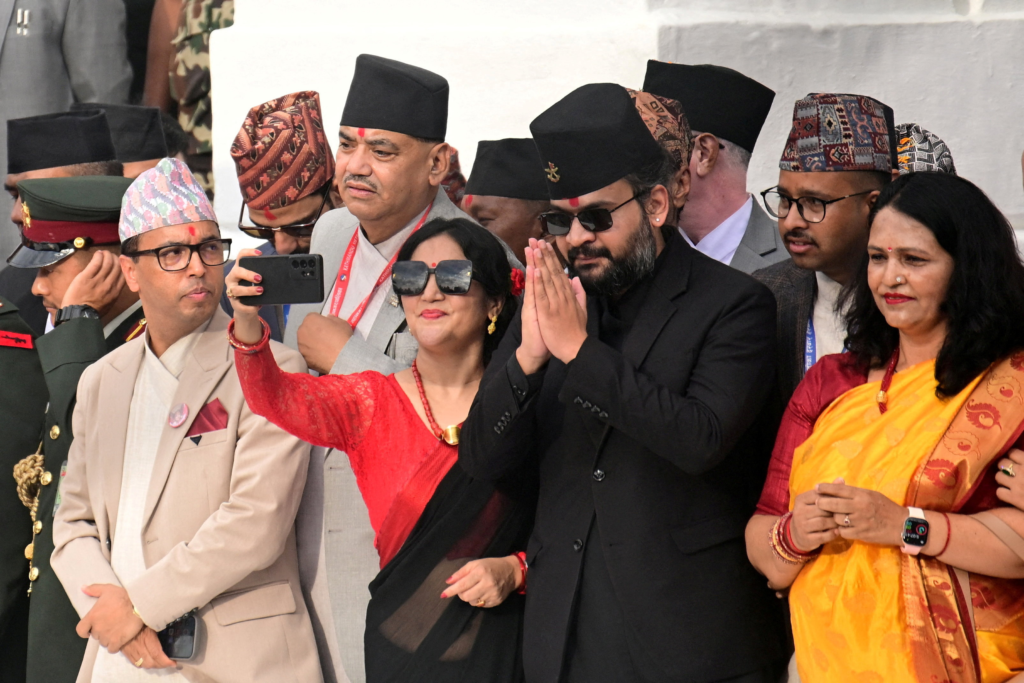
However, the early trends in the 2026 election suggest that voters may be looking beyond traditional options.
The strong performance of Balen Shah and the RSP indicates growing public interest in new political movements that promise change and modernization.
While the final results are still being counted, the emerging trends have already sparked intense political discussions about the future of Nepal’s democracy.
One of the most dramatic aspects of the election so far is that Balen Shah is currently leading against a former prime minister in a closely watched constituency.
This development has drawn massive media attention because it represents a potential generational shift in Nepal’s leadership. If Shah manages to secure victory in this contest, it could further strengthen his political standing and elevate him to national prominence.
For many voters, the contest symbolizes a broader choice between traditional political leadership and a new wave of reform-oriented politicians.
Although the election results are still unfolding, several key trends are already becoming clear:
- Youth voters are playing a decisive role in shaping the outcome.
- New political movements are gaining momentum against established parties.
- Digital campaigning is becoming increasingly influential in Nepalese politics.
- Urban voters are showing strong support for reform-oriented candidates.
If these trends continue, Nepal could experience significant political changes in the coming years.
Nepal’s parliamentary system often requires coalition governments because no single party typically wins a majority on its own.
If the RSP continues to perform strongly but falls short of a majority, it may still play a crucial role in coalition negotiations.
Political analysts say the party could become a kingmaker, helping determine which coalition forms the next government.
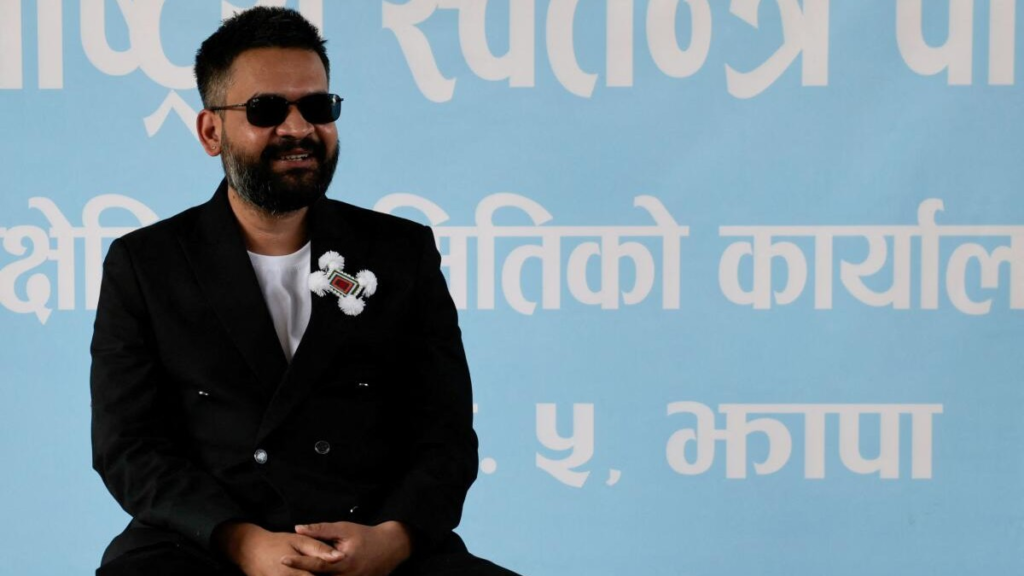
Such a scenario would give Balen Shah and his party significant influence over national policy decisions.
The 2026 election has also attracted attention from international observers and neighboring countries.
Nepal’s political stability is considered important for regional cooperation in South Asia. Countries such as India and China maintain strong diplomatic and economic ties with Nepal and are closely watching the political developments.
A major shift in Nepal’s leadership could influence regional economic partnerships, trade agreements, and infrastructure initiatives.
As vote counting continues across constituencies, the final picture of Nepal’s political future will gradually become clearer.
While early trends suggest a strong performance by Balen Shah’s party, elections can sometimes produce surprising late results as additional ballots are counted.
Regardless of the final outcome, one thing is already certain: the 2026 election has demonstrated that Nepal’s political landscape is evolving rapidly, driven by young voters, digital engagement, and a growing demand for change.