7 Big Changes in LPG Booking Rules: Oil Companies Introduce 21-Day Lock-In After Panic Bookings
India introduces a new LPG booking rule with a 21-day lock-in period to curb panic bookings. Major oil companies like Indian Oil Corporation, Bharat Petroleum, and Hindustan Petroleum enforce the change to stabilize cylinder supply across the country
In a significant move aimed at stabilizing the supply of cooking gas across India, major oil marketing companies have introduced a new rule for LPG cylinder bookings. Under the new system, consumers will now face a mandatory 21-day lock-in period before they can book another LPG refill.
The decision comes after a sudden surge in panic bookings by households worried about potential supply disruptions and price fluctuations. Leading oil companies such as Indian Oil Corporation, Bharat Petroleum, and Hindustan Petroleum jointly implemented the measure to prevent hoarding and ensure fair distribution of LPG cylinders.
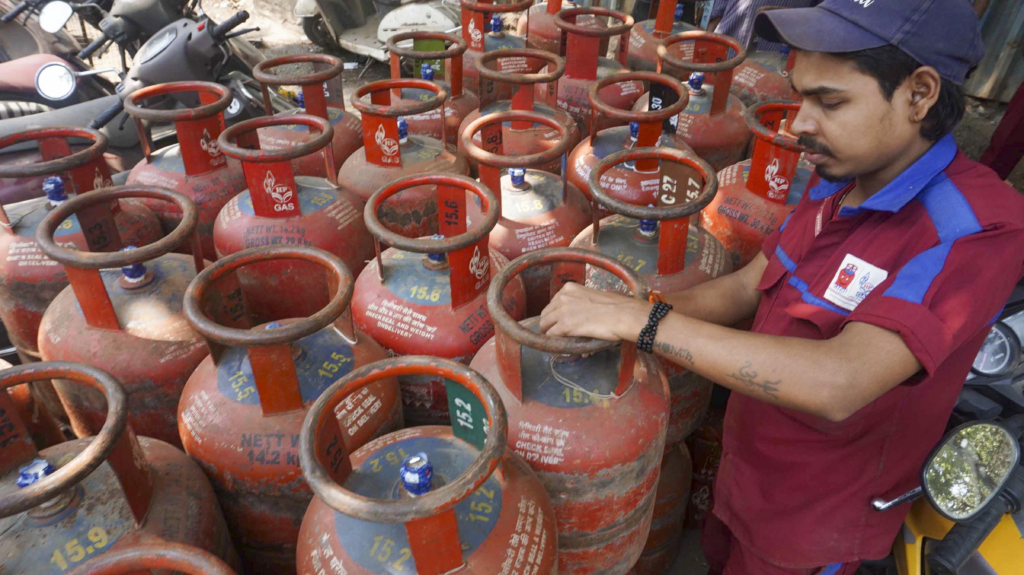
The new rule is expected to affect millions of households across India who rely on LPG for daily cooking. Here’s everything you need to know about the policy, the reasons behind it, and how it could impact consumers.
The primary reason behind the new rule is to control panic buying and ensure that LPG cylinders remain available for all consumers.
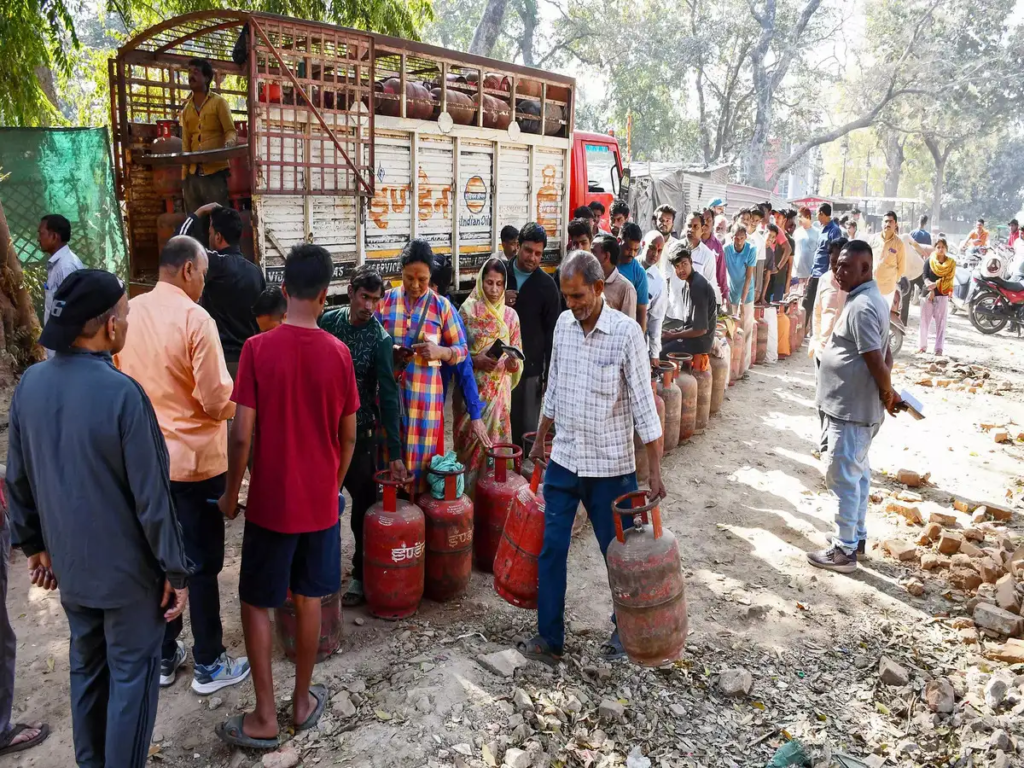
In recent weeks, oil companies noticed a sharp spike in booking requests. Many households were trying to book additional cylinders even when their existing ones were not yet empty. This behavior created an artificial shortage in several regions.
To prevent this situation from worsening, oil marketing companies introduced the 21-day gap rule, which ensures that customers can only place a new booking after a specific period following their previous delivery.
Officials say this measure will help maintain a balanced supply chain and prevent unnecessary stockpiling of LPG cylinders.
Under the new rule, consumers will not be able to place another LPG refill order immediately after receiving a cylinder. Instead, they must wait 21 days from the date of delivery before they can book the next refill.
This waiting period is based on the assumption that an average household takes about three weeks to finish one cylinder under normal cooking conditions.
If consumers try to book a refill before the 21-day period ends, the booking request will be rejected by the system.
The policy applies to cylinders supplied through the distribution networks of companies such as Indian Oil Corporation, Bharat Petroleum, and Hindustan Petroleum.
Panic buying is not uncommon during periods of uncertainty. Whenever consumers fear price increases or supply disruptions, many rush to secure extra stock.
In the case of LPG cylinders, this sudden surge in bookings caused logistical pressure on the distribution system.
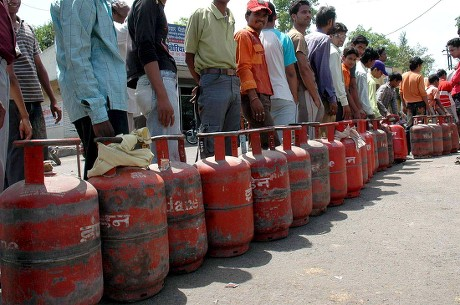
Delivery agencies struggled to manage the large number of refill requests. Some regions experienced delays, while others temporarily ran out of stock at local agencies.
Oil companies realized that if panic booking continued, it could lead to widespread shortages even though the overall supply remained adequate.
Introducing a mandatory waiting period was seen as the most effective way to prevent such disruptions.
India is one of the largest LPG-consuming countries in the world, with hundreds of millions of households relying on LPG cylinders for cooking.
Government initiatives like the Pradhan Mantri Ujjwala Yojana have significantly expanded access to clean cooking fuel, especially in rural areas.
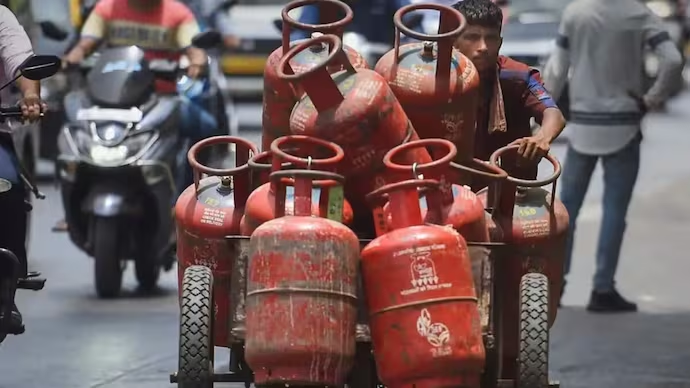
Because of this massive consumer base, even minor policy changes can affect millions of families.
For most households, the 21-day waiting period may not cause major inconvenience, as a standard LPG cylinder typically lasts about three to four weeks.
However, families with larger cooking requirements or commercial usage patterns may need to plan their refills more carefully.
Oil companies believe the new booking rule will bring several benefits to the LPG distribution system.
1. Prevents Hoarding
The lock-in period stops consumers from ordering multiple cylinders unnecessarily.
2. Ensures Fair Distribution
Every household will have a better chance of receiving a refill without long waiting times.
3. Reduces Delivery Pressure
Distributors will face fewer sudden spikes in booking requests.
4. Improves Supply Planning
Oil companies can better predict demand and allocate resources more efficiently.
These benefits are expected to improve the overall reliability of LPG supply across the country.
Despite the new rule, the booking process itself remains unchanged. Consumers can still order LPG refills through multiple channels.
These include:
- Mobile apps provided by oil companies
- Official company websites
- SMS booking services
- IVRS phone calls
- Authorized LPG distributors
Companies like Indian Oil Corporation also provide digital platforms that allow customers to track deliveries and manage bookings easily.
The only difference now is that the system will automatically enforce the 21-day gap requirement.
While many experts support the rule, some consumers have raised concerns.
Families with higher cooking needs—such as large households or small food businesses operating from homes—may find the waiting period restrictive.
Others worry that unexpected circumstances, such as hosting guests or festivals, could cause a cylinder to finish earlier than expected.
However, officials say the rule is designed for typical household consumption and may be adjusted if necessary in the future.
Oil marketing companies have indicated that the rule could be temporary or revised depending on market conditions.
They will continue monitoring booking patterns, supply levels, and consumer feedback.
If demand stabilizes and panic bookings decline, authorities may reconsider the lock-in period or introduce alternative supply management strategies.
For now, the 21-day booking gap is expected to remain in place to ensure smooth LPG distribution.
With the new rule in place, households can take several steps to ensure they do not run out of cooking gas unexpectedly.
Monitor Cylinder Levels
Keep track of gas usage and estimate when a refill may be needed.
Book Immediately After the Lock-In Period
As soon as the 21-day waiting period ends, place a refill order if necessary.
Maintain Efficient Cooking Practices
Using efficient cooking techniques can help extend the life of an LPG cylinder.
Keep Emergency Options Ready
Some households keep an additional spare cylinder if they are registered for a double-cylinder connection.
Planning ahead will help avoid inconvenience under the new booking system.
India continues to expand its LPG infrastructure to meet growing demand.
With rising urbanization and government initiatives promoting clean cooking fuel, LPG consumption is expected to increase steadily in the coming years.
Companies such as Indian Oil Corporation, Bharat Petroleum, and Hindustan Petroleum are investing heavily in supply networks, storage facilities, and digital services to improve distribution efficiency.
The introduction of the 21-day LPG booking lock-in rule reflects efforts by these companies to ensure a stable and fair supply for millions of consumers.
Read Also : Gautam Gambhir Dedicates ICC Men’s T20 World Cup Win To 2 Special People Who Stood By Him At His Lowest