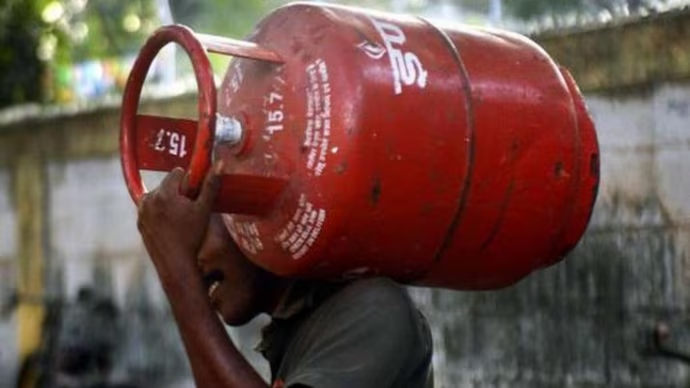
5 Big Updates: Government Responds To LPG Cylinder Shortage Hitting Mumbai & Bengaluru Eateries
The government has responded to the LPG cylinder shortage affecting eateries in Mumbai and Bengaluru. Discover 7 key updates, causes of the supply crisis, and what it means for restaurants, food vendors, and customers across the cities
A sudden shortage of Liquefied Petroleum Gas (LPG) cylinders has created significant challenges for restaurants, street vendors, and small eateries in India’s two major metropolitan hubs—Mumbai and Bengaluru. The issue has disrupted daily operations for thousands of food businesses that rely heavily on LPG for cooking, prompting swift intervention from the government and oil marketing companies.
Over the past few days, restaurant associations and small business owners have raised concerns about delays in cylinder deliveries and limited availability. In response, authorities have acknowledged the issue and begun implementing measures aimed at stabilizing supply and preventing further disruptions.
Here are seven key developments and updates surrounding the LPG shortage affecting eateries in Mumbai and Bengaluru.
The current shortage appears to have been triggered by a sudden spike in demand for LPG cylinders. Officials from major oil marketing companies—including Indian Oil Corporation, Bharat Petroleum Corporation Limited, and Hindustan Petroleum Corporation Limited—said commercial LPG demand has increased sharply in recent weeks.
Several factors contributed to the demand surge. Restaurant activity has risen significantly following the festive and wedding seasons, while a steady growth in food delivery services has increased fuel consumption for kitchens operating at full capacity. Additionally, bulk bookings by some establishments reportedly strained the distribution system.
Officials say that the supply chain was temporarily overwhelmed, resulting in delayed deliveries in certain areas.
The shortage has had an immediate impact on eateries across Mumbai and Bengaluru. Small restaurants, roadside stalls, and cloud kitchens have been among the hardest hit.
Many food vendors reported that their LPG cylinder orders were delayed by two to three days. In some cases, businesses had to reduce operating hours or temporarily limit menu items due to fuel shortages.
Restaurant owners in Mumbai’s busy food districts said the situation created panic among vendors who feared prolonged disruptions.
For street food vendors and small eateries, LPG cylinders are the backbone of daily operations. Without timely deliveries, even a short disruption can translate into lost revenue and dissatisfied customers.
Industry bodies quickly took notice of the crisis and approached authorities for urgent action. Associations representing restaurant owners in both cities submitted complaints highlighting the difficulties faced by the food service industry.
These groups warned that if the LPG shortage continued, it could affect thousands of small businesses and workers who depend on the restaurant sector for their livelihoods.
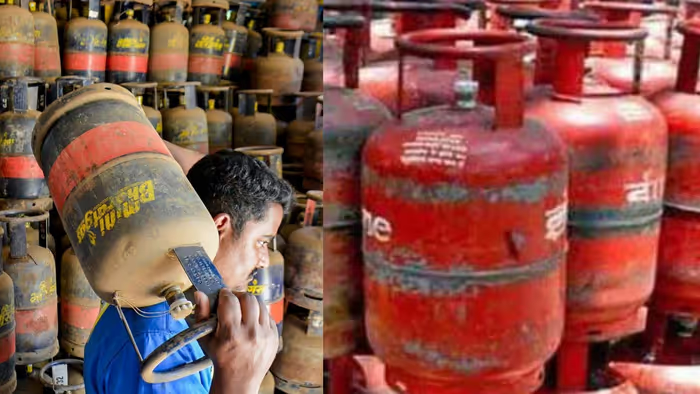
Restaurant associations also urged oil companies to prioritize commercial LPG supplies for food establishments and ensure that the distribution system functions smoothly.
After reports of shortages surfaced, government officials held discussions with oil marketing companies to assess the situation.
Authorities confirmed that the shortage was temporary and localized, emphasizing that there was no nationwide LPG supply crisis. According to officials, logistical issues and a temporary mismatch between supply and demand were responsible for the disruptions.
The government instructed oil companies to take immediate corrective measures, including increasing dispatches of commercial LPG cylinders to affected areas.
Officials also assured restaurant owners that the situation would soon stabilize.
In response to government directions, oil marketing companies began ramping up LPG cylinder distribution to major urban centers.
Additional deliveries were scheduled for Mumbai and Bengaluru, with priority given to commercial consumers such as restaurants, hotels, and catering businesses.
Oil companies also deployed extra distribution vehicles and adjusted delivery schedules to clear the backlog of pending orders.
Industry insiders said these measures have already started improving the availability of LPG cylinders in several parts of the two cities.
One of the key reasons behind the supply strain was panic booking by some commercial consumers who feared running out of LPG cylinders.
Officials urged businesses not to place excessive orders or stockpile cylinders unnecessarily. Such practices can disrupt the supply chain and make the shortage worse for other consumers.
Authorities emphasized that LPG stocks remain adequate at the national level and that the issue was primarily related to distribution and logistics.
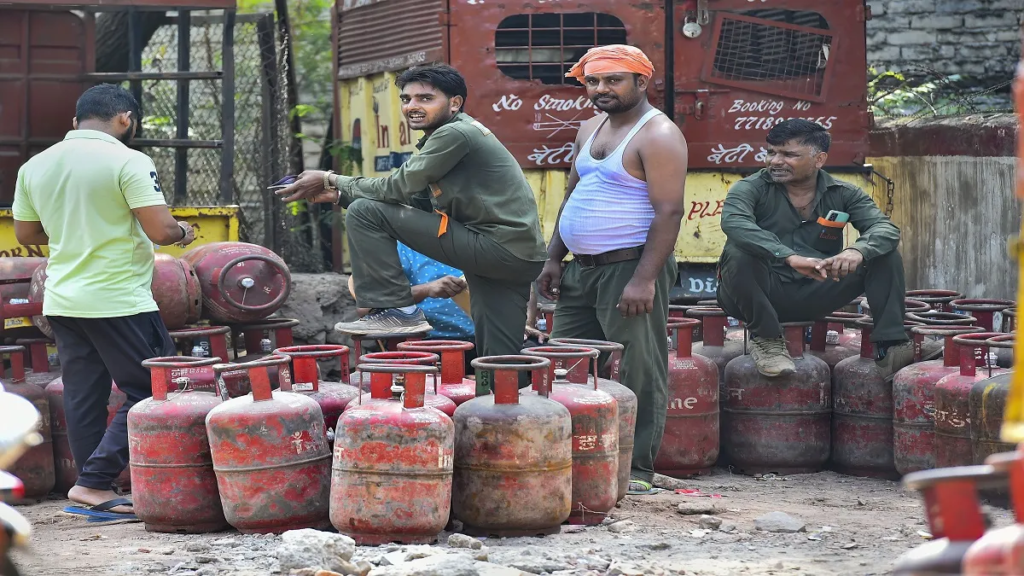
By discouraging panic bookings, officials hope to restore balance in the supply system.
According to officials from oil companies and government departments, the LPG supply situation in Mumbai and Bengaluru is expected to normalize within the next few days.
Additional cylinder shipments are already reaching distributors, and pending deliveries are being cleared rapidly.
Restaurant owners have also reported gradual improvement in supply in some areas, suggesting that corrective measures are beginning to take effect.
Authorities remain optimistic that the disruption will be resolved quickly without long-term impact on the food service sector.
While the shortage may be temporary, it has highlighted the heavy reliance of urban food businesses on LPG supplies.
Cities like Mumbai and Bengaluru have thriving restaurant ecosystems that serve millions of customers daily. From luxury dining establishments to roadside food stalls, the entire ecosystem depends on reliable fuel supply.
Any disruption in LPG availability can have cascading effects across the industry—from reduced service capacity to increased operational costs.
Some restaurant owners said the incident underscores the need for stronger supply chain planning and better communication between distributors and commercial consumers.
Liquefied Petroleum Gas plays a critical role in India’s urban economy, particularly in the hospitality and food service sectors.
Restaurants, bakeries, catering services, and street vendors depend on commercial LPG cylinders for cooking. Even short disruptions can lead to operational challenges for businesses that operate on tight schedules and high customer demand.
Experts note that large cities with dense restaurant networks require robust distribution systems to ensure uninterrupted LPG supply.
The recent shortage has prompted discussions about improving logistics management and monitoring demand patterns more closely in major metropolitan areas.
Although the LPG shortage affecting Mumbai and Bengaluru eateries caused concern among restaurant owners, authorities insist that the issue is under control.
With increased deliveries and improved distribution efforts, the supply situation is gradually stabilizing.
For thousands of food vendors and restaurant owners, the quick government response has provided reassurance that disruptions will be temporary.
As normalcy returns, the episode serves as a reminder of how crucial reliable energy supply is for India’s bustling urban food industry.
Ensuring consistent LPG availability will remain essential to supporting the millions of businesses and workers who keep India’s vibrant dining culture running every day.