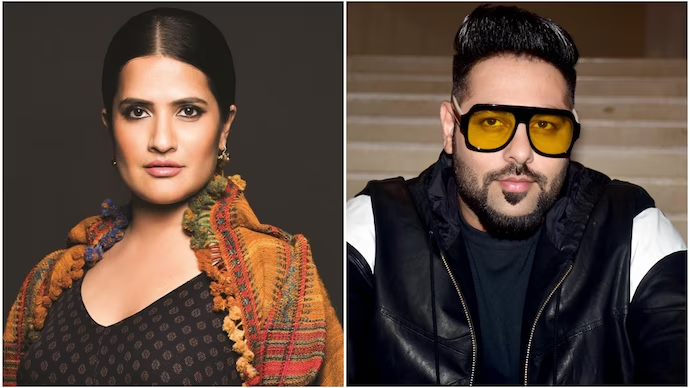
Singer Sona Mohapatra Slams Badshah’s ‘Tateeree’: 5 Explosive Reasons Behind the Music Industry Controversy
Sona Mohapatra becomes the first voice from the music industry to criticise Badshah’s controversial song Tateeree, sparking a fresh debate over lyrics, artistic responsibility, and the evolving standards of India’s music scene
A fresh controversy has erupted in India’s music industry after singer Sona Mohapatra publicly criticised rapper Badshah over his song Tateeree. Mohapatra has become the first prominent voice from the music industry to openly speak out against the track, triggering a heated debate about lyrics, artistic responsibility, and the direction of contemporary Indian music.
The singer’s remarks have quickly gone viral on social media, drawing reactions from fans, musicians, and cultural commentators. While some people have supported Mohapatra for raising concerns, others have defended Badshah and the creative freedom of artists.
The controversy highlights deeper issues within the entertainment industry, including the balance between artistic expression and social responsibility.

The debate began after the release of “Tateeree,” a track by Badshah that quickly gained attention online. Known for his chart-topping hits and catchy rap style, Badshah has built a reputation as one of India’s most successful commercial music artists.
However, the lyrics and tone of the song sparked criticism from some listeners who felt that certain elements were problematic or inappropriate.
Soon after the song began trending online, Sona Mohapatra took to social media to express her concerns. In her comments, she criticised the song and questioned the kind of messaging that is being promoted through popular music.
Her remarks quickly caught public attention because few artists from within the industry had spoken openly about the controversy until then.
Sona Mohapatra has never been afraid to speak her mind on social issues or industry practices. Over the years, she has been known for voicing opinions on topics ranging from gender equality to ethical standards in entertainment.
Regarding “Tateeree,” Mohapatra expressed disappointment with the kind of lyrics and themes she believes are being normalised in mainstream music.
She argued that artists with massive followings carry a certain level of responsibility because their work reaches millions of young listeners.
Her criticism was not just directed at the song itself but also at what she sees as a broader trend in commercial music where sensational or controversial lyrics are used to gain attention.
Mohapatra suggested that musicians should reflect more carefully on the cultural impact of their work.
One of the reasons Mohapatra’s criticism has generated so much discussion is that she is the first major figure from the Indian music industry to publicly question the song.
Often, controversies around songs begin with reactions from audiences or social media users. But in this case, the conversation was amplified when a fellow musician decided to speak out.
Industry insiders say such criticism is relatively rare because artists sometimes avoid commenting on the work of their peers to prevent professional conflicts.

Mohapatra’s decision to break that silence has therefore drawn attention to the issue and encouraged broader discussions within the industry.
Badshah has been one of the most dominant figures in India’s commercial music scene over the past decade. His songs regularly top streaming charts and are widely played at parties, clubs, and social events.
Many of his tracks have crossed hundreds of millions of views on digital platforms, making him one of the most recognisable names in Indian pop and rap music.
Because of his popularity, any criticism of his work tends to generate significant media attention.
Supporters of Badshah argue that his music is meant to be entertaining and that audiences should not interpret every lyric too seriously. They also emphasise that artistic freedom is a key part of creative industries.
As the controversy gained momentum, social media platforms became a battleground of opinions.
Some users praised Sona Mohapatra for speaking up, saying that her comments highlight important issues about the quality and messaging of modern music.
Others criticised her stance, arguing that artists should have the freedom to create music without being judged too harshly.
Fans of Badshah defended the rapper, saying his songs are designed for entertainment and that critics are overreacting.
The debate quickly turned into a wider discussion about censorship, responsibility, and the evolving tastes of audiences.
The controversy surrounding “Tateeree” has also reignited a long-standing debate about lyrics in popular music.
In India and around the world, songs have often been criticised for promoting controversial themes or stereotypes. At the same time, supporters of artistic freedom argue that music should reflect diverse viewpoints and creative styles.
The challenge lies in finding a balance between allowing artists to experiment creatively while also recognising the influence that popular culture can have on society.
For musicians with massive fan bases, this question becomes even more important.
Beyond the immediate controversy, Mohapatra’s comments have sparked a broader conversation about standards within the music industry.
Some critics believe that the rapid growth of digital platforms has encouraged a race for viral success, sometimes at the expense of thoughtful songwriting.
Others argue that music has always evolved with changing cultural trends and that modern artists are simply reflecting the tastes of current audiences.
The debate is unlikely to end anytime soon, especially as social media continues to amplify public reactions to entertainment content.
Interestingly, while the controversy has been widely discussed online, many other musicians and industry professionals have remained silent.

Observers say this silence may reflect the competitive nature of the entertainment business, where artists often avoid publicly criticising their peers.
However, Mohapatra’s comments may encourage more musicians to speak openly about industry practices and creative standards.
If that happens, the discussion around “Tateeree” could mark the beginning of a larger shift in how artists engage with cultural criticism.
As of now, Badshah has not issued a detailed public response to Mohapatra’s criticism. It remains unclear whether he will address the controversy directly or allow the debate to fade over time.
Meanwhile, the song continues to circulate widely online, ensuring that the discussion remains active among fans and critics alike.
The coming days may determine whether the controversy leads to further statements from artists or evolves into a wider industry debate.
Read Also : Iran-Israel-US War: 3 Powerful Conditions Iran Sets to End Conflict With US and Israel