2 Indian-Flagged LPG Carriers Cleared by Iran to Cross Strait of Hormuz Amid Global Energy Crisis
Iran allows 2 Indian-flagged LPG carriers to cross the Strait of Hormuz, offering major relief to India’s energy supply amid rising Middle East tensions and global shipping disruptions
In a significant development for global energy markets and India’s fuel security, Iran has permitted two Indian-flagged LPG carriers to safely pass through the strategic Strait of Hormuz, one of the world’s most critical maritime chokepoints for oil and gas shipments. The move has provided immediate relief to energy importers, especially India, which relies heavily on maritime routes through the Gulf region to transport liquefied petroleum gas (LPG) and crude oil.
The decision comes at a time when tensions in the Middle East have heightened concerns over shipping safety in the region. With a significant portion of global oil and gas trade passing through the narrow strait, any disruption can quickly trigger energy price volatility and supply shortages across continents.
Here is a detailed look at what happened, why it matters, and the broader implications for energy markets and geopolitical stability.
The Strait of Hormuz is widely considered the most important energy transit route on the planet. Located between Iran and Oman, the narrow waterway connects the Persian Gulf with the Gulf of Oman and the Arabian Sea.
Every day, massive volumes of crude oil, liquefied natural gas, and LPG pass through the strait, making it a lifeline for global energy supply.
Key facts about the route:
- Nearly 20% of the world’s oil supply passes through the Strait of Hormuz.
- Around one-third of global seaborne oil trade moves via this corridor.
- Major energy exporters such as **Saudi Arabia, United Arab Emirates, Kuwait, and Qatar rely on the passage.
- Several Asian economies, including India, Japan, and South Korea, depend heavily on fuel shipments that transit this route.
Because of this, even minor disruptions can cause global energy prices to surge and shipping insurers to raise risk premiums.
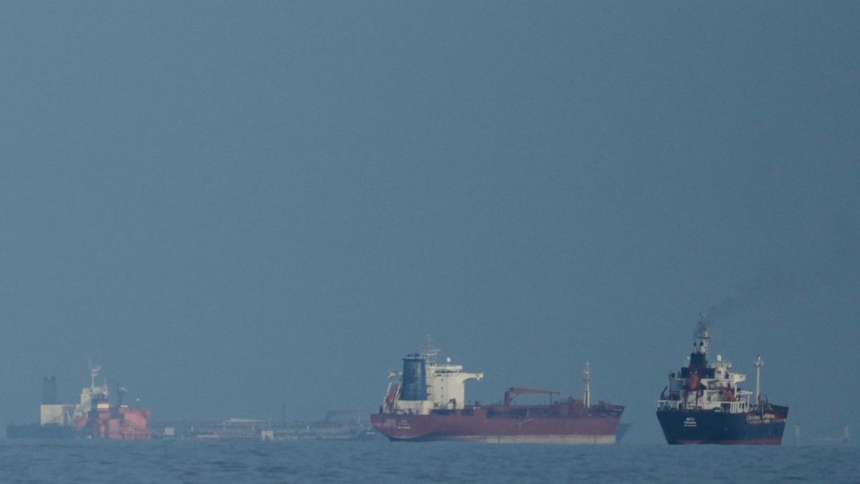
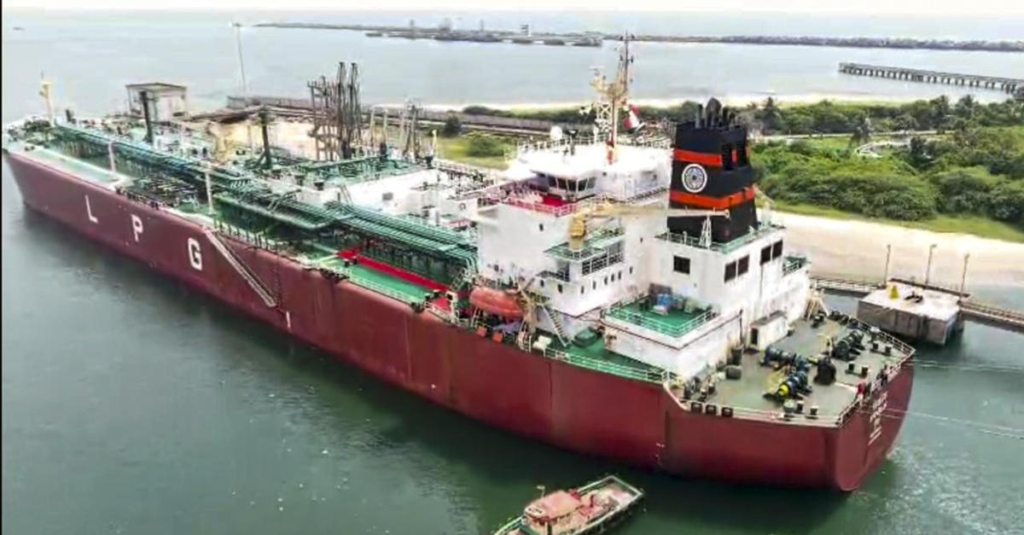
According to maritime sources, two LPG carriers registered under the Indian flag were awaiting clearance near the Strait of Hormuz amid heightened security concerns. Iran’s decision to allow their passage ensured that the vessels could continue their journey without delay.
The ships were reportedly transporting LPG cargo destined for India’s domestic energy market, where the fuel is widely used for household cooking gas under government subsidy programs.
LPG imports play a crucial role in India’s energy mix because:
- Millions of households depend on LPG cylinders for cooking.
- Government welfare schemes encourage LPG use to reduce indoor air pollution from traditional fuels.
- Domestic production cannot fully meet demand, requiring large imports.
Allowing the vessels through the strait therefore helped prevent potential supply bottlenecks.
India is the third-largest consumer of energy in the world, and the country imports a significant portion of its fuel requirements.
The safe passage of these two LPG carriers carries strategic importance because:
- Supply Stability: It ensures uninterrupted LPG supplies for Indian consumers.
- Market Confidence: Energy traders gain reassurance that shipping lanes remain operational.
- Price Control: Avoiding supply disruptions helps prevent sudden spikes in LPG prices.
For a country with over a billion people, any disruption to cooking gas supply can quickly turn into a social and economic challenge. Therefore, developments like this are closely monitored by policymakers in New Delhi.
The clearance of the ships also comes against the backdrop of growing geopolitical tensions in the region. Over the past months, conflict and military activity have increased concerns about maritime safety in the Persian Gulf.
Several incidents have heightened fears, including:
- Missile exchanges involving regional powers.
- Naval patrols and security alerts near key shipping lanes.
- Increased military presence by global powers.
Countries such as the United States and regional allies have deployed naval assets to safeguard international shipping routes. The aim is to ensure that commercial vessels can continue operations without being caught in regional conflicts.
Despite these tensions, Iran’s decision to allow the Indian ships through the Strait of Hormuz has been viewed as a pragmatic step to maintain maritime trade flows.
Energy markets react quickly to geopolitical developments in the Gulf region. Any threat to the Strait of Hormuz can cause sharp price movements in crude oil, LNG, and LPG markets.
Analysts say the clearance of the Indian vessels signals that:
- Shipping traffic remains open despite tensions.
- Regional powers are cautious about disrupting global energy trade.
- Diplomatic channels may still be functioning behind the scenes.
This development helped calm concerns among traders who feared potential shipping blockades or vessel seizures.
Even temporary disruptions in the strait could have pushed oil prices significantly higher, affecting economies worldwide.
India and Iran share a long history of diplomatic, economic, and cultural ties. Energy trade has historically been a key pillar of the relationship.
Before international sanctions limited Iranian oil exports, India was one of the largest buyers of Iranian crude. Even today, both countries maintain dialogue on energy cooperation and regional connectivity.
India also views Iran as strategically important due to projects like the Chabahar Port, which aims to enhance trade connectivity between South Asia and Central Asia.
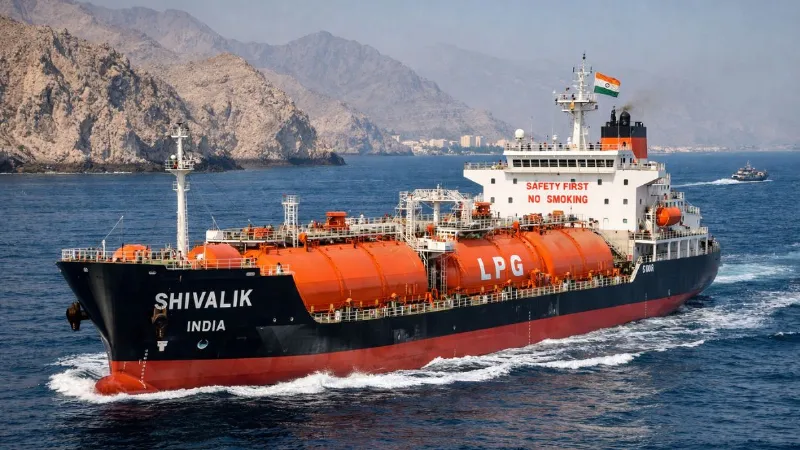
Iran’s decision to allow Indian ships to pass through the Strait of Hormuz reflects the practical nature of this relationship, especially in matters related to trade and shipping.
While the passage of two ships may seem like a small development, it carries larger implications for global energy security and regional diplomacy.
Several signals emerge from the situation:
- Trade routes remain open: Even during tensions, countries recognize the importance of uninterrupted energy flows.
- Diplomatic balancing: Regional powers appear cautious about escalating actions that could disrupt global markets.
- Energy vulnerability: Import-dependent economies like India remain exposed to geopolitical shocks.
Experts say the incident underscores the need for countries to diversify energy sources and shipping routes to reduce reliance on a single chokepoint.
Read Also : Why Hansika Motwani Divorced Sohael Khaturiya After 3 Years of Marriage: 5 Shocking Reasons Revealed