Hormuz Shock: Iran Opens Strait for ONLY 5 ‘Friendly Nations’ — India, Pakistan Get Exclusive Access Amid War
Hormuz Crisis 2026: Iran allows only 5 “friendly nations,” including India and Pakistan, to use the Strait of Hormuz amid war
The ongoing geopolitical tensions in the Middle East have taken a dramatic turn as Iran reportedly restricts access to the critical Strait of Hormuz, allowing passage only to five “friendly nations,” including India and Pakistan. This development has sent shockwaves through global energy markets, raising concerns about oil supply disruptions, rising fuel prices, and the broader implications for international trade.
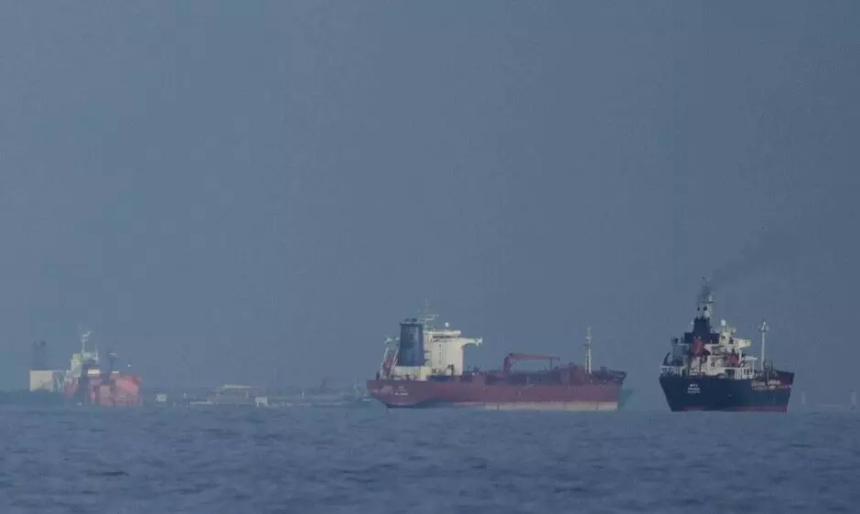
The Strait of Hormuz, one of the world’s most vital maritime chokepoints, plays a crucial role in the transportation of crude oil. Nearly one-fifth of global oil consumption passes through this narrow waterway, making any restriction or disruption a matter of global concern. Iran’s latest move, therefore, is not just a regional decision but one with far-reaching global consequences.
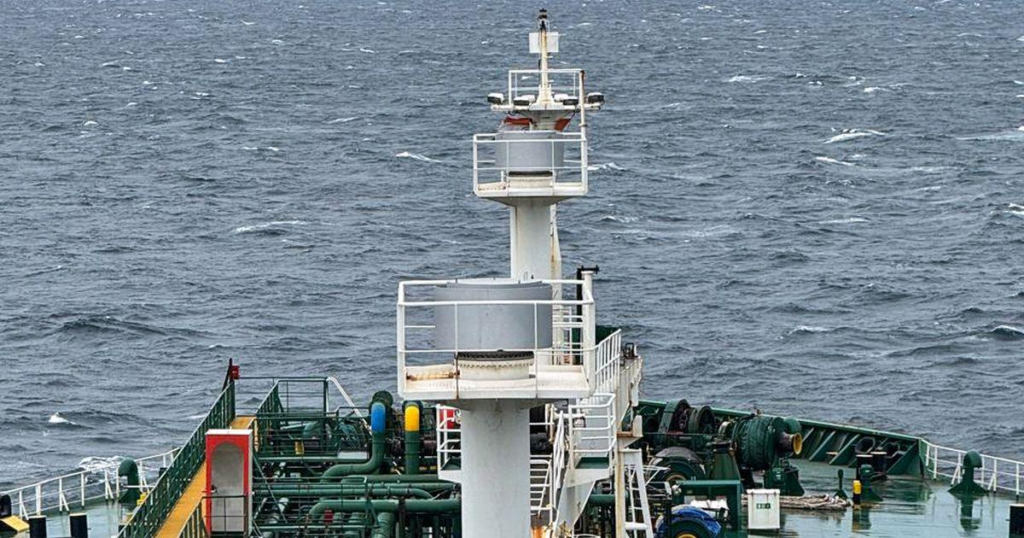
The Strait of Hormuz connects the Persian Gulf to the Arabian Sea and is a key route for oil exports from major нефтяные producers such as Saudi Arabia, Iraq, Kuwait, and the United Arab Emirates. For countries like India, which rely heavily on imported crude oil, the smooth functioning of this route is essential for maintaining energy security.
Any ограничения in the strait can lead to immediate spikes in global oil prices, increased shipping costs, and disruptions in supply chains. This is why Iran’s decision to allow access only to select countries has triggered widespread attention and concern.
Iran’s decision comes amid escalating military tensions in the region. While details of the conflict remain fluid, the move is widely seen as a strategic attempt to exert control over global energy flows and gain leverage in the ongoing crisis.
By limiting access to “friendly nations,” Iran is effectively sending a strong geopolitical message. Countries that maintain favorable diplomatic relations with Tehran are being granted passage, while others may face restrictions or delays.
India’s inclusion in this exclusive group highlights its diplomatic balancing act in the region. Despite maintaining strong ties with Western nations, India has also preserved its relationship with Iran, particularly in the energy sector.
Although official confirmation of all five countries remains limited, reports suggest that India and Pakistan are among those granted access. The inclusion of these nations indicates Iran’s willingness to maintain regional cooperation even during times of conflict.
This selective access policy could reshape trade dynamics in the region, as countries excluded from the list may need to explore alternative routes or face increased costs.
The immediate impact of Iran’s decision has been felt in global oil markets. Prices have shown signs of volatility, reflecting concerns over potential supply ограничения. Traders and analysts are closely monitoring the situation, as any further escalation could lead to significant price surges.
For India, however, the situation appears relatively stable for now. With continued access to the Strait of Hormuz, the country can maintain its oil imports without major disruptions. This comes as a relief, especially given the recent concerns about fuel availability.
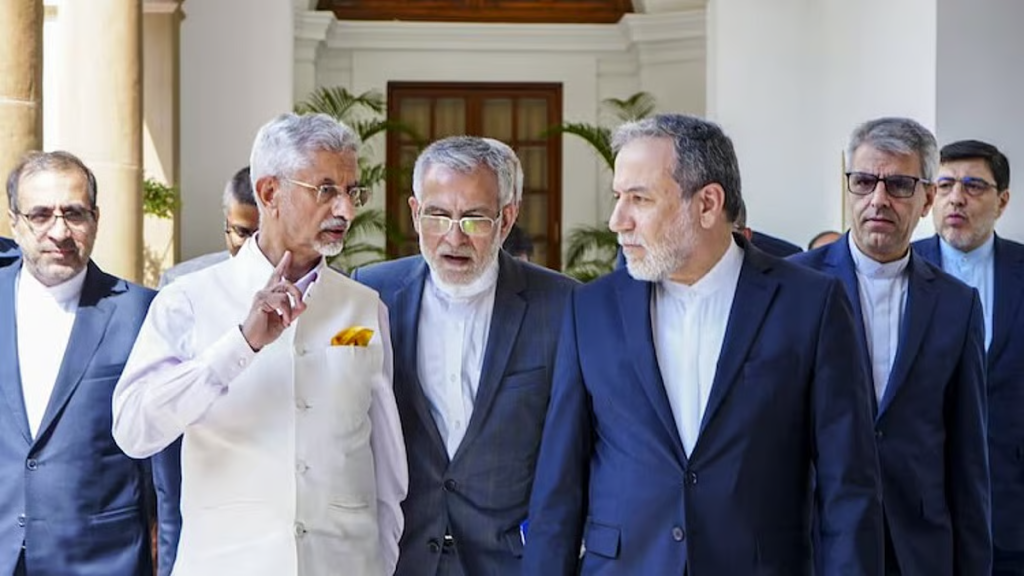
India imports over 80% of its crude oil requirements, making it highly vulnerable to global supply disruptions. The country has been working to diversify its energy sources and build strategic reserves, but its dependence on maritime routes like the Strait of Hormuz remains significant.
The current development provides temporary relief, ensuring that shipments can continue without interruption. However, experts caution that the situation could change rapidly depending on how the conflict evolves.
Pakistan’s inclusion in the list of “friendly nations” also carries strategic significance. It highlights Iran’s intent to maintain ties with neighboring countries and ensure regional stability, even as tensions escalate.
This move could also influence regional alliances and diplomatic dynamics, particularly in South Asia. Both India and Pakistan being granted access suggests a pragmatic approach by Iran, prioritizing economic and strategic considerations over political differences.
While select countries may continue to use the strait, the overall shipping environment remains uncertain. Insurance costs for vessels passing through the region are likely to increase, reflecting the heightened risk.
Shipping companies may also adopt cautious approaches, leading to delays and increased transportation costs. These factors could eventually impact consumer prices, even in countries that retain access.
The international community has responded with concern to Iran’s move. Several countries have called for the free and open navigation of the Strait of Hormuz, emphasizing its importance for global trade.
Diplomatic efforts are likely to intensify in the coming days, as nations seek to de-escalate tensions and ensure the uninterrupted flow of oil. Multilateral organizations and global powers may also step in to mediate the situation.
One of the biggest concerns surrounding this development is the potential for further escalation. If the conflict intensifies, there is a risk that access to the strait could be further restricted or even completely blocked.
Such a scenario would have severe последствия for the global economy, leading to sharp increases in oil prices, inflationary pressures, and disruptions in multiple industries.
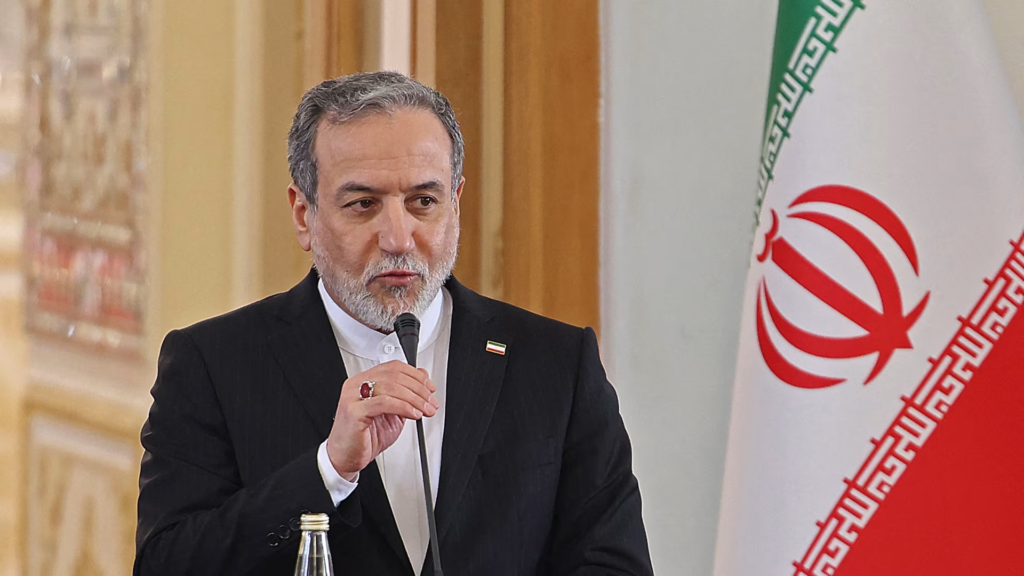
The situation in the Strait of Hormuz remains highly dynamic, with developments unfolding rapidly. While the current arrangement provides some level of stability for select countries, the broader outlook remains uncertain.
For India, the focus will be on maintaining diplomatic engagement with all stakeholders and ensuring the continuity of energy supplies. The government is also likely to monitor запас levels closely and take proactive measures if needed.
Read Also : India Fuel Crisis UPDATE: Govt Confirms 60 Days запас, No Shortage Despite Rising Panic