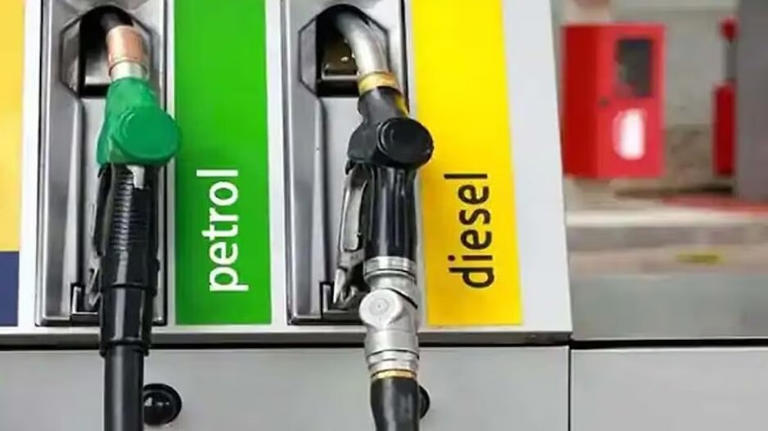
Big Relief! Petrol Excise Duty Slashed to ₹3, Diesel at ₹0 – 7 Massive Impacts Amid West Asia Crisis
Petrol excise duty slashed to ₹3 and diesel reduced to zero amid the West Asia crisis. Discover key impacts on fuel prices, inflation, and India’s economy in this major relief move
India has taken a bold and timely economic step by drastically reducing excise duties on fuel, offering significant relief to millions of consumers. In a move that has captured national attention, the government has slashed the excise duty on petrol to just ₹3 per litre, while bringing diesel excise duty down to zero. This decision comes against the backdrop of escalating tensions in West Asia, a region that plays a crucial role in global energy supply chains.
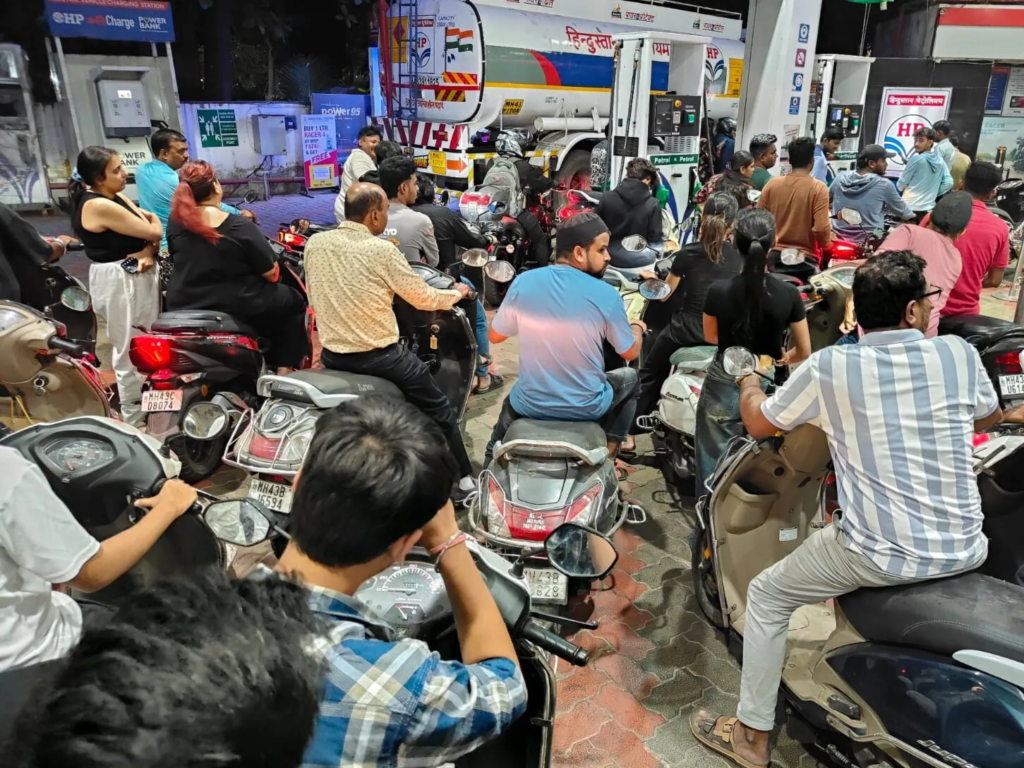
The announcement marks one of the most aggressive fuel tax cuts in recent years, reflecting the government’s urgency to shield the domestic economy from global shocks. As geopolitical instability continues to impact crude oil prices, this policy intervention is being seen as a strategic effort to stabilize inflation, support economic growth, and ease the financial burden on households.
The global oil market has been under immense pressure due to the ongoing conflict in West Asia. Key supply routes and oil-producing nations in the region have been affected, leading to fluctuations in crude oil prices. One of the most sensitive chokepoints is the Strait of Hormuz, through which a significant portion of the world’s oil supply passes.
Any disruption in this region has immediate ripple effects across global markets. For a country like India, which relies heavily on oil imports, such volatility can quickly translate into rising fuel prices, increased transportation costs, and higher inflation.
By reducing excise duties, the government aims to counterbalance these external pressures and maintain price stability in the domestic market.
Excise duty is a tax imposed by the central government on the production or sale of goods, including petroleum products. It constitutes a significant portion of the retail price of petrol and diesel in India.
The reduction to ₹3 for petrol and zero for diesel is a substantial cut compared to previous rates. This means that consumers can expect a noticeable drop in fuel prices at the pump, depending on how oil marketing companies pass on the benefits.
For diesel, which is widely used in transportation, agriculture, and industry, the zero-duty policy is particularly impactful. Lower diesel costs can reduce logistics expenses, ultimately bringing down the prices of essential goods and services.
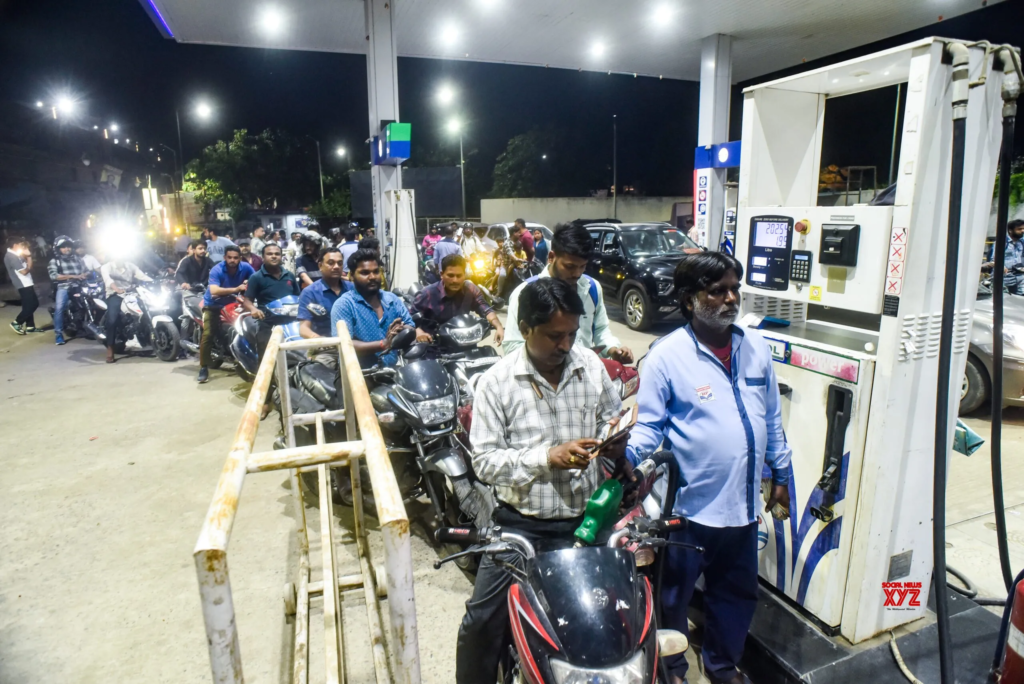
The most direct benefit of this move is the relief it provides to consumers. With fuel prices being a daily expense for many, even a small reduction can have a meaningful impact on household budgets.
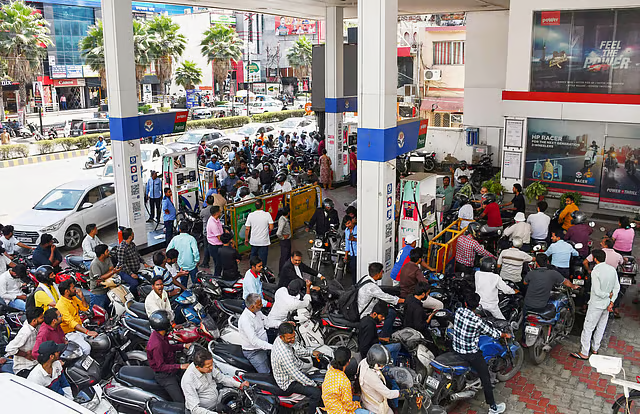
Commuters, transport operators, and businesses that rely heavily on fuel will see immediate cost savings. This is especially significant in urban centers where fuel consumption is high.
Moreover, the psychological effect of falling fuel prices cannot be underestimated. It boosts consumer confidence and can lead to increased spending in other sectors, thereby stimulating economic activity.
Diesel is the backbone of India’s transportation network. Trucks, buses, and trains depend heavily on diesel to move goods and people across the country. By eliminating excise duty on diesel, the government has effectively reduced the operating costs for logistics companies.
This could lead to a chain reaction of price reductions across various sectors. From food items to construction materials, the cost of transporting goods is a key factor in determining their final price. Lower diesel prices can help bring down these costs, benefiting both businesses and consumers.
Fuel prices are a major driver of inflation in India. When petrol and diesel prices rise, the cost of goods and services tends to increase as well. Conversely, a reduction in fuel prices can help control inflation.
The excise duty cut is expected to have a moderating effect on inflation, which has been a concern in recent months due to global economic uncertainties. By easing fuel costs, the government is taking a proactive step to maintain price stability and protect purchasing power.
While the move is beneficial for consumers, it does come at a cost to the government. Excise duty on fuel is a significant source of revenue for the central government. Reducing it means a potential loss in income.
However, experts believe that the government is willing to absorb this loss in the short term to prevent larger economic disruptions. Lower inflation, increased economic activity, and higher consumption could offset some of the revenue losses over time.
Additionally, the move may be part of a broader strategy to maintain economic momentum during a period of global uncertainty.
The announcement has been welcomed by various industries, particularly those that are fuel-intensive. Sectors such as logistics, aviation, agriculture, and manufacturing are expected to benefit significantly from lower fuel costs.
Stock markets have also responded positively, with shares of companies in these sectors showing gains. Investors view the excise duty cut as a supportive measure that could improve profitability and boost economic growth.
However, some analysts caution that the benefits will depend on how global oil prices behave in the coming weeks. If crude prices continue to rise sharply, the impact of the duty cut may be partially offset.
The timing of this move is crucial. With the West Asia crisis showing no immediate signs of resolution, the government’s decision to act swiftly demonstrates its commitment to economic stability.
By preemptively reducing excise duties, India is positioning itself to better manage the challenges posed by global uncertainties. This proactive approach could help the country navigate the crisis more effectively than in the past.
While the immediate focus is on relief and stabilization, the decision also raises questions about long-term fuel pricing policies. It highlights the need for a more resilient energy strategy that reduces dependence on imported oil.
Investments in renewable energy, electric vehicles, and alternative fuels could play a key role in achieving this goal. By diversifying its energy sources, India can reduce its vulnerability to global oil market fluctuations.
The excise duty cut has been widely appreciated by the public, with many expressing relief over the expected drop in fuel prices. Social media platforms have been flooded with reactions, with users calling it a “much-needed step” during challenging times.
Politically, the move is being seen as a strong message of responsiveness and governance. It underscores the government’s willingness to take decisive action in the face of global crises.
Read Also : Vijay Deverakonda & Rashmika Mandanna Get Grand Welcome on Ranabaali Sets – 7 Viral Moments You Can’t Miss