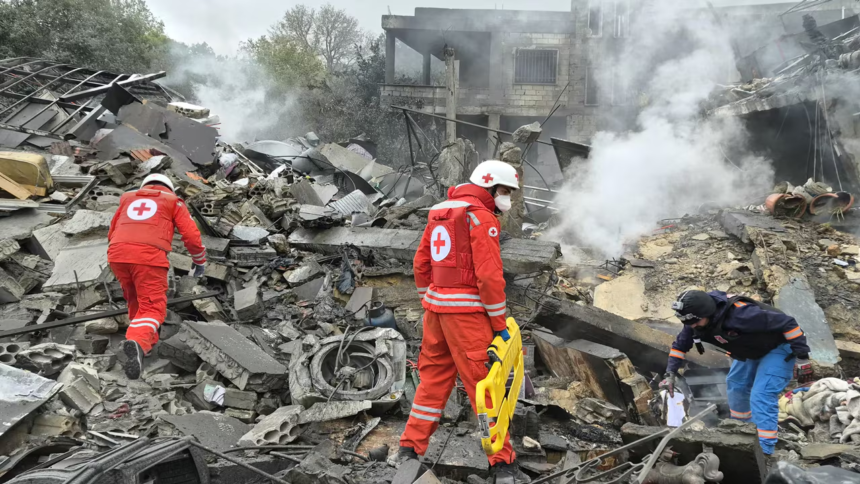
Breaking: 5 Indians Hurt in Abu Dhabi Fire After Missile Interception Amid Middle East War
Amid the escalating Middle East war, 5 Indians were injured in Abu Dhabi after a fire broke out following a missile interception, raising concerns over regional security and civilian safety
The intensifying conflict in the Middle East has taken a concerning turn after five Indian nationals were injured in a fire that broke out in Abu Dhabi following a missile interception incident. The development has raised fresh concerns about civilian safety, regional stability, and the far-reaching consequences of the ongoing geopolitical tensions.
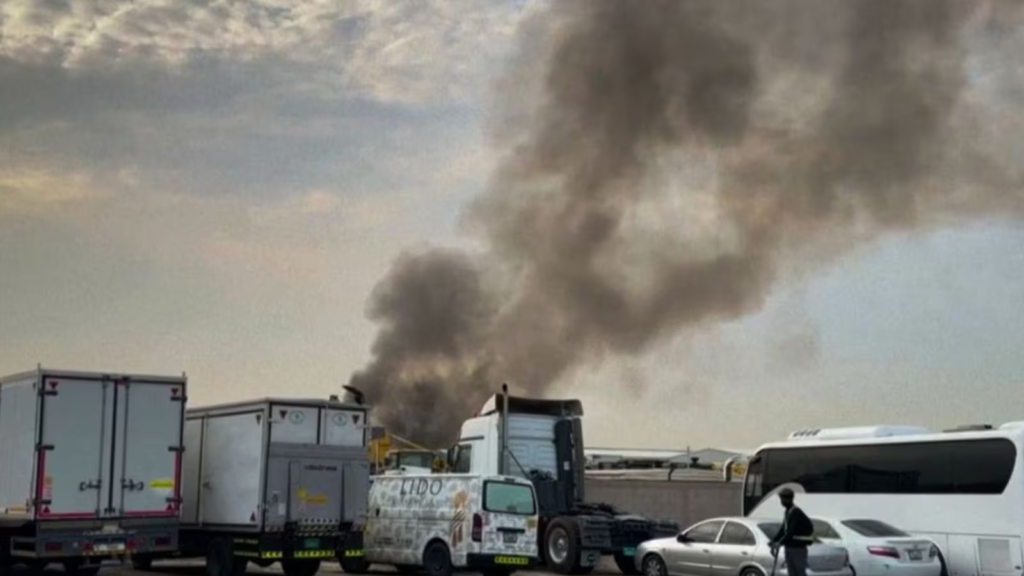
Authorities in the United Arab Emirates confirmed that the injuries occurred after debris from an intercepted missile triggered a blaze in a residential and commercial area. While the situation was brought under control, the incident highlights how the ripple effects of the Middle East war are increasingly impacting regions beyond direct conflict zones.
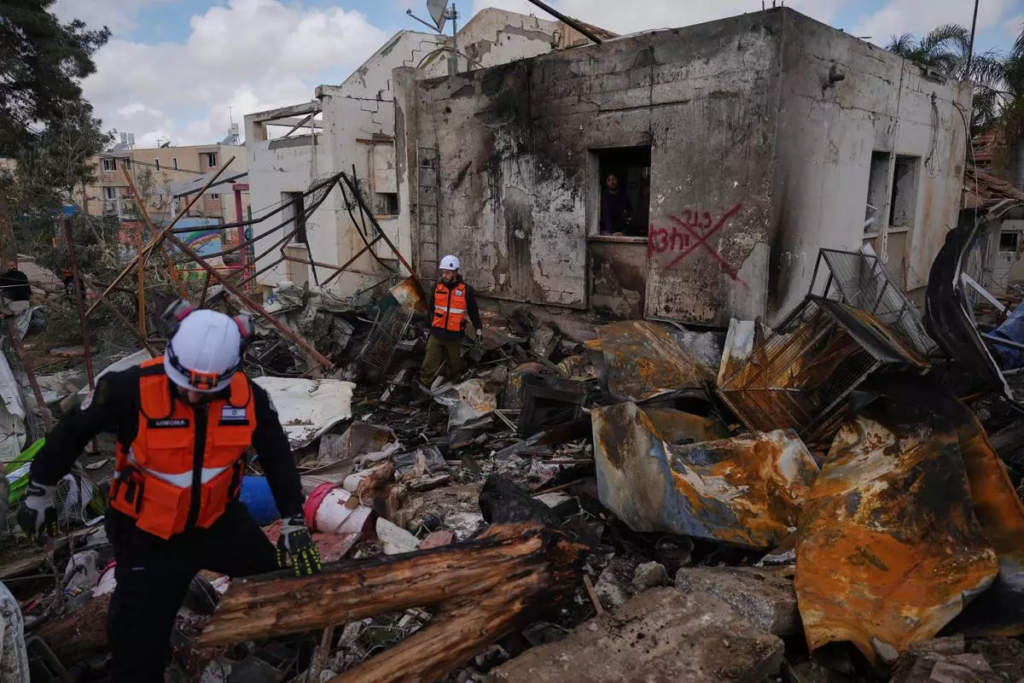
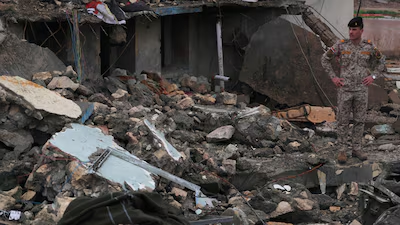
According to initial reports, air defense systems in Abu Dhabi successfully intercepted a missile believed to have been launched amid escalating hostilities in the region. However, fragments from the intercepted projectile fell into a populated area, igniting a fire that quickly spread across nearby structures.
Emergency services responded swiftly, containing the blaze and evacuating residents. Among those affected were five Indian nationals who sustained injuries ranging from minor burns to smoke inhalation. They were immediately rushed to nearby hospitals, where they are reported to be in stable condition.
The quick response of local authorities prevented a larger disaster, but the incident has left residents shaken and raised serious questions about urban safety during military escalations.
The incident comes amid a broader escalation in the Middle East, where multiple countries and non-state actors are involved in a complex and volatile conflict. Missile strikes, drone attacks, and air defense interceptions have become increasingly frequent, affecting both military and civilian areas.
Experts believe that the expanding geographical scope of these confrontations is a major concern. Cities like Abu Dhabi, which were previously considered relatively insulated from direct conflict, are now experiencing the indirect consequences of regional hostilities.
This shift underscores the unpredictable nature of modern warfare, where even defensive actions like missile interceptions can pose risks to civilian populations.
The injury of five Indian nationals has drawn attention in India, where the government is closely monitoring the situation. The Indian Embassy in the UAE has been actively coordinating with local authorities to ensure that the injured receive proper medical care and support.
India has a large expatriate population in the UAE, with millions of Indians living and working across various sectors. Incidents like these highlight the vulnerabilities faced by expatriates in conflict-affected regions.
Officials have also issued advisories urging Indian citizens in the UAE and neighboring areas to remain cautious, avoid unnecessary travel, and follow local safety guidelines.
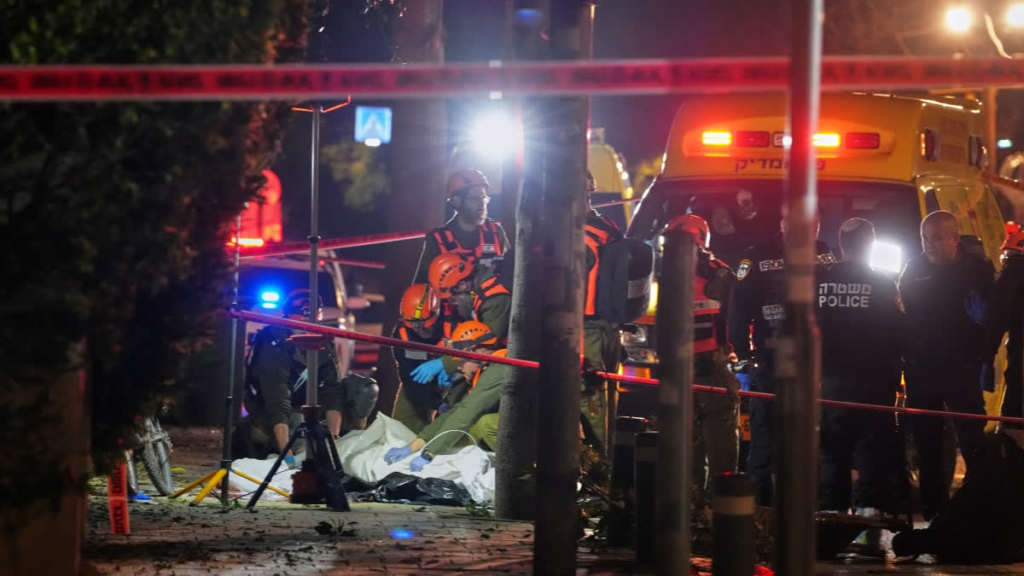
The missile interception demonstrates the effectiveness of the UAE’s advanced air defense systems, which are designed to neutralize aerial threats. However, the resulting debris and its impact on civilian areas have sparked discussions about the challenges of ensuring complete safety.
Defense analysts point out that while interception systems are crucial for national security, they are not without risks. Falling debris can cause unintended damage, particularly in densely populated urban environments.
The incident may prompt authorities to review safety protocols and explore additional measures to minimize collateral damage during such operations.
One of the most alarming aspects of this incident is the threat posed to civilians who are not directly involved in the conflict. The fire in Abu Dhabi serves as a stark reminder that modern warfare often extends beyond battlefields, affecting ordinary people in unexpected ways.
Urban centers, with their dense populations and critical infrastructure, are particularly vulnerable. Even a successful missile interception can lead to secondary hazards such as fires, structural damage, and injuries.
This reality has led to increased calls for international efforts to de-escalate tensions and prioritize civilian protection.
The incident has drawn reactions from various countries and international organizations, many of which have expressed concern over the safety of civilians in the region. The broader Middle East conflict continues to have global implications, affecting energy markets, international trade, and geopolitical stability.
Countries with large expatriate populations in the Gulf, including India, are particularly sensitive to developments that could endanger their citizens.
The situation also underscores the interconnected nature of global security, where events in one region can have far-reaching consequences.
The UAE is a major economic hub, and incidents like this can have implications for investor confidence, tourism, and overall economic stability. Abu Dhabi, in particular, plays a crucial role in the country’s economy, hosting key industries and infrastructure.
While the swift containment of the fire helped prevent major disruption, repeated incidents could pose challenges for long-term stability.
Additionally, the broader conflict in the Middle East has already impacted global oil prices and supply chains, adding another layer of complexity to the situation.
In response to the escalating tensions, diplomatic efforts are underway to prevent further deterioration of the situation. Several countries and international bodies are advocating for dialogue and de-escalation.
India, with its strong ties to the Middle East, is also playing a role in promoting peace and stability in the region. The safety of Indian nationals remains a top priority, and authorities are taking steps to ensure their well-being.
Experts emphasize that sustained diplomatic engagement is essential to address the root causes of the conflict and prevent incidents like the one in Abu Dhabi.
The fire incident serves as a wake-up call for both governments and residents in the region. It highlights the importance of emergency preparedness, robust infrastructure, and effective communication during crises.
Authorities may need to enhance public awareness campaigns, improve emergency response systems, and invest in technologies that reduce risks associated with missile interceptions.
For residents, including expatriates, staying informed and following safety advisories can make a significant difference in such situations.
Read Also : PM Modi Inaugurates Noida International Airport Phase 1 Worth ₹30,000 Crore – India’s Biggest Aviation Leap