Mumbai Heat Alert: Temperature Hits 36°C, IMD Forecasts Clear Sunny Skies
Mumbai records a high of 36°C on Saturday as the India Meteorological Department (IMD) forecasts clear, sunny weather, signaling rising heat and possible heatwave conditions in the city
Mumbai is experiencing a surge in temperatures as the city recorded a high of 36 degrees Celsius on Saturday, according to the India Meteorological Department. The weather agency has forecast clear skies and continued sunny conditions, indicating that the financial capital is heading toward a hotter-than-usual period.
The rising mercury levels have sparked concerns among residents, health experts, and authorities, as prolonged exposure to high temperatures can have significant impacts on daily life, public health, and infrastructure.
The temperature touching 36°C marks a notable increase compared to the seasonal average for this time of the year. While Mumbai is known for its coastal climate, which typically moderates extreme heat, recent days have seen unusually warm conditions.
Meteorologists suggest that the absence of cloud cover, combined with dry winds and increasing solar radiation, has contributed to the spike in temperatures. With the IMD predicting continued sunny weather, residents are likely to experience similar or even higher temperatures in the coming days.
Night temperatures have also remained relatively high, offering little relief from the daytime heat. This trend is often a precursor to more intense summer conditions.
The India Meteorological Department has indicated that Mumbai will continue to witness clear skies with minimal chances of rainfall. Such conditions allow maximum sunlight to reach the surface, further increasing temperatures.
The IMD has not officially declared a heatwave yet, but experts warn that if temperatures continue to rise or remain consistently high, heatwave conditions could soon develop.
Weather officials are closely monitoring the situation and advising citizens to take necessary precautions to avoid heat-related illnesses.
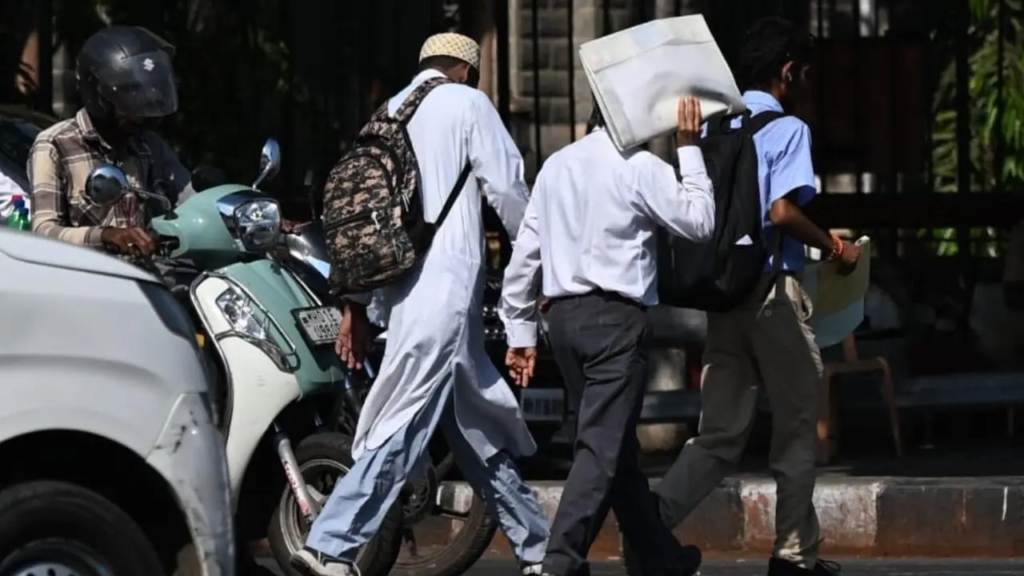
The rising heat is already affecting daily routines in Mumbai. Commuters, especially those relying on public transport, are facing discomfort during peak hours. Crowded trains and buses, combined with high temperatures, can create challenging conditions.
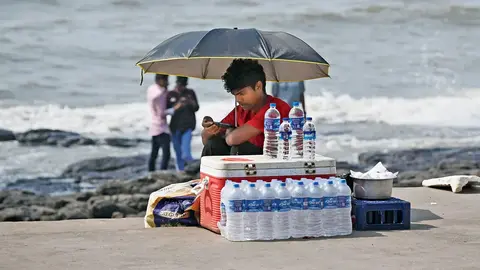
Street vendors, construction workers, and others who work outdoors are among the most affected. Prolonged exposure to heat increases the risk of dehydration, heat exhaustion, and heatstroke.
Schools and offices are also adapting to the changing weather, with some institutions advising flexible schedules or encouraging indoor activities during peak heat hours.
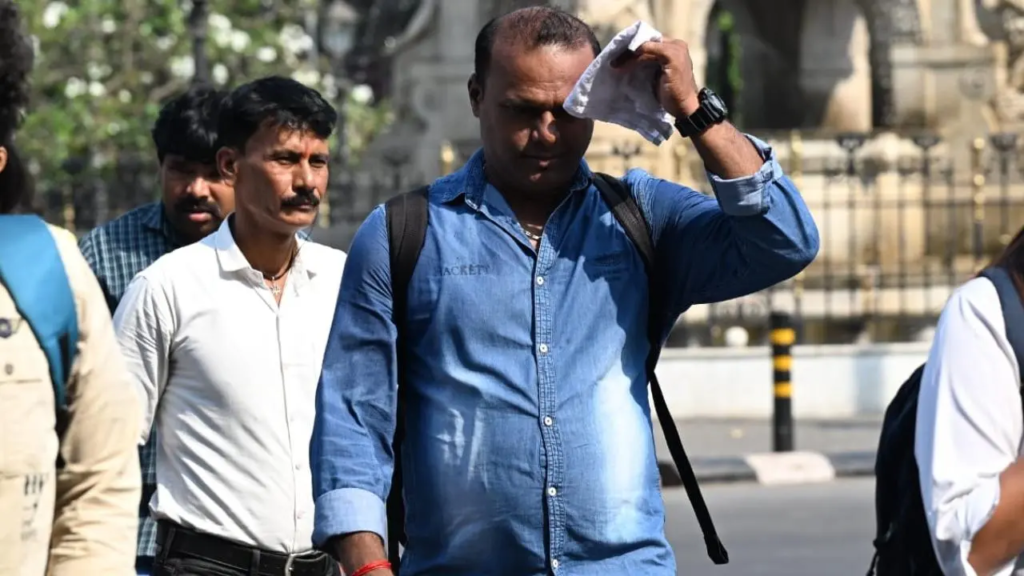
Health experts are urging residents to remain cautious as temperatures climb. High heat levels can lead to various health issues, particularly for vulnerable groups such as children, the elderly, and those with pre-existing medical conditions.
Common heat-related problems include dehydration, fatigue, dizziness, and heatstroke. Symptoms like excessive sweating, rapid heartbeat, and nausea should not be ignored.
Authorities recommend simple yet effective precautions:
- Stay hydrated by drinking plenty of water
- Avoid direct sunlight during peak afternoon hours
- Wear light, breathable clothing
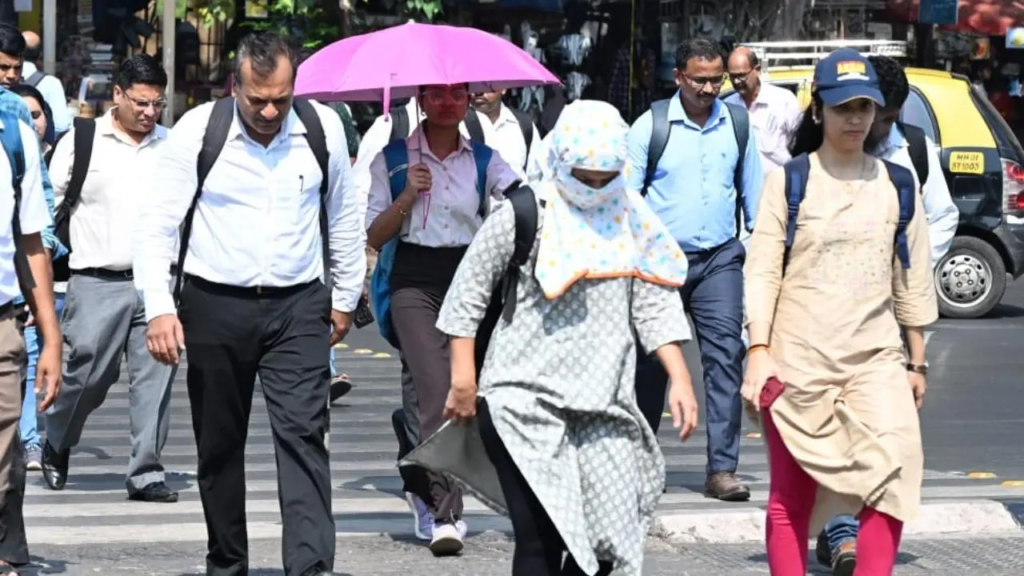
- Use sunscreen and protective gear like hats or umbrellas
- Take frequent breaks if working outdoors
Hospitals in Mumbai are also preparing for a potential increase in heat-related cases.
Mumbai’s rising temperatures are also linked to broader environmental factors, including urbanization and the “heat island” effect. Concrete structures, reduced green cover, and high population density contribute to the retention of heat within the city.
Areas with limited vegetation tend to experience higher temperatures compared to greener zones. Experts emphasize the need for sustainable urban planning, including the expansion of green spaces and the use of heat-resistant building materials.
Climate change is another contributing factor, with global warming leading to more frequent and intense heat events.
While Mumbai regularly experiences warm weather, the current temperature trend is slightly above average for this period. In recent years, the city has seen a gradual increase in temperature levels, reflecting broader climatic shifts.
Data from the India Meteorological Department indicates that heatwaves are becoming more common across various parts of India, including coastal regions that were previously less affected.
This pattern highlights the importance of long-term strategies to address climate-related challenges.
High temperatures can also have economic implications. Increased use of air conditioning and cooling systems leads to higher electricity demand, putting pressure on power infrastructure.
Businesses, especially those in outdoor sectors, may experience reduced productivity due to the heat. Additionally, transportation systems can be affected, with extreme temperatures impacting road surfaces and railway tracks.
The tourism sector may also see fluctuations, as visitors adjust their plans based on weather conditions.
Local authorities in Mumbai are monitoring the situation closely. Municipal bodies are taking steps to ensure the availability of drinking water in public areas and raising awareness about heat safety.
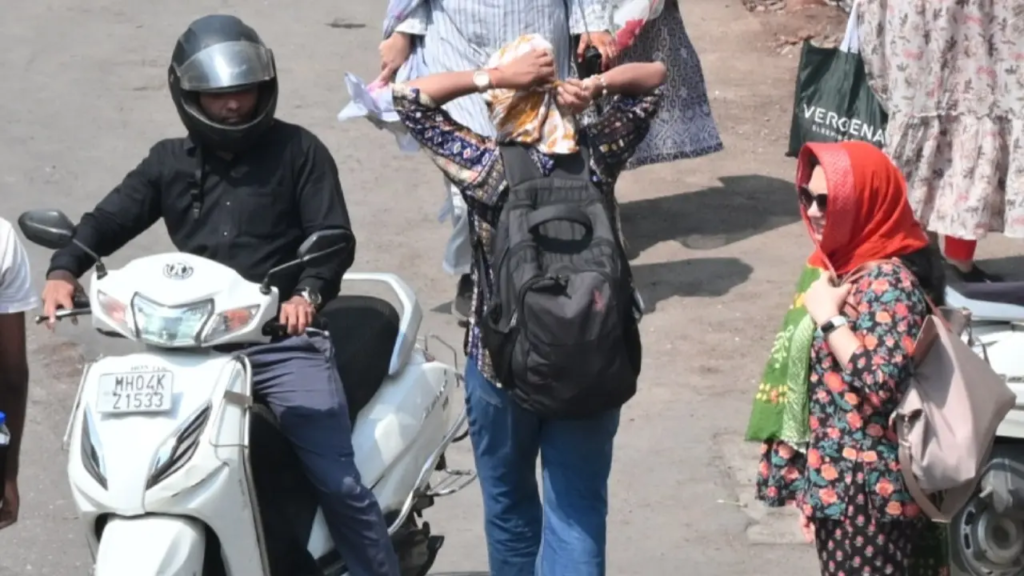
Emergency services are on standby to respond to any heat-related incidents. Public advisories are being issued regularly to keep citizens informed about weather conditions and safety measures.
The IMD continues to provide updates and forecasts to help authorities and residents prepare for changing weather patterns.
As Mumbai braces for continued गर्मी (heat), residents can adopt several strategies to stay comfortable:
- Use curtains or blinds to block direct sunlight indoors
- Stay in shaded or air-conditioned environments whenever possible
- Consume light meals and avoid heavy, oily foods
- Take cool showers to regulate body temperature
- Check on elderly family members and neighbors
Simple lifestyle adjustments can go a long way in reducing the impact of high temperatures.
The current weather pattern suggests that Mumbai is entering a hotter phase, with temperatures likely to remain elevated in the coming days. While the IMD has not issued a severe heatwave warning yet, the situation warrants caution.
Meteorologists will continue to track temperature trends, humidity levels, and other factors to provide accurate forecasts.
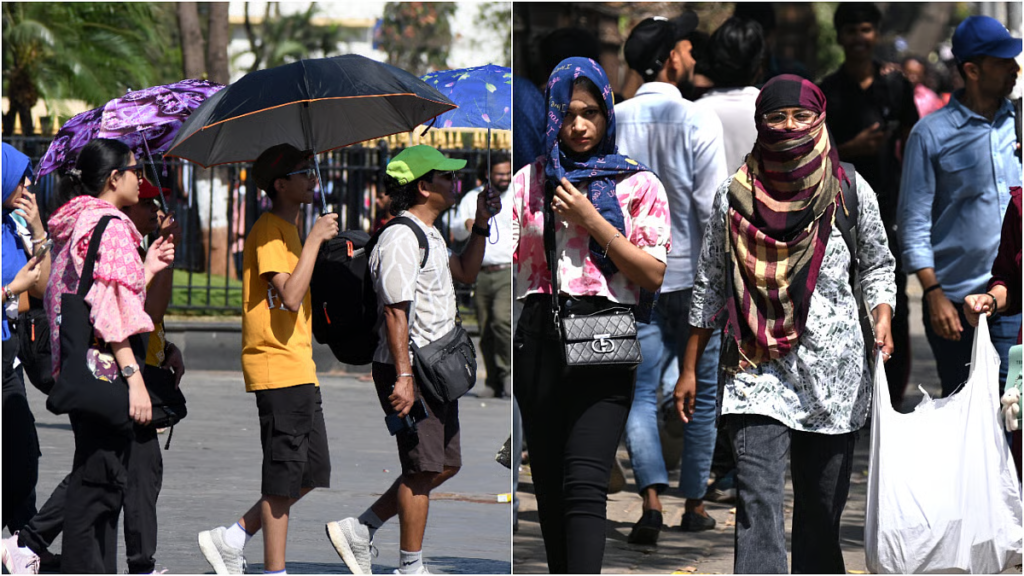
Residents are advised to stay updated with official weather bulletins and follow safety guidelines to navigate the heat safely.
Read Also : Mid-Air Scare: IndiGo Flight Makes Emergency Landing in Delhi After 1 Engine Failure