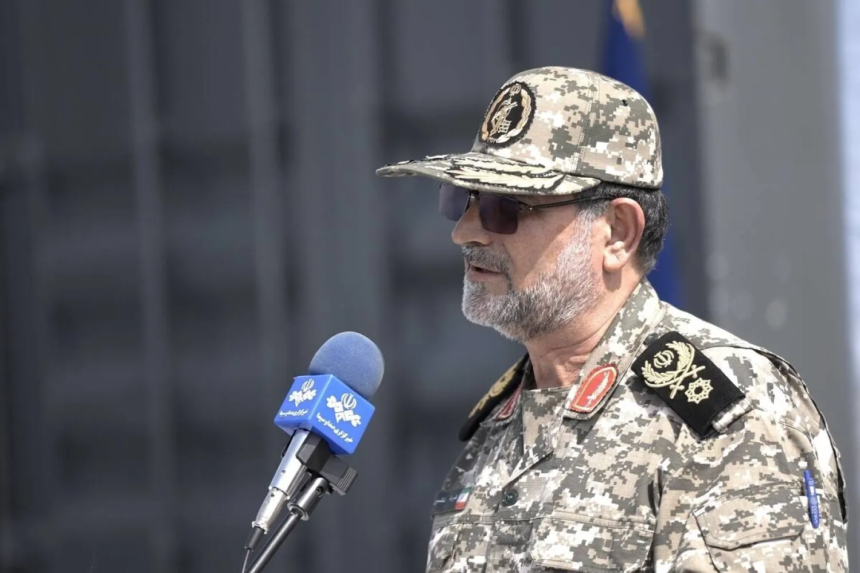
Iran Confirms Death of IRGC Navy Chief Alireza Tangsiri — 1 Key Commander Killed in Israel Strike
Iran confirms the killing of IRGC Navy chief Alireza Tangsiri, marking a major escalation in the Iran-Israel war
The ongoing Iran-Israel conflict has taken a dramatic and dangerous turn with Iran officially confirming the death of its senior military leader, Alireza Tangsiri, the commander of the naval forces of the Islamic Revolutionary Guard Corps (IRGC). This development marks one of the most significant escalations in the Middle East war in recent times, sending shockwaves across global political, military, and economic landscapes.
The confirmation of Tangsiri’s death comes days after reports emerged of a targeted strike allegedly carried out by Israel Defense Forces. Initially, there was ambiguity surrounding the reports, with Iranian authorities neither confirming nor denying the incident. However, the official acknowledgment has now validated what many analysts suspected — that this was a high-precision strike aimed at weakening Iran’s naval capabilities.
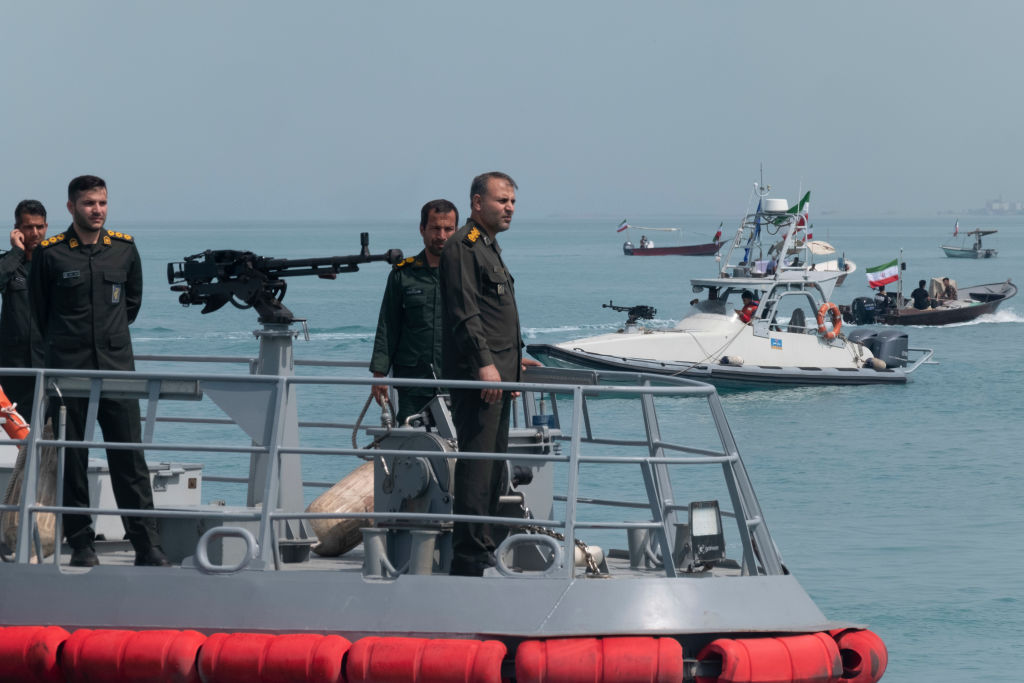
Alireza Tangsiri was not just another military official. He was a central figure in Iran’s maritime strategy and had been leading the IRGC Navy since 2018. Known for his hardline stance and aggressive rhetoric, Tangsiri played a crucial role in shaping Iran’s posture in the Persian Gulf, particularly in the strategically vital Strait of Hormuz.
Tangsiri’s role extended far beyond traditional naval command. He was instrumental in overseeing operations that involved fast attack boats, missile deployments, and drone warfare. His leadership was closely tied to Iran’s efforts to assert dominance in regional waters and challenge Western and allied naval forces.
One of his most controversial strategies involved the potential closure of the Strait of Hormuz — a narrow waterway through which nearly 20% of the world’s oil supply passes. Any disruption in this region has immediate global consequences, especially for energy markets.
With Tangsiri now gone, Iran faces a leadership vacuum in one of its most critical military divisions. The loss of such a high-ranking commander is expected to impact operational continuity and strategic planning within the IRGC Navy.
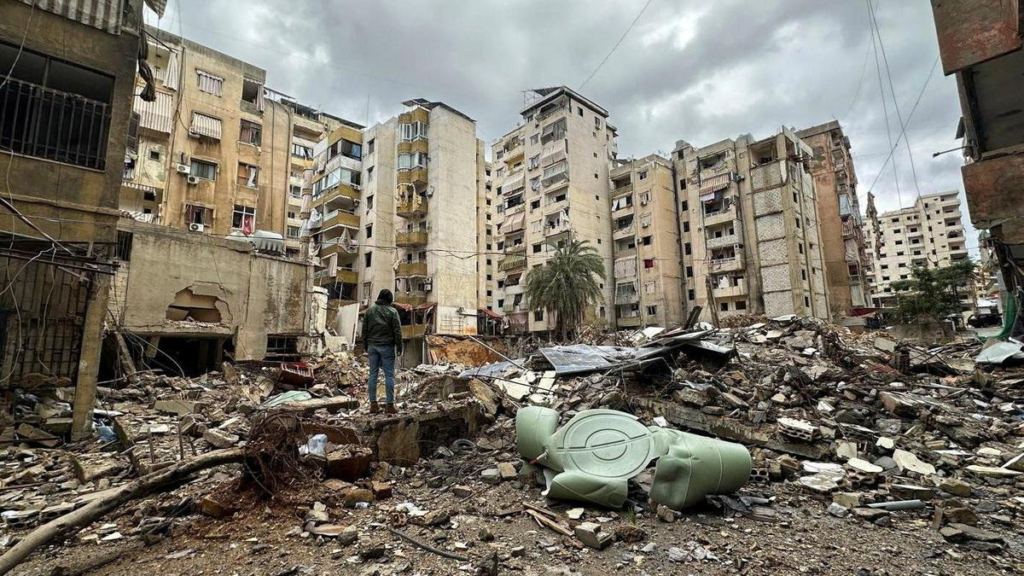
According to multiple reports, the strike that killed Tangsiri took place in the southern port city of Bandar Abbas — a key naval hub for Iran. The operation reportedly targeted not just Tangsiri but also other senior commanders, making it a coordinated attempt to dismantle Iran’s naval leadership.
The Israel Defense Forces has not only demonstrated its intelligence capabilities but also its willingness to escalate the conflict by targeting top-tier leadership. This raises serious concerns about the potential for further retaliatory strikes from Iran.
The precision and timing of the operation suggest that it was based on high-quality intelligence, possibly involving surveillance, cyber intelligence, and coordination with allied forces.
Iran’s confirmation of Tangsiri’s death is significant in itself. Historically, Iran has been cautious about acknowledging losses of this magnitude, especially when it comes to high-ranking officials. By confirming the death, Tehran may be preparing its population and military for a broader escalation.
Iran has vowed retaliation, and analysts believe that the response could come in multiple forms — including missile strikes, cyberattacks, or proxy warfare through allied groups in the region.
The IRGC, known for its influence and reach, is expected to play a central role in orchestrating any retaliatory measures. The death of Tangsiri may also serve as a rallying point, strengthening hardline factions within Iran’s political and military establishment.
The international community is closely monitoring the situation, as the killing of such a high-profile military leader significantly raises the stakes. The United States and its allies have expressed concern over the escalating tensions, urging both sides to exercise restraint.
However, the reality on the ground suggests that de-escalation may be difficult. With both Iran and Israel showing no signs of backing down, the risk of a broader regional conflict is increasing.
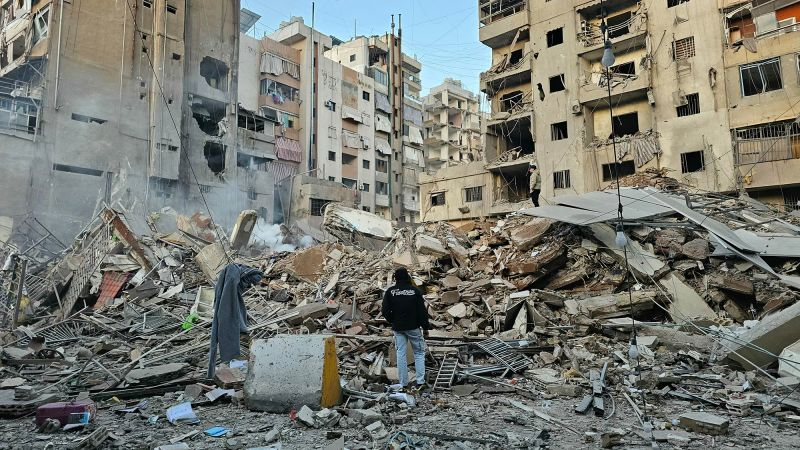
Global oil markets have already begun reacting to the news. Prices have shown volatility amid fears of disruptions in the Strait of Hormuz. Any prolonged instability in the region could have far-reaching economic consequences.
The Strait of Hormuz remains one of the most critical chokepoints in global trade. Iran’s ability to influence or disrupt traffic through this narrow passage gives it significant leverage in times of conflict.
Tangsiri was a key architect of Iran’s strategy in this region. His leadership ensured that the IRGC Navy maintained a strong presence, capable of responding quickly to perceived threats.
With his death, questions arise about whether Iran can maintain the same level of control and deterrence. While the IRGC is a well-structured organization, the loss of an experienced commander could temporarily affect its operational efficiency.
The killing of Tangsiri is not an isolated incident but part of a broader pattern of escalating hostilities between Iran and Israel. Over the past few weeks, there have been multiple reports of strikes, counter-strikes, and military build-ups.
This latest development could trigger a new phase in the conflict, potentially involving more direct confrontations rather than proxy engagements.
Countries in the region are also on high alert. Gulf nations, in particular, are concerned about the potential spillover effects, including disruptions to trade and security threats.
The successful targeting of Tangsiri highlights the evolving nature of modern warfare. Intelligence, surveillance, and precision strikes are increasingly becoming the defining features of military engagements.
The ability to eliminate high-value targets with minimal collateral damage represents a significant shift from traditional warfare tactics. It also raises ethical and strategic questions about the use of such methods.
For Iran, this incident underscores vulnerabilities in its security apparatus. It may prompt a reassessment of how senior leaders are protected and how intelligence leaks are prevented.
The coming days and weeks will be crucial in determining the trajectory of the Iran-Israel conflict. Several scenarios are possible:
- Immediate Retaliation: Iran could launch direct or indirect attacks in response to Tangsiri’s death.
- Proxy Warfare: Increased activity by Iran-backed groups in the region.
- Diplomatic Pressure: International efforts to de-escalate tensions.
- Further Strikes: Continued targeting of high-ranking officials on both sides.
Each of these scenarios carries its own risks and implications, not just for the Middle East but for the entire world.