Trump Targets Iran Oil — 1 Bold Plan to Seize Kharg Island Sparks Global Shock
Trump’s explosive statement on taking Iran’s oil and seizing Kharg Island intensifies Middle East tensions, sending oil prices soaring and raising fears of a major global conflict
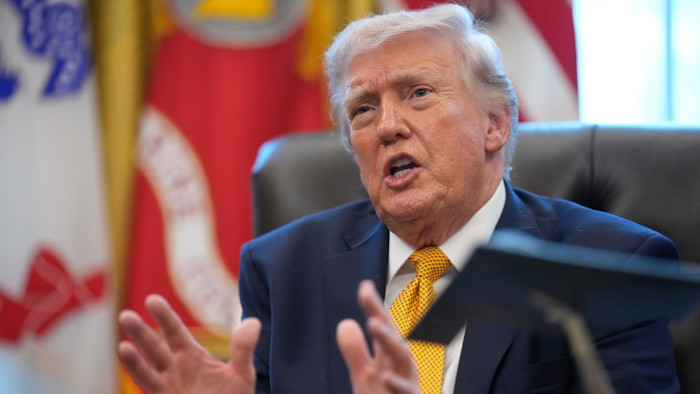
The Middle East crisis has entered a dangerous new phase after former US President Donald Trump made a bold and controversial statement suggesting that the United States should “take the oil” in Iran and could seize Kharg Island “very easily.”
This statement has not only intensified geopolitical tensions but has also triggered shockwaves across global markets, energy sectors, and diplomatic channels. With the region already on edge due to ongoing military confrontations, Trump’s remarks have added a new dimension to an already volatile situation.
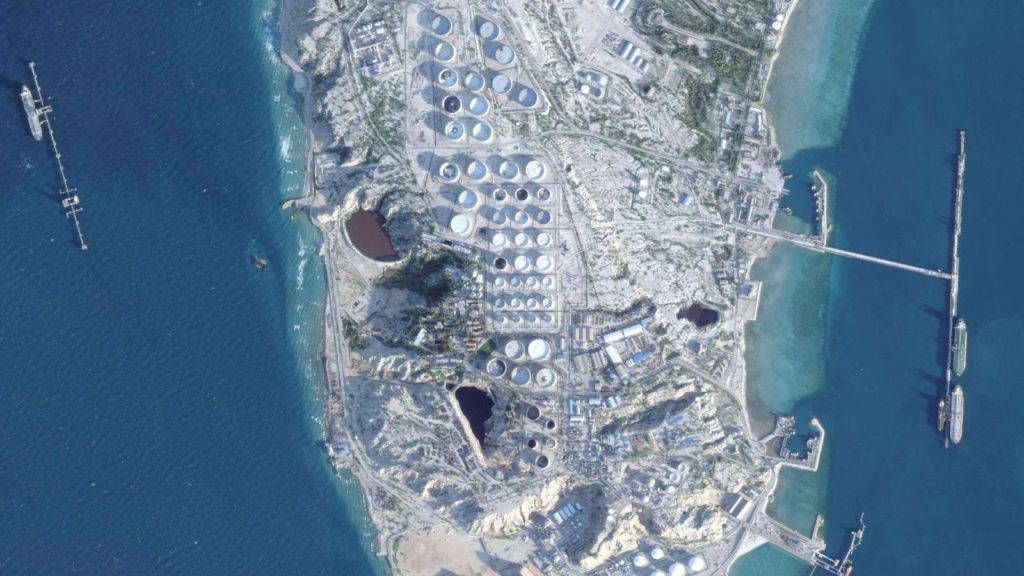
Kharg Island is not just another geographic location—it is the backbone of Iran’s oil export economy. Located in the Persian Gulf, the island serves as the primary terminal for exporting crude oil from Iran to international markets.
Nearly 90% of Iran’s oil exports pass through this island, making it one of the most strategically critical energy hubs in the world. Any disruption to operations on Kharg Island could have immediate and far-reaching consequences, including:
- Sharp spikes in global oil prices
- Disruption of international energy supply chains
- Increased tensions in global shipping routes
- Economic instability in oil-dependent nations
Given its importance, the idea of seizing Kharg Island is not just a military move—it is a strategic economic maneuver that could reshape global energy dynamics.
When Donald Trump stated that he would like to “take the oil” in Iran, it signaled a shift from traditional diplomatic or military approaches to a more resource-focused strategy. His suggestion that Kharg Island could be seized “easily” has raised several critical questions:
- Is this a reflection of a broader US strategy?
- Could such a move actually be executed without triggering a full-scale war?
- What would be the global consequences of such an action?
Trump’s statement has been interpreted by analysts as both a negotiating tactic and a show of strength. However, the implications go far beyond rhetoric.
The Middle East is already witnessing heightened military activity. The conflict involving Iran, Israel, and other regional actors has seen missile strikes, drone attacks, and naval confrontations.
Trump’s remarks have added fuel to the fire, potentially increasing the likelihood of:
- Direct military confrontation between major powers
- Naval blockades in the Persian Gulf
- Increased presence of international forces in the region
Reports suggest that troop deployments and military readiness levels have been elevated, signaling that the situation could escalate further.
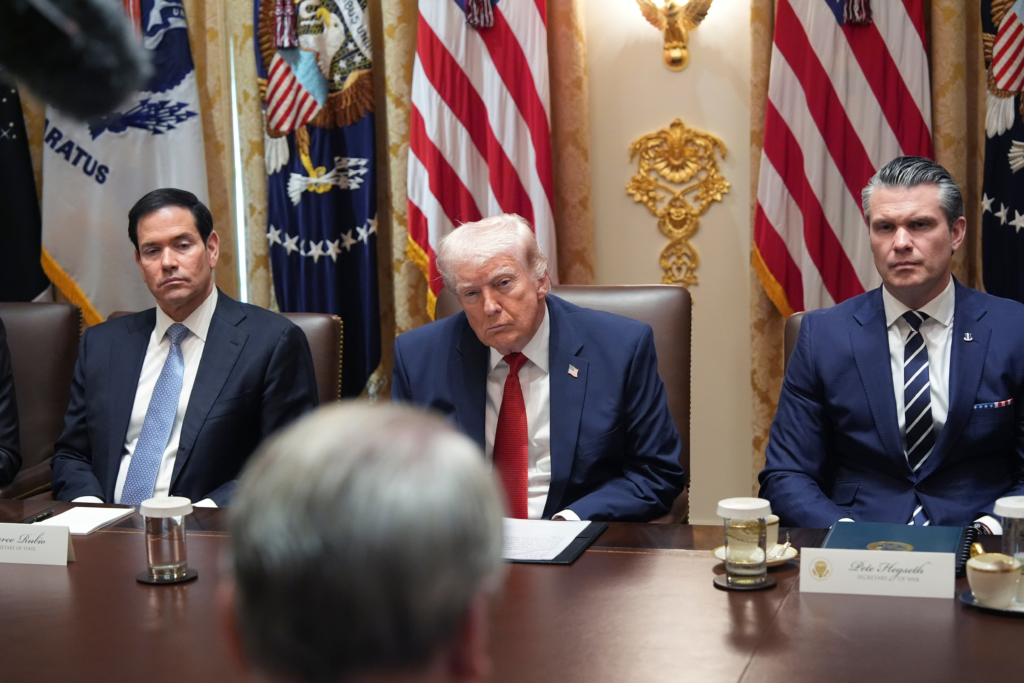
One of the immediate effects of Trump’s statement has been seen in global oil markets. Prices surged sharply following his remarks, reflecting fears of supply disruptions.
- Oil prices crossed $116 per barrel, with analysts predicting further increases
- Energy stocks experienced volatility
- Global markets showed signs of instability
Experts warn that if tensions continue to escalate, oil prices could rise to $150 or even $200 per barrel, potentially triggering a global economic slowdown.
The potential seizure of Kharg Island or disruption of Iran’s oil exports would have massive economic implications:
1. Inflation Surge
Higher oil prices would lead to increased costs for transportation, manufacturing, and daily goods.
2. Supply Chain Disruptions
Energy shortages could impact industries worldwide, from aviation to agriculture.
3. Currency Fluctuations
Global currencies may experience volatility as investors seek safe-haven assets.
4. Impact on Developing Countries
Nations heavily dependent on oil imports could face severe economic challenges.
Iran has historically responded strongly to perceived threats against its sovereignty and economic assets. The idea of seizing Kharg Island would be seen as a direct attack on its national interests.
Possible responses from Iran could include:
- Military retaliation against US or allied forces
- Disruption of shipping routes in the Strait of Hormuz
- Cyberattacks targeting critical infrastructure
- Mobilization of regional allies and proxy groups
Iran’s leadership has already warned that any attempt to interfere with its oil exports would result in severe consequences.
The Strait of Hormuz, located near Kharg Island, is one of the most important maritime chokepoints in the world. Approximately 20% of global oil shipments pass through this narrow waterway.
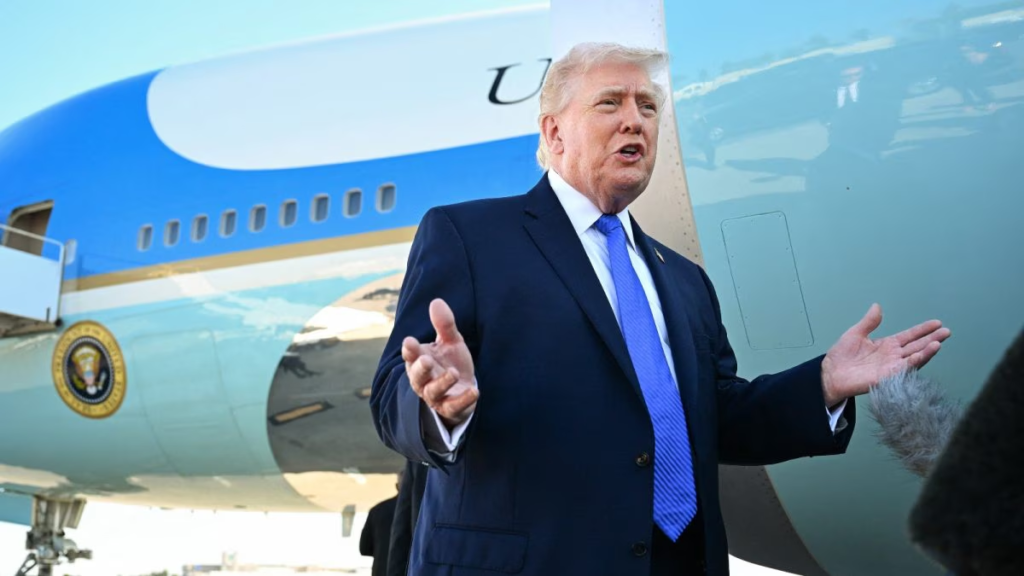
Any conflict in this region could:
- Disrupt global oil supply
- Increase shipping insurance costs
- Lead to naval confrontations
- Impact international trade
Control over Kharg Island would effectively mean significant influence over the Strait of Hormuz, making it a highly strategic objective.
Trump’s statement has sparked reactions from governments and international organizations worldwide.
United Nations
The UN has called for restraint and urged all parties to avoid actions that could escalate the conflict.
European Nations
European leaders have expressed concern over rising tensions and potential economic fallout.
Asian Markets
Countries heavily reliant on Middle Eastern oil, such as China, Japan, and India, are closely monitoring the situation.
Some analysts believe that Trump’s statement could be part of a broader negotiation strategy. By making bold claims, he may be attempting to:
- Pressure Iran into negotiations
- Influence global energy markets
- Strengthen political positioning
However, such rhetoric carries significant risks, especially in a region already experiencing high tensions.
The Middle East crisis highlights the deep connection between geopolitics and energy resources. Oil remains one of the most critical drivers of global power dynamics.
Control over energy resources can influence:
- Economic stability
- Military power
- International alliances
- Global trade
Trump’s focus on “taking the oil” reflects a broader trend where energy security plays a central role in geopolitical strategies.
The situation remains highly unpredictable. Several scenarios could unfold:
Scenario 1: Escalation
Military actions increase, leading to direct confrontation and widespread conflict.
Scenario 2: Stalemate
Tensions remain high, but no major actions are taken, resulting in prolonged uncertainty.
Scenario 3: Diplomatic Resolution
Negotiations lead to de-escalation and stabilization of the region.
The statement has gone viral across social media platforms, with people expressing a mix of shock, concern, and curiosity.
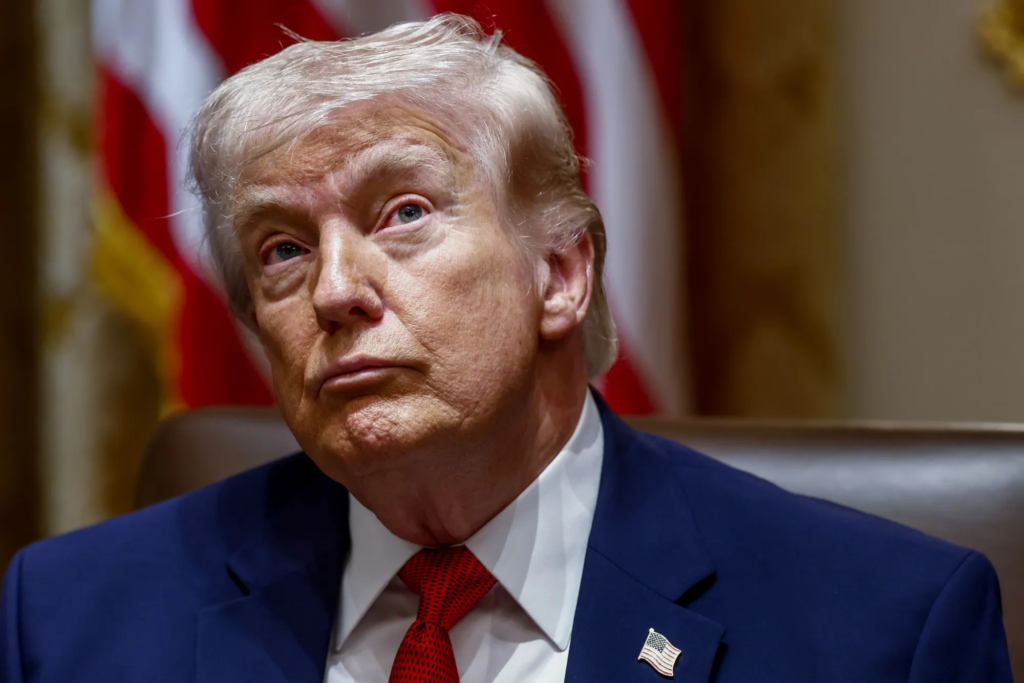
Media outlets worldwide are closely tracking developments, providing continuous updates on:
- Military movements
- Diplomatic talks
- Market reactions
Public opinion remains divided, with some viewing the statement as a bold strategy and others as a dangerous escalation.
Read Also : Iran Confirms Death of IRGC Navy Chief Alireza Tangsiri — 1 Key Commander Killed in Israel Strike