4–6 Week War Plan — Donald Trump Will End Iran Conflict Without Reopening Hormuz
Donald Trump signals a major shift in the Iran war strategy, willing to end the conflict even if the Strait of Hormuz remains closed
In a dramatic and potentially game-changing development in the ongoing Middle East crisis, former U.S. President Donald Trump has reportedly signaled a willingness to end the Iran war even if the strategically vital Strait of Hormuz remains closed. This shift marks a notable departure from earlier hardline positions and could have far-reaching consequences for global geopolitics, oil markets, and international security.
The Strait of Hormuz, one of the world’s most crucial oil transit chokepoints, has been at the center of escalating tensions between the United States, Israel, and Iran. Traditionally, reopening the strait has been viewed as a key objective in any military or diplomatic resolution. However, Trump’s latest stance suggests a recalibration of priorities—one that focuses more on ending active conflict rather than immediately resolving the maritime blockade.
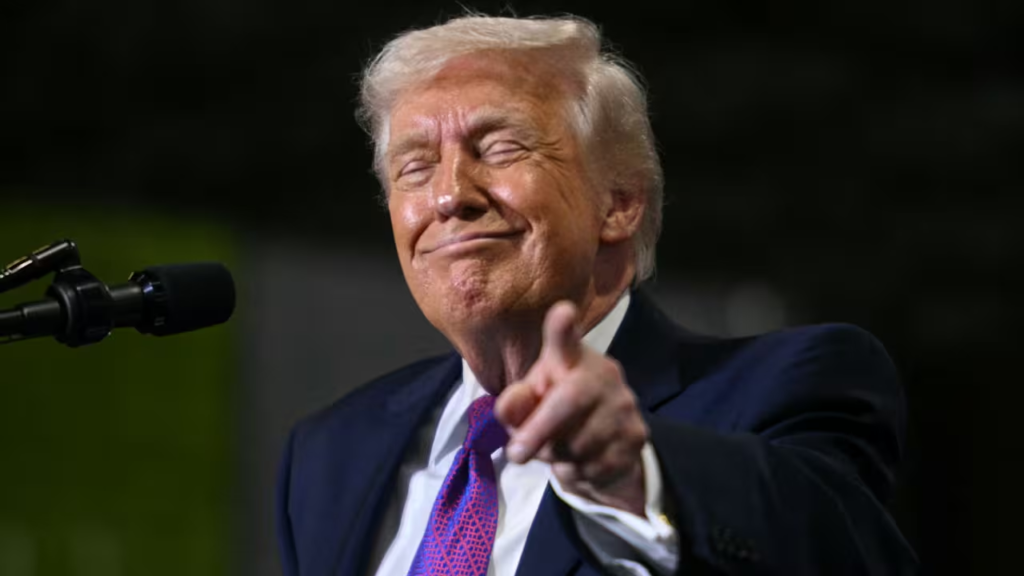
According to recent reports, Trump and his advisers believe that reopening the Strait of Hormuz could significantly prolong the conflict, potentially extending it beyond a preferred 4–6 week timeline. Instead, the administration appears to be focusing on achieving core military objectives—such as weakening Iran’s naval capabilities and missile infrastructure—before winding down operations.
This approach indicates a clear strategic shift. Rather than pursuing a comprehensive resolution that includes restoring full maritime access, the emphasis is now on limiting the duration and scope of the conflict. By doing so, Trump aims to declare a form of victory while avoiding a prolonged and costly military engagement.
The Strait of Hormuz is not just any waterway—it is a lifeline for global energy supplies. Roughly 20% of the world’s oil passes through this narrow passage, making it one of the most critical points in international trade.
A continued closure or disruption of the strait can have immediate and severe consequences, including:
- Spike in global oil prices
- Increased inflation across economies
- Supply chain disruptions worldwide
- Economic instability in oil-dependent nations
Despite these risks, Trump’s willingness to end the war without reopening the strait suggests that the U.S. may be prepared to shift the burden of ensuring maritime security onto allies in Europe, Asia, and the Gulf region.
Another key element of Trump’s strategy appears to be a pivot toward diplomacy. Instead of relying solely on military force to reopen the strait, the U.S. may seek to pressure Iran through negotiations and international alliances.
This could involve:
- Encouraging allied nations to take the lead in securing the waterway
- Imposing additional economic sanctions on Iran
- Engaging in indirect diplomatic talks to de-escalate tensions
By stepping back militarily, the U.S. could reduce immediate risks while still working toward a longer-term solution through diplomatic channels.
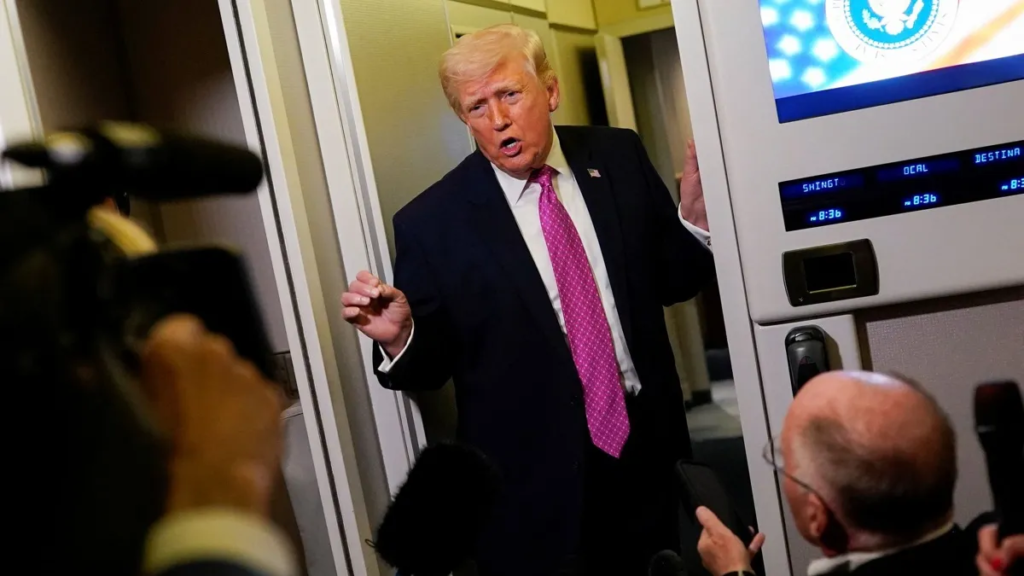
Trump’s stance has sparked mixed reactions across the international community. While some see it as a pragmatic move to avoid a prolonged war, others view it as a risky gamble that leaves a critical global chokepoint unresolved.
Countries heavily dependent on oil imports—particularly in Asia—are likely to be most affected. For nations like India, China, and Japan, the continued closure of the strait could mean higher energy costs and increased economic pressure.
European allies, too, may find themselves facing difficult choices, especially if they are expected to take a more active role in ensuring maritime security.
The global oil market has already shown signs of volatility amid the ongoing crisis. Prices have surged significantly, reflecting fears of prolonged disruption in supply.
If the war ends without reopening the Strait of Hormuz, several scenarios could unfold:
- Sustained high oil prices due to limited supply routes
- Increased investment in alternative energy sources
- Greater reliance on strategic oil reserves
- Shifts in global trade routes and shipping patterns
These changes could reshape the global energy landscape in the months and years ahead.
Trump’s decision also highlights a broader debate between military and economic priorities. While reopening the strait would provide immediate economic relief, it could require a more extensive and prolonged military campaign.
By choosing to end the war without achieving this objective, the U.S. may be prioritizing:
- Reducing military costs
- Avoiding further escalation
- Limiting casualties
- Maintaining domestic political support
However, this approach comes with trade-offs, particularly in terms of economic stability and global influence.
Iran, for its part, has shown little willingness to back down. The country views control over the Strait of Hormuz as a strategic advantage and a powerful bargaining tool.
By maintaining its grip on the strait, Iran can exert pressure not only on the U.S. but also on the broader international community. This makes the situation even more complex, as any resolution will likely require careful negotiation and compromise.
The coming weeks will be crucial in determining how this situation unfolds. Several key questions remain:
- Will the U.S. successfully end the war within its desired timeline?
- Can diplomatic efforts persuade Iran to reopen the strait?
- How will global markets react to a prolonged disruption?
- Will other nations step in to secure the waterway?
The answers to these questions will shape the future of the Middle East and the global economy.
Read Also : Trump Targets Iran Oil — 1 Bold Plan to Seize Kharg Island Sparks Global Shock