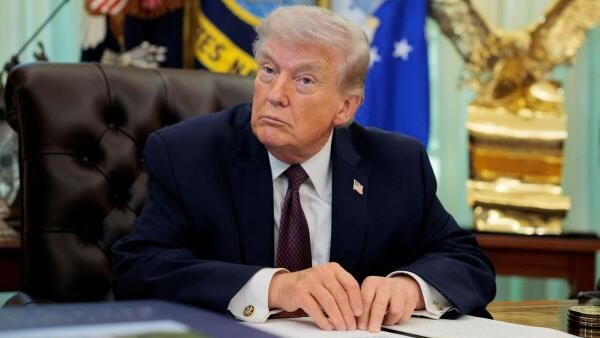
Breaking: Donald Trump Announces 2–3 Week Exit Plan to End Iran War — 5 Key Takeaways
Donald Trump signals a rapid end to the Iran war, announcing a 2–3 week exit plan. Discover 5 key impacts on global oil markets, geopolitics, and Middle East stability
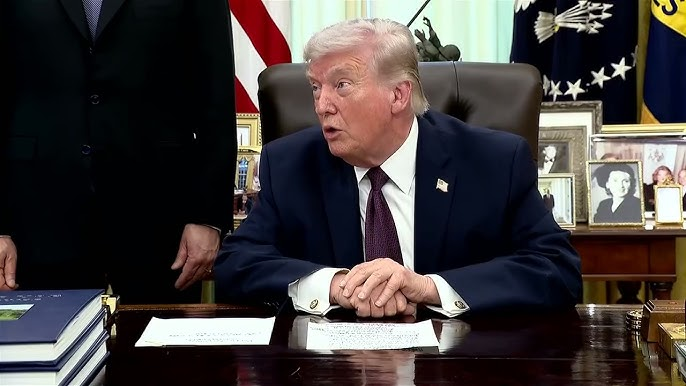
In a major development that could reshape the trajectory of the Middle East conflict, Donald Trump has announced that the United States may end its military campaign against Iran within the next 2–3 weeks. His statement—“We’ll be leaving very soon”—signals a potential rapid exit strategy that has caught global attention and sparked intense debate among policymakers, analysts, and financial markets.
The announcement comes at a critical moment, with the conflict already impacting global oil supplies, regional stability, and international alliances. Trump’s timeline not only raises hopes for a quick end to hostilities but also introduces new uncertainties about what comes next.
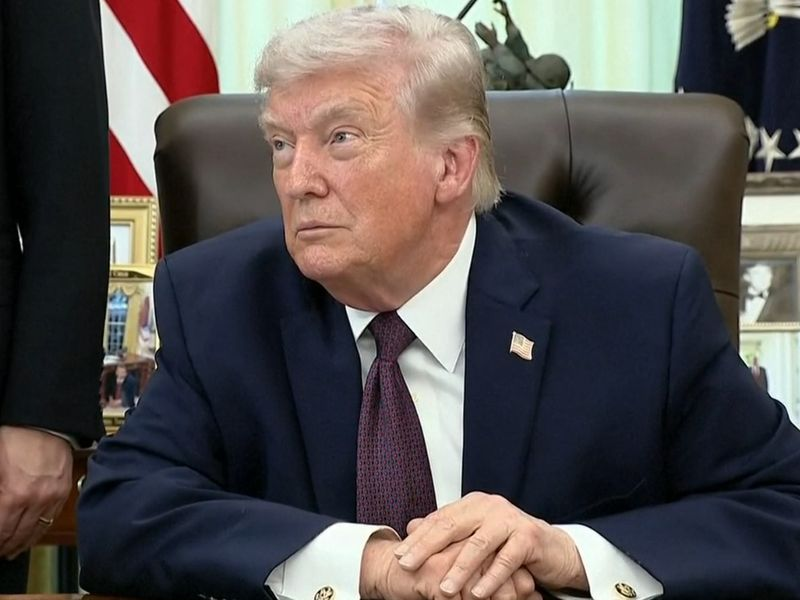
For weeks, the United States has been deeply involved in military operations targeting Iran’s strategic capabilities. Initially, expectations pointed toward a longer engagement aimed at achieving multiple objectives, including weakening Iran’s military infrastructure and ensuring maritime security in key regions.
However, Trump’s recent remarks suggest a decisive shift. By setting a 2–3 week timeline, the U.S. appears ready to wind down operations quickly—possibly even without a formal agreement with Iran.
This approach marks a departure from traditional war strategies, where exit plans are often tied to clearly defined outcomes or negotiated settlements.
The significance of a 2–3 week exit plan goes beyond just military scheduling. It reflects a broader strategic calculation that balances military, political, and economic factors.
Key reasons behind this timeline may include:
- Avoiding prolonged military engagement
- Reducing operational costs and risks
- Responding to domestic and global pressure
- Minimizing further disruption to global markets
By aiming for a quick resolution, the administration may be attempting to contain the conflict before it escalates further.
The Middle East conflict has already triggered significant volatility in oil markets. A potential end to the war could stabilize prices, at least in the short term.
However, uncertainties—such as the status of key shipping routes—could continue to influence market behavior.
One of the biggest unanswered questions is the future of the Strait of Hormuz, a vital global oil transit route. If the U.S. exits without ensuring its full reopening, the region could remain a hotspot for tension.
This could lead to ongoing disruptions in global energy supply chains.
With military operations winding down, the focus is likely to shift toward diplomacy. The U.S. and its allies may seek to engage Iran through negotiations, sanctions, or international pressure.
This transition from military to diplomatic strategy will be crucial in determining long-term stability.
Trump’s announcement is expected to draw mixed reactions from global leaders:
- Allies may welcome the reduction in conflict but worry about unresolved issues
- Adversaries may view it as an opportunity to strengthen their position
- Neutral nations may push for broader peace initiatives
The global response will play a significant role in shaping the post-war landscape.
Beyond oil markets, the war has impacted global trade, inflation, and investor sentiment. A rapid end to hostilities could boost market confidence and stabilize economies.
However, lingering uncertainties may prevent a full recovery in the short term.
Ending the war quickly could have significant political implications within the United States. It may be seen as a fulfillment of promises to avoid long-term conflicts.
At the same time, critics may question whether key objectives have been fully achieved.
Iran’s response will be a critical factor in determining the success of this exit strategy. If Tehran views the U.S. withdrawal as a victory, it could embolden its regional influence.
Alternatively, the end of hostilities could open the door for renewed diplomatic engagement.
One of the most striking aspects of Trump’s plan is the possibility of ending the war without a formal agreement. Traditionally, conflicts conclude with treaties or negotiated settlements that outline terms and conditions.
In this case, the U.S. appears willing to exit once its primary objectives are met—regardless of whether a comprehensive deal is in place.
This raises important questions:
- Can a war truly end without a clear resolution?
- Will unresolved issues lead to future conflicts?
- How will this approach affect global perceptions of U.S. strategy?
Financial markets have been highly sensitive to developments in the Middle East. Trump’s announcement has already influenced investor sentiment, with some markets showing signs of optimism.
Key trends include:
- Rising stock markets amid hopes of de-escalation
- Fluctuating oil prices reflecting ongoing uncertainty
- Increased focus on safe-haven assets
Investors will continue to monitor the situation closely as the 2–3 week timeline unfolds.
While the prospect of ending the war quickly is appealing, several challenges remain:
- Ensuring regional stability post-withdrawal
- Managing relationships with allies
- Preventing a power vacuum in the region
- Addressing unresolved security concerns
These challenges highlight the complexity of modern conflicts, where ending a war is often just the beginning of a new phase.
Trump’s strategy may reflect a broader shift in how conflicts are approached in the modern era. Instead of prolonged engagements, there is a growing emphasis on:
- Short, targeted operations
- Rapid achievement of key objectives
- Minimizing long-term commitments
If successful, this approach could influence future military strategies around the world.
Read Also : 5 Reasons Why Vaibhav Sooryavanshi Silenced Critics After ‘Overhyped’ Remark by Ex-India Star